It is 10:43 PM, and the house has finally gone quiet. Somewhere down the hall, a parent is sliding a hex wrench into a recalcitrant wooden dowel, cursing under their breath as a tiny hex key strips a nickel-plated bolt. Buying children's furniture rarely feels like a high-stakes engineering project until you are sitting on a hardwood floor surrounded by packing peanuts, trying to interpret an instruction manual that looks like an ancient hieroglyph. Among the crowded landscape of youth furniture brands, Max and Lily has carved out a massive footprint. They dominate digital storefronts and parental forums alike, largely because they bridge a notoriously difficult gap: solid wood construction at a price point that doesn't require draining a college fund.
Yet, navigating the sheer volume of configurations—from simple low-profile frames to sprawling loft beds with integrated desks and slide attachments—can overwhelm even the most seasoned home decorator. Every product line promises safety, durability, and aesthetic longevity, but the reality of daily use with jumping children, accumulating laundry, and accidental liquid spills demands a closer, unvarnished look. This guide strips away the marketing gloss to examine what actually happens when a Max and Lily twin bed moves out of the box and into real life. We will dissect the timber, evaluate structural hardware, and walk through the exact methodologies needed to select, assemble, and maintain a bed that will survive years of childhood chaos.
The modern children's furniture market occupies a strange intersection between safety-obsessed regulatory standards and fast-moving interior design trends. Decades ago, youth beds were heavy, monolithic pieces of furniture handed down through generations, often smelling of old varnish and built from dense oak or maple. As families migrated toward smaller urban spaces, apartments, and suburban homes with shared bedrooms, the design paradigm shifted. Furniture needed to be modular, space-efficient, and visually light. Max and Lily emerged from this shift by focusing on New Zealand pine—a fast-growing, sustainable softwood that offers a clean, knot-free aesthetic when painted or finished, yet remains light enough to ship flat in cardboard boxes.
Understanding why these beds look and feel the way they do requires looking at how raw timber is harvested, dried, and milled. Unlike particle board or medium-density fiberboard (MDF) veneered with cheap paper prints, solid wood frames respond dynamically to indoor humidity and temperature fluctuations. When a child climbs into a twin bed, the dynamic load—the sudden impact of weight plus momentum—tests every joint, fastener, and slat. The engineering behind modern youth beds must balance this structural resilience with strict anti-tip and low-VOC (volatile organic compound) mandates. Parents are no longer just buying a place for a child to sleep; they are investing in an architectural element of the home that must meet stringent chemical safety thresholds while enduring rough physical treatment.

Decoding the Anatomy of New Zealand Pine and Solid Wood Construction
The foundational material of almost every Max and Lily twin bed is New Zealand pine, a timber species harvested from sustainably managed plantation forests in the Southern Hemisphere. While furniture manufacturers frequently toss around the phrase "solid wood" as a blanket term for high quality, timber grading and species selection matter immensely. New Zealand pine (Pinus radiata) is prized for its uniform grain structure and relative ease of milling. Unlike traditional pines grown in the Northern Hemisphere, which often feature large, dark knots that can weaken structural members or bleed through paint over time, plantation-grown radiata pine is cultivated to produce cleaner, more consistent boards. This allows for a smoother factory finish that resists warping under normal indoor climate controls.
However, labeling a bed as "solid wood" does not mean it is indestructible. Softwoods, by definition, sit lower on the Janka hardness scale than hardwoods like oak, walnut, or birch. This means a stray toy truck, a rogue belt buckle, or the sharp corner of a plastic storage bin can dent or scratch the surface finish of a pine frame. The protective paint or stain applied at the factory acts as the first line of defense against both physical impact and moisture penetration. Max and Lily typically utilize low-VOC, non-toxic finishes, which is a massive win for parental peace of mind, particularly for younger children who might chew on bed rails or sleep with their faces pressed against headboards. Yet, these water-based or specialized non-toxic coatings can be slightly more susceptible to chipping if struck sharply against a hard edge.
Beneath the visible surface, the structural integrity of the bed relies heavily on how individual boards are joined. Rather than relying solely on long, continuous pieces of solid timber—which can be cost-prohibitive and prone to bowing—manufacturers often utilize finger-jointed or edge-glued panels for larger components like headboards and side rails. Finger-jointing involves interlocking small, precision-cut blocks of wood with industrial adhesives, creating a composite board that is often structurally more stable and resistant to warping than a single wide plank. When evaluating a twin bed frame, look closely at the slat roll, the side rail thickness, and the corner post dimensions. Thicker posts (often measuring around 2.x inches square) provide the necessary mass to anchor heavy metal hardware securely without splitting the surrounding wood fibers.

Navigating Configurations: From Low Profiles to Multi-Tiered Loft Systems
Choosing the right physical configuration of a Max and Lily twin bed requires an honest assessment of your child’s age, motor skills, room dimensions, and long-term living situation. A toddler transitioning out of a crib has vastly different spatial needs than a preteen who needs dedicated study space and social seating underneath their sleeping quarters. The entry-level option is the classic low twin bed or low platform bed, which sits mere inches off the floor. This style is exceptional for younger children because it eliminates the fear of high falls during midnight wake-ups and makes independent bed-making an achievable task. It also keeps the visual weight of the room low, preventing small bedrooms from feeling overcrowded.
As children grow, vertical space becomes the ultimate real estate asset. Max and Lily’s high lofts and bunk beds verticalize the bedroom footprint, lifting the mattress off the floor to create a cavernous zone underneath. For shared bedrooms, standard twin-over-twin bunks remain a timeless space-saver, but modern variations often include trundle beds or integrated drawer storage underneath the bottom bunk. The engineering challenge with bunk and loft configurations lies in lateral stability. When a child climbs a ladder or tosses and turns on the top bunk, kinetic energy travels down the corner posts. This necessitates heavy-duty metal-on-metal bolting systems and secure slat locks that prevent individual slats from shifting out of alignment over months of lateral movement.
Slide attachments and angled ladders add another layer of decision-making. While a slide turns a bedroom into an indoor playground, it requires a significant amount of clear floor space jutting out into the room. Parents must measure not just the footprint of the bed frame itself, but the safety clearance zones around any attached accessories. Angled ladders with grooved steps and handholds are vastly superior to vertical, rung-style ladders for younger children, offering safer foot placement and reducing the physical strain of climbing. Furthermore, many of these modular systems are designed to be "reversibles" or "convertibles"—meaning a low bed can later be elevated into a loft, or a bunk bed can be separated into two standalone twin beds when siblings eventually graduate to separate rooms.

The Definitive Assembly Blueprint for Maximum Structural Longevity
Assembling flat-pack solid wood furniture is an exercise in patience and precision. Rushing through the steps or ignoring torque specifications can result in a squeaky, wobbly frame within a matter of weeks. Approaching the build like a professional carpenter ensures that every joint seats correctly and the frame achieves its maximum load-bearing capacity.
Avoiding Common Pitfalls: Field-Tested Workarounds for Squeaks, Scuffs, and Structural Wear
Even the best-engineered wooden beds can develop annoying habits over time. Wood breathes, expands, and contracts with seasonal changes in household humidity, which naturally causes hardware to loosen. Ignoring these early warning signs can lead to stripped screw holes, cracked timber, or structural instability that compromises safety.

The Long-Term Economics and Sustainable Evolution of Youth Furniture
Purchasing children's furniture often feels like a temporary fix—a series of disposable stopgaps designed to be discarded as soon as a child outgrows toddlerhood. However, the economic and environmental philosophy behind modular solid wood systems challenges this disposable mindset. High-quality pine beds represent a circular lifecycle. Because the material is genuine timber rather than bonded wood chips covered in plastic laminate, the frame can be sanded down, repainted, or reconfigured as a child transitions from early childhood into their teenage years.
Consider the modular adaptability of a convertible twin bed system. A family can purchase a low loft bed for a five-year-old, remove the loft kit to transform it into a standard twin bed for an eight-year-old, and later repurpose the components or pass them along to another family. This adaptability drastically reduces the per-year cost of ownership while keeping bulky furniture out of local landfills. In an era dominated by fast furniture that disintegrates after a single house move, investing in a robust, repairable solid wood frame is an act of both financial prudence and environmental stewardship.
Furthermore, the aesthetic versatility of clean-lined pine furniture allows it to adapt to changing interior design tastes. A white or natural wood finish that starts out in a whimsical nursery can easily transition into a clean, minimalist teenager's bedroom with the swap of bedding, throw pillows, and wall art. The longevity of the bed is tied directly to its structural health and timeless silhouette. By avoiding overly trendy, cartoonish shapes or branded character themes, these beds maintain their visual appeal across multiple developmental milestones, proving that good design is inherently evolutionary.

Related Posts
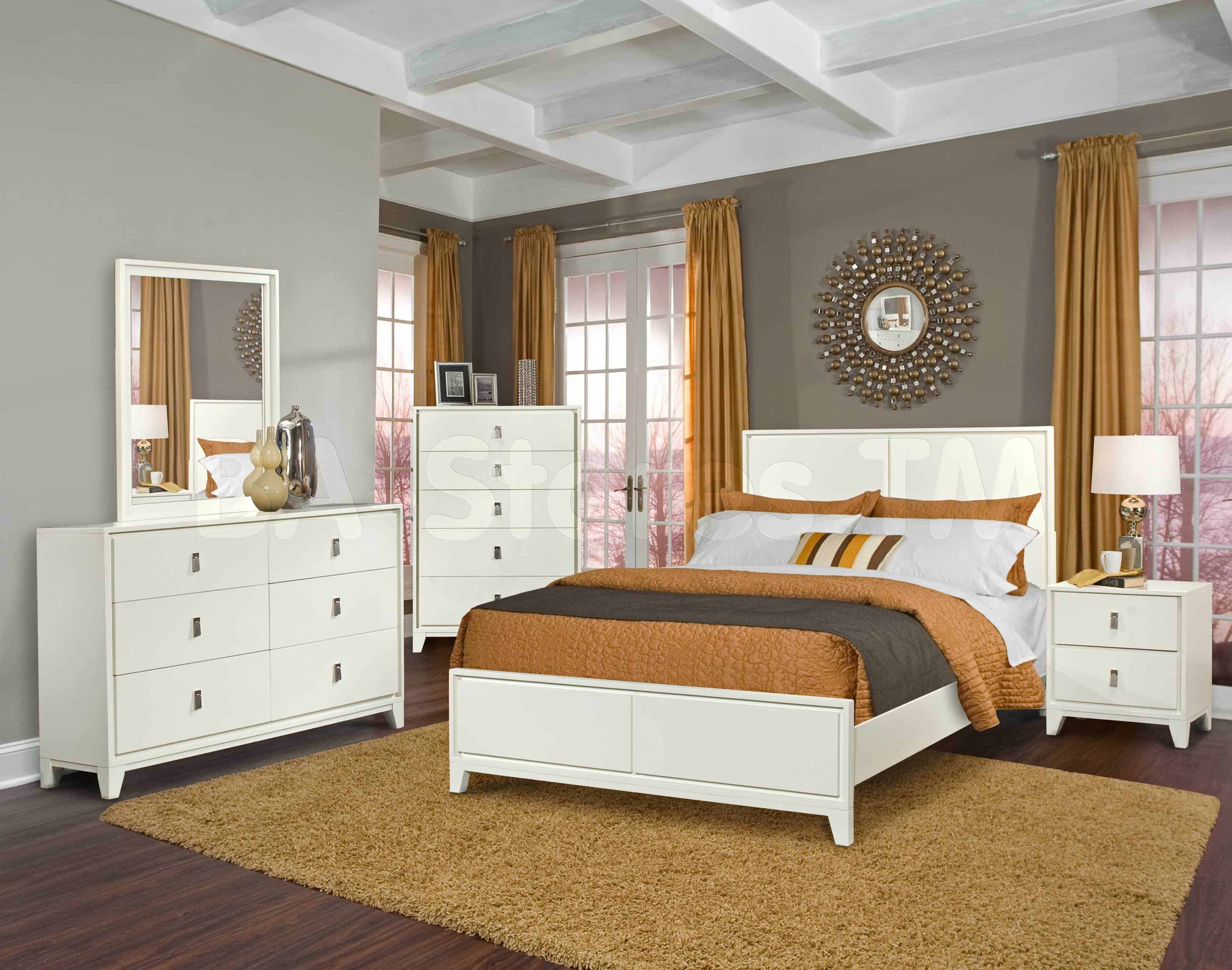
Bedroom furniture ideas that make small spaces feel calmer and more useful
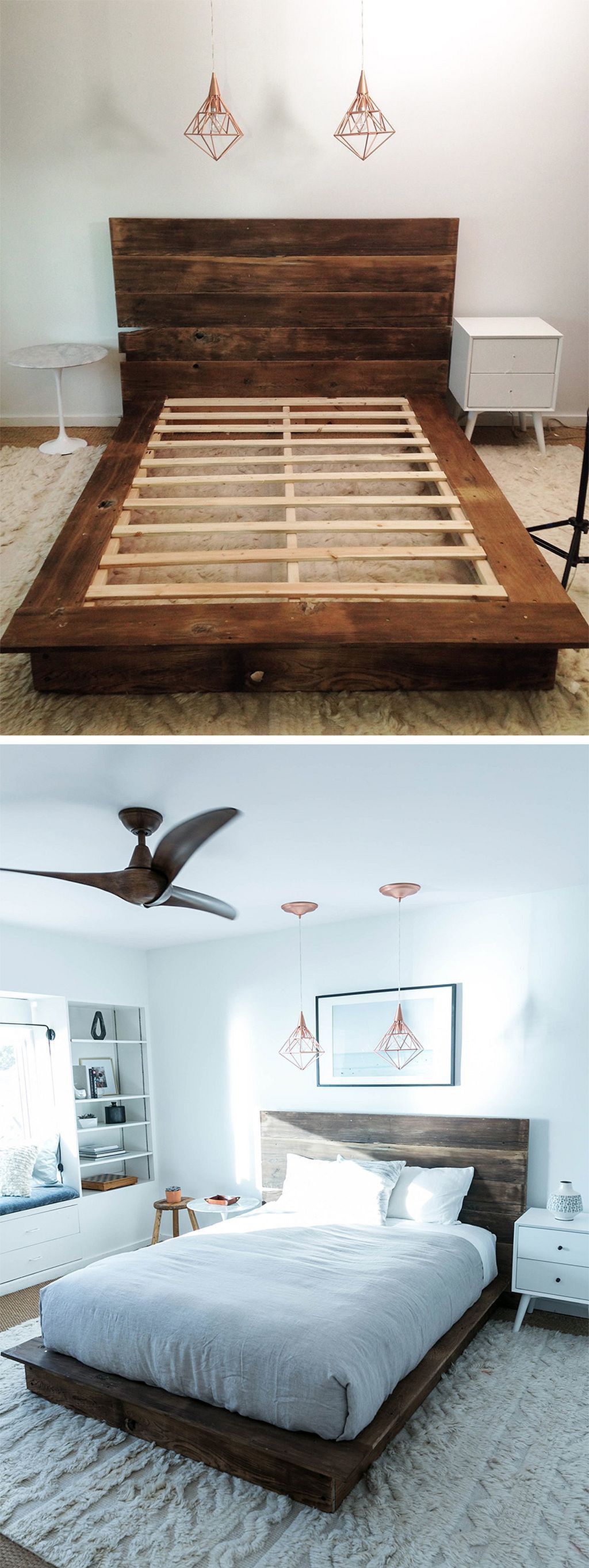
Understanding joinery and materials before you commit to a floating design

Navigating Regional Styles From Provence to Paris When Designing Your French Bedroom
Building a Peaceful Bedroom Environment Through Better Furniture Planning Methods
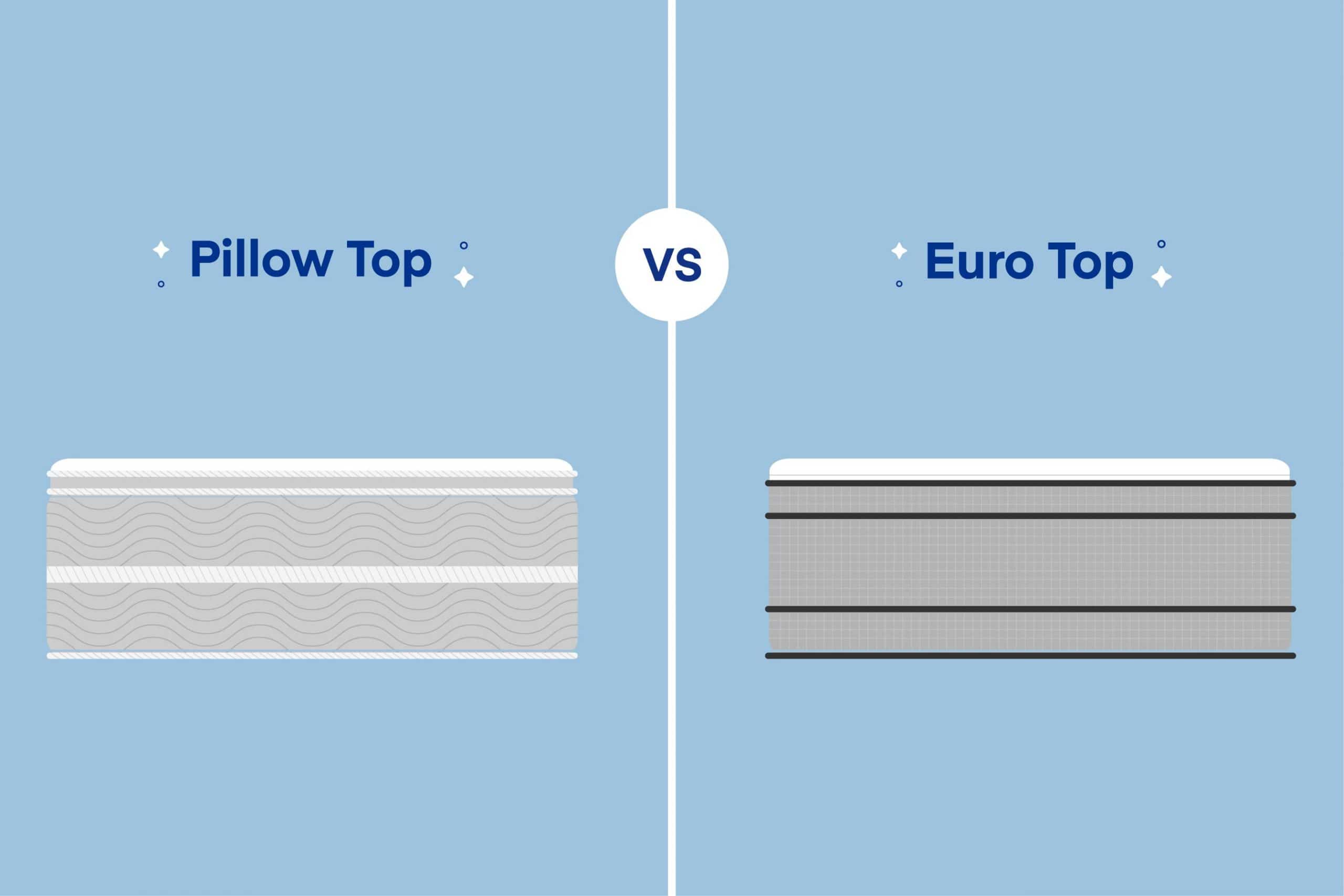
Navigating the Difference Between Flush Stitched Edges and Standard Pillow Tops

Understanding Air Valve Types to Prevent Leaks During Setup
Actionable Recommendations for Maximizing Safety, Comfort, and Aesthetic Appeal
Translating expert knowledge into an exceptional bedroom setup requires intentional planning across multiple domains, from mattress selection to room layout optimization.
The humble twin bed is often the silent witness to childhood. It is the launching pad for morning cartoons, the harbor during midnight thunderstorms, and the quiet boundary where bedtime stories unfold. When you invest time into selecting, assembling, and maintaining a solid wood bed frame like those engineered by Max and Lily, you are building more than just a piece of furniture; you are creating a reliable, safe anchor for a child's most formative years.
By looking past the initial box of parts and understanding the underlying materials, assembly mechanics, and long-term maintenance requirements, you transform a potentially frustrating DIY chore into a rewarding craft. The hex keys will eventually go back into the drawer, the squeaks will be silenced, and what remains is a sturdy, beautiful piece of architecture ready to support a growing child through countless chapters of their life.
