Picture the square footage of an average urban bedroom: tight, unforgiving, and chronically starved of breathing room. You stand at the threshold, staring down a familiar spatial war. There is the king-sized clutter of seasonal wardrobes, extra bedding, and miscellaneous keepsakes with nowhere to live. A traditional dresser commands too much floor space, blocking pathways and turning a restful sanctuary into an obstacle course. Enter a silent, heavy-duty architectural shift that has quietly revolutionized modern home design: the queen bed platform with drawers.
This is not merely furniture. It is a calculated re-engineering of the dead zone beneath your mattress. For decades, the floor space under a standard bed frame became a neglected wasteland of dust bunnies and lost socks. By harnessing heavy-duty joinery, integrated cabinetry, and reinforced slatted platforms, manufacturers and designers have turned that subterranean void into a functional chest of drawers. Yet, navigating the market requires more than a tape measure and a passing glance at online lifestyle photos.
Choosing and living with a queen platform bed with drawers demands an intimate understanding of weight distribution, drawer glide mechanisms, bedroom clearance geometry, and material integrity. Whether you are outfitting a compact guest room or reclaiming square footage in a primary suite, this comprehensive guide cuts through the marketing fluff. We will explore the mechanics of high-capacity frames, evaluate trade-offs between side-drawer configurations and footboard layouts, and provide field-tested strategies to ensure your investment anchors your room for decades to come.

Anatomical Mechanics of the Modern Storage Platform
When evaluating a queen platform bed with drawers, the primary consideration must be structural load versus storage capacity. Unlike traditional beds that rely on box springs to absorb dynamic impact, a platform bed uses a rigid wooden or metal grid to support the mattress directly. This design shifts the center of gravity downward, creating a low-profile aesthetic while accommodating complex sliding or pull-out storage beneath the sleeping deck.
Engineering a durable storage platform requires balancing the dead weight of the mattress and sleeping occupants with the hollow cavities carved out for drawers. High-end frames utilize solid hardwoods like oak, walnut, or parawood, paired with high-density engineered wood for drawer boxes. Lesser frames rely on hollow particleboard wrapped in laminate, which frequently buckles under shifting loads or succumbs to humidity fluctuations in poorly ventilated bedrooms. The internal skeleton must feature vertical center-support legs tied directly into a steel or hardwood spine. Without this internal bracing, the entire structure sags inward over time, binding the drawer glides and causing them to jump off their tracks.

Furthermore, the integration of the drawer housing dictates how the bed behaves on varying floor surfaces. Premium models feature independent drawer boxes encased in their own internal framing, protecting your stored belongings from dust settling through the mattress slats. Cheaper alternatives let drawers slide directly across your flooring on small plastic caster wheels, which can gouge hardwood floors or jam on thick bedroom rugs. Understanding these internal mechanics separates a fleeting impulse buy from a permanent bedroom asset.
Navigating Drawer Layouts and Room Geometry
Floor space dictates everything in interior layout, and storage beds introduce a unique spatial puzzle: the swing-out or pull-out clearance required to access your belongings. Before committing to a specific model, you must map the room's dynamic footprint—the exact distance between the edge of the bed and your nightstands, closet doors, or opposing walls.

Manufacturers typically offer three distinct drawer configurations for queen platforms, each serving vastly different room layouts:
Misjudging these spatial requirements is the single most common buyer's remorse. A drawer that pulls out three feet requires at least thirty-six inches of unobstructed floor space in front of it. If a heavy oak wardrobe or a tight hallway blocks that path, those drawers become decorative panels you can never open. Mapping your bedroom layout with painter's tape on the floor before purchasing prevents costly spatial bottlenecks.
Step-by-Step Methodology for Selecting and Assembling Your Storage Bed

Executing a flawless installation of a heavy storage platform requires methodical patience. Skipping a single alignment step during assembly can twist the frame, resulting in misaligned drawers and premature hardware failure.
Avoiding Critical Pitfalls and Field-Tested Workarounds
Even meticulously engineered furniture can fail if subjected to common structural and environmental oversights. Anticipating these pitfalls ensures your investment remains rock-solid and silent through years of daily use.

Related Posts
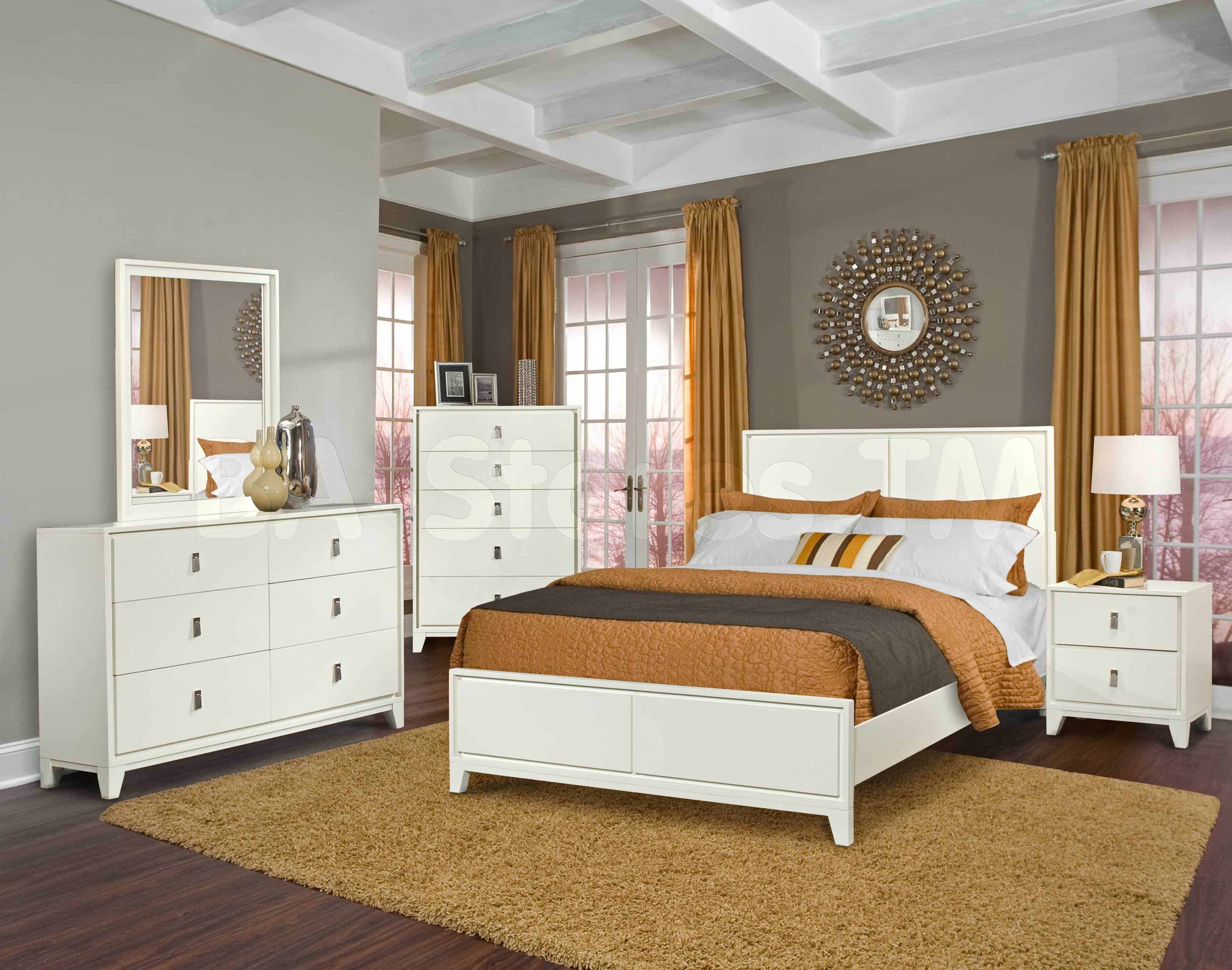
Bedroom furniture ideas that make small spaces feel calmer and more useful
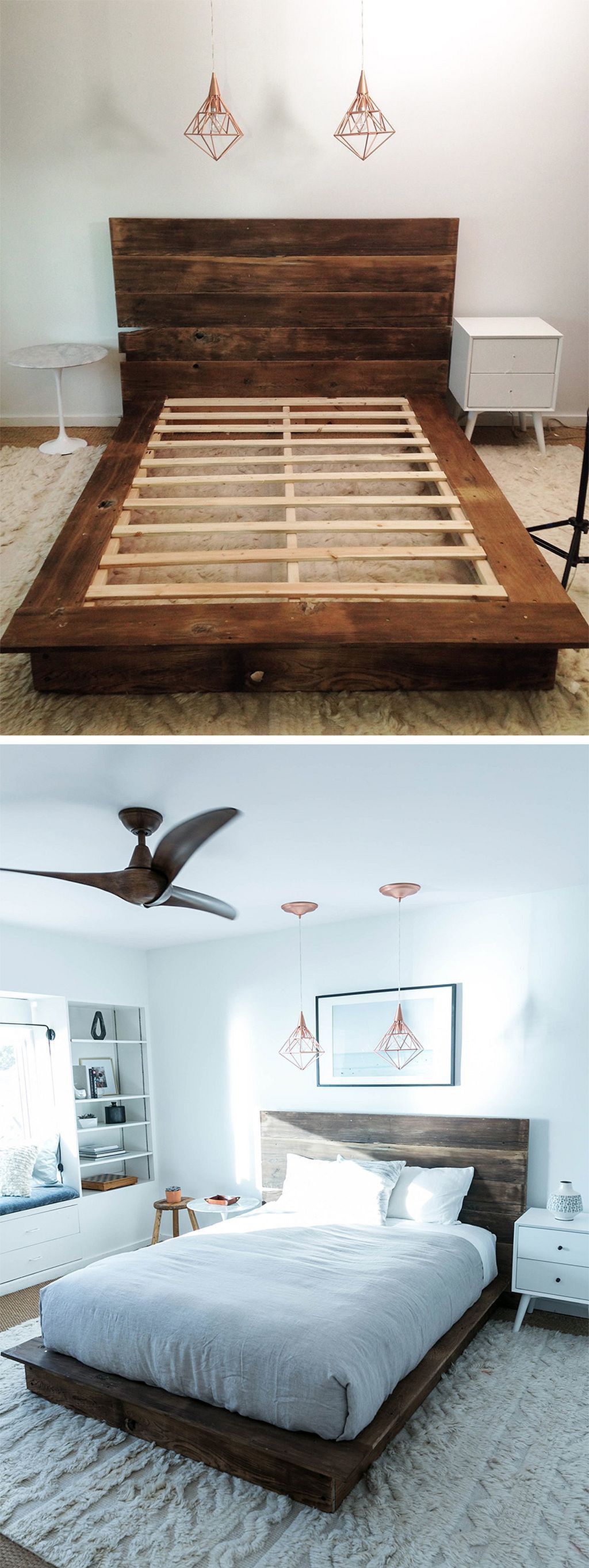
Understanding joinery and materials before you commit to a floating design

Navigating Regional Styles From Provence to Paris When Designing Your French Bedroom

Building a Peaceful Bedroom Environment Through Better Furniture Planning Methods
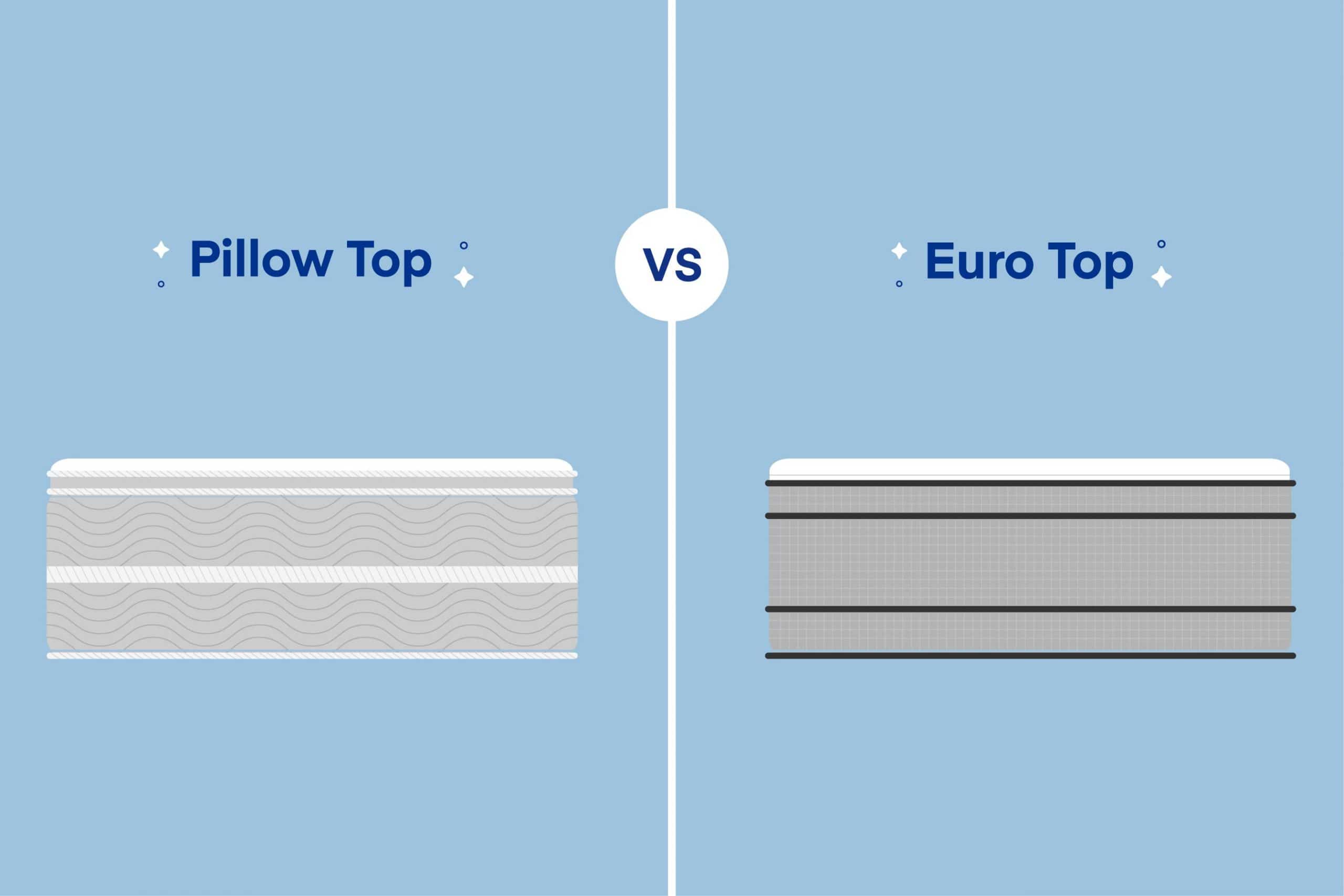
Navigating the Difference Between Flush Stitched Edges and Standard Pillow Tops

Understanding Air Valve Types to Prevent Leaks During Setup
The Long-Term Economic and Lifestyle Impact of Integrated Storage
Investing in a high-end storage platform alters the domestic economy of your home. By consolidating furniture footprints, you eliminate the need for supplementary dressers, bedside storage units, or auxiliary plastic bins stuffed into already overflowing closets. This minimalism ripples outward, creating a calmer psychological environment. Bedrooms designed with intentional, hidden storage consistently score higher in sleep quality studies, as visual clutter is directly linked to elevated cortisol levels and restless nights.
From an economic perspective, durable solid-wood platform beds outlast transient flat-pack furniture by decades. While upfront costs are undeniably higher than budget-grade veneer alternatives, the cost-per-year calculation favors robust joinery and serviceable hardware. When a drawer slide wears out on a quality frame, you can unscrew and replace the standard hardware component for a few dollars. When cheap particleboard strips its screw anchors, the entire bed frame usually ends up in a landfill. Choosing repairable, high-grade materials represents a sustainable commitment to both your living space and environmental stewardship.
Frameworks for Long-Term Maintenance and Care
Preserving the structural integrity and aesthetic polish of a heavy wooden storage bed requires a simple, consistent maintenance routine. The moving parts—namely the metal drawer slides and alignment pins—take the brunt of daily kinetic stress.
Twice a year, empty the drawers completely and inspect the alignment of the suspension tracks. Clean accumulated dust and pet hair out of the drawer channels using a vacuum crevice tool, as trapped debris is the primary cause of sticky sliding mechanisms. Apply a thin coat of dry silicone lubricant or specialized rail wax to metal ball-bearing glides; never use heavy automotive grease or cooking oils, which attract dust and gum up the tracks. Check the main frame bolts with an Allen wrench annually, snugging any fasteners that have loosened from regular movement. For wooden surfaces, clean with a damp microfiber cloth and nourish the grain with a natural beeswax polish rather than silicone-heavy commercial sprays that build up waxy residues over time.
The queen bed platform with drawers stands as a masterclass in functional design—a seamless synthesis of heavy-duty support and invisible organization. By replacing wasted negative space with accessible storage, it rescues bedrooms from clutter and restores a sense of serene proportion to modern living spaces.
As material science and modular manufacturing continue to evolve, the future of bedroom architecture points toward even smarter integrations: embedded wireless charging nodes, concealed ambient lighting channels, and toolless snap-lock joinery that simplifies relocation. Yet, the timeless core principles remain unchanged. Prioritize structural rigidity, map your spatial clearances with absolute precision, and invest in joinery designed to endure. When done right, your sleeping quarters transform from a chaotic catch-all into a disciplined, restorative sanctuary built to last.
