Midnight. You reach out in the dark for a glass of water, your phone, or the next chapter of the novel keeping you awake, only to sweep your hand blindly across an empty floor. The nightstand is buried beneath a mountain of mail, rogue charging cables, and chapstick, while the bedroom itself feels smaller by the square inch. Anyone wrestling with a standard full-size bed in a compact room knows this spatial claustrophobia intimately. Floor space vanishes the moment you try to wedge two nightstands and a dresser into a room barely measuring ten by ten feet.
The bedroom should function as a sanctuary rather than a cramped storage locker. When square footage is at an absolute premium, standard standalone furniture often creates more bottlenecks than solutions. Every inch counts, forcing a re-evaluation of how furniture anchors a room. Standard headboards serve purely aesthetic purposes, acting as flat vertical panels that take up wall space without offering a single functional return. They occupy physical territory while contributing nothing to the daily battle against bedroom clutter.
Enter the functional alternative: the full size bookcase headboard. This hybrid furniture piece merges the sleeping anchor with multi-tiered shelving, capturing vertical airspace that normally goes wasted. Instead of spreading your belongings horizontally across the room on bulky tables, a bookcase headboard concentrates your nighttime essentials directly overhead and within arm's reach. Grasping how to select, install, and style this architectural upgrade transforms a chaotic sleeping space into an organized, intentional retreat.
Understanding the Anatomy and Dimensions of Full Size Bookcase Headboards
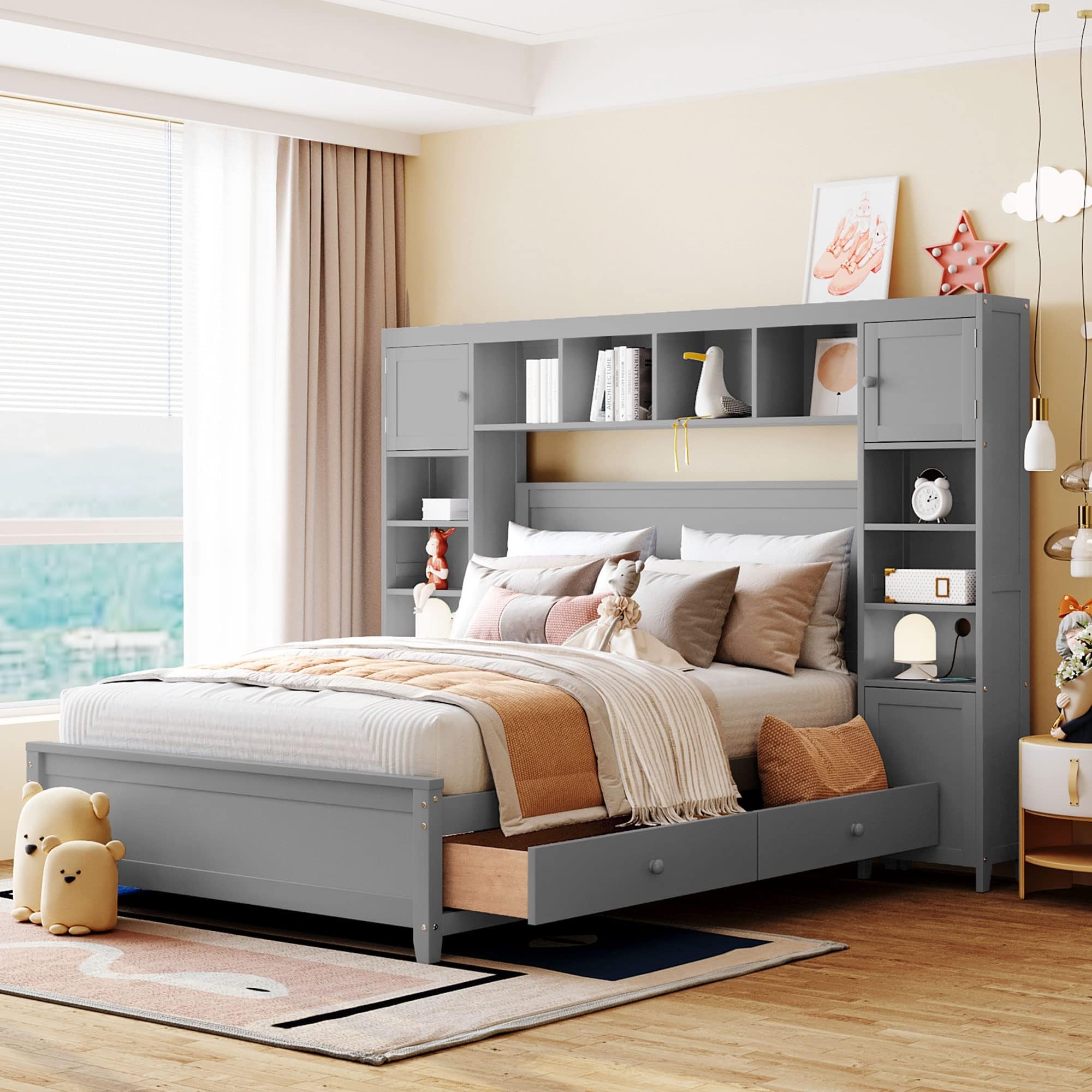
A full-size bed typically measures 54 inches in width by 75 inches in length. However, the footprint of a corresponding bookcase headboard changes the math entirely. Standard full-size bookcase headboards generally hover around 56 inches wide to accommodate the mattress frame with a slight tolerance, but the depth varies wildly. Some minimalist designs protrude a sleek 6 inches from the wall, while heavy-duty wooden units feature deep cubbies extending 10 to 12 inches forward. This extra depth directly alters how much clearance remains between the foot of the bed and the opposite wall or dresser.
Material composition dictates both the structural longevity and the visual weight of the furniture piece. Solid hardwoods like oak, maple, and pine offer exceptional durability and a timeless grain, though they come with substantial weight and a higher price tag. Manufactured woods—such as high-density fiberboard (HDF) and medium-density fiberboard (MDF) wrapped in laminate veneers—provide budget-friendly versatility and moisture resistance. However, these engineered materials require careful assembly, particularly around cam locks and screw housings, to prevent sagging under the weight of heavy hardcovers.
Height is another critical specification often overlooked during initial shopping sprees. Most bookcase headboards stand between 40 and 48 inches tall, aligning comfortably with standard pillow stacks and mattress heights. Taller units, reaching 55 to 60 inches, create dramatic vertical focal points and incorporate multiple shelf tiers, but they can overwhelm small rooms with low ceilings. Examining the exact clearance needed for wall-mounted sconces, light switches, and window sills prevents frustrating installation roadblocks later.
Hardware integration separates mediocre shelving units from elite bedroom storage systems. Modern full-size bookcase headboards frequently feature built-in wire management ports, recessed USB charging hubs, and integrated LED reading lights. These features eliminate the chaotic tangle of extension cords snaking across the floor from distant wall outlets. Evaluating the placement of pre-drilled cord holes before assembly ensures that your digital life plugs in seamlessly without pinching wires against the drywall.
Evaluating the Pros, Cons, and Spatial Trade-Offs for Compact Bedrooms
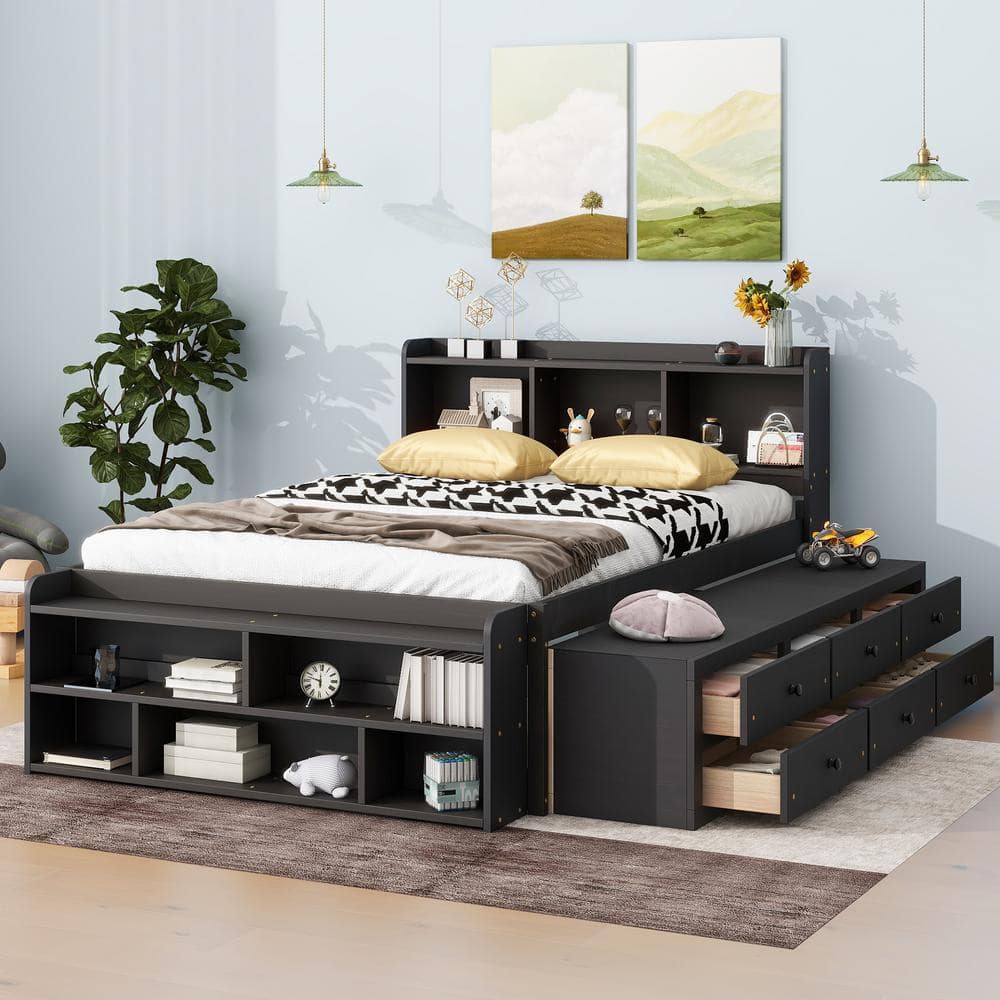
Choosing a bookcase headboard over a traditional bed frame configuration requires a clear-eyed assessment of daily living habits. On the positive side, the elimination of traditional nightstands frees up roughly two feet of horizontal floor space on either side of the mattress. This reclaimed area makes it drastically easier to open bedroom doors fully, slide out under-bed storage bins, or simply navigate the room in total darkness without stubbing a toe. It concentrates storage where it matters most: right where you lie down.
Yet, this space-saving mechanism introduces unique structural compromises. Because the headboard sits flush against the wall and houses heavy items above your head, anchoring it securely to wall studs is non-negotiable for safety. Furthermore, retrieving items from upper shelves requires a slight stretch or sitting up, which may prove inconvenient for individuals with limited upper-body mobility. Dust accumulation on open upper shelving also demands regular maintenance, especially in homes with pets or forced-air heating systems.
Aesthetic balance represents another subtle challenge in compact rooms. A deep bookcase headboard projects further into the room than a thin wooden slat, shortening the perceived length of the mattress area. In rooms with tight dimensions, a massive, dark-finished wooden headboard can visually dominate the space, making a modest bedroom feel heavy and enclosed. Selecting lighter finishes, such as weathered white, birch, or pale ash veneers, reflects ambient light and preserves an open, airy atmosphere.

Storage capacity must match reality rather than aspiration. While shelves invite an endless collection of books, decorative knick-knacks, and framed photographs, overloading the structure compromises structural integrity and creates visual noise. A cluttered headboard disrupts sleep psychology, keeping the mind alert when it should be winding down. Adopting a curated approach to shelving—balancing functional items like glasses and journals with minimalist decor—ensures the piece enhances rest rather than hindering it.
Step-by-Step Methodology for Sourcing, Measuring, and Installing Your Headboard
Executing a seamless integration of a bookcase headboard demands disciplined planning, precise measurements, and methodical assembly practices. Rushing past the blueprint phase often leads to misaligned bolt holes, wobbly structures, or a bed frame that refuses to sit flush against the wall due to unexpected baseboard trim interference.
Navigating Common Pitfalls and Field-Tested Workarounds
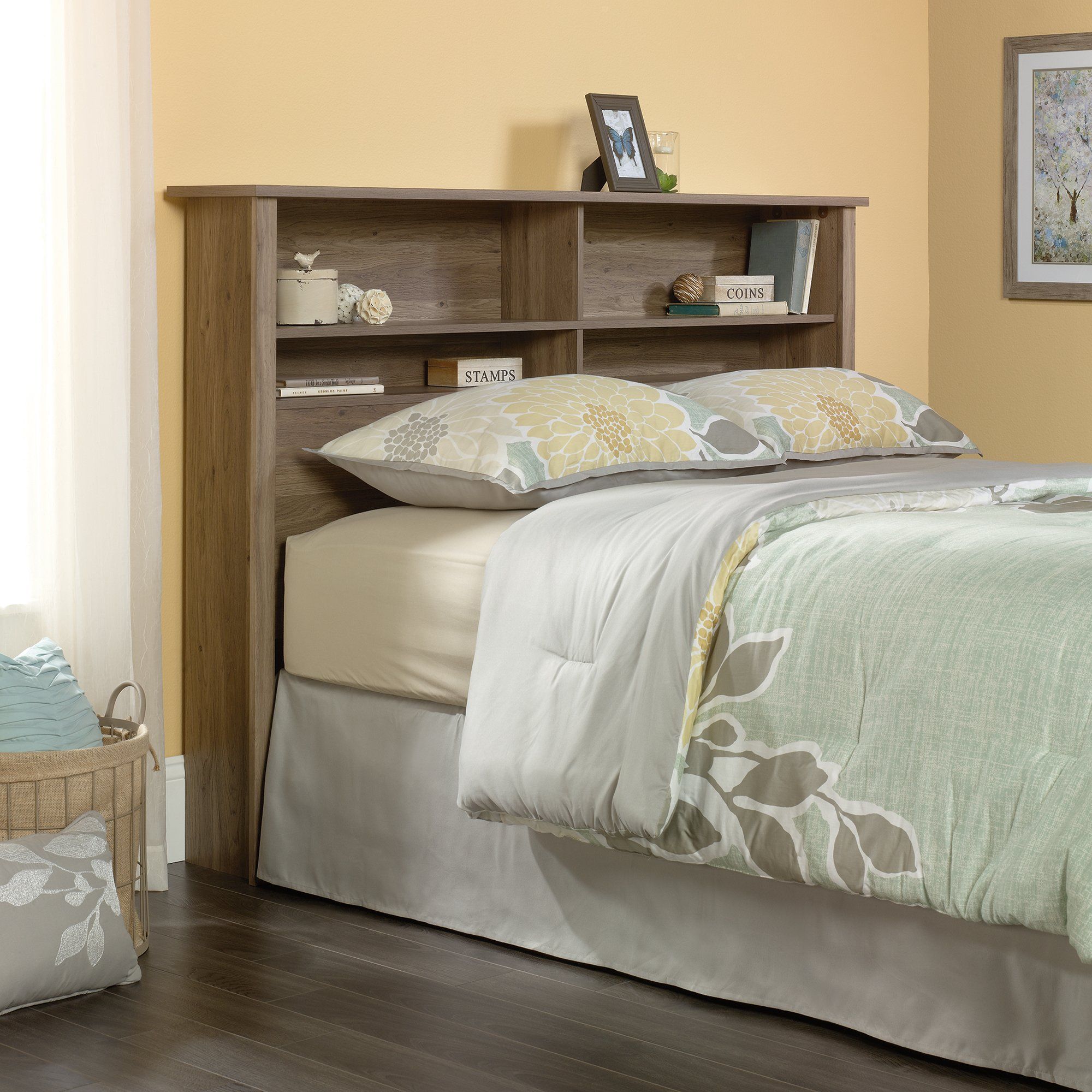
Even experienced DIYers and furniture assemblers run into predictable hurdles when installing storage headboards. Anticipating these obstacles saves hours of frustration and prevents irreversible damage to drywall or furniture components.
Holistic Perspectives: Material Sustainability, Modern Design Trends, and Longevity
The furniture industry has undergone a quiet revolution regarding material sourcing and environmental impact. Modern consumers increasingly reject short-lived flat-pack furniture destined for landfills after a single move. When investing in a full-size bookcase headboard, prioritizing sustainably harvested lumber certified by the Forest Stewardship Council (FSC) or reclaimed industrial timber guarantees structural integrity while reducing ecological footprints. Furthermore, selecting low-VOC (volatile organic compound) finishes and formaldehyde-free engineered wood protects indoor air quality in enclosed sleeping quarters where you spend a third of your life breathing deep.
Aesthetic longevity matters just as much as physical durability. Interior design trends lean heavily toward transitional and Japandi styles—blending Scandinavian functionalism with Japanese wabi-sabi minimalism. This design philosophy favors clean lines, natural wood tones, and concealed storage compartments over ornate, dust-catching carvings. Choosing a headboard with sliding cabinet doors or recessed cubbies allows you to hide visual clutter completely, maintaining a serene, uncluttered aesthetic that resists shifting micro-trends.
Related Posts
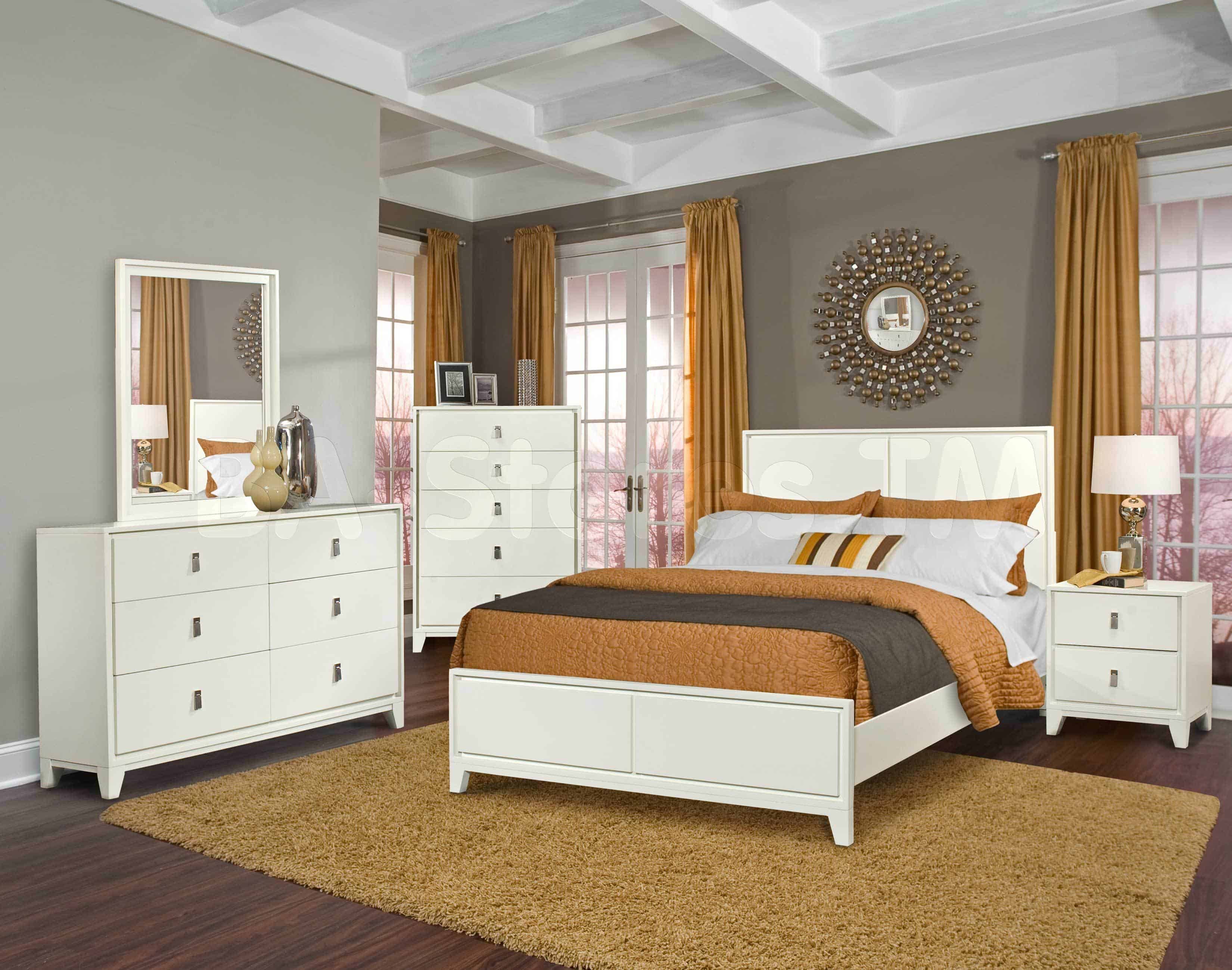
Bedroom furniture ideas that make small spaces feel calmer and more useful
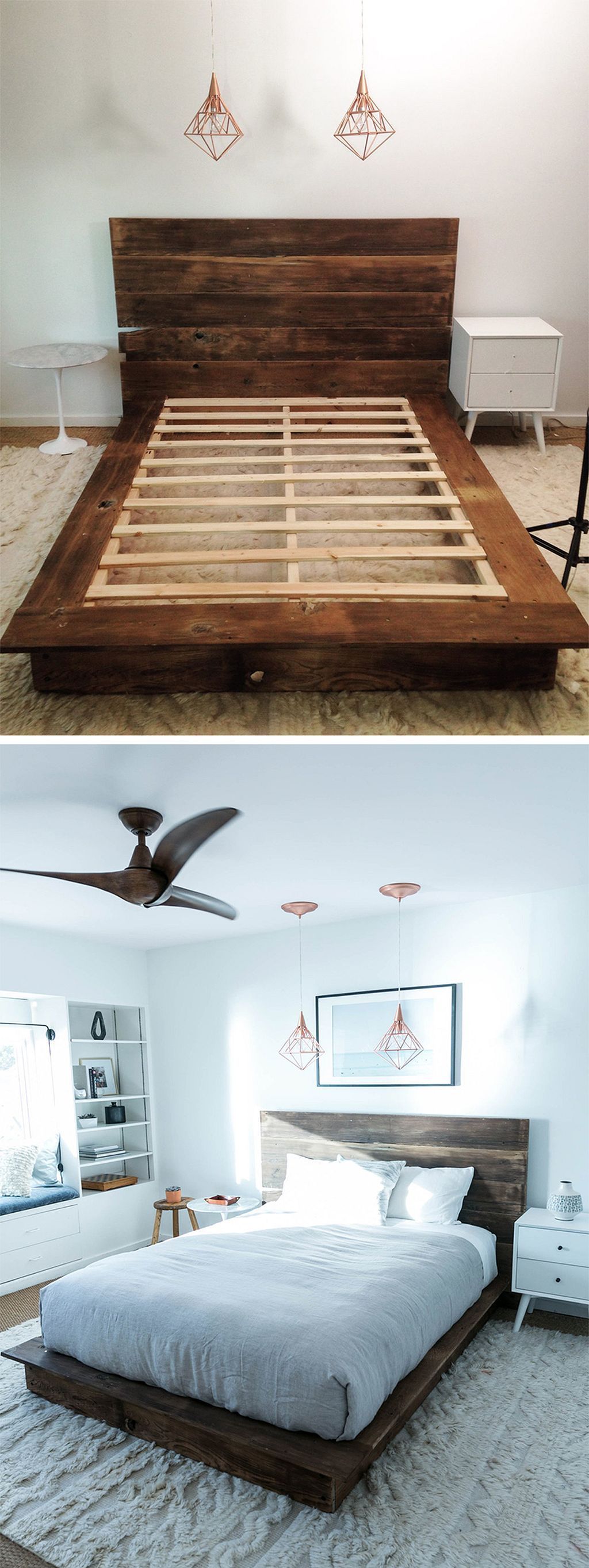
Understanding joinery and materials before you commit to a floating design

Navigating Regional Styles From Provence to Paris When Designing Your French Bedroom

Building a Peaceful Bedroom Environment Through Better Furniture Planning Methods
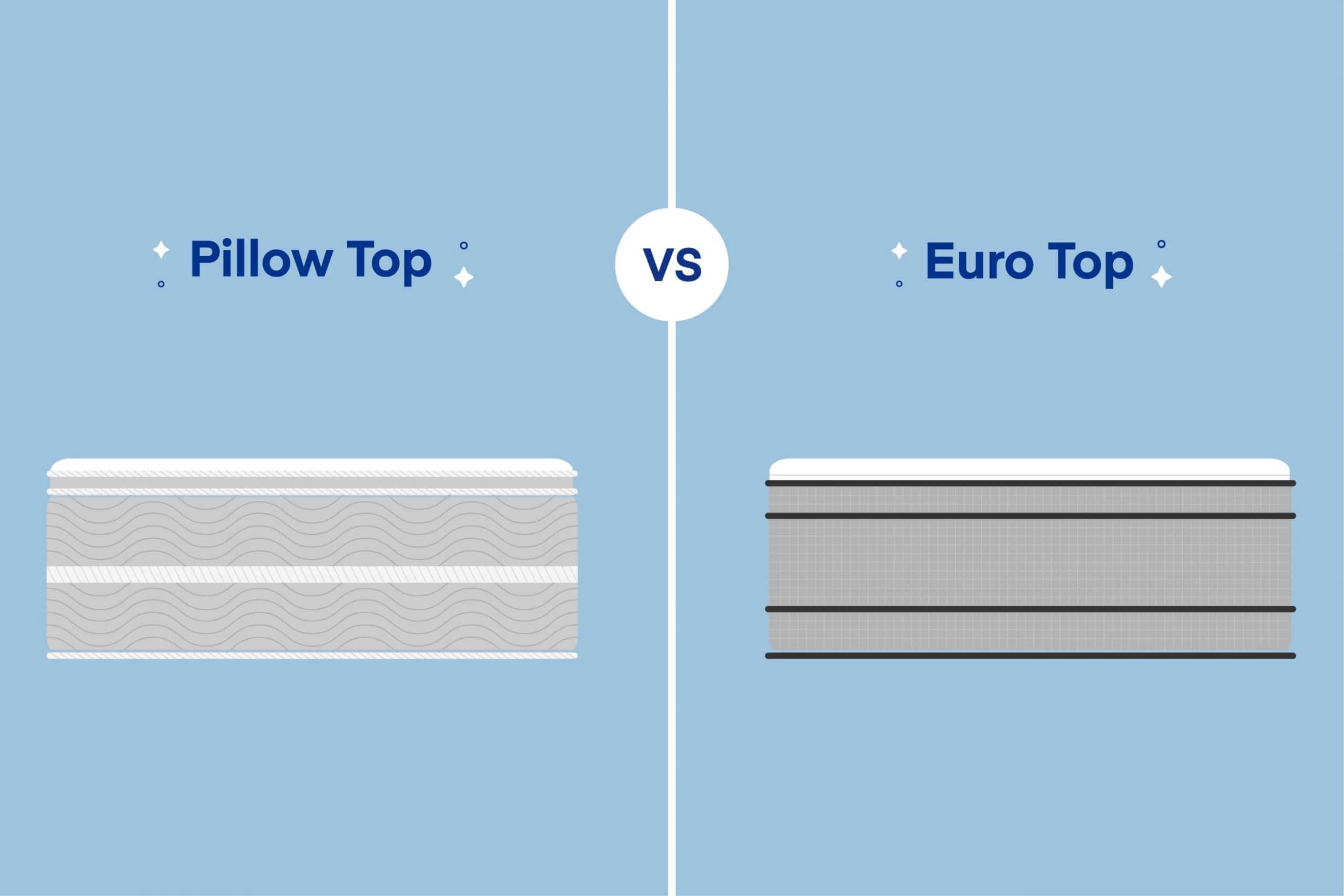
Navigating the Difference Between Flush Stitched Edges and Standard Pillow Tops
Understanding Air Valve Types to Prevent Leaks During Setup
Economic value extends beyond the initial price tag at checkout. By combining the functions of a headboard, two nightstands, and supplementary bookshelf units into a single footprint, a bookcase headboard delivers exceptional cost efficiency. It reduces the number of individual furniture pieces required to furnish a bedroom, which simplifies future relocations and minimizes transport bulk. A well-constructed wooden storage headboard transitions effortlessly from a college apartment to a first starter home, proving its worth across multiple phases of life.
The psychological impact of organized sleeping environments cannot be overstated. Clutter increases ambient cortisol levels, subtly eroding sleep quality and morning focus. A dedicated organizational structure built right into the bed frame instills a sense of order and calm. When everything from reading glasses to morning medications has a designated, logical home within arm's reach, the bedroom resumes its historic role as a restorative sanctuary rather than a repository for day-to-day chaos.
Actionable Recommendations for Maximizing Storage and Visual Appeal
Transforming a raw wooden or laminate bookcase headboard into an artful, highly functional storage hub requires a disciplined approach to interior curation. Avoid the temptation to pack every square inch with books and decorative clutter; instead, treat each cubby as a dedicated zone with a specific purpose.
Reclaiming your bedroom from clutter is rarely about acquiring more furniture; it is about making smarter, more intentional choices with the physical boundaries you already inhabit. The full-size bookcase headboard stands out as a masterclass in spatial efficiency, solving the eternal struggle between comfort and storage without demanding an inch of extra floor space. By merging the structural anchor of the bed with multi-tiered vertical shelving, it transforms an awkward, overlooked zone into an organized command center for your nightly routine.
As living spaces continue to trend toward cozy compactness, furniture that performs double duty will remain essential for modern living. Approaching this purchase or DIY project with careful attention to dimensions, wall anchoring, and material quality ensures a lifetime of reliable service. Take the time to measure your room twice, secure your fasteners cleanly, and curate your shelves with intention. In doing so, you establish a peaceful, highly functional sanctuary where rest comes easily and the morning chaos stays neatly out of sight.
