The winter wind rattles the windowpanes, and the temperature outside plunges into single digits. You cross the cold hardwood floor, pull back the layers of your bed, and slide beneath a surface that feels less like standard bedding and more like sinking into a warm, heavy cloud. That immediate, radiant heat retention paired with a buttery softness is precisely why a faux fur queen bed set has evolved from a transient interior design trend into a permanent winter staple for modern bedrooms.
Yet, transforming a bedroom into a cozy sanctuary requires more than simply tossing a plush comforter over a mattress. Choosing the right set involves navigating a labyrinth of polyester blends, GSM weights, backing fabrics, and sizing dimensions that can make or break your sleep experience. A poorly engineered set sheds fibers across your pajamas, mats down after its first trip through the laundry, or fails to cover a modern 14-inch thick mattress. Conversely, a high-grade textile investment rewards you with years of indulgent warmth, textural depth, and effortless elegance.
The landscape of textile manufacturing has shifted dramatically. Advances in polymer engineering allow contemporary synthetic fibers to mimic the tactile richness of chinchilla, rabbit, and fox down to the microscopic scale, completely cruelty-free. This guide cuts through the marketing noise, examining the structural anatomy, practical maintenance protocols, styling strategies, and pitfalls of owning a top-tier faux fur queen bed set.

Decoding the Anatomy of Modern Synthetic Pelts
When textile engineers first attempted to replicate animal pelts decades ago, the results were stiff, chemically smelling acrylics that shed like distressed sheep. Today, high-end faux fur bedding relies heavily on modified acrylic-modacrylic blends and ultra-fine micro-polyester filaments. The primary secret to that heavy, draping luxury lies in the fiber denier—the measure of thickness. Finer filaments, often under one denier, create a dense, velvety hand-feel that traps thermal air pockets effectively without feeling leaden.
Beneath the plush top layer lies the backing fabric, a structural component that dictates the overall durability of your queen set. Cheap comforters utilize flimsy tricot or single-layer knits that allow the pile to pull away under minimal friction. Premium sets feature a multi-ply construction, often pairing a dense faux fur face with a reverse side made of velvety micro-plush, faux mink, or heavyweight flannel. This dual-sided functionality not only enhances thermal regulation but also anchors the pile securely, drastically reducing shedding over years of use.

Gram per square meter, commonly abbreviated as GSM, serves as your ultimate quantitative metric for quality. While standard cotton sheets hover around 100 to 150 GSM, a quality faux fur comforter generally starts at 400 GSM and can scale past 800 GSM for ultra-heavy winter setups. A higher GSM indicates a denser weave, thicker yarn, and a substantially weightier drape that hugs the contours of the body. Understanding this metric keeps you from paying premium prices for lightweight, airy throws disguised as substantial comforters.
Sizing Realities for Modern Queen Mattresses
A common frustration among buyers involves purchasing a standard queen bed set only to find the comforter hovering awkwardly above the bed skirt, exposing the box spring. Standard mattress dimensions dictate a 60-inch width by 80-inch length, but the modern sleep landscape includes pillow-top constructions, memory foam toppers, and deep-pocket foundations that push total vertical heights past 16 inches. A comforter sized at standard 86x86 inches often falls dangerously short on high-profile beds.

Manufacturers addressing this gap design oversized queen dimensions, frequently measuring 90x92 inches or even 92x96 inches. These extra inches provide the necessary drop to gracefully conceal the mattress perimeter. When evaluating a set, pay strict attention to the included components. A standard queen set typically packages one oversized comforter and two matching pillow shams. However, decorative throw pillows or bed skirts may or may not be included depending on the tier.
Pillow shams also require careful consideration. Faux fur shams add stunning visual texture to a made bed, but sleeping directly on a dense, synthetic pile can trap facial heat and moisture. High-end sets often solve this dilemma by featuring faux fur exclusively on the face of the sham, while utilizing a breathable, smooth cotton-poly blend on the reverse side where your cheek actually rests. Checking these design details prevents nightly discomfort.
Step-by-Step Selection and Sizing Methodology

Navigating Common Pitfalls and Preservation Mistakes
The Intersection of Aesthetic Versatility and Interior Design
Integrating a faux fur queen bed set into your bedroom styling requires a nuanced hand to prevent the space from feeling like a winter alpine chalet in the middle of July. The secret lies in textural contrast. Because faux fur introduces heavy visual weight and tactile density, it pairs exceptionally well with crisp, lightweight linens, smooth percale sheets, or sleek architectural elements like wrought iron and brushed brass bedframes.

Related Posts

Bedroom furniture ideas that make small spaces feel calmer and more useful
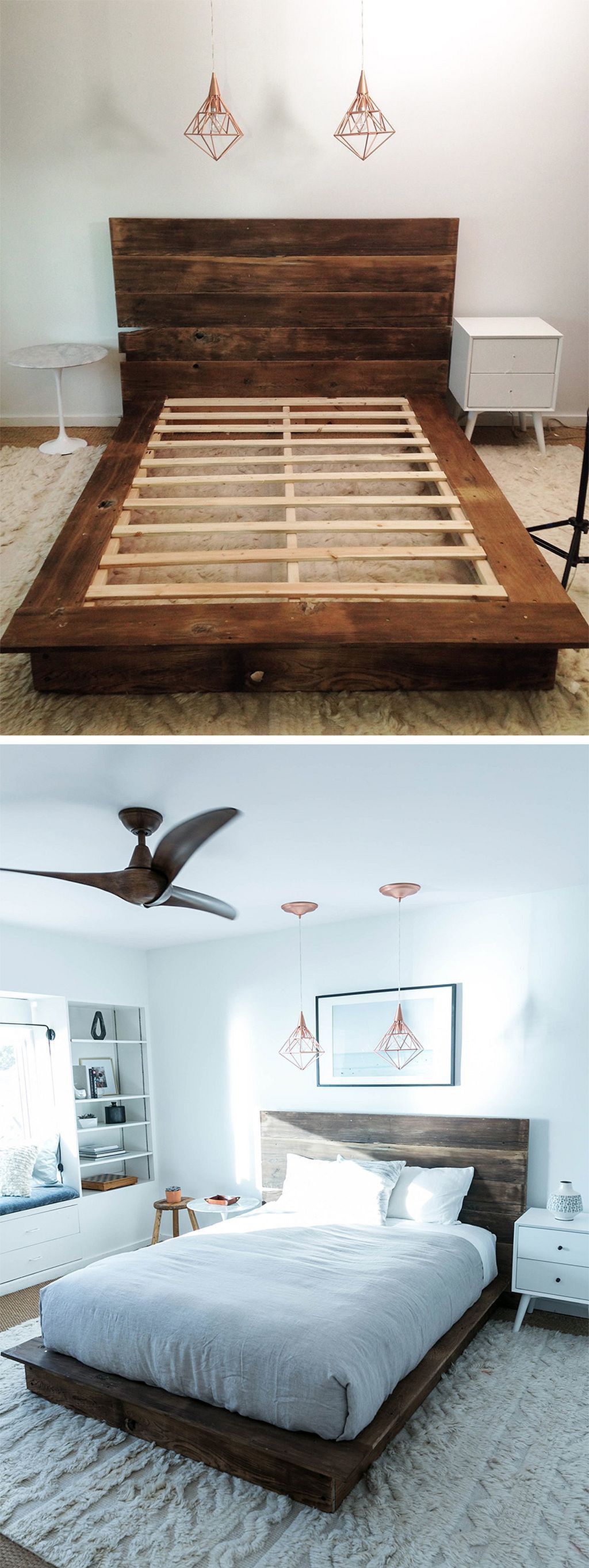
Understanding joinery and materials before you commit to a floating design

Navigating Regional Styles From Provence to Paris When Designing Your French Bedroom

Building a Peaceful Bedroom Environment Through Better Furniture Planning Methods
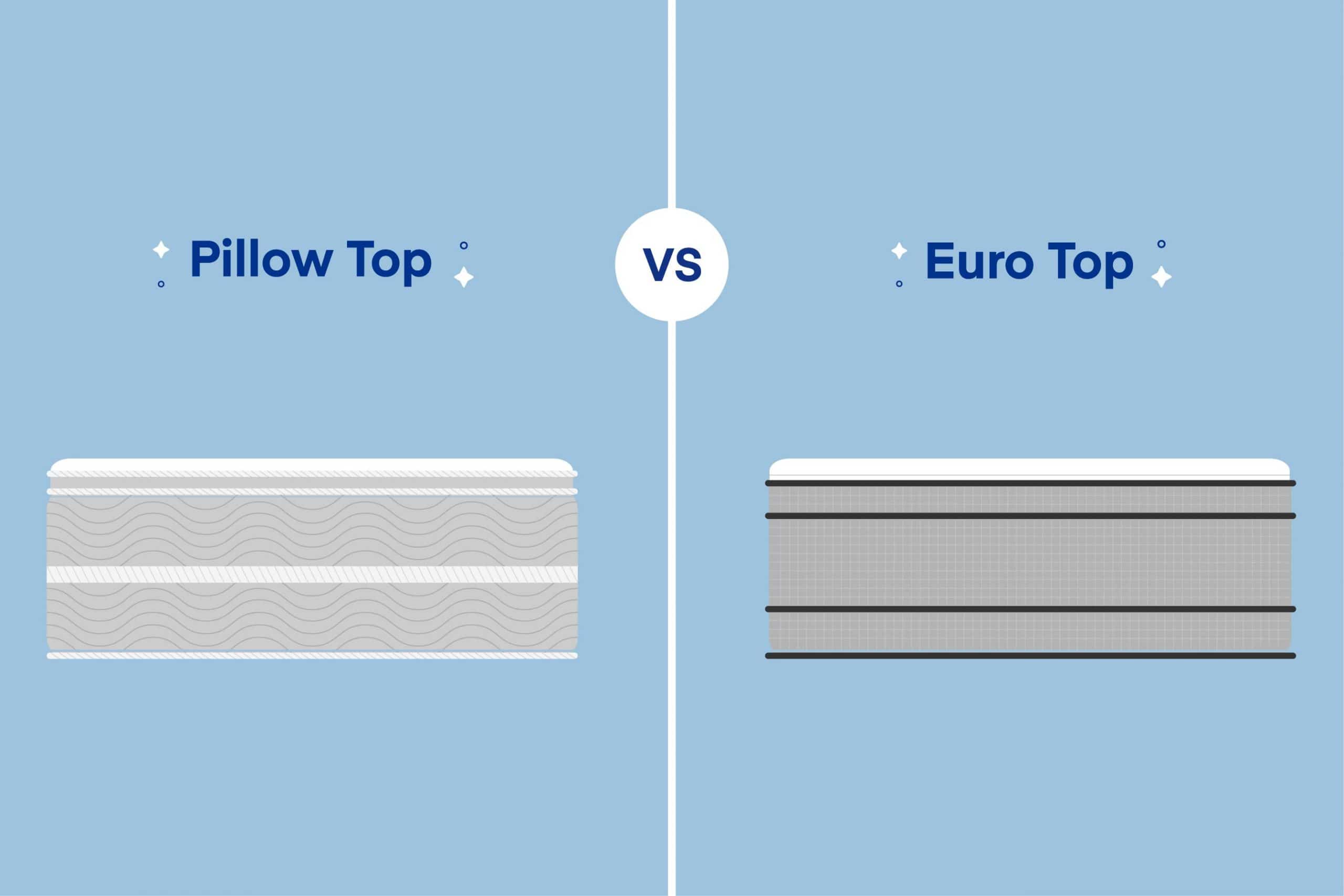
Navigating the Difference Between Flush Stitched Edges and Standard Pillow Tops
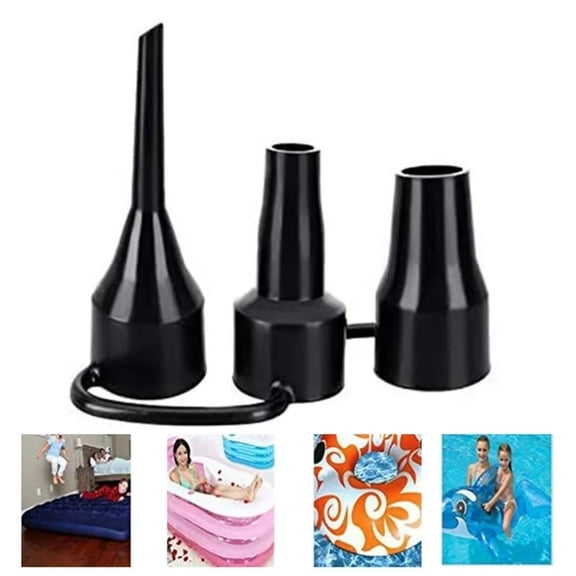
Understanding Air Valve Types to Prevent Leaks During Setup
Color psychology also plays a monumental role in modern bedroom design. While bleached white and ivory faux fur evoke Scandinavian minimalism and clean serenity, darker hues like charcoal, deep emerald, and obsidian black anchor the room with moody sophistication. For those seeking artistic flair, tie-dye patterns, ombre fades, and animal print motifs—such as frosted snow leopard or subtle chinchilla tipping—turn the bed into the definitive focal point of the room, reducing the need for excessive wall art or competing decor.
Seasonal transitions do not necessarily require banishing your faux fur set entirely. While it shines brightest during frost-heavy winter nights, styling the comforter folded neatly at the foot of the bed during spring adds a layer of curated luxury without overheating your sleep space. This functional versatility ensures that your investment works hard for you across multiple seasons, bridging the gap between practical comfort and high-end interior styling.
Actionable Frameworks for Longevity and Maintenance
Maximizing the lifespan of a luxury synthetic bedding set requires shifting from reactive cleaning to proactive care. Establishing a monthly maintenance routine preserves both the thermal performance and the aesthetic appeal of your comforter and shams. Begin by shaking out the set outdoors or in an open area to dislodge surface dust and trapped ambient particles that settle into the deep pile over weeks of use.
When washing day arrives, treat the comforter with respect. Avoid cramming a queen-size heavyweight set into a compact top-loading machine with a central agitator, which can rip the internal stitching and tear the delicate backing. If your home washer cannot accommodate the bulk comfortably without forcing it, take the set to a local laundromat equipped with commercial-grade, front-loading drum machines that tumble the fabric gently through the wash cycle.
Finally, manage your styling habits to minimize localized wear. If you tend to sit in the exact same spot on the bed to read or work on a laptop, rotate the comforter 180 degrees every few weeks. This simple habit distributes wear evenly across the surface area, preventing premature matting in high-friction zones and ensuring that your bed set maintains its pristine, showroom-quality appearance for years to come.
Investing in a quality faux fur queen bed set is ultimately an investment in your daily sanctuary. Beyond the undeniable aesthetic appeal and the tactile joy of sliding into a warm, heavy embrace at the end of a long day, a well-chosen bedding set elevates the psychological comfort of your home. It turns the bedroom into a restorative retreat designed to insulate you from the relentless pace of the outside world.
As textile technology continues to evolve, the gap between synthetic luxury and natural materials narrows further, offering unprecedented ethical and environmental alternatives for conscious consumers. By understanding the core mechanics of fabric density, mastering proper low-heat maintenance protocols, and balancing visual weights within your room, you ensure that your bedding remains a stunning centerpiece of comfort and style. Embrace the warmth, care for the fibers diligently, and let your bedroom become the ultimate haven of relaxation.