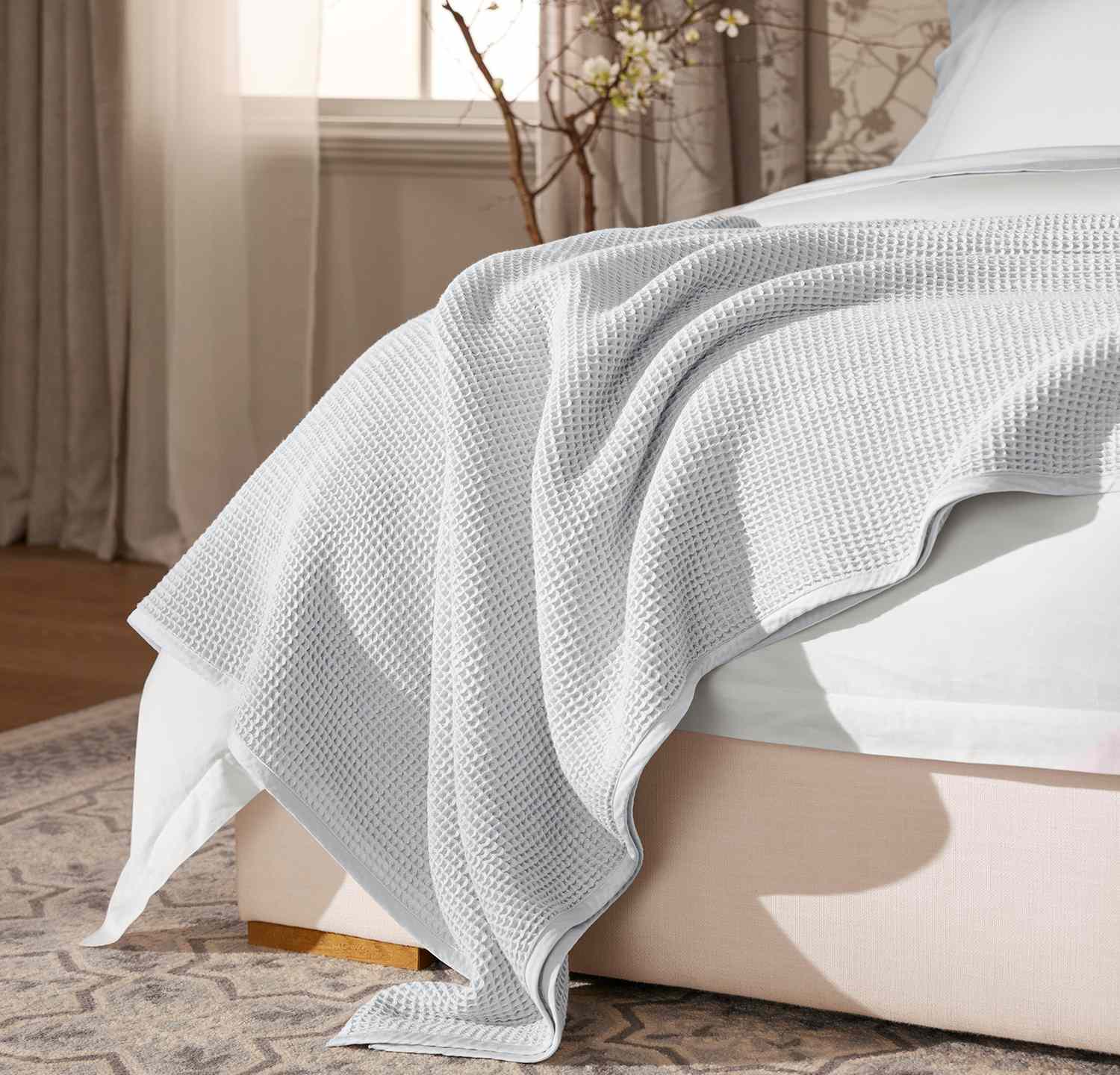
The afternoon sun cuts across the hardwood floor, illuminating a bed that looks like it belongs in a boutique design hotel rather than a hastily organized home. There is no chaotic jumble of synthetic throw pillows, nor is there a monolithic, suffocating comforter that swallows the entire frame. Instead, the bed presents a masterclass in architectural restraint: crisp linen sheets, a tailored blanket, and resting precisely across the lower third, a richly textured, lightweight coverlet that anchors the entire visual composition.
For decades, domestic styling suffered under the tyranny of the matching bed-in-a-bag set—monotonous polyester ensembles that prioritized factory-stamped uniformity over tactile depth. Homeowners found themselves trapped between freezing winter nights and sweltering summer heatwaves, relying on single-layer solutions that could never quite adapt to real-world microclimates. The modern bedroom demands flexibility, breathability, and an editorial aesthetic that can pivot seamlessly from the heat of August to the drafty depths of January.
Enter the coverlet: the unsung hero of high-end interior styling and thermal regulation. Often misunderstood as a mere decorative afterthought, this streamlined bed covering serves a dual purpose as both a functional summer layer and a sophisticated architectural finish. Understanding how to integrate a coverlet into your sleeping environment transforms not only the visual gravity of the room but the very quality of your nightly rest through superior temperature management.
Anatomy of a Coverlet: Unpacking the Versatile No-Fill Layer
To understand why professional stylists and interior architects consistently rely on coverlets, one must first dissect what separates this textile from its bulky bedding counterparts. At its core, a coverlet is a lightweight, single-layer bed covering that features little to no interior batting or fill. Unlike a traditional quilt, which stitches together a top fabric, a dense middle batting, and a backing layer, or a duvet that relies on a plush insert trapped inside a shell, a coverlet is typically woven as a cohesive piece of fabric or constructed with two thin layers stitched closely together.
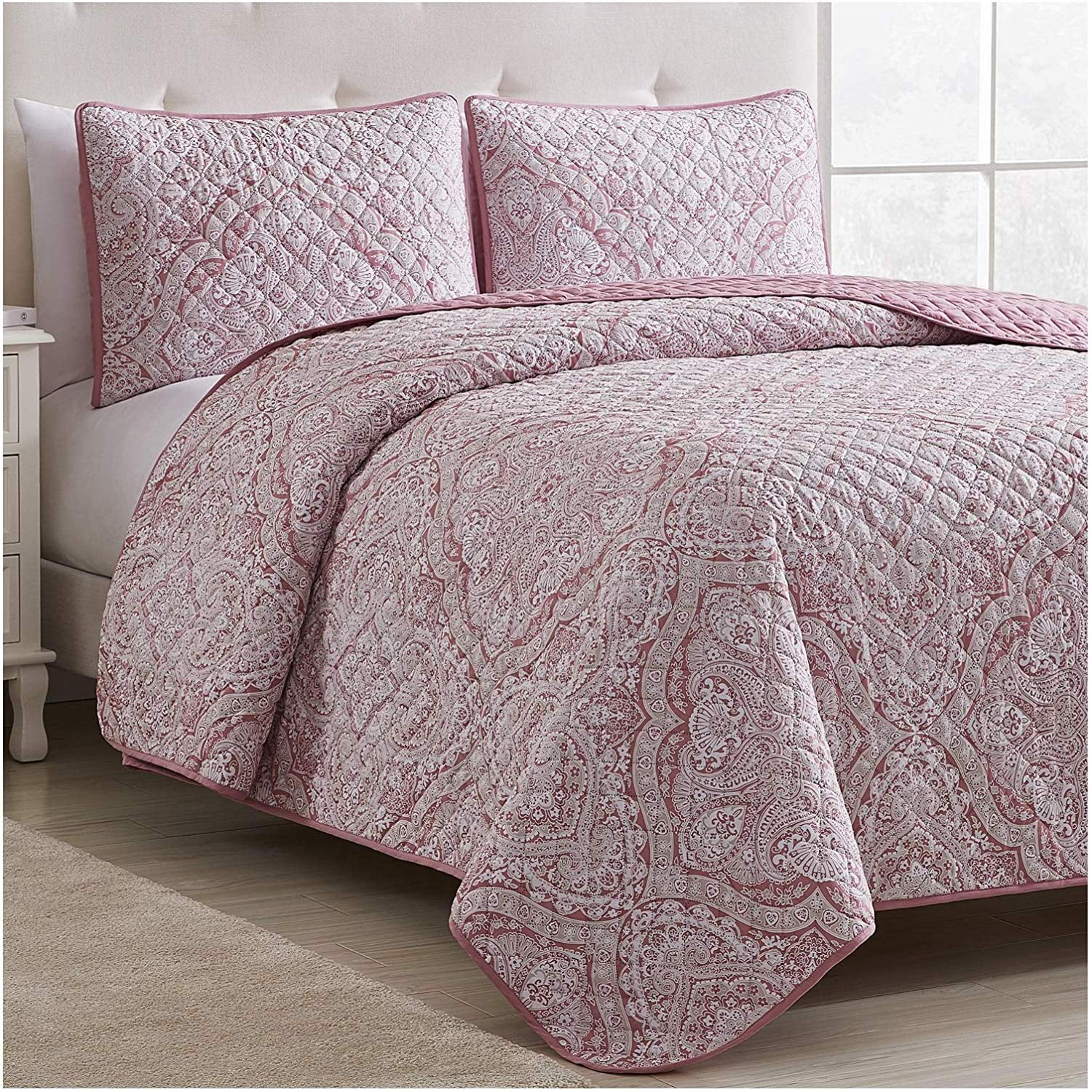
This distinct lack of heavy interior loft gives the coverlet its signature drape. When placed on a bed, it hugs the contours of the mattress and falls gracefully down the sides without creating the ballooning, unwieldy volume associated with standard comforters. The bed frame and its structural legs remain visible, keeping the visual weight of the furniture grounded and the overall room feeling airy and expansive. It is the sartorial equivalent of a bespoke, unlined blazer—tailored, lightweight, and engineered for effortless sophistication.
The textile engineering behind quality coverlets often involves specialized weaving techniques, most notably matelassé. Originating in France, matelassé is a complex double-cloth weaving method performed on specialized jacquard looms. It creates a raised, puckered pattern that mimics the look of hand-stitched quilting without the addition of any internal batting. This technique relies entirely on tension differentials in the warp and weft threads during the weaving process, resulting in a fabric that possesses inherent stretch, remarkable durability, and a rich, tactile dimension that feels extraordinary against the skin.
Beyond matelassé, coverlets frequently appear in lightweight cotton waffle weaves, laundered linen blends, and tight percale structures. These materials are chosen specifically for their breathability and moisture-wicking properties. In a climate-controlled modern home, maintaining a neutral microclimate around the body prevents the nocturnal waking cycles caused by overheating. Because a coverlet lacks dense insulation, it allows excess body heat to dissipate naturally while still providing just enough physical weight to offer a comforting, grounding sensation.
The Structural Hierarchy: Distinguishing Coverlets from Quilts, Comforters, and Bedspreads
The terminology of the linen closet is notoriously slippery, leading many consumers to purchase incorrect items out of sheer confusion. To build a truly professional sleep environment, one must draw clear distinctions between the coverlet and its bed linen relatives. Each piece serves a specific mechanical and aesthetic function within the hierarchy of bed making.
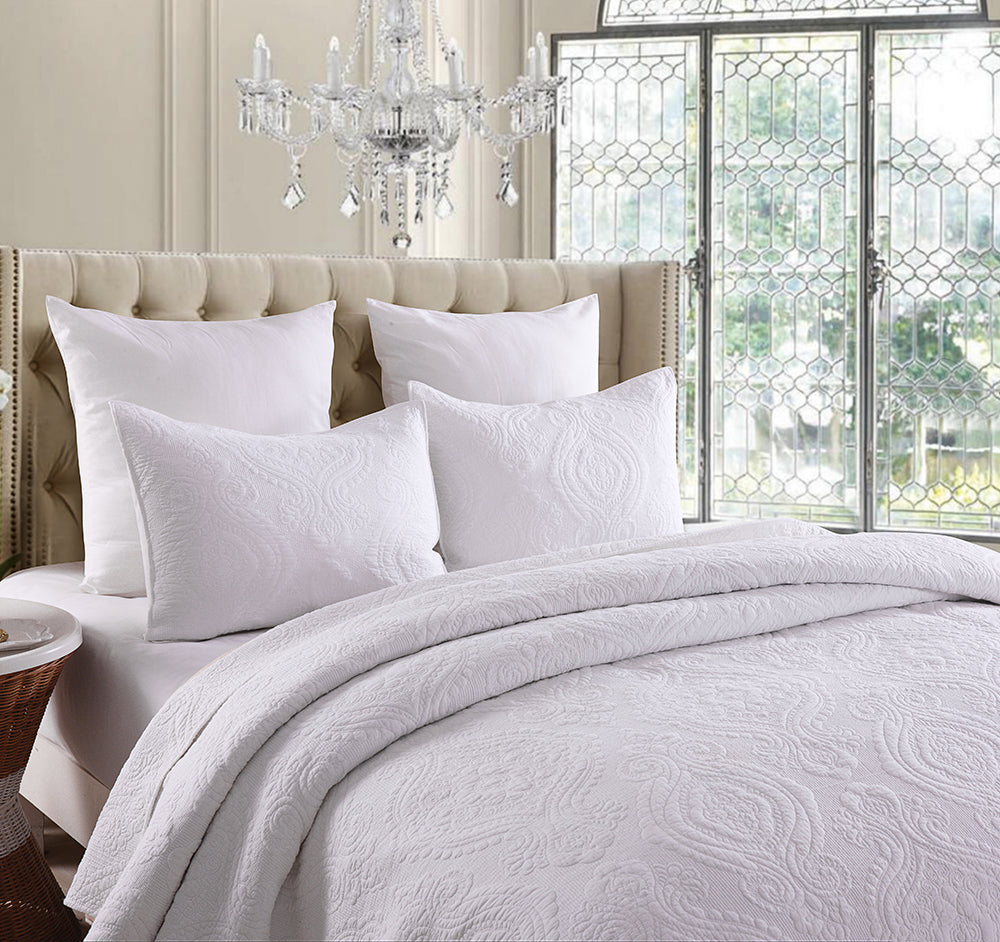
A comforter is designed as an all-in-one, heavy-duty thermal solution. Stuffed with synthetic down alternatives or natural down clusters and stitched through to keep the fill distributed, a comforter is meant to be the absolute top layer of warmth. It is bulky, traps heat aggressively, and typically drapes down to cover the entire box spring and frame, often hiding the architectural integrity of the bed entirely.
A duvet shares similar thermal properties to a comforter but operates as a modular system consisting of a removable, washable cover and a heavy interior insert. While duvets provide exceptional warmth for winter, they are notoriously frustrating to assemble and can feel suffocating during transitional seasons. Furthermore, their immense volume makes them difficult to style casually at the foot of the bed without overwhelming the space.
Quilts sit closer to coverlets in terms of weight but differ fundamentally in construction. A traditional quilt consists of three distinct layers: a decorative top, an insulating middle batting (such as cotton, wool, or polyester), and a woven backing, all held together by intricate quilting stitches. While quilts are lightweight, they possess more loft and rigidity than coverlets. They lean toward a rustic, heritage aesthetic, whereas coverlets project a cleaner, more tailored, and contemporary profile.
Bedspreads represent an entirely different scaling paradigm. Historically designed to cover the entire bed from the mattress top all the way down to the floor—often pooling slightly around the bedposts—bedspreads are meant to function as the sole, unified top layer of the bed. Coverlets, by contrast, are intentionally smaller. They cover the top surface of the mattress and drop just past the side rails, deliberately leaving the bed frame and lower sheets exposed. This specific sizing makes the coverlet the ultimate team player in multi-layer bed styling.
The Art of Bed Layering: Balancing Aesthetics and Thermal Regulation
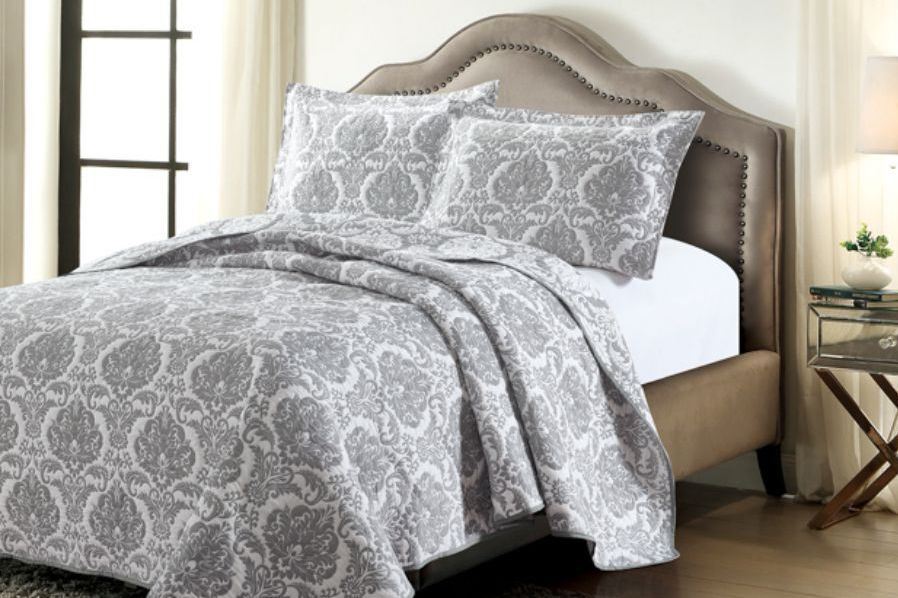
Mastering the coverlet requires a shift in philosophy: viewing the bed not as a single uniform unit, but as a modular, adaptable ecosystem of textiles. Interior designers approach bed styling much like a landscape architect approaches a garden, building depth through contrasting textures, weights, and visible layers that can be added or stripped away as environmental conditions change.
During the warmer months of late spring and summer, the coverlet steps out from its supporting role to become the star of the show. Stripping away heavy duvets and thermal blankets, a high-quality cotton or linen coverlet serves as the standalone top layer directly over a breathable percale or sateen flat sheet. It provides just enough physical enclosure to offer psychological comfort and block drafts from air conditioning units without trapping ambient body heat. The result is an undisturbed, cool night of sleep.
As temperatures plummet in autumn and winter, the coverlet transitions from a standalone shield to a vital transitional bridge. In this configuration, a plush duvet or quilt provides the primary thermal insulation at the bottom or middle of the bed, while the coverlet is folded neatly across the lower third or half of the mattress. This placement is far from accidental; it serves two distinct functions. Aesthetically, it introduces a secondary textile, colorway, or tactile pattern—such as a matelassé diamond weave against a smooth sateen duvet—breaking up monotony and adding visual luxury. Practically, it acts as an easily accessible knee-and-foot warmer that can be pulled up instantly during the night without disturbing the main duvet arrangement.
Furthermore, integrating a coverlet allows sleepers to customize their microclimate dynamically. Couples frequently experience divergent thermal preferences; one partner might sleep hot while the other runs cold. By utilizing flat sheets, a lightweight coverlet, an optional middle blanket, and a duvet, individuals can pull up or push down specific layers independently. The coverlet acts as the middle gear in this thermal transmission, bridging the gap between sheer sheet-only sleeping and heavy winter insulation.
Step-by-Step Implementation: Sizing, Selecting, and Styling Your Coverlet
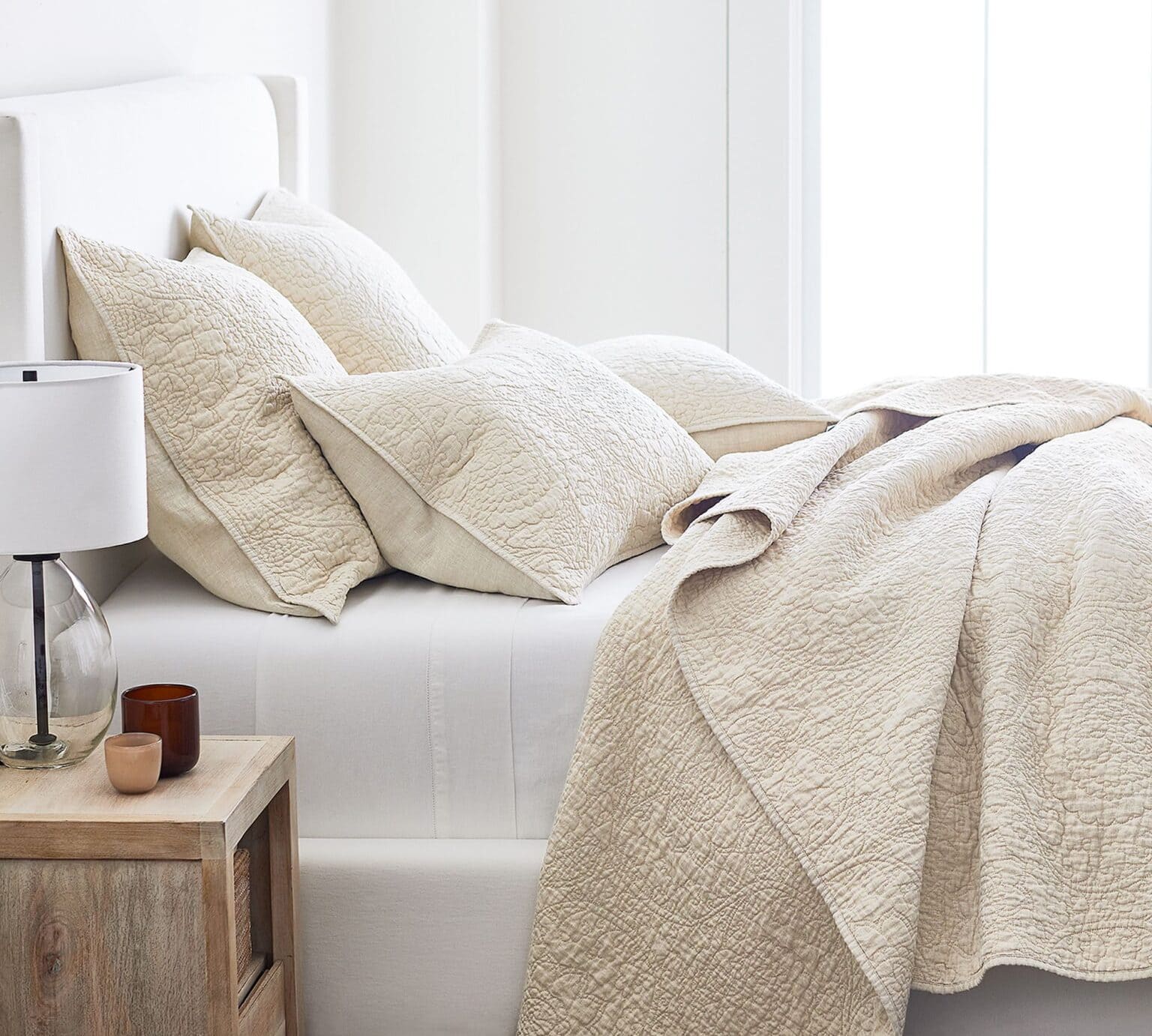
Integrating a coverlet into your primary bedroom requires a methodical approach to sizing, material selection, and physical arrangement. Rushing into a purchase without measuring mattress depth or considering existing color palettes often leads to an awkward fit that disrupts the room's visual harmony.
Common Pitfalls and Field-Tested Workarounds for Long-Term Maintenance
Even experienced home stylists occasionally encounter missteps when working with high-end coverlets. Because these textiles often feature complex weaves like matelassé or delicate garment-washed linen, improper handling during laundering or sizing miscalculations can permanently ruin their structural integrity and aesthetic appeal.
Holistic Perspectives: The Sustainable Economics of Quality Bedding
In an era dominated by fast-fashion homeware and disposable synthetic textiles designed for quick turnover, investing in a high-grade coverlet represents a quiet rebellion toward intentional consumption. When evaluated through the lens of long-term economic value and ecological impact, the philosophy of bedding curation shifts dramatically.
Related Posts
Bedroom furniture ideas that make small spaces feel calmer and more useful
Understanding joinery and materials before you commit to a floating design

Navigating Regional Styles From Provence to Paris When Designing Your French Bedroom

Building a Peaceful Bedroom Environment Through Better Furniture Planning Methods
Navigating the Difference Between Flush Stitched Edges and Standard Pillow Tops
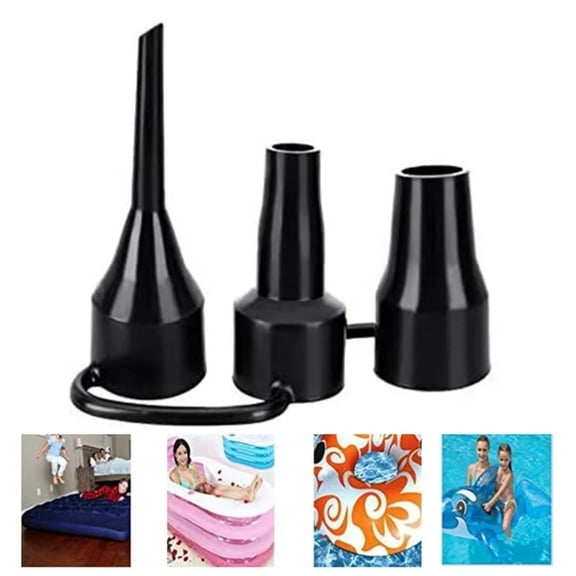
Understanding Air Valve Types to Prevent Leaks During Setup
Synthetic comforters filled with virgin polyester batting carry a heavy hidden footprint. Not only do they shed microplastics into municipal water systems with every wash cycle, but their thermal performance degrades rapidly within two to three years, forcing frequent replacements that end up in municipal landfills. Conversely, a masterfully woven matelassé coverlet crafted from long-staple organic cotton or European flax linen represents a generational asset. These natural fibers actually improve with age, growing softer, more supple, and more inviting with every laundering cycle while maintaining their structural integrity for decades.
This durability reframes the cost-per-use economic model. While an artisanal woven coverlet requires a higher upfront financial commitment than a mass-market synthetic set, its lifespan easily eclipses five to ten disposable alternatives. Furthermore, because a coverlet functions across all four seasons—acting as a standalone sheet layer in July and a decorative foot-blanket in January—it eliminates the need to purchase separate seasonal guest-room quilts and heavy winter spreads.
The psychological dividend of a well-curated sleep environment should never be underestimated. The bedroom functions as the primary sanctuary of restoration in a hyper-stimulated world. Stepping into a room where textiles are chosen for their tactile honesty, breathability, and visual calm signals to the nervous system that it is time to transition from high alertness to deep, restorative rest. The crisp weight of a properly draped coverlet over a made bed provides a subconscious sense of order and tranquility that echoes long after morning light fills the room.
Actionable Recommendations and Key Takeaways
Synthesizing the principles of professional bedding architecture boils down to a few immutable rules that bridge the gap between interior design theory and everyday domestic reality. To maximize the utility, longevity, and aesthetic impact of your sleep space, keep the following framework at the forefront of your decision-making process:
The modern bedroom is no longer a static showroom display governed by rigid seasonal rules; it is a dynamic, highly personal sanctuary designed to adapt to the rhythms of human rest and environmental change. The coverlet, long misunderstood as an archaic relic of formal hospitality, has reclaimed its rightful place at the cutting edge of interior styling precisely because of its unmatched versatility.
By understanding the mechanical differences between weaves, mastering the physics of bed layering, and treating natural textiles with the care they deserve, you elevate the humble act of making a bed into an everyday ritual of self-care. The subtle weight of a matelassé weave resting across your feet is not merely a design choice—it is a tactile anchor that grounds your space, regulates your sleep, and transforms your bedroom into an enduring haven of calm.
