Picture the scene. You spent months curating your dream bedroom—the crisp linen duvet, the solid oak bed frame, the warm ambient lighting casting long shadows across the walls. Yet, the moment you step out of bed on a freezing Tuesday morning, your bare feet hit a shock of raw, unyielding hardwood. Something feels visually off, too. The room lacks that magazine-spread cohesion, feeling disjointed rather than grounded. Nine times out of ten, the culprit isn't your paint color or your throw pillows. It is your area rug, or more precisely, the fact that it is floating awkwardly in the middle of the room like a postage stamp.
Choosing a textile anchor for a sleeping space sounds simple on paper, but walk into any residential interior designer’s portfolio, and you will find that bedroom sizing errors are among the most common domestic missteps. A standard queen-size mattress measures precisely 60 inches wide by 80 inches long. Factor in the wooden frame, the headboard, and the necessary clearance for side tables, and the geometry changes entirely. Get the dimensions wrong, and your bedroom will instantly feel cramped, visually chopped up, or strangely unbalanced.
Getting this right requires looking past generic decorating rules and examining the actual spatial mechanics of a bedroom. We need to evaluate traffic flow, furniture footprints, wood flooring exposure, and human ergonomics. Whether you are working with a sprawling master suite or a compact urban apartment bedroom, this comprehensive analysis breaks down every variable you must consider before laying down a single square foot of woven fiber.
Decoding Bedroom Geometry and Mattress Dimensions

A queen bed commands a specific footprint in any room. The mattress itself occupies 33.3 square feet, but when you add a typical bed frame, that footprint expands to roughly 66 inches by 86 inches, sometimes more if you have a bulky upholstered headboard or a sleigh bed design. When you introduce an area rug into this equation, you are essentially establishing a secondary horizon line on your floor. If that line cuts through the wrong part of the bed, the human eye immediately registers visual friction.
Consider the scale of the room itself. A standard suburban bedroom often measures around 12 by 12 feet, while older homes or urban apartments might shrink that down to 10 by 10 feet. In these spaces, every inch of flooring dictates whether the room feels breathable or claustrophobic. If you place a rug that is too small under a queen bed, it creates the optical illusion of a floating raft, making the bed look disproportionately massive. Conversely, a rug that swallows the entire room can make furniture placement feel awkward and trap dust in fibers that are impossible to vacuum around nightstands and heavy dressers.
Understanding the interaction between textile borders and room perimeters is the first step toward professional-grade styling. Designers rely on the principle of negative space—leaving a consistent frame of bare wood or tile around the perimeter of the rug. In a standard bedroom, leaving roughly 18 to 24 inches of exposed floor between the rug edge and the baseboards creates a balanced, tailored frame. If your room is particularly small, scaling that down to 12 inches is acceptable, but letting the rug run flush against the baseboards transforms it into wall-to-wall carpet, which alters the acoustic and aesthetic profile of the space entirely.
Comparing the Three Definitive Sizing Options for Queen Beds
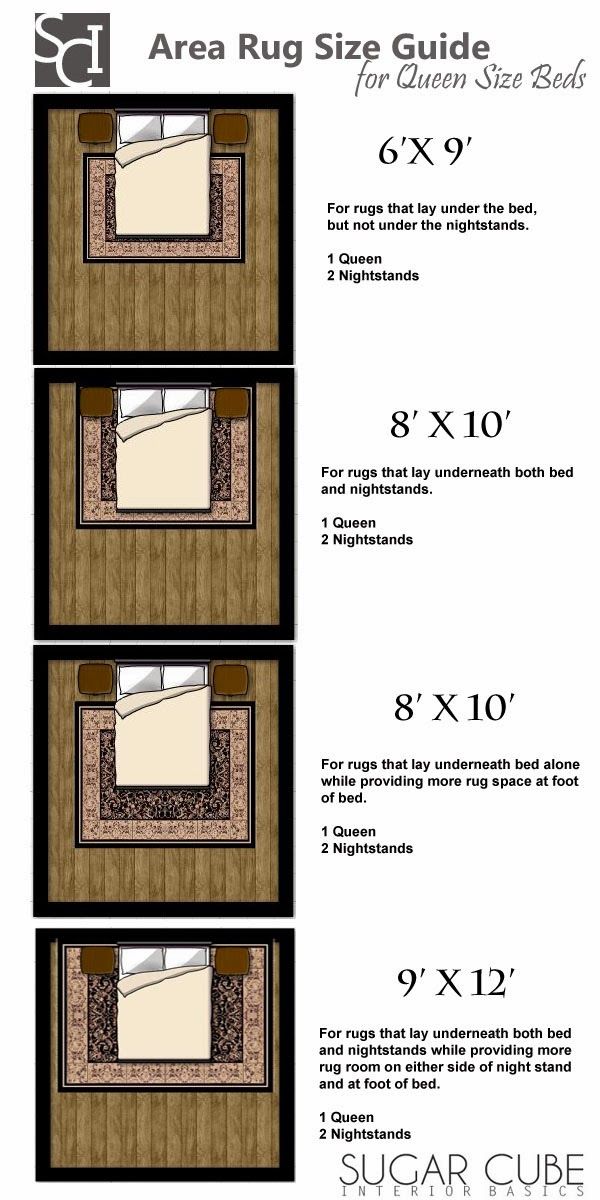
When shopping for a queen bed setup, you will generally encounter three primary rug dimensions: the 5x7, the 6x9, and the 8x10 (with occasional ventures into grand 9x12 territory for cavernous rooms). Each size dictates an entirely different layout, and choosing the wrong one will permanently restrict how you position your bedroom furniture.
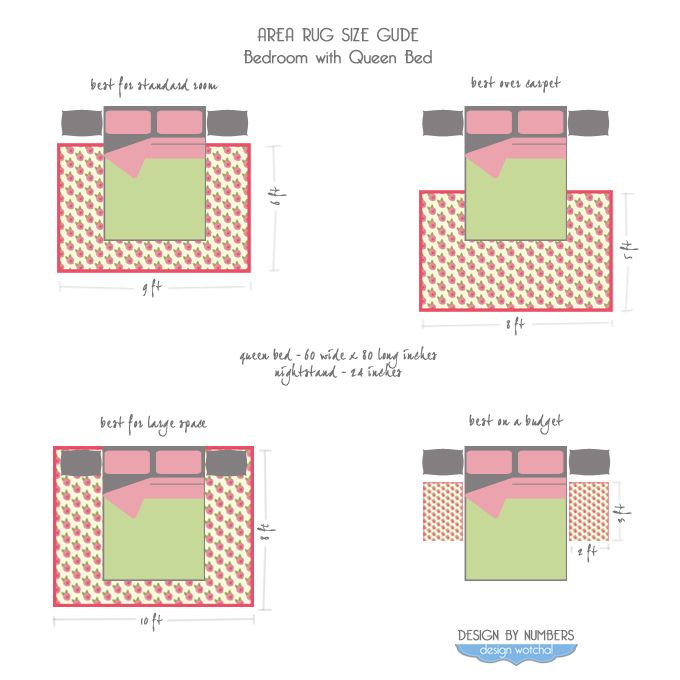
The 5x7 rug is the most frequent source of heartbreak for homeowners. While budget-friendly and easy to move, a 5x7 rug is fundamentally too small to sit under the entire width of a queen bed. If you place it horizontally under the bed, it will barely span the width of the mattress, leaving your nightstands completely off the rug and creating a jarring visual break right around your knees when you sit up. The only acceptable execution for a 5x7 under a queen bed is positioning it two-thirds of the way down the bed frame, exposing the top half of the bed and letting the lower portion anchor the footboard.
Stepping up to a 6x9 rug opens slightly better possibilities, though it still demands careful calculation. A 6x9 can accommodate the bottom two-thirds of a queen bed nicely, allowing sleepers to step onto soft fibers when getting out of bed from the sides or foot. However, it still rarely extends far enough to sit comfortably beneath standard nightstands. If you have narrow bedside tables that can sit entirely on the rug, a 6x9 can work in a smaller room, but it requires precise centering to avoid looking accidental.
The gold standard for a queen bed is the 8x10 area rug. This dimension changes the entire dynamic of the room. An 8x10 rug is wide enough (8 feet or 96 inches) to extend past a 60-inch queen mattress with a full 18 inches of clearance on both sides. This extra width means your nightstands can sit either completely on the rug or have their front legs anchored, creating a unified, luxurious foundation. In terms of length, an 8x10 spans 10 feet (120 inches), allowing the rug to start well ahead of your headboard and extend past the foot of the bed, ensuring your morning footsteps land on plush texture rather than cold flooring.
Step-by-Step Methodology for Selecting and Placing Your Rug
Executing a flawless bedroom rug installation requires a methodical approach that accounts for furniture placement, door swings, and architectural quirks like heating vents or baseboard heaters. Follow this field-tested framework to get it right on the first try.
Navigating Common Sizing Pitfalls and Practical Workarounds
Even experienced home decorators stumble into predictable traps when sizing bedroom textiles. Recognizing these missteps beforehand saves you the headache of returns, restocking fees, and awkward room layouts.
The Broader Aesthetic and Ergonomic Impact of Bedroom Textiles
Beyond simple measurements, an area rug fundamentally alters the acoustic and thermal properties of your sleeping quarters. Bedrooms are sanctuaries designed for rest and sensory decompression. Hardwood, laminate, and tile flooring reflect sound waves, creating an echoey, sterile environment that can subtly disrupt deep sleep cycles. Introducing a densely woven wool or synthetic area rug absorbs ambient noise, muffling footsteps, street sounds, and morning rustling.
From a thermal standpoint, bare flooring drops in temperature significantly during colder months. The psychological and physical comfort of stepping out of a warm queen bed onto a plush, insulating textile surface cannot be overstated. It shifts the room's energy from austere to inviting. Furthermore, interior designers use rugs to anchor color palettes. If your bedroom features neutral walls and bedding, a patterned or textured rug introduces the primary accent color without overwhelming the visual field, tying together artwork, drapery, and upholstery in a single gesture.
As manufacturing techniques evolve, consumers also enjoy unprecedented access to sustainable and eco-friendly materials. Natural fibers like organic jute, sisal, and un-bleached New Zealand wool dominate contemporary design trends, offering biodegradable durability that outlasts synthetic alternatives. Choosing high-quality natural textiles not only elevates the tactile experience of your home but also ensures your indoor air quality remains free from off-gassing plastics, supporting healthier rest night after night.
Related Posts
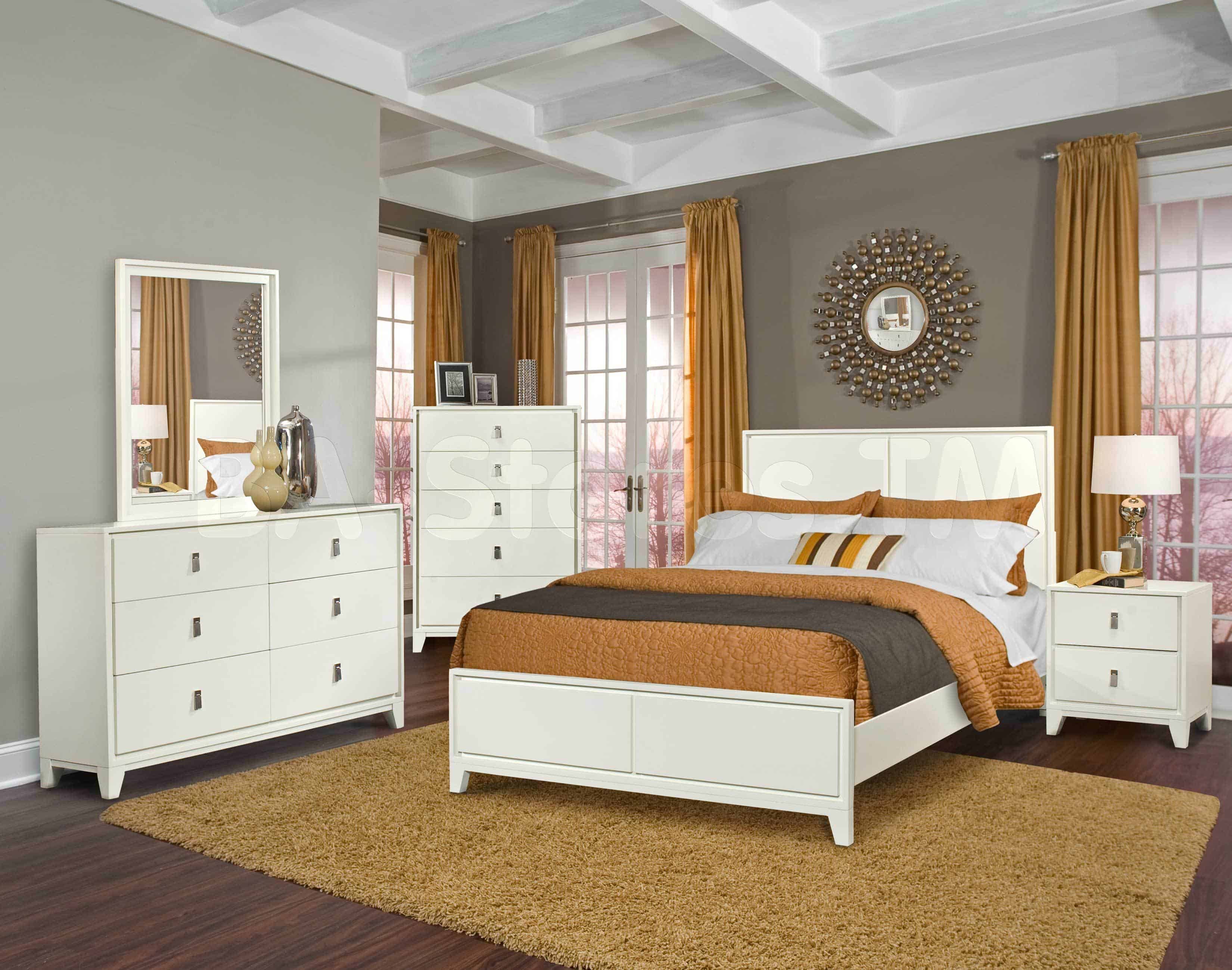
Bedroom furniture ideas that make small spaces feel calmer and more useful
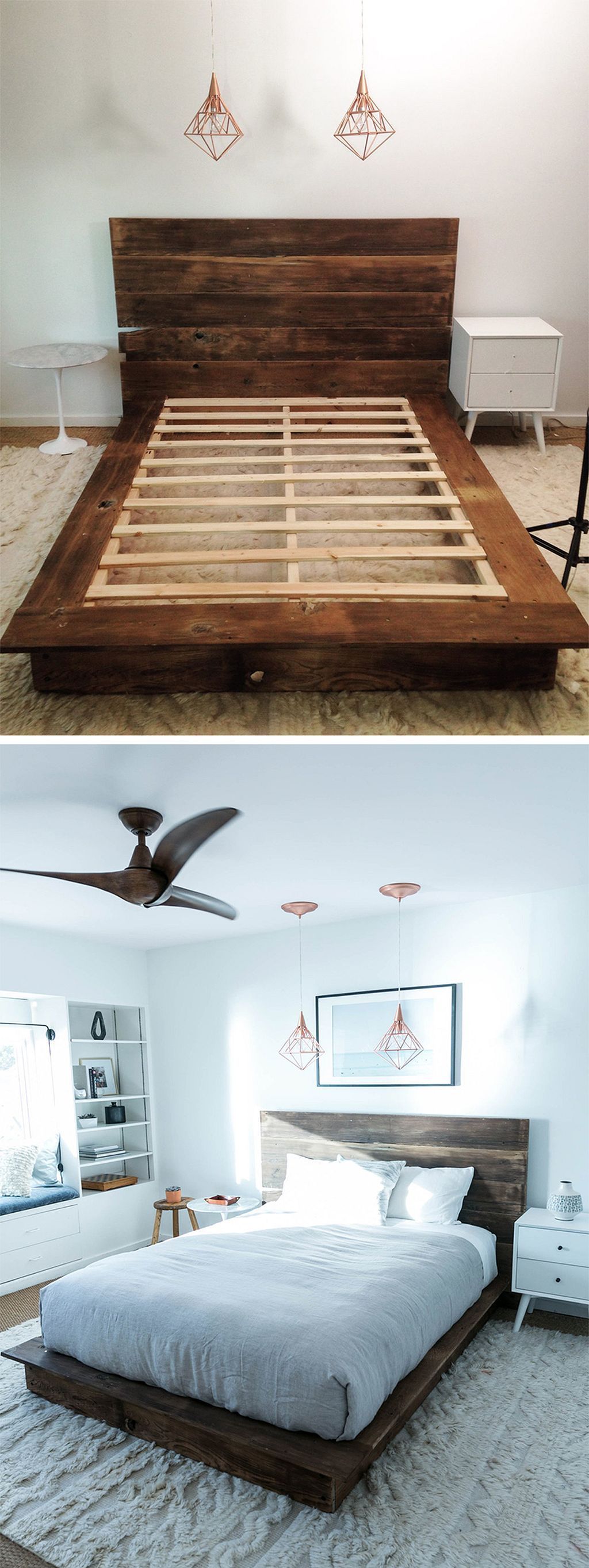
Understanding joinery and materials before you commit to a floating design

Navigating Regional Styles From Provence to Paris When Designing Your French Bedroom

Building a Peaceful Bedroom Environment Through Better Furniture Planning Methods
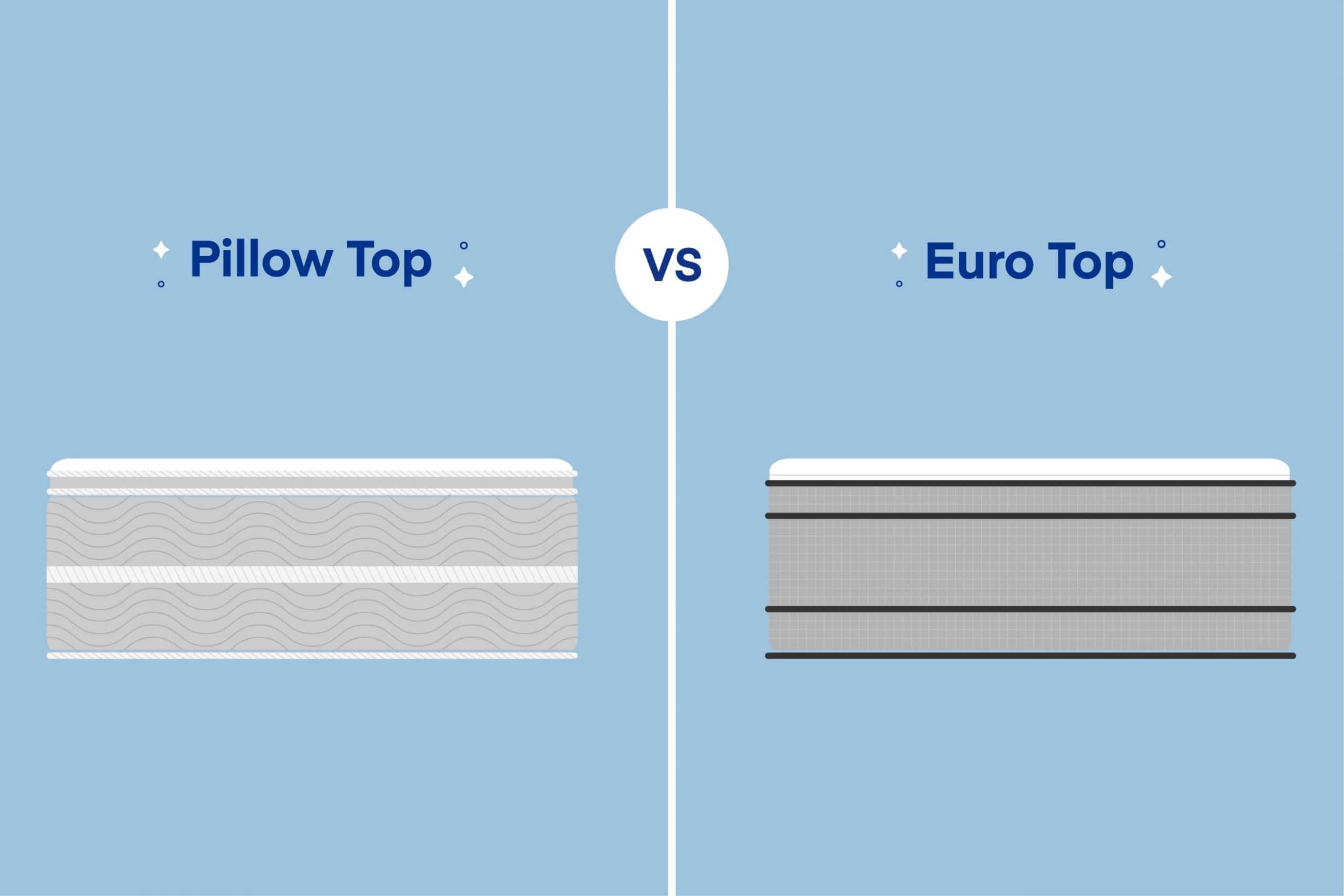
Navigating the Difference Between Flush Stitched Edges and Standard Pillow Tops
Understanding Air Valve Types to Prevent Leaks During Setup
Actionable Recommendations for Every Bedroom Layout
To ensure your investment pays off, distill your decision-making process down to a few hard-and-fast rules tailored to your specific room constraints.
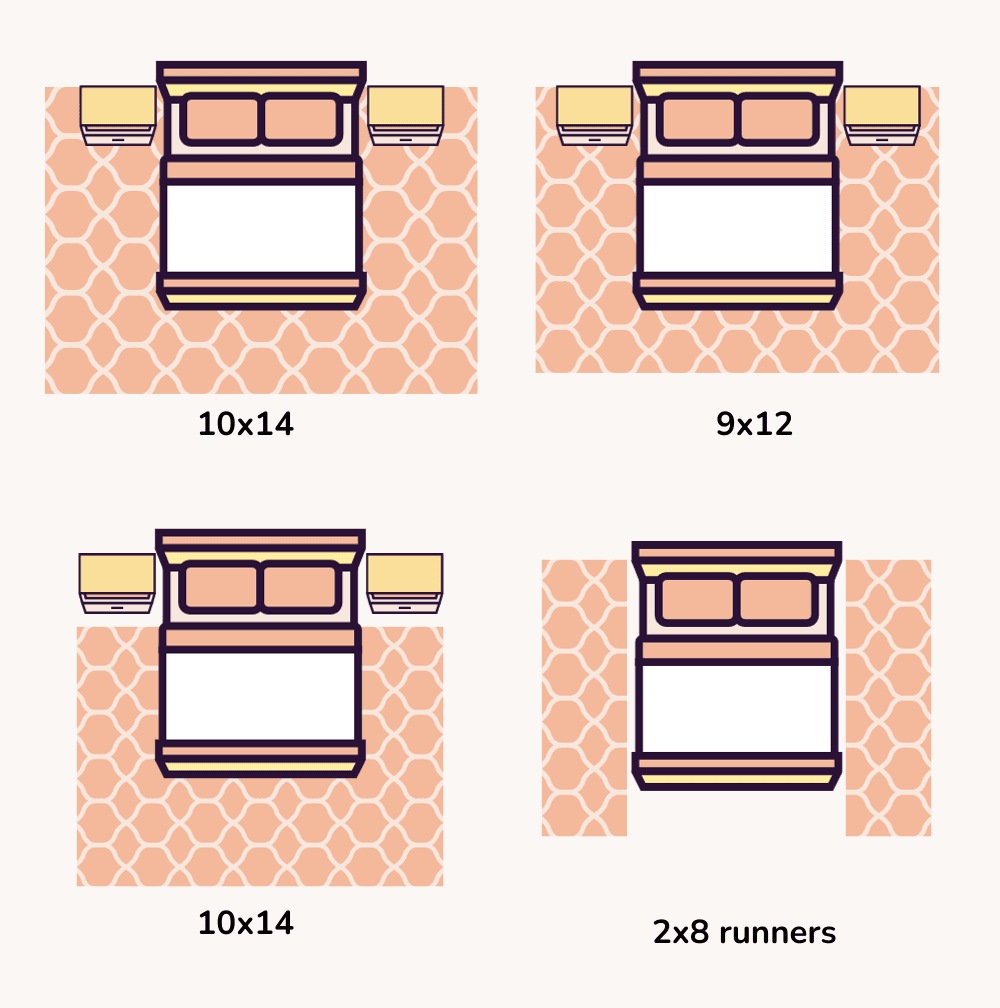
First, if your bedroom is generous in size (12x14 feet or larger), default immediately to an 8x10 or 9x12 rug. Position the rug horizontally under the queen bed, ensuring it extends past the nightstands and leaves a comfortable 12 to 18 inches of exposed flooring around the room's perimeter. This creates a grounded, high-end hotel suite aesthetic.
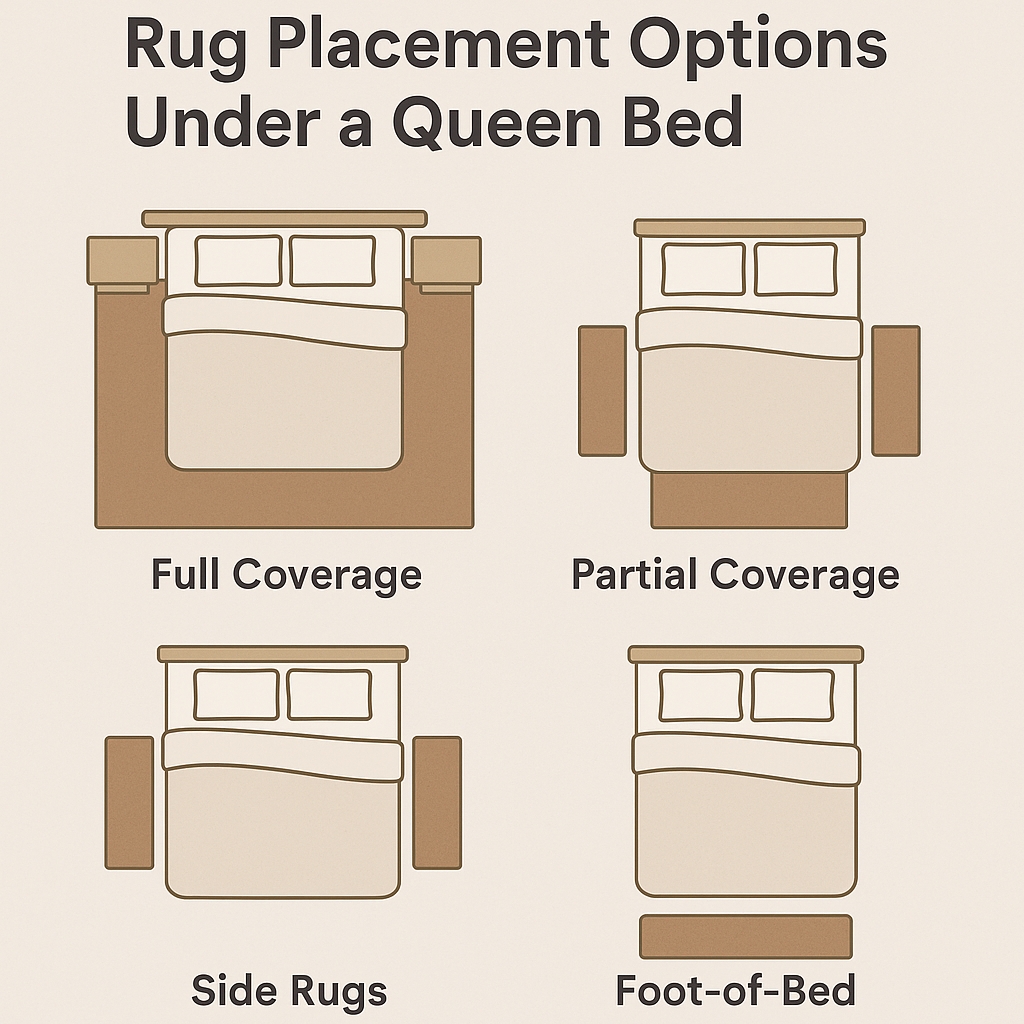
Second, if you are operating within a compact urban bedroom where floor space is strictly limited, do not force an oversized rug. Instead, consider using two smaller runners—one on each side of the bed and one at the foot. This alternative approach gives you the cozy barefoot experience you want without requiring a massive footprint or forcing you to rearrange heavy furniture to accommodate a full area rug.
Third, pay close attention to pile height relative to your bed frame clearance. Low-profile flat-weaves work exceptionally well in modern, minimalist spaces and make vacuuming effortless, while plush shag or hand-knotted wool brings unmatched luxury to traditional or transitional rooms. Always match your rug's pile to your lifestyle needs, prioritizing cleanability and durability in high-traffic zones.
Mastering the art of rug placement under a queen bed is less about adhering to rigid dogmas and more about understanding the silent geometry of a room. When scale, texture, and proportion align, a bedroom transforms from a collection of isolated furniture pieces into a cohesive, restorative sanctuary. You no longer walk into the space and notice the awkward gaps or mismatched borders; instead, you feel an immediate sense of visual calm and physical comfort.
Take the time to measure twice, tape out your dimensions, and evaluate your room's traffic flow before making your final purchase. By respecting the physical boundaries of your space and investing in the correct scale—most often that reliable 8x10 anchor—you elevate your bedroom's design integrity for years to come. Your morning routine will thank you, your bare feet will thank you, and your newly balanced space will finally look and feel complete.
