Picture this scene: It is midnight. You want to read with your headrest elevated at a comfortable 45-degree angle, while your partner prefers to lie completely flat in total darkness. As your side of the bed silently whirs upward, a familiar, frustrating battle begins. The fitted sheet on your mattress stretches to its absolute limit, groans under the mechanical strain, and suddenly—pop—the corner snaps off, whipping against the mattress underside. You spend the next ten minutes wrestling with fabric in the dark, muttering choice words while disturbing the entire sleeping arrangement.
If this scenario sounds painfully familiar, you are hardly alone. Upgrading to an adjustable bed frame is one of the best investments you can make for spinal alignment and overall sleep health. Yet, millions of sleepers encounter a stubborn mechanical hurdle: traditional bedding simply cannot survive the independent motion of a split configuration. Standard king sheets anchor both sides together, turning a mechanical marvel into a tug-of-war match where every movement tears the corners loose.
Solving this puzzle requires more than just buying a larger mattress cover; it demands an understanding of specialized textiles, precise dimensions, and mechanical engineering tailored for the bedroom. As adjustable bed popularity continues to surge, manufacturers have responded with specialized engineering, deep-pocket construction, and innovative strap systems designed to keep fabric anchored no matter how many times you change your sleeping position. This comprehensive manual breaks down everything you need to know about navigating the market, choosing the right materials, and keeping your sheets securely in place year after year.
The history of the modern bedroom has long been dictated by uniform sizing standards designed for static, flat box springs. For generations, couples slept on shared king or queen mattresses, silently compromising on firmness, sleep temperature, and physical positioning. The rise of customizable ergonomics changed everything. A split king setup—comprising two separate Twin XL mattresses pushed side-by-side on independent motorized bases—liberated couples from sleep compromises. One partner can elevate their legs to ease lower back pain while the other sleeps flat on their stomach.
However, this mechanical freedom exposed a glaring flaw in the textile industry. Standard king sheets span a continuous 76 by 80 inches, creating a tight physical bridge across two independently moving platforms. When you raise one side of a split king bed, the mattress shortens slightly as it arcs, pulling the fabric across the center seam and putting massive lateral tension on the outer corners. Standard fitted sheets, designed with shallow 10-to-12-inch pockets and weak perimeter elastic, lack the elasticity and physical independence required to absorb this movement.

To overcome this, the bedding industry developed the true split king sheet set configuration: two distinct Twin XL fitted sheets, one oversized King flat sheet, and two Twin XL pillowcases. This configuration allows each mattress to articulate freely up and down without tugging on its neighbor. But simply buying a set labeled "split king" does not guarantee a frustration-free night. Factors like mattress thickness, memory foam friction, fabric weave, and elastic grade play massive roles in determining whether your sheets stay anchored or bunch up beneath you.
Demystifying Split King Dimensions and Component Anatomy
Navigating the terminology of specialty bed sizes can feel like learning a foreign language, especially when manufacturers use overlapping terms for beds that look identical from the outside. A standard king mattress measures 76 inches wide by 80 inches long. A split king mattress occupies the exact same footprint on the floor—76 inches wide by 80 inches long—but is constructed from two independent Twin XL mattresses, each measuring 38 inches wide by 80 inches long. This distinction is critical because many shoppers mistakenly purchase standard king fitted sheets for a split king bed, resulting in immediate failure.
A proper split king sheet set includes three distinct components: two individual Twin XL fitted sheets, one unified king flat sheet, and two pillowcases. The Twin XL fitted sheets are the workhorses of the assembly. Each one must feature deep, gusseted corners designed to hug a single 38-by-80-inch platform independently. Because adjustable mattresses are frequently heavier and thicker than traditional innersprings—often packed with multi-layer foam cores, latex layers, and pillow tops—these fitted sheets require substantial pocket depths, typically ranging from 14 to 18 inches, to prevent corner slippage.
The flat sheet, conversely, remains a single piece meant to cover both sleepers. This design choice often sparks debate among couples who move their adjustable bases independently. When one partner sits upright, the shared flat sheet can restrict movement or pull tight over the person lying flat. To mitigate this, many sleep ergonomists recommend experimenting with two separate Twin XL flat sheets or adopting a European-style duvet setup where the top cover floats freely without being tucked under the mattress footboard. Understanding these component dynamics allows you to customize your bed making strategy to match your exact nightly habits.

Material selection is another critical baseline decision that impacts both comfort and mechanical performance. The friction coefficient of your mattress surface directly affects how easily a fitted sheet slips. High-density memory foam creates immense surface friction, which can help hold sheets in place, but it also generates heat. Conversely, smooth materials like silky bamboo rayon or high-thread-count sateen cotton slide easily over foam surfaces, making them more prone to popping off during articulation unless they feature heavy-duty elastic banding. Balancing tactile preference with mechanical realities ensures your bedding works with your bed frame rather than fighting against it.
Evaluating Fabric Performance, Weaves, and Temperature Regulation
When you spend a third of your life in bed, the fabric touching your skin dictates the quality of your rest. This reality becomes even more pronounced on adjustable beds, where enclosed foam layers often trap body heat, leading to night sweats and disrupted sleep cycles. Choosing the right textile for your split king setup requires looking beyond marketing buzzwords like "Egyptian cotton" or "microfiber luxury" to examine the actual fiber composition, weave density, and breathability ratings.
Long-staple cotton remains the gold standard for durability and crisp comfort. Varieties like Pima and Supima feature longer individual fibers, which allow for smoother, stronger yarns that resist pilling and softening breakdown over years of mechanical flexing. Percale weaves offer a cool, crisp, matte finish with high breathability, making them ideal for hot sleepers. Sateen weaves, by contrast, feature a four-over-one floating yarn structure that creates a silky drape and subtle sheen. While sateen feels luxuriously smooth, it tends to trap slightly more heat than percale.
Bamboo-derived rayon and viscose have exploded in popularity for adjustable beds due to their exceptional temperature-regulating properties and fluid drape. Bamboo fibers possess microscopic gaps that wick moisture away from the body up to three times faster than cotton, keeping you cool during warm summer nights. Furthermore, bamboo fabrics have a natural weight and elasticity that helps them hug the contours of articulating mattresses without sagging. However, lower-quality bamboo blends can stretch out permanently over time, losing their snug fit after a few months of active bed-adjusting.

Linen is another exceptional contender for adjustable bed owners who prize natural texture and supreme breathability. Flax-derived linen fibers are hollow, allowing air to circulate freely and moisture to evaporate instantly. Although linen feels stiff out of the package, it softens dramatically with every wash, developing a relaxed, lived-in aesthetic that masks minor wrinkles caused by bed articulation. Regardless of the material you choose, inspect the corner seams and elastic construction before purchasing. A beautiful fabric is useless if the corners cannot withstand the daily mechanical stress of a motorized bed frame.
The Definitive Method for Fitting and Securing Split King Sheets
Putting sheets on a split king adjustable bed requires a methodical approach entirely different from making a standard flat bed. Because the two mattresses sit side by side—often shifting slightly when articulated—sloppy sheet placement leads to constant corner failure. Follow this field-tested, step-by-step methodology to achieve a drum-tight, slip-resistant fit that survives heavy nightly articulation.
Common Pitfalls, Mechanical Hazards, and Proven Workarounds
Even with high-end split king sheet sets designed specifically for adjustable beds, certain environmental and mechanical factors can cause frustration. Recognizing these common pitfalls allows you to implement preventative solutions before your bedding fails in the middle of the night.

The Intersection of Ergonomic Engineering and Bedroom Longevity
Investing in an adjustable bed and specialized split king bedding represents a commitment to long-term physical wellness. Poor sleep posture exacerbates chronic lower back pain, restricts circulation, and increases tossing and turning throughout the night. By pairing an articulating base with bedding engineered to accommodate mechanical movement, you eliminate micro-interruptions caused by slipping sheets and bunched-up fabrics. This seamless integration allows your nervous system to transition directly into deep, restorative slow-wave and REM sleep phases.
Beyond immediate comfort, proper bedding maintenance significantly extends the lifespan of both your sheets and your expensive mattress investments. When fitted sheets are too tight or lack adequate pocket depth, the constant pulling friction wears away at delicate foam covers and abrades high-thread-count fabrics at the stress points. Conversely, utilizing correctly sized split king sheets with reinforced corner construction distributes mechanical tension evenly across the entire surface area. This thoughtful approach protects your investment, ensuring your bedroom remains an oasis of ergonomic support for years to come.
Furthermore, the evolution of mattress and bedding manufacturing reflects a broader shift toward personalized home ergonomics. No two bodies are identical, and forcing couples into uniform sleep environments is rapidly becoming an obsolete concept. As modular mattresses, customizable firmness zones, and smart adjustable bases become standard fixtures in modern homes, the bedding industry must continue innovating. Understanding these underlying mechanical principles empowers you to curate a sleep system tailored precisely to your physiological needs rather than settling for generic, one-size-fits-all compromises.
Strategic Buying Frameworks and Long-Term Maintenance Protocols

Related Posts
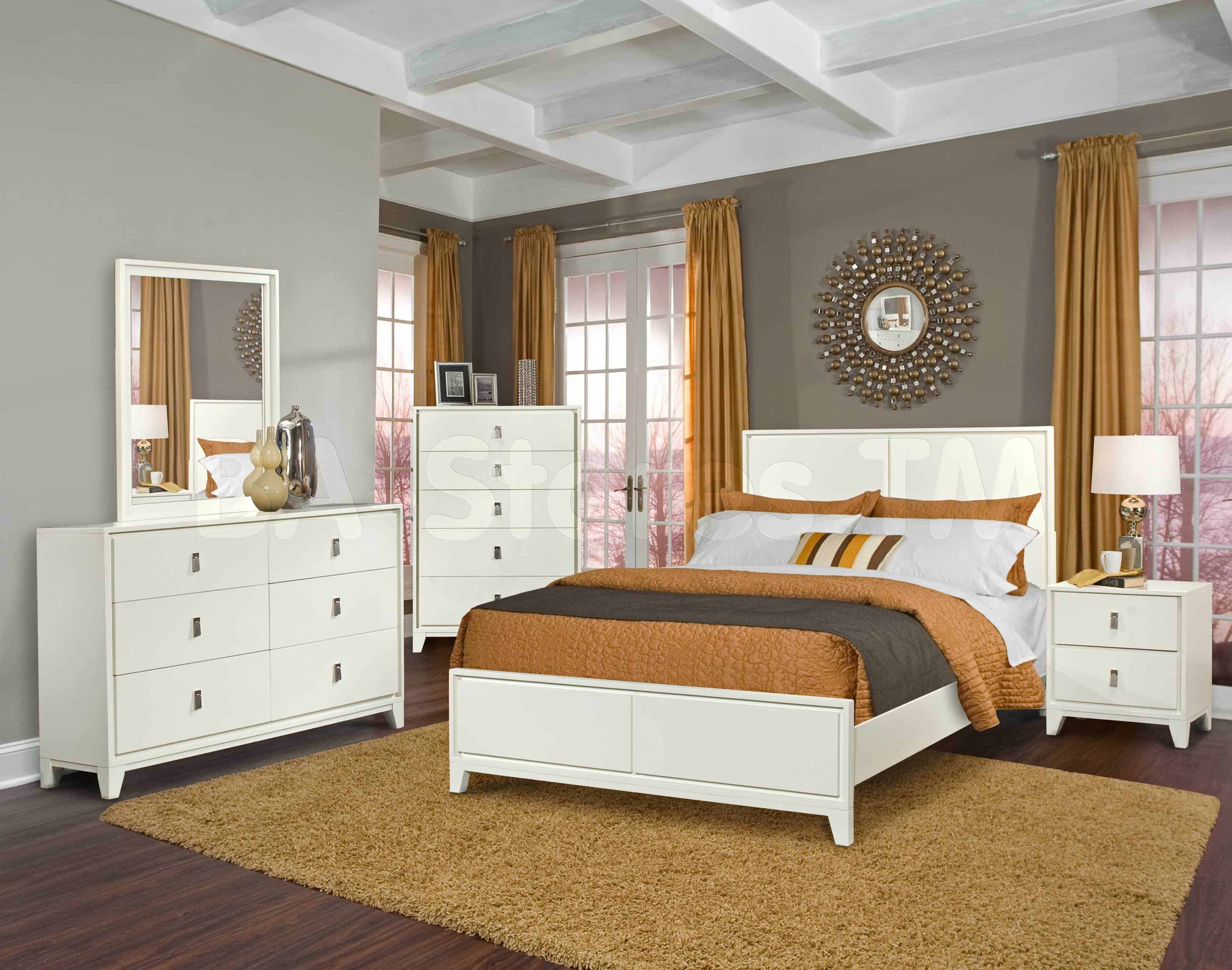
Bedroom furniture ideas that make small spaces feel calmer and more useful
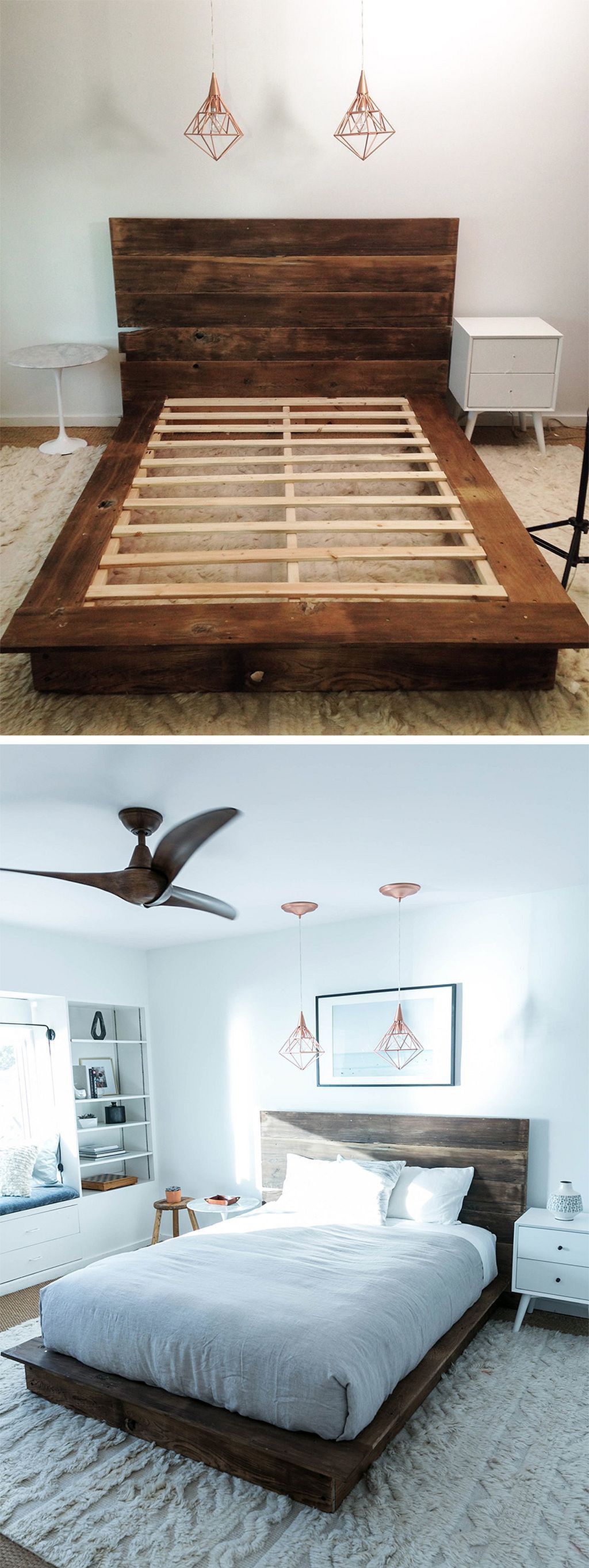
Understanding joinery and materials before you commit to a floating design

Navigating Regional Styles From Provence to Paris When Designing Your French Bedroom

Building a Peaceful Bedroom Environment Through Better Furniture Planning Methods
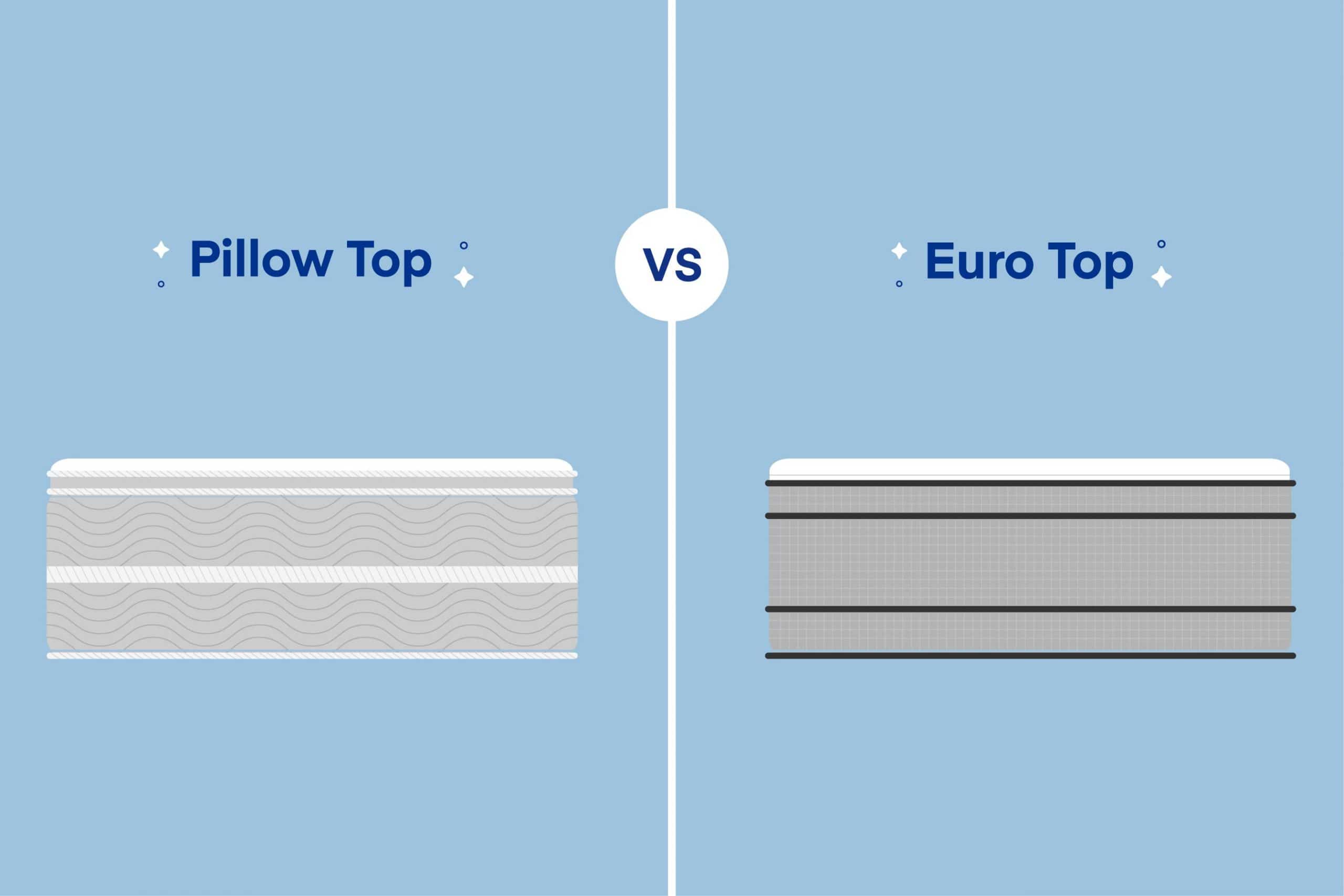
Navigating the Difference Between Flush Stitched Edges and Standard Pillow Tops
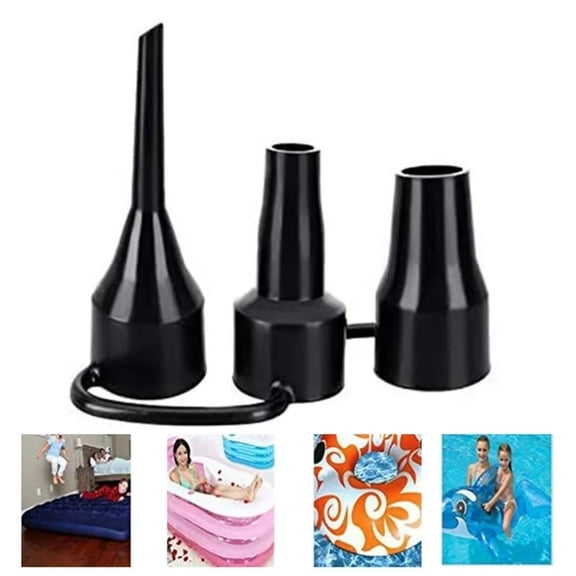
Understanding Air Valve Types to Prevent Leaks During Setup
To ensure your investment in split king bedding delivers maximum value, you need a structured framework for purchasing and maintaining your textiles. Not all premium-priced sheet sets justify their cost, and improper laundering techniques can ruin even the highest-quality Egyptian cotton or bamboo weaves within a few months. Implementing rigorous care protocols preserves fabric integrity, maintains elasticity, and ensures a crisp, hotel-quality feel every time you climb into bed.
When evaluating sheet sets on the market, look past superficial thread counts—which manufacturers often inflate artificially using multi-ply yarns—and focus on staple length, weave type, and elastic construction. Check customer reviews specifically for mentions of adjustable bed performance, noting whether users report corner slippage during articulation. Additionally, purchasing a secondary backup set allows you to rotate your linens weekly, reducing wear cycles and giving elastic fibers adequate time to recover their natural memory between washes.
Launder your split king sheets using mild liquid detergents without optical brighteners or harsh chemical solvents, which break down natural fibers and degrade elastic over time. Wash in cold or warm water on a gentle cycle, and avoid overloading your washing machine, which causes excessive twisting and pulls at corner seams. When drying, opt for low-heat settings or line drying whenever possible. Heat is the ultimate enemy of elastic; protecting your fitted sheet bands from thermal degradation guarantees months of reliable, stay-put performance on your adjustable bed.
Mastering the mechanics of split king sheets for adjustable beds transforms a nightly source of minor frustration into an effortless luxury. By understanding the critical differences in sizing, investing in deep-pocket construction, and adopting smart fitting and maintenance protocols, you eliminate the tug-of-war that plagues so many modern bedrooms. Your bed is your sanctuary—a space dedicated entirely to physical recovery and peaceful rest. Taking the time to outfit it correctly ensures that your adjustable base performs the job it was engineered to do, moving fluidly and silently while you drift off undisturbed.
As sleep technology continues to advance, the boundary between ergonomic engineering and home comfort will only grow tighter. Staying informed about material science, textile construction, and smart bedroom accessories empowers you to make choices that prioritize your health and well-being. Embrace the freedom of independent articulation, dial in your bedding setup with precision, and enjoy the profound difference that properly fitted, high-performance sheets bring to your nightly routine.