Standing in front of a bathroom vanity with a wrench in hand, staring down a tangle of supply lines, can quickly test anyone’s patience. You purchased the fixture for its dark, brooding warmth and historical weight, picturing how its deep copper-brown undertones would anchor a rustic farmhouse aesthetic or elevate a traditional powder room. But standing under the harsh glare of vanity lights, the reality of plumbing installations sets in. Will the deck plate cover those awkward pre-drilled holes? Will the finish hold up against daily toothpaste splatters and hard water?
The appeal of an oil-rubbed bronze bathroom sink faucet lies in its character. Unlike the stark, sterile sheen of polished chrome or the clinical gleam of brushed nickel, a true oil-rubbed bronze (ORB) fixture carries an organic personality. It is designed to look aged, weathered, and rich with history right out of the box. Yet, beneath that antique exterior lies a maze of manufacturing variations, valve core engineering, and maintenance requirements that can catch even seasoned DIYers off guard.
Navigating the world of decorative plumbing requires looking past glossy catalog photos and marketing buzzwords. Whether you are outfitting a high-traffic master bath or refreshing a guest powder room, understanding the nuances of brass bodies, ceramic disc valves, and living versus coated finishes makes the difference between a fixture that looks breathtaking for decades and one that flakes, fades, or drips within a year.
Decoding the Anatomy of Living and Coated Bronze Finishes

The terminology surrounding bronze fixtures often leads to confusion on showroom floors and retail websites. At its core, oil-rubbed bronze is categorized either as a "living finish" or a protected coated finish. A true living finish has no protective lacquer layer. Over time, physical contact with hands, water, and air causes the dark outer coating to wear away gradually, revealing the brighter copper or brass base metal underneath. This creates a personalized patina that tells a visual story of use, highly prized in traditional, historic, and rustic interior designs.
However, many modern homeowners prefer consistency over evolution. Manufacturers recognized this and began producing coated or sealed oil-rubbed bronze fixtures. These versions are treated with a clear protective topcoat that locks in the dark, chocolate-brown color and copper highlights, preventing any further physical aging. When shopping for an oil-rubbed bronze bathroom sink faucet, identifying which type you are buying dictates how you clean it down the road. Treating a living finish with harsh commercial scale-removers will strip away its character instantly, whereas a sealed finish requires gentle care to avoid micro-scratching the protective clear coat.
Beyond the surface treatment, the underlying material matters immensely for longevity. Cheap zinc alloy bodies can corrode from the inside out when exposed to aggressive mineral content in tap water. Premium faucets rely on solid forged brass construction. Brass resists rust, withstands high water pressure without warping, and provides the structural weight necessary to anchor heavy lever handles securely. Checking product specifications for "solid brass construction" ensures the fixture is built for the long haul.
Architectural Harmonization and Hole Configuration Realities

Before falling in love with a particular spigot curvature or cross-handle design, your countertop dictates your mechanical boundaries. Bathroom sinks generally come in three distinct configurations: single-hole, centerset (where the handles and spout are fused to a single 4-inch base plate), and widespread (where the hot handle, cold handle, and central spout operate as three independent pieces, typically spaced 8 to 16 inches apart). Forcing a widespread faucet onto a centerset vanity top is a classic DIY disaster that results in exposed mounting holes and massive headaches.
Matching your faucet style to the room’s broader design ecosystem requires a deliberate eye. Oil-rubbed bronze commands visual attention. It pops dramatically against white quartz countertops, subway tile, and beadboard paneling, creating high-contrast focal points. In transitional spaces, pairing the dark bronze fixture with matte black cabinet pulls or warm brushed brass accessories creates a layered, designer-curated atmosphere rather than a matchy-matchy catalog look.
Spout height and reach also dictate daily usability. A high-arc "gooseneck" spout looks architectural and provides ample clearance for washing hands or hair, but it can cause violent splashing if paired with a shallow sink basin. Conversely, a low-profile aerated spout keeps water contained within compact powder room sinks. Measuring the distance from the deck mount to the center of the drain hole ensures the water stream hits dead center in the basin rather than splashing directly onto the back of the ceramic wall.
Step-by-Step Installation Methodology for a Leak-Free Fit

Installing a new bathroom sink faucet is a manageable weekend project if approached methodically. Rushing the alignment steps or skipping thread-seal tape guarantees slow, cabinet-destroying leaks later.
Avoiding Common Pitfalls and Troubleshooting Field-Induced Errors
Even experienced renovators occasionally stumble when working with decorative bronze fixtures. Being aware of frequent missteps saves time, money, and structural damage to cabinetry.
The Long-Term Economics and Sustainability of Quality Plumbing

Investing in a high-end oil-rubbed bronze bathroom sink faucet alters the financial and environmental equation of home maintenance. Cheap, big-box store fixtures constructed from low-grade plastics and thin-plated pot metals often fail within three to five years, requiring messy replacements that end up in landfills. Premium solid-brass fixtures with interchangeable ceramic disc cartridges are inherently sustainable. When a washer wears out or a valve begins to weep after a decade of service, replacing a $15 internal cartridge restores the entire fixture to factory performance without discarding the exterior metal body.
Water conservation is another vital metric built into modern engineering. Faucets manufactured to strict regulatory standards utilize high-efficiency aerators that restrict flow rates down to 1.2 gallons per minute (GPM) or lower without sacrificing tactile water pressure. This reduction cuts hot water consumption, lowering municipal water bills and reducing the energy load on your home water heater over the lifespan of the fixture.
Furthermore, the aesthetic durability of a well-crafted bronze finish provides emotional longevity. Trends come and go—ultra-glossy gold and hyper-industrial matte black experience rapid surges and dips in popularity—but the earthy, timeworn warmth of oil-rubbed bronze remains a design staple. It bridges the gap between historical architecture and contemporary comfort, ensuring your bathroom design feels intentional and grounded year after year.
Actionable Best Practices for Seamless Upgrades and Daily Care

Related Posts

Bedroom furniture ideas that make small spaces feel calmer and more useful
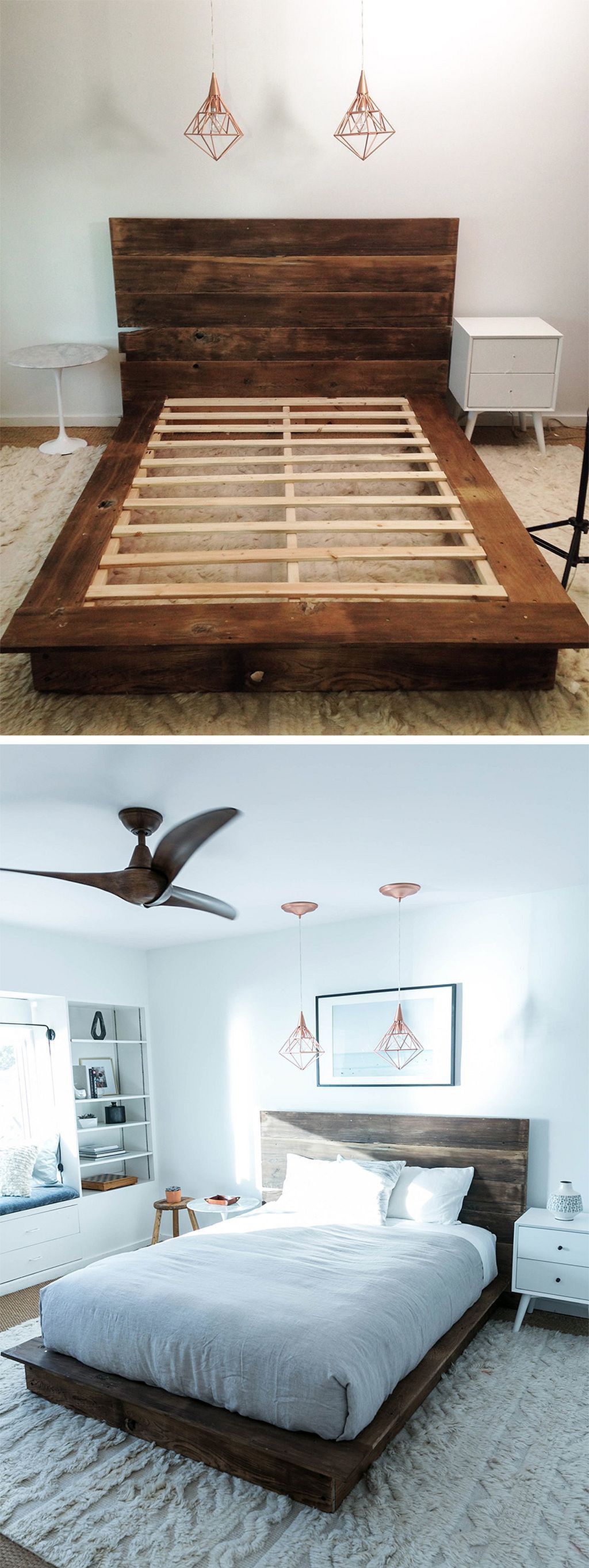
Understanding joinery and materials before you commit to a floating design

Navigating Regional Styles From Provence to Paris When Designing Your French Bedroom

Building a Peaceful Bedroom Environment Through Better Furniture Planning Methods
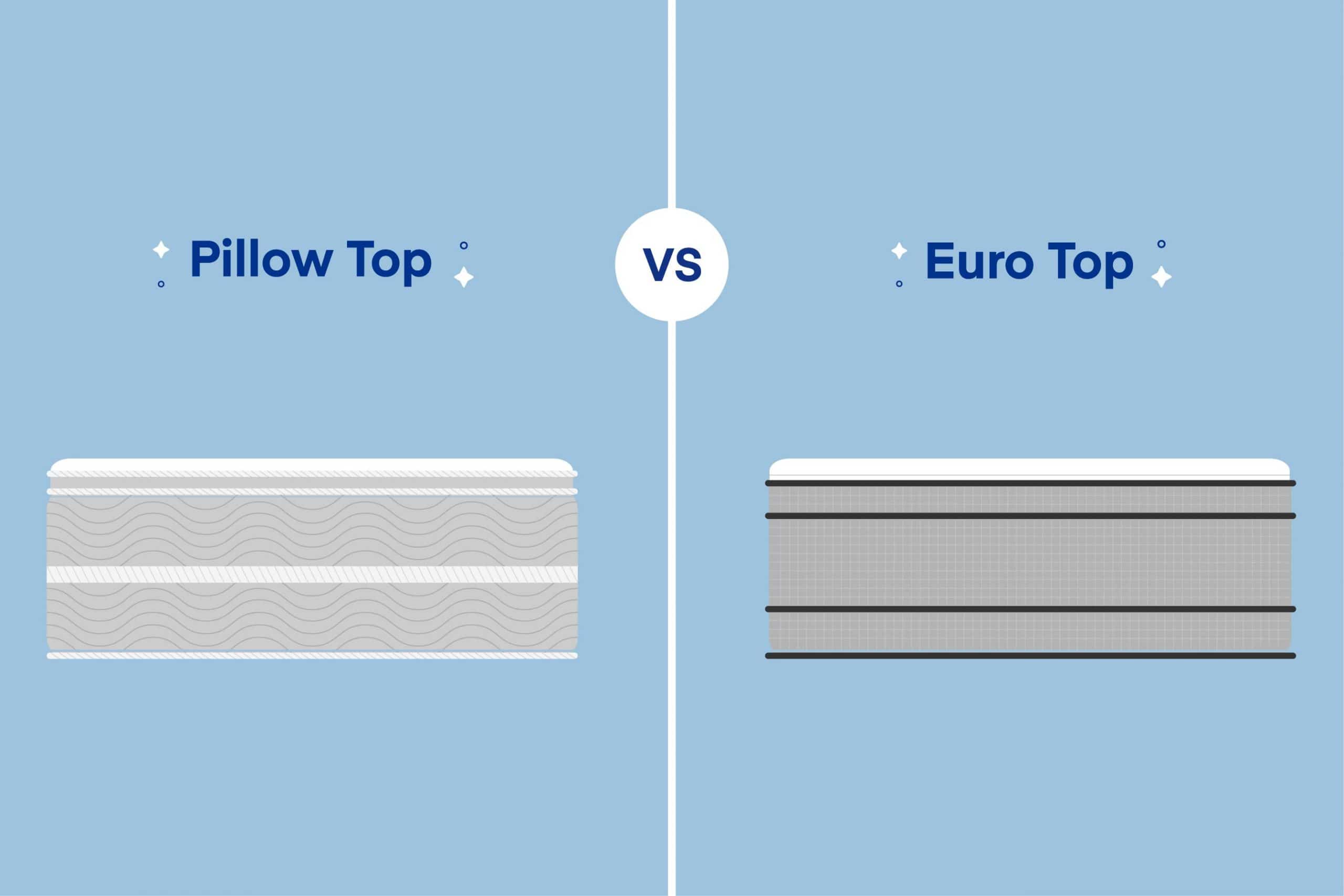
Navigating the Difference Between Flush Stitched Edges and Standard Pillow Tops
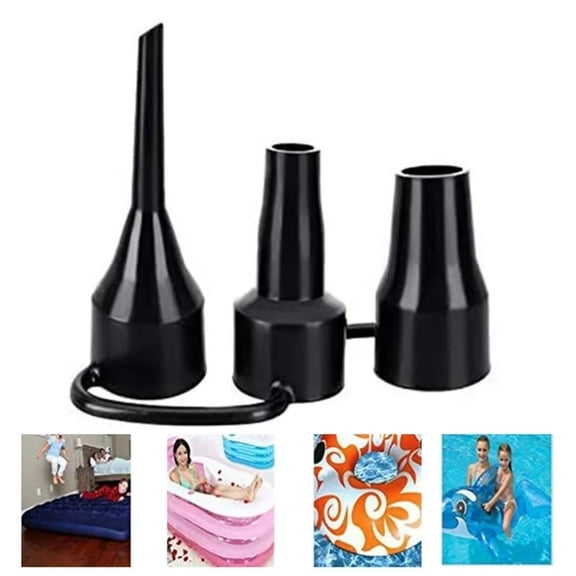
Understanding Air Valve Types to Prevent Leaks During Setup
Transitioning your bathroom hardware into a cohesive sanctuary requires a strategic checklist that goes beyond the sink itself. When upgrading to an oil-rubbed bronze faucet, ensure your surrounding hardware—cabinet knobs, drawer pulls, towel bars, mirror frames, and shower trim—shares a similar undertone. Because bronze finishes vary wildly between manufacturers (some lean heavily toward dark charcoal, while others showcase vibrant copper brushstrokes), sourcing matching items from the same brand family prevents awkward visual clashes.
Establishing a simple maintenance routine protects your investment. Hard water minerals pose the greatest threat to dark finishes, as evaporating droplets leave behind chalky white calcium rings.
Selecting and installing an oil-rubbed bronze bathroom sink faucet is more than a simple home improvement chore; it is an exercise in tactile design and mechanical precision. By respecting the structural requirements of your vanity, utilizing correct installation techniques, and committing to gentle, consistent maintenance, you turn a functional utility into a centerpiece of enduring beauty.
The warmth of aged bronze invites us to slow down in a fast-moving world, offering a tactile connection to historical craftsmanship every time we turn the handle. Armed with the right knowledge, your plumbing project transforms from a source of weekend anxiety into a profound upgrade that rewards your home for years to come.
