The alarm rings at 6:30 AM, but your lower back has been sending distress signals since 3:00 AM. You roll over, disturbing your partner, only to sink into a sloping valley where the mattress gave up its structural integrity two summers ago. Buying a mattress is rarely treated with the gravity of a home appliance or an automobile purchase, yet it dictates a third of your existence. When upgrading to a sprawling 76-by-80-inch footprint, the engineering stakes multiply.
A 12-inch profile occupies a sweet spot in modern sleep technology. It is thick enough to house a high-density support core and multiple transition layers, yet manageable enough to fit standard sheet sets without requiring specialized deep-pocket wizardry. However, navigating the crowded marketplace of 2026 requires looking past slick marketing gimmicks and deciphering raw material specifications.
The evolution of polyurethane and viscoelastic foams has shifted dramatically over the past decade. Early generations of memory foam trapped ambient body heat, transforming beds into thermal traps by midnight. Modern iterations utilize open-cell architectures, copper infusions, and phase-change materials to manage microclimates. Understanding these nuances separates a restful investment from an expensive regret.
Investing in a king-size platform demands a strategic approach to weight distribution, room geometry, and partner compromise. A mattress that feels medium-firm to a 140-pound sleeper will feel entirely different to a 230-pound sleeper. The 12-inch height serves as a versatile canvas, but maximizing its lifespan requires precise operational knowledge from the moment the compressed box crosses your threshold.
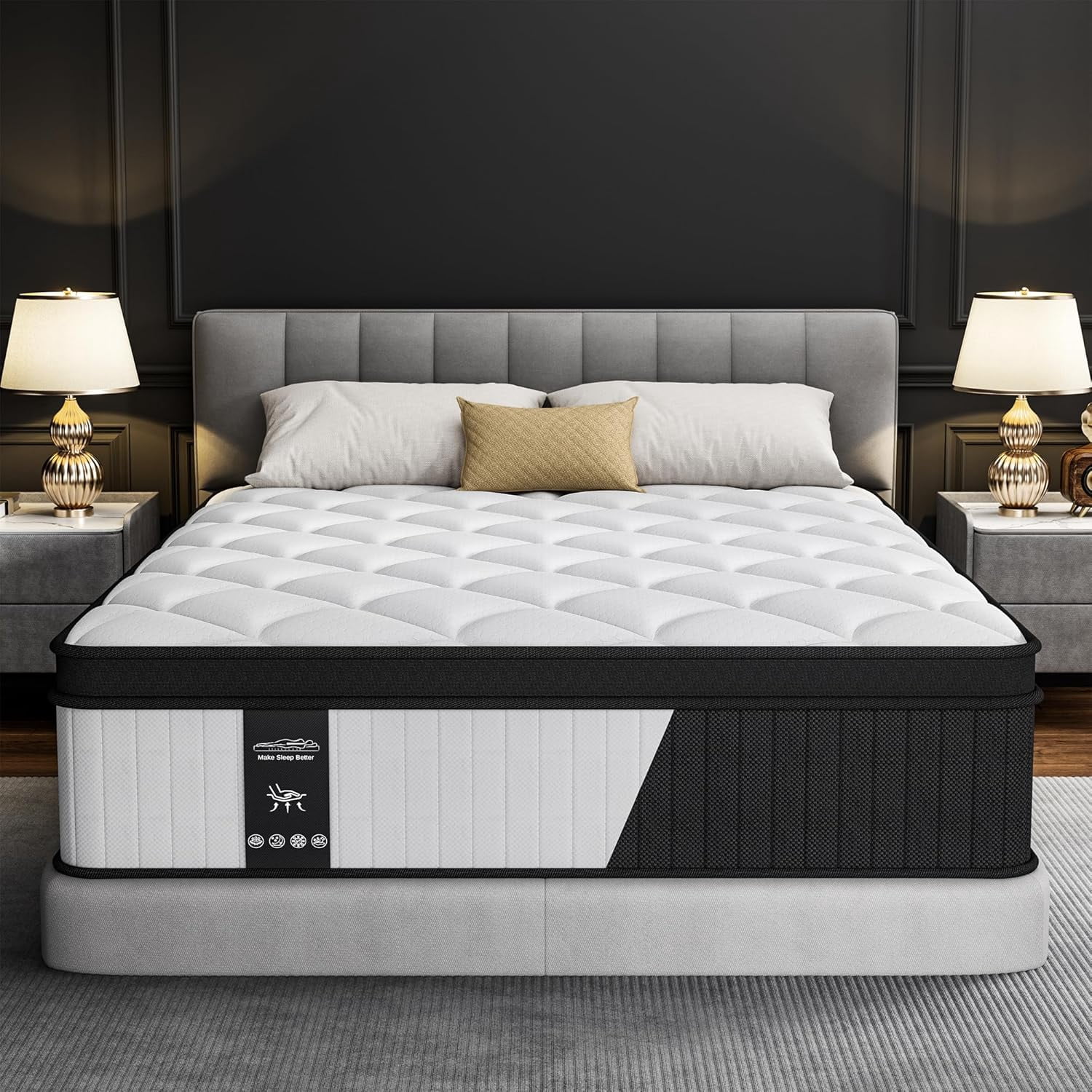
Anatomy of a 12-Inch Profile: Decoding Foam Density and Support Cores
The structural integrity of any 12-inch mattress hinges entirely on the architectural breakdown of its layers. A poorly engineered bed might feature two inches of plush memory foam slapped on top of eight inches of cheap, low-density base foam, resulting in premature sagging. Premium manufacturers typically divide the 12 inches into three distinct zones: a high-density polyfoam base layer, a responsive transition layer, and a pressure-relieving viscoelastic comfort layer.
Base foam density is the single most critical metric for long-term durability. Look for a foundation layer boasting a density of at least 1.8 to 2.0 pounds per cubic foot (PCF). Anything lower risks collapsing under the concentrated weight of two adults over thousands of sleep cycles. The middle transition layer acts as a shock absorber, bridging the plush top comfort layers with the rigid base. Without it, your hips would punch right through the soft foam and bottom out against the firm foundation.
Memory foam density in the top comfort layers dictates how deeply you contour into the bed. Low-density foams (under 3.5 PCF) respond quickly to movement and sleep cooler, while high-density foams (4.0 to 5.5 PCF) offer slow-responding, cradling pressure relief that hugs the body's natural contours. For a king-size bed shared by two people with disparate body weights, a medium-density top layer paired with a zoned support core prevents the "roll-together" effect that plagues inferior models.
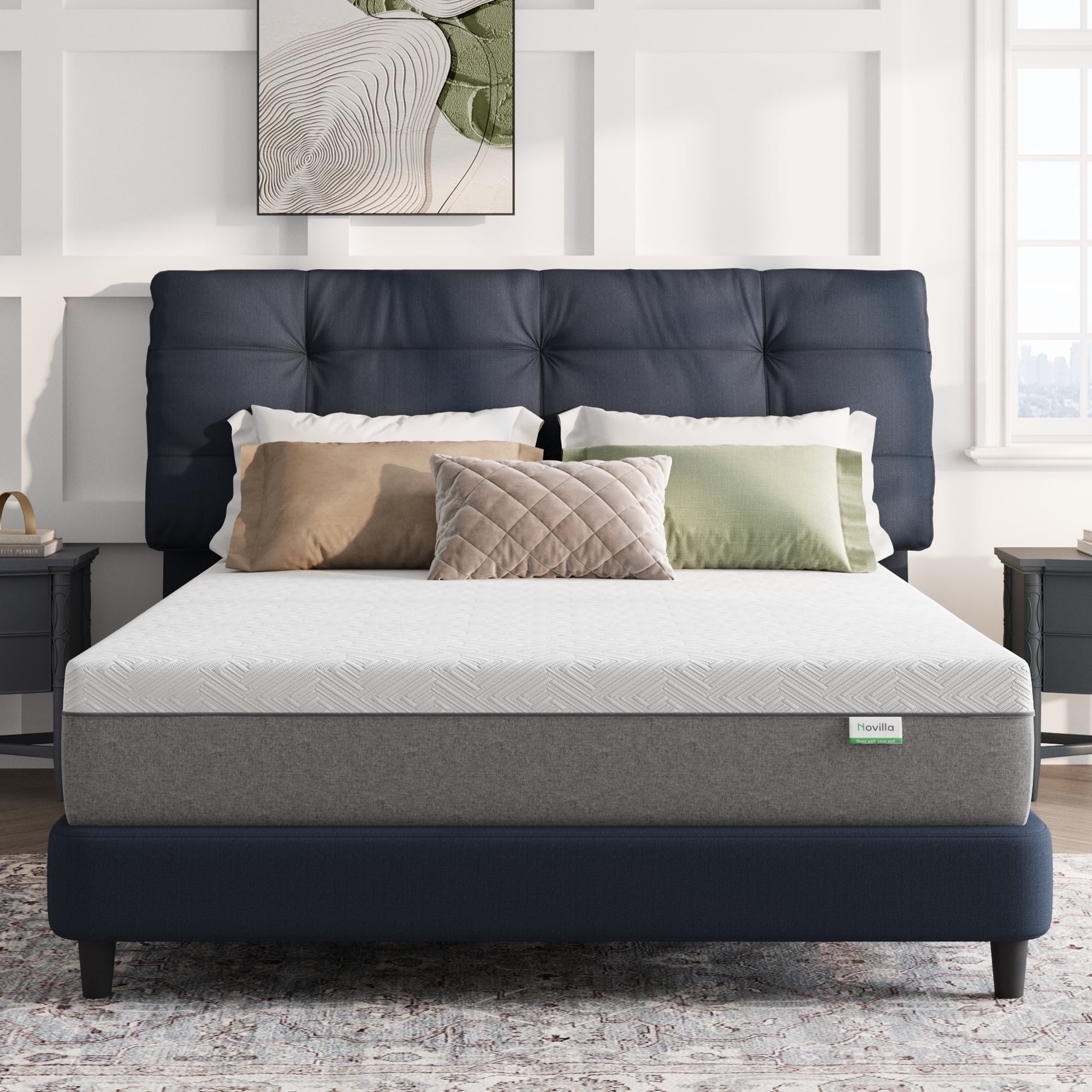
Thermal regulation within this 12-inch sandwich cannot be ignored. Viscoelastic foam is an insulator by nature, meaning it absorbs body heat to soften. To counteract this, modern 12-inch builds integrate gel beads, open-cell manufacturing processes, or perforated channels. These modifications allow air to circulate horizontally through the core rather than pooling beneath your torso.
Evaluating Pressure Mapping, Motion Isolation, and Spinal Alignment
Sleep science relies heavily on pressure mapping to determine how a mattress distributes human weight. When you lie down on a side sleeper, your shoulders and hips absorb disproportionate downward force. A well-designed 12-inch memory foam mattress allows these high-pressure points to sink just enough to maintain a neutral spine, eliminating the torque that causes lower back stiffness.
Motion isolation is the crowning achievement of all-foam construction. In a king-size bed, the ability to eliminate kinetic energy transfer is paramount. If your partner tosses, turns, or gets up for a glass of water at midnight, a high-absorption memory foam layer absorbs the kinetic wave locally. Advanced foam formulations achieve near-zero motion transfer, ensuring undisturbed REM cycles for both sleepers.
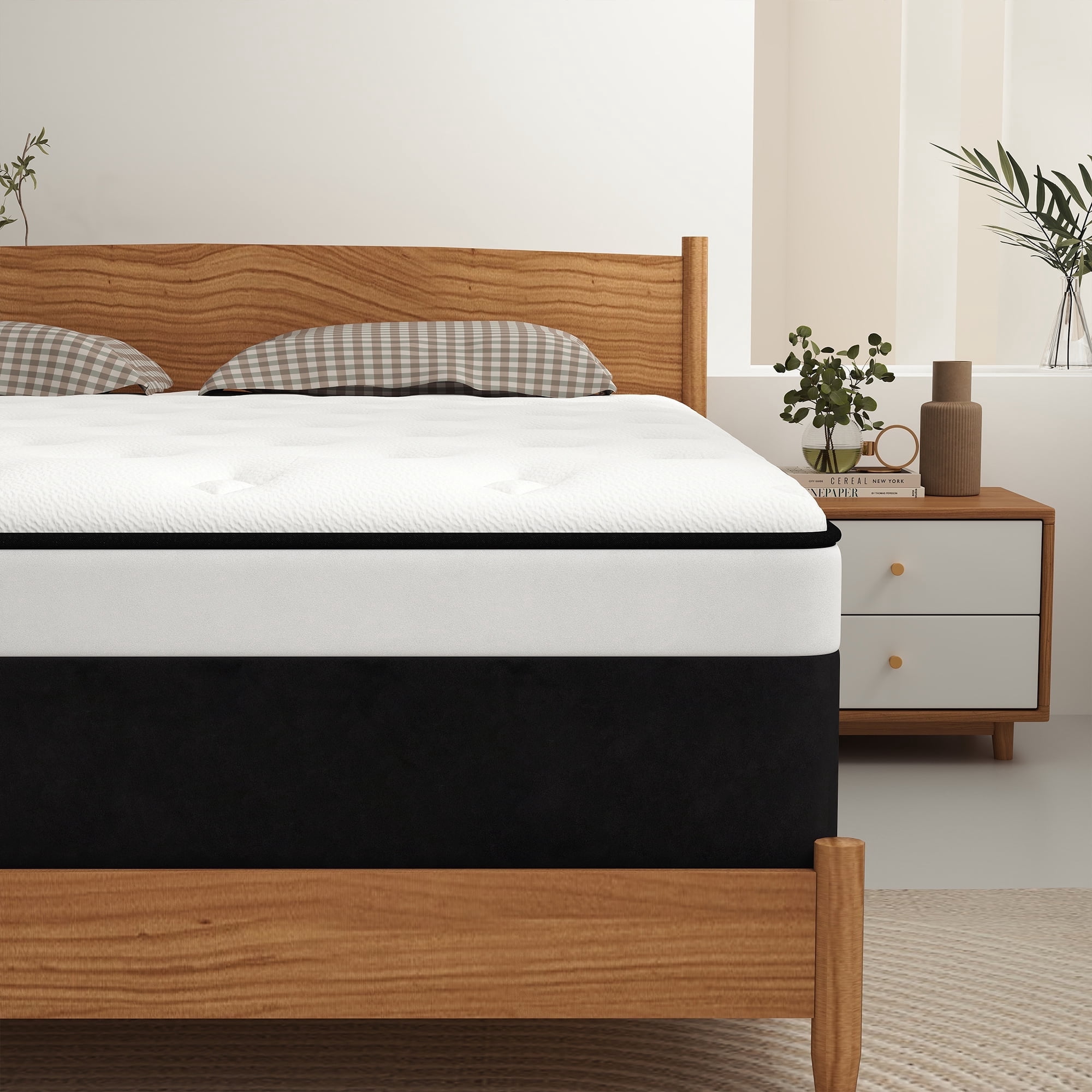
Spinal alignment varies drastically depending on your primary sleeping position. Back sleepers require a firmer surface to prevent their lumbar region from bowing downward, while side sleepers need deeper sinkage to cushion shoulders and prevent numbness. Stomach sleepers, conversely, need an ultra-supportive surface that stops the pelvis from sinking into an unnatural arch. A balanced 12-inch profile usually hits a 6 or 7 out of 10 on the firmness scale, catering safely to a wide range of combination sleepers.
Edge support is often the Achilles' heel of pure foam mattresses. Because foam lacks the rigid steel perimeter of an innerspring coil, sitting on the edge of a cheap memory foam bed can cause it to collapse. High-end 12-inch models solve this by reinforcing the perimeter with high-barcol-hardness edge encasements or utilizing high-density foam side rails, expanding your usable sleeping surface across the entire king expanse.
Step-by-Step Methodology for Unboxing, Off-Gassing, and Foundation Prep
Setting up a heavy king-size mattress requires coordination and adherence to physical limitations. A compressed 12-inch king bed can easily weigh upwards of 100 to 130 pounds, making solo unboxing a recipe for strained muscles. Proper preparation before cutting away the plastic ensures the foam expands evenly without structural distortion.
Navigating Common Pitfalls and Practitioner Workarounds
Even with high-end purchases, buyers frequently encounter avoidable missteps during the break-in period and daily use lifecycle. Recognizing these operational hazards protects your warranty and ensures optimal sleep ergonomics for years to come.
The Intersection of Longevity, Climate Control, and Sustainable Sleep
A king-size memory foam mattress represents a significant resource commitment. Evaluating how materials degrade over time highlights the importance of conscious manufacturing choices. Traditional petroleum-based polyols are increasingly being supplemented with plant-based oils (such as soy or castor oils) in eco-conscious foam production, reducing the carbon footprint without sacrificing resilience.
Related Posts
Bedroom furniture ideas that make small spaces feel calmer and more useful
Understanding joinery and materials before you commit to a floating design

Navigating Regional Styles From Provence to Paris When Designing Your French Bedroom

Building a Peaceful Bedroom Environment Through Better Furniture Planning Methods
Navigating the Difference Between Flush Stitched Edges and Standard Pillow Tops
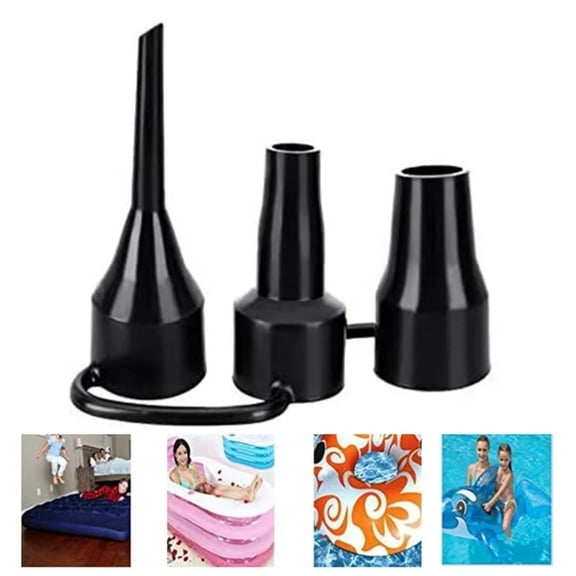
Understanding Air Valve Types to Prevent Leaks During Setup
Climate control inside the bedroom plays an active role in how your mattress performs. Memory foam is temperature-sensitive; it softens when exposed to body heat and stiffens in cold environments. If your bedroom drops significantly in temperature during winter nights, your mattress may feel jarringly firm for the first ten minutes until your body heat warms the viscoelastic matrix.
Furthermore, indoor humidity impacts foam longevity. Excess moisture trapped inside a non-breathable bedroom environment can degrade polyurethane bonds over years of service. Utilizing a dehumidifier in humid coastal regions, combined with a slatted or open-framed foundation that promotes downward airflow, dramatically extends the usable life of a 12-inch profile.
Durability testing conducted by independent sleep laboratories consistently demonstrates that a well-maintained 12-inch memory foam mattress with a high-density base can comfortably deliver 8 to 10 years of consistent support. Treating the mattress not as a passive piece of furniture, but as an active ergonomic tool, shifts your entire relationship with nightly recovery.
Strategic Frameworks for Long-Term Comfort and Optimal Maintenance
Maximizing your investment requires adopting a disciplined maintenance routine. Minor preventative habits compound over the years, preventing the sagging and softening that render cheap beds obsolete. By treating the mattress surface with respect and monitoring the supporting foundation, you protect your physical well-being and financial outlay.
The pursuit of restorative sleep is an ongoing journey rather than a single purchasing transaction. Upgrading to a 12-inch king size memory foam mattress transforms your bedroom into a controlled sanctuary of recovery, provided you respect the technical realities of its construction. By prioritizing high-density support cores, managing thermal properties, and adhering to strict maintenance protocols, you insulate yourself against premature sagging and nightly discomfort.
As sleep technology continues to evolve, the emphasis remains squarely on personalization, spinal health, and sustainable materials. Take the lessons of foam density, pressure relief, and proper foundation prep into your daily routine. When you lie down tonight on a properly aligned, supportive surface, you are not just resting—you are investing in the energy, clarity, and vitality of tomorrow.
