There is a distinct, low-stakes panic that sets in around 2:00 AM when you realize your ribs are resting directly on the ribbed ridges of a bare steel truck bed. You twist, you turn, and you curse the jagged bolt heads securing your tie-down anchors. Pitching a ground tent sounds miserable in a torrential downpour or on rocky, unforgiving terrain. Yet, rolling your pickup into a secluded forest service road, dropping the tailgate, and deploying a properly fitted pneumatic mattress transforms a cold sheet of stamped metal into a legitimate, off-grid sanctuary.
For modern overlanders, weekend anglers, and road-trip nomads navigating the backcountry, the truck bed has officially replaced the traditional ground tent. But tossing a generic, rectangular household air mattress into the back of a short-bed Ford F-150 or Toyota Tacoma rarely works out. Wheel wells chew up standard rectangles, seams blowout against sharp sheet metal, and midnight deflations turn peaceful stargazing sessions into exhausting survival tests.
Transforming your pickup into a reliable, mobile bedroom requires more than just throwing air into vinyl. It demands an understanding of material physics, precise dimensional matching, and field-tested setup routines. Whether you are prepping for a cross-country highway expedition or a weekend hunting trip, mastering the nuances of truck bed inflation ensures you wake up refreshed rather than broken.
The evolution of truck bed camping reflects a broader shift toward mobile minimalism and self-reliance. Decades ago, sleeping in a truck meant curling up in a sleeping bag over a rubber mat or a sheet of plywood. Today, engineered inflatable systems utilize puncture-resistant polymer composites, contoured wheel-well cutouts, and integrated 12V pumps that run directly off your vehicle’s auxiliary power port. As outdoor enthusiasts push further off the beaten path, the demand for high-performance sleep infrastructure has surged. High-grade blow up mattresses are no longer flimsy pool toys; they are sophisticated comfort systems designed to withstand thermal drops, abrasive bed liners, and the rigors of unpaved trails.

Anatomy of a Truck Bed Inflatable and Why Universal Mattresses Fail
Standard air mattresses designed for guest bedrooms are engineered for flat, carpeted floors under climate-controlled conditions. Drop one of those household mattresses into a 5.5-foot or 6.5-foot truck bed, and the design flaws immediately become apparent. Wheel wells—those structural humps housing the rear suspension—force standard rectangular mattresses to fold upward, creating warped sleeping surfaces and immense stress on side seams. When a seam stretches against a hot, abrasive steel wheel well during a July afternoon, premature failure is almost guaranteed.
Dedicated truck bed mattresses solve this geometric puzzle through custom-molded cutouts that hug the wheel wells like a tailored suit. This contouring maximizes every square inch of available sleeping real estate, allowing standard sleeping bags and pads to lie completely flat. Furthermore, premium truck mattresses feature specialized multi-chamber baffle systems. Instead of a single cavernous air pocket that shifts all your body weight to whichever side your sleeping partner is occupying, internal I-beam or coil-beam construction distributes weight evenly across independent air channels.
Material science plays an equally critical role in durability. Cheap PVC is notorious for stretching under body heat and contracting violently when mountain temperatures drop at night, leading to the frustrating midnight sag. High-end truck mattresses utilize heavy-duty, puncture-resistant TPU (Thermoplastic Polyurethane) or puncture-fortified PVC infused with anti-microbial treatments. These advanced polymers resist UV degradation, punctures from stray pine needles or gravel, and abrasive friction against spray-in bed liners like Line-X or Rhino Linings.

Understanding these structural differences saves you from buying cheap replacements season after season. When evaluating options, look for thickness ratings of at least 8 to 12 inches. This vertical loft elevates your body entirely above the freezing steel bed floor and bridges the gap over tailgate gaps and bed corrugations, providing crucial thermal insulation against the cold ground.
Navigating Material Specs, Valves, and Inflation Mechanics in the Field
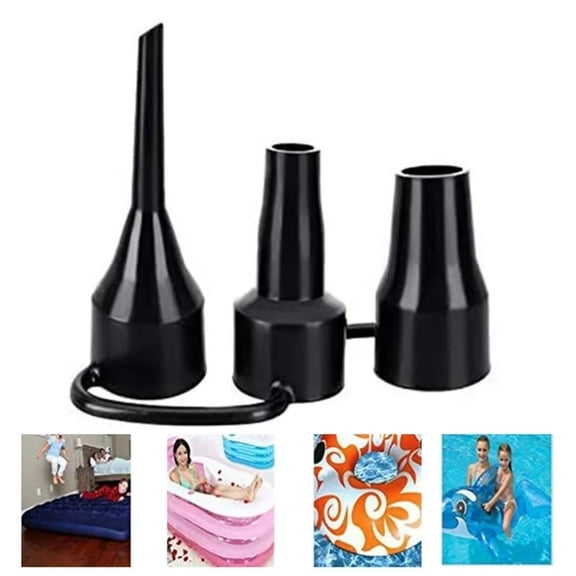
When you are miles away from the nearest grid connection, your inflation system is your lifeline. A mattress can feature the most ergonomic design on earth, but if its valve leaks or its pump requires a proprietary wall outlet, it becomes useless dead weight. Modern truck mattresses typically rely on one of three valve types: Boston valves, double-lock Boston valves, or rapid-deflate dump valves. Boston valves remain the gold standard for reliability, featuring a one-way flap that lets air in without escaping while you fumble for the cap, paired with a wide-mouth base for lightning-fast deflation.
Power sources dictate how easily you can transition from driving to sleeping. Many adventure-focused mattresses include integrated 12V DC electric pumps equipped with long power cords that plug straight into your truck’s cigarette lighter or auxiliary socket. While convenient, internal pumps add dead weight and a mechanical point of failure. Conversely, standalone rechargeable battery-operated pumps or manual double-action hand pumps offer foolproof redundancy. A hand pump will never blow a fuse or drain your truck’s starter battery if you accidentally leave the ignition accessory mode on too long.

Fabric finishes also demand scrutiny before you purchase. Sueded or flock-topped vinyl feels cozy against bare skin, but it tends to trap morning dew, condensation, and campfire smoke. If you camp in damp, rainy environments, a waterproof laminated oxford nylon top layer or a removable, washable fitted cover prevents your sleeping setup from becoming a swampy mess. The underside matters just as much; look for reinforced, textured bottom layers designed to grip textured spray-in bed liners and prevent the mattress from sliding around every time you shift positions.
Weight capacity is another metric frequently misunderstood by buyers. While most truck mattresses claim ratings upwards of 500 to 600 pounds, sustained pressure over rough terrain tests every seam. If you sleep with a partner, heavy gear, or a large canine companion, opt for mattresses featuring reinforced sidewalls and welded seams rather than glued thermal seals. Welded seams create a molecular bond between polymer layers, drastically reducing the risk of slow, pinhole leaks along stress points.
A Step-by-Step Methodology for Flawless Setup and Takedown
Setting up a truck bed mattress in the dark during a sudden downpour tests even the most seasoned camper's patience. Establishing a methodical, repeatable workflow eliminates frustration and protects your gear from premature wear. Treat your campsite setup like an operational checklist.

Navigating Common Pitfalls and Field-Tested Workarounds
Even with premium gear, unexpected obstacles inevitably arise in the backcountry. Anticipating these hurdles prevents a ruined night of sleep and protects your investment from accidental destruction.
The Broader Ecosystem of Truck Camping and Overlanding Integration
A high-quality blow-up mattress is merely the foundation of an integrated mobile sleeping system. To truly unlock the potential of truck bed camping, your mattress must work harmoniously with your vehicle’s overall architecture and weather protection setup. This ecosystem generally spans three distinct configurations: open-bed setups with tonneau covers, soft or hard camper shells (caps), and sophisticated pop-up wedge campers or rooftop tent hybrids.

Related Posts

Bedroom furniture ideas that make small spaces feel calmer and more useful
Understanding joinery and materials before you commit to a floating design

Navigating Regional Styles From Provence to Paris When Designing Your French Bedroom

Building a Peaceful Bedroom Environment Through Better Furniture Planning Methods

Navigating the Difference Between Flush Stitched Edges and Standard Pillow Tops
Understanding Air Valve Types to Prevent Leaks During Setup
When pairing an inflatable mattress with a camper shell, vertical headroom becomes your primary design constraint. If your mattress is 10 to 12 inches thick and your shell has a low profile, you may find yourself sitting up and instantly bashing your head against the fiberglass roof. Conversely, running an open bed requires robust weather mitigation. A sudden midnight thunderstorm will quickly turn an open truck bed into a swimming pool unless you utilize a well-fitted pop-up truck tent or a high-clearance tonneau cover rolled back just enough to clear your head.
Economic and environmental considerations also factor into modern overlanding choices. Investing in a durable, repairable truck mattress rather than purchasing disposable, cheap vinyl pads every single season reduces landfill waste and long-term costs. Furthermore, utilizing your existing truck as an off-grid basecamp eliminates the heavy fuel penalties and setup complexities associated with towing travel trailers or heavy camper rigs, keeping your center of gravity low and your trail mobility high.
Strategic Frameworks for Selecting and Maintaining Your Sleep System
Choosing the ideal inflatable sleep system requires balancing your specific vehicle dimensions, frequency of use, and environmental operating conditions. Use this structured decision framework to guide your investment:
The appeal of sleeping under the stars from the bed of your own pickup truck lies in its raw simplicity and freedom. You are untethered from rigid hotel itineraries, crowded campgrounds, and complex ground-tent assembly routines. Yet, achieving true comfort out in the elements requires respecting the mechanics of your equipment. By choosing a precision-engineered, contour-fitting mattress, protecting it from abrasive bed liners and thermal extremes, and treating setup as a disciplined ritual, you turn your truck into an absolute fortress of rest.
As vehicle camping continues to evolve with lighter, stronger materials and more efficient portable power stations, the boundary between roughing it and sleeping in luxury blurs. Take the time to dial in your mobile sleep system before your next departure down the highway or forest service trail. When you pull over at dusk, drop the tailgate, and settle into a perfectly balanced, warm, and supportive truck bed mattress, every minute spent preparing your setup will pay off in uninterrupted sleep and boundless morning energy.