The alarm goes off at 6:30 AM, but the real wake-up call happened three hours earlier when your lower back locked up, forcing you to stare at the ceiling while counting down the minutes until dawn. Millions of adults face this exact physical friction every single night. Your mattress, once a reliable sanctuary, has slowly transformed into an unyielding slab or a sagging hammock that fails to support your spinal alignment. Replacing a premium king mattress can easily drain thousands of dollars from your bank account, making it a financial hurdle most households prefer to avoid.
Enter the humble yet remarkably effective egg crate mattress topper—a sleep accessory that has quietly persisted through decades of evolution. Named after its distinct peak-and-valley surface resembling a paper egg carton, this specialized foam pad offers an accessible bridge between enduring discomfort and a genuinely restorative night's rest. When scaled to fit expansive king-size dimensions measuring roughly 76 by 80 inches, managing, selecting, and maintaining these specialized foam pads requires insider knowledge. Without understanding density ratings, foam chemistry, and proper orientation, you risk turning a therapeutic sleep upgrade into a lumpy, sliding nuisance.
For decades, egg crate pads were primarily associated with clinical environments and hospital beds designed to prevent bedsores in immobile patients. Medical practitioners quickly realized that the undulating profile of the foam distributed body weight more evenly across a surface, dramatically reducing interface pressure on vulnerable bony prominences like hips and shoulders. Over time, bedding manufacturers adapted these clinical foam profiles for consumer bedrooms, pairing high-resiliency polyurethane and gel-infused memory foams with the classic convoluted design.
As consumer expectations have risen, so has the engineering behind these products. Today's marketplace features advanced formulations designed to tackle the two eternal enemies of foam sleep surfaces: excessive heat retention and premature sagging. A king-size bed amplifies these challenges because it accommodates multiple sleepers, sprawling pets, and significant surface area shifts. Understanding how these materials interact under daily compression is the first step toward transforming your nightly routine from a tossing-and-turning endurance test into deep, uninterrupted slumber.
The Anatomy of Convoluted Foam and Why King-Size Physics Matter
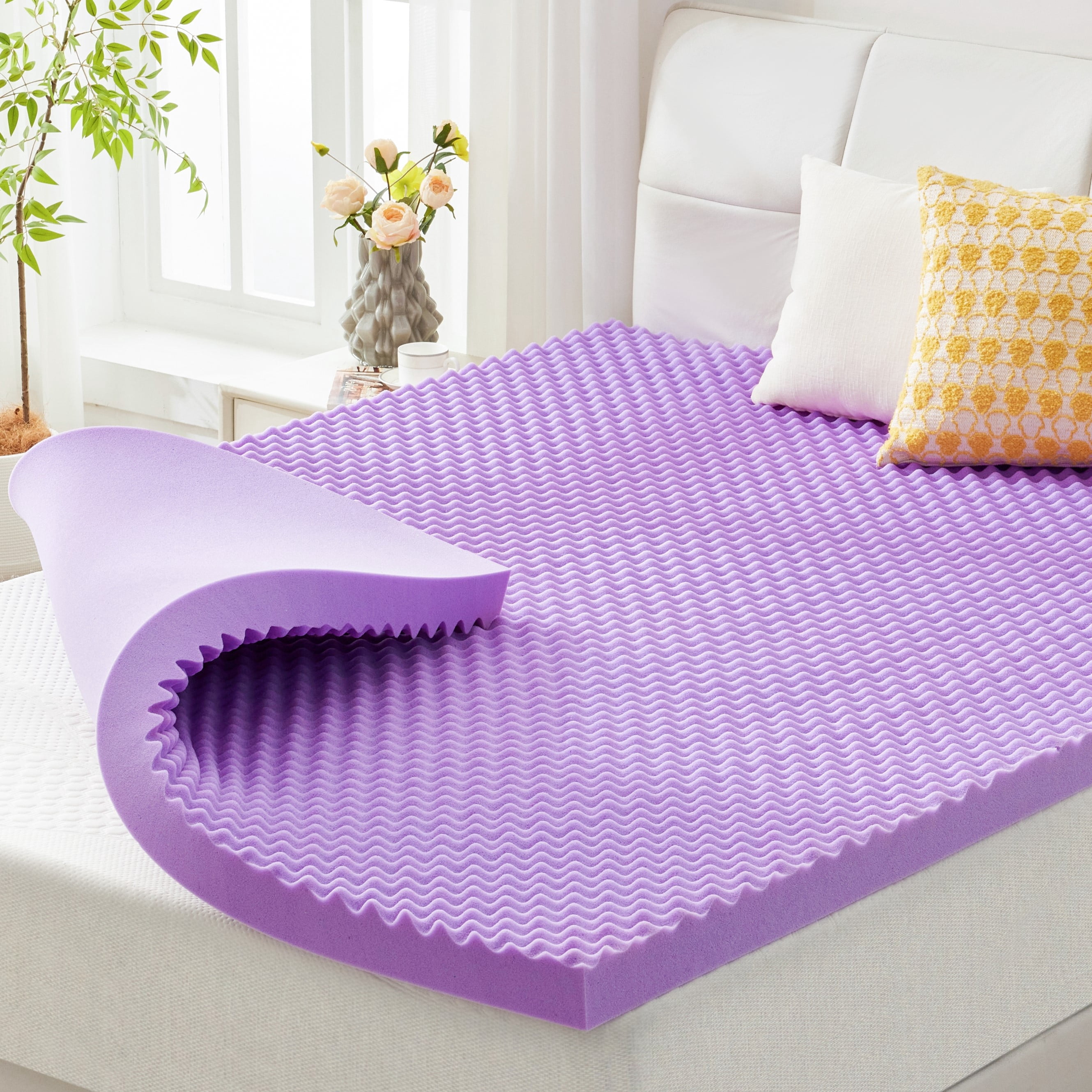
At its core, an egg crate mattress topper relies on an architectural concept known as convolution. By cutting a dense block of foam into alternating peaks and valleys, manufacturers achieve a dual-stage support mechanism. The raised peaks compress easily under light pressure, delivering an immediate sensation of plush cushioning that cradles shoulders and hips. Meanwhile, the solid base layer underneath provides progressive resistance, preventing the sleeper from sinking completely through the material and bottoming out against the firm mattress below.
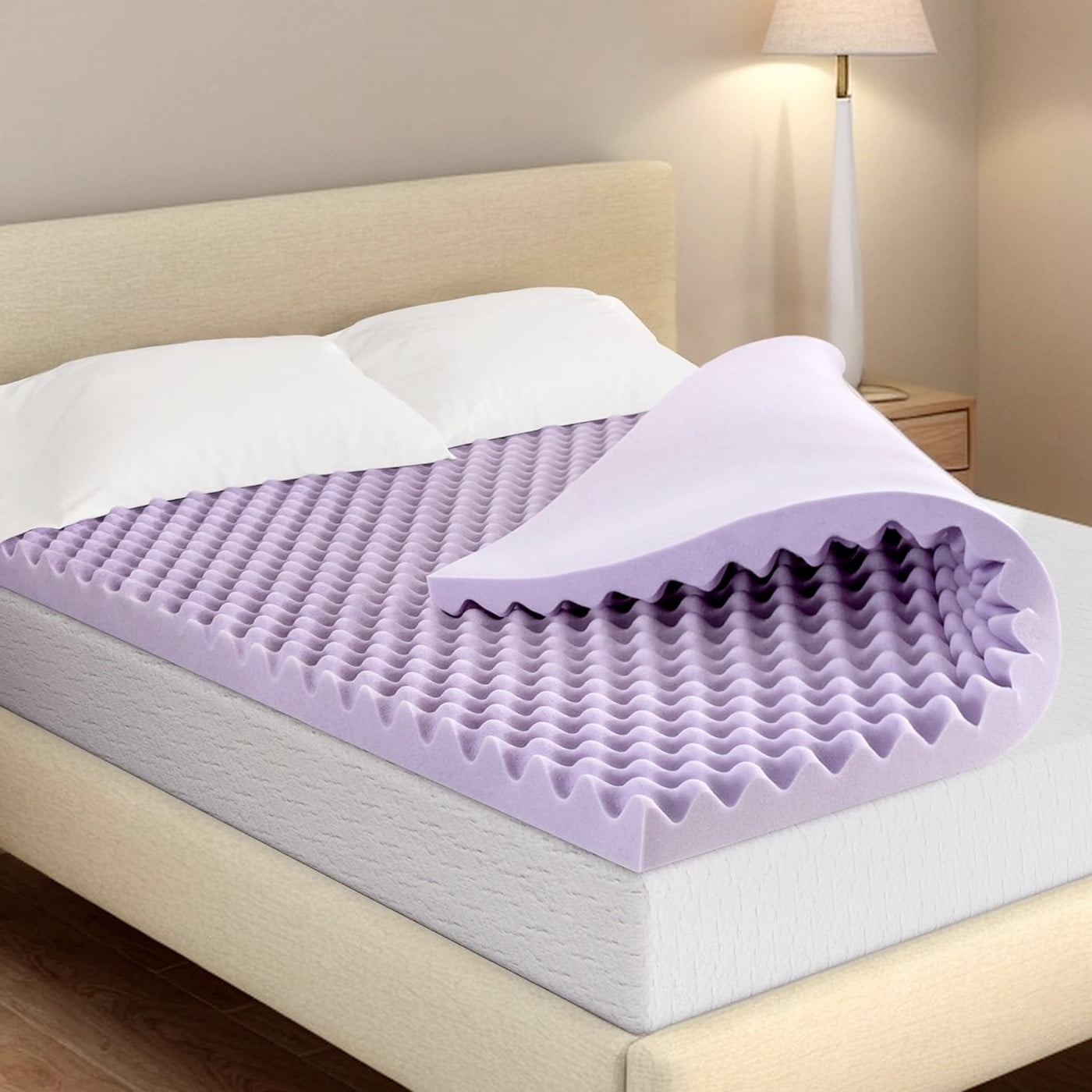
When scaling this engineering to a king-size footprint, structural physics change dramatically. A standard queen or full topper remains relatively easy to manipulate, but a 76-by-80-inch king slab acts like a giant, flexible sail when you attempt to move or reposition it. Furthermore, king-size beds often host two sleepers with entirely different body weights, sleeping positions, and thermal outputs. If one partner sleeps hot and weighs significantly more than the other, a cheap, low-density egg crate foam will compress permanently on their side within a matter of months, creating an unwanted slope toward the center of the bed.
Material composition dictates everything from lifespan to tactile feel. Traditional polyurethane egg crate toppers are lightweight, highly breathable, and remarkably budget-friendly, making them a favorite for guest rooms or seasonal cabins. However, they lack the dense molecular structure required for heavy daily use. Memory foam egg crate variants, on the other hand, react to body heat and weight, contouring tightly to your unique silhouette. To combat memory foam's notorious tendency to trap heat, modern manufacturers frequently infuse these convoluted pads with cooling gel beads, copper, or open-cell architecture to facilitate continuous airflow through the valleys of the egg carton design.
Evaluating density is non-negotiable if you want your investment to last beyond the first season. Foam density is measured in pounds per cubic foot (PCF). Low-density foams (under 1.5 PCF) feel soft initially but break down rapidly under sustained weight, leading to body impressions and loss of support. Medium-to-high density foams (ranging from 1.8 to 2.5 PCF) offer superior durability, maintaining their rebound and pressure-relieving properties even after thousands of hours of compression. When shopping for a king-size topper, checking this single metric separates a temporary fix from a multi-year comfort solution.
Navigating Material Choices: Memory Foam, Gel Infusions, and Polyurethane
Choosing the right material for your king egg crate topper requires a clear-eyed assessment of your physical needs and sleeping habits. If you wake up with sharp hip pain from sleeping on your side, a contouring memory foam variant is generally superior because it neutralizes pressure points by allowing your shoulder and hip to sink deeper into the peaks. Back sleepers and stomach sleepers, conversely, require a firmer response to keep the spine from bowing unnaturally. For these individuals, a high-resiliency polyurethane foam or a high-density gel foam provides the necessary pushback to maintain neutral spinal alignment.
Temperature regulation remains a primary concern for foam owners. Traditional memory foam acts as a thermal blanket, absorbing body heat and trapping it within the dense molecular matrix. The egg crate design partially mitigates this issue by creating open channels for air circulation, but material science has pushed cooling technology much further. Gel-infused foam incorporates thermal-conduction particles designed to pull heat away from the body, while open-cell manufacturing introduces microscopic air tunnels throughout the foam itself, preventing heat from pooling underneath heavy sleepers.
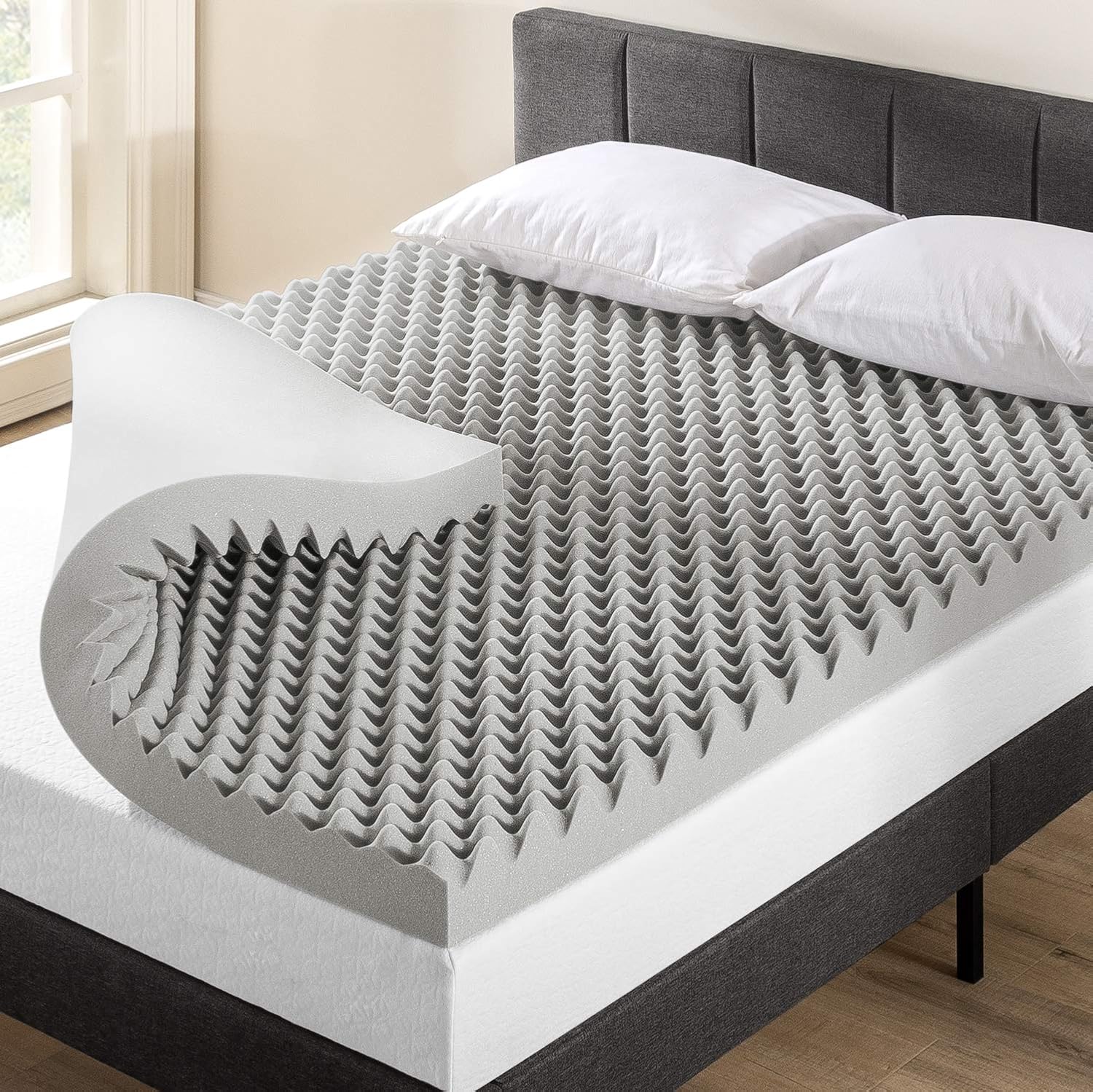
Off-gassing is another universal reality when unboxing a brand-new foam topper. As polyurethane and memory foam products are compressed and sealed in airtight packaging for shipping, volatile organic compounds (VOCs) become trapped inside. When you unroll your new king topper, you will likely notice a distinct chemical scent. While generally non-toxic, this smell can be unpleasant and overwhelming in a closed bedroom. Allowing the topper to air out in a well-ventilated room for 48 to 72 hours before placing it on your bed is an essential ritual for sensitive noses.
Durability and tear resistance are critical factors, particularly with king-sized pads. Because convoluted foam features thin valleys connecting the raised peaks, careless handling during sheet changes or moving can result in tearing. High-quality foams possess high tensile strength, meaning the material can stretch and flex without ripping along the cut lines. Inspecting the manufacturing quality—ensuring the peaks are cleanly cut, uniform, and free of crumbling edges—ensures your topper will withstand regular maintenance without disintegrating under your fitted sheet.
Masterclass in Installation: Unrolling, Positioning, and Securing Your King Topper
Proper installation dictates whether your egg crate topper feels like a luxurious cloud or a sliding hazard that shifts every time you turn over. Because a king-size foam pad is unwieldy, attempting to install it alone can lead to frustration and uneven placement. Enlisting a partner makes the process significantly smoother, ensuring the topper aligns perfectly with the perimeter of your underlying mattress without overhanging the edges, which accelerates edge wear and tear.
Unboxing requires patience and caution. Most toppers arrive tightly rolled and vacuum-sealed in thick plastic film. Placing the rolled topper directly onto the center of your bare mattress before cutting the plastic allows the foam to expand outward across the sleeping surface rather than forcing you to drag a massive, unfolding sponge across the room. Using sharp scissors or a specialized tool with a guarded blade prevents you from accidentally slicing into the foam during the unwrapping phase.
Securing the topper to the bed is the step most people overlook, leading to the dreaded midnight migration where the foam slides toward the foot of the bed. Because egg crate foam has a high-friction texture, it grips fitted sheets reasonably well, but it can still slip against smooth mattress covers. Utilizing deep-pocket fitted sheets that encompass both the underlying mattress and the additional 2 to 3 inches of the topper provides mechanical containment. Alternatively, investing in elastic corner straps or a dedicated full-encasement mattress protector designed to hold a topper in place guarantees absolute stability.
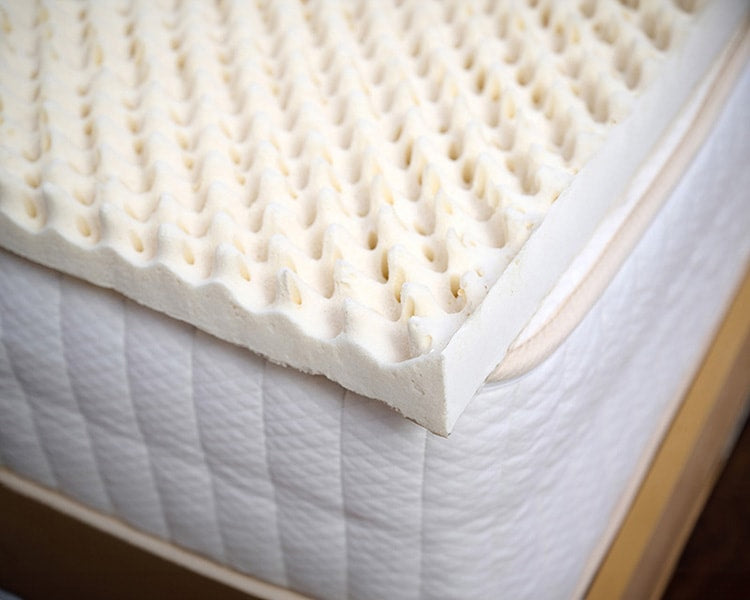
Layering order is another common point of confusion. The egg crate topper should always rest directly on the firm surface of your mattress, with the textured peak side facing upward toward your body. Placing a smooth mattress pad or fitted sheet directly over the peaks allows the foam to contour to your body while protecting the delicate peaks from friction, skin oils, and accidental spills. Avoid placing the egg crate side directly against your body unless you are using a specialized cover designed for it, as direct skin contact can degrade the foam over time.
Troubleshooting Common Missteps and Field-Tested Workarounds
Even with the best products, users frequently encounter specific operational hurdles that undermine their sleep quality. Recognizing these challenges early allows you to implement field-tested workarounds before minor annoyances turn into chronic back pain or ruined materials. Foam is a dynamic material that reacts to temperature, humidity, and mechanical stress, meaning it requires mindful stewardship to perform at its highest level throughout its lifecycle.
One of the most frequent complaints involves the topper feeling too hot despite marketing claims of advanced cooling technology. If your gel-infused or convoluted foam still retains heat, the issue often stems from your choice of bedding rather than the topper itself. Heavy polyester sheets, thick synthetic mattress pads, and waterproof barriers trap thermal energy directly against the foam surface. Switching to breathable, long-staple cotton, bamboo-derived rayon, or linen sheets restores the natural airflow facilitated by the egg crate peaks.
Another frustrating issue is premature sagging or body impressions. If you notice permanent dips forming where you sleep, your topper may be compensating for a severely degraded mattress underneath. An egg crate topper provides surface-level contouring, but it cannot structurally repair a mattress whose inner coils or base support core have failed. If the underlying bed sags, the topper will simply follow that contour downward. Rotating the topper 180 degrees every two to three months distributes wear evenly across both sides, dramatically extending the functional lifespan of the product.
Cleaning convoluted foam requires specialized techniques because traditional washing machines and heavy tumbling will shred the delicate peaks. Submerging high-density foam in water also creates a drying nightmare, as moisture trapped deep within the cellular matrix breeds mold and mildew. Spot-cleaning stains with a mild enzymatic cleaner and lukewarm water, followed by thorough air drying or cool blow-drying, represents the golden standard for maintenance. Vacuuming the surface regularly with a soft upholstery brush attachment keeps dust mites and dead skin cells at bay.
The Broader Impact: Sleep Ergonomics, Economic Value, and Sustainable Comfort
Investing time and thought into selecting a king-size egg crate mattress topper ripples far beyond simple nighttime comfort, touching upon physical health, household economics, and resource sustainability. In an era where wellness routines emphasize sleep hygiene, optimizing your physical sleep environment is foundational. Chronic poor sleep elevates cortisol levels, impairs cognitive function, and exacerbates musculoskeletal pain. By fine-tuning your bed's pressure relief profile with an engineered foam topper, you invest directly in your waking vitality and long-term physical health.
Economically, the math heavily favors quality toppers over premature mattress replacements. Premium king mattresses frequently cost anywhere from one to three thousand dollars, representing a major household expenditure. A high-density egg crate topper delivers a comparable tactile transformation of your sleeping surface for a fraction of that cost, effectively buying you several additional years of useful life from an aging mattress. This approach aligns with sustainable consumer habits by reducing the volume of bulky furniture sent to landfills prematurely.
Material science continues to evolve, with manufacturers increasingly utilizing bio-based polyols derived from plant oils alongside traditional petroleum-based ingredients to reduce environmental impact. CertiPUR-US and OEKO-TEX certifications have become baseline standards for reputable foam producers, ensuring that the products sleeping inches from your face are manufactured without ozone depleters, heavy metals, formaldehyde, or regulated phthalates. Prioritizing certified foams protects indoor air quality and ensures your bedroom remains a sanctuary of clean, safe rest.
Ultimately, the egg crate mattress topper proves that elegant design solutions do not need to be complicated or exorbitantly expensive. By understanding the interplay between foam density, thermal regulation, mechanical positioning, and routine maintenance, you harness a deceptively simple piece of engineering to solve a complex physical problem. Whether you are seeking relief from joint stiffness, upgrading a guest suite, or simply searching for a plush sanctuary at the end of a long day, mastery of these details ensures your sleep space remains comfortable, supportive, and restorative for years to come.
Essential Frameworks for Long-Term Sleep Optimization
Related Posts
Bedroom furniture ideas that make small spaces feel calmer and more useful
Understanding joinery and materials before you commit to a floating design

Navigating Regional Styles From Provence to Paris When Designing Your French Bedroom
Building a Peaceful Bedroom Environment Through Better Furniture Planning Methods
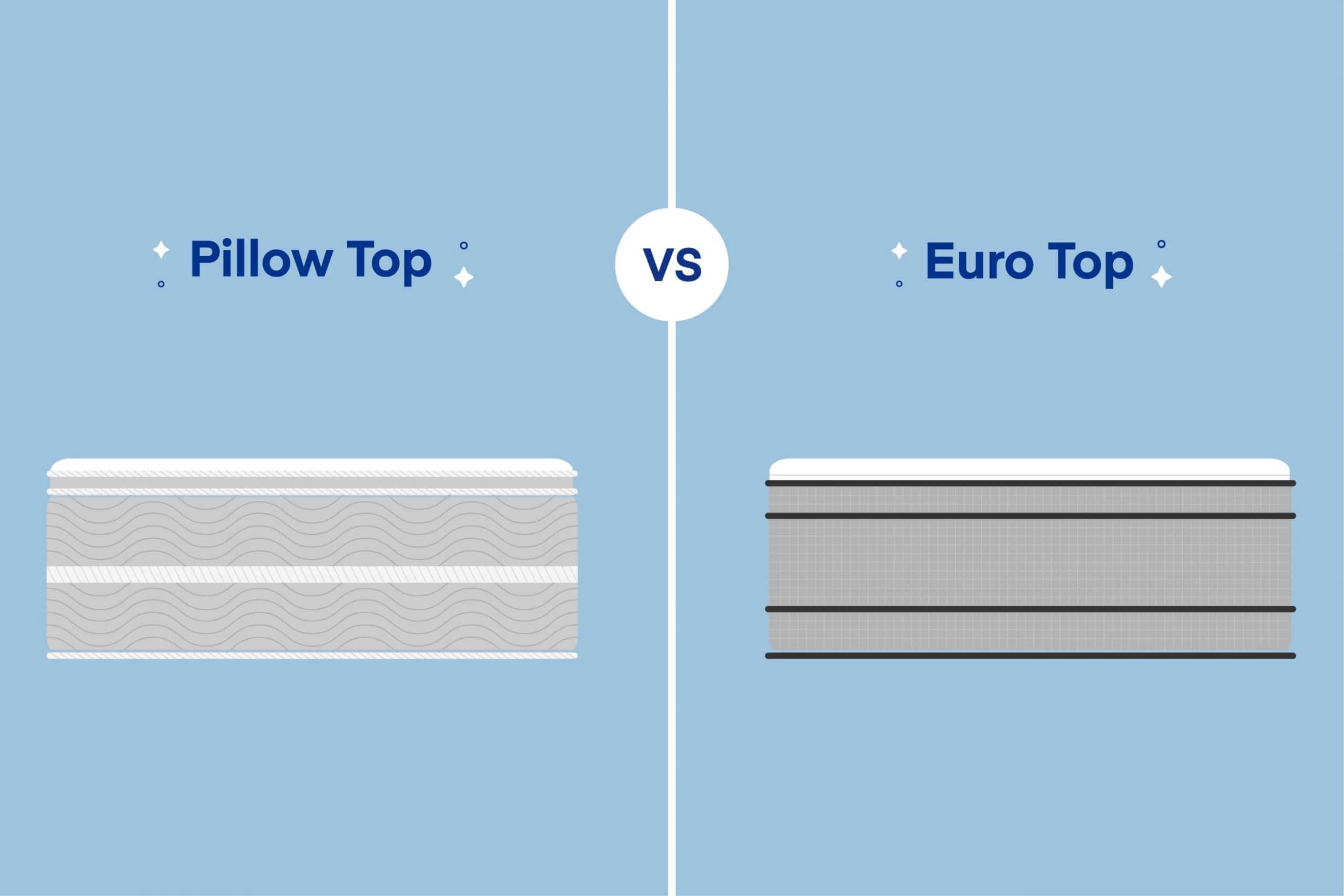
Navigating the Difference Between Flush Stitched Edges and Standard Pillow Tops
Understanding Air Valve Types to Prevent Leaks During Setup
Maximizing the utility of your king egg crate topper requires adopting a structured framework for ongoing assessment and care. Treat your sleep system as an integrated ecosystem where every component—from the foundation and mattress to the topper, protector, and sheets—works in concert to support your body. When one element degrades or is improperly matched, the entire system suffers. Establishing a proactive maintenance routine prevents minor degradation from turning into structural failure.
Evaluating your physical feedback is the most reliable metric for success. Your body will tell you immediately if your setup is failing. Waking up with numb arms usually indicates a topper that is too thick or dense, forcing your shoulder to press unnaturally against the hard base. Conversely, waking up with lower back stiffness often signals that your foam has softened beyond its functional limits, allowing your hips to sink too deeply. Listening to these physical signals allows you to adjust your setup, rotate your topper, or plan for replacement before chronic discomfort sets in.
Integrating protective accessories further safeguards your investment. A high-quality, breathable mattress protector designed for deep king beds acts as an impenetrable shield against sweat, dead skin cells, and accidental liquid spills. Because foam is notoriously difficult to sanitize once liquids penetrate its porous structure, prevention is infinitely superior to remediation. Pairing your topper with a washable encasement ensures hygienic longevity, keeping your sleep surface fresh, clean, and allergen-free season after season.
Finally, recognize when a topper has reached the end of its natural lifecycle. Even the highest-density memory foam and convoluted polyurethane pads eventually experience cellular fatigue after years of continuous compression. When visible sagging persists even after rotating the pad, or when the foam loses its elastic rebound and feels permanently flattened, it is time to retire the accessory. Approaching your sleep environment with this level of intentional care guarantees that your bed remains a reliable haven of deep, restorative rest night after night.
The pursuit of better sleep is rarely about finding a single, miraculous cure; rather, it is an ongoing practice of refinement, observation, and adaptation. Transforming your king-size bed with a thoughtfully chosen egg crate mattress topper offers a powerful entry point into this journey, proving that targeted comfort adjustments can yield profound shifts in your daily well-being. By moving past generic consumer assumptions and engaging deeply with the material science, physical mechanics, and practical maintenance of your sleep surface, you take active control of the hours you spend recovering from the demands of daily life.
As material technologies continue to evolve and manufacturing standards become increasingly rigorous, the tools available to sleepers are better than ever. Yet, the core principles remain unchanged: attentive selection, proper installation, diligent maintenance, and a willingness to listen to what your body tells you each morning. Approach your sleep space not as a static piece of furniture, but as a dynamic environment worthy of your care and attention. May your nights be restful, your spine aligned, and your mornings free of pain.
