You drop your keys on the entryway console, walk down the hall, and finally push open the door to your primary bedroom. The room is supposed to be your sanctuary, yet something feels distinctly unsettled. Your new king mattress sits commandingly on its frame, but the wall above it looks vast, empty, and strangely out of balance. You lean a makeshift wooden panel against the drywall, step back, and squint. Is it too wide? Does it dwarf the nightstands? Or does it look like a postage stamp pasted onto an IMAX screen?
Choosing a bed is simple—you check the box for a standard Eastern King or a California King and call it a day. But selecting the piece that anchors the entire room is an entirely different discipline. The headboard is the silent architectural anchor of your sleeping space. It dictates the visual weight of the room, frames your pillows, and dictates where you can place your bedside tables, reading lamps, and art. Get the width wrong by a mere two inches, and your entire room layout gets thrown off kilter, creating a subconscious visual friction every time you walk through the door.
For decades, homeowners treated headboards as an afterthought, picking whatever matching piece came bundled in a bedroom suite from a furniture catalog. Today, interior designers and spatial architects treat the headboard as a primary focal point. With evolving trends emphasizing bespoke upholstery, dramatic architectural wall panels, and integrated bedside tech, understanding precise dimensions is more critical than ever. Whether you are hunting for a standard retail model or commissioning a custom wall-to-wall statement piece, getting the width right requires a blend of hard mathematics and spatial intuition.
Decoding the Anatomy and True Dimensions of King Mattresses
Before you can determine the correct width of a king size headboard, you must understand the exact physical footprint of the mattress it is meant to serve. A standard Eastern King mattress measures precisely 76 inches wide by 80 inches long. Meanwhile, its sleek cousin, the California King, trades width for length, measuring 72 inches wide by 84 inches long. These four inches of variance completely change how a headboard frames the bed. When people talk about a standard king headboard, they are almost always referring to an Eastern King setup, which demands a wider horizontal span to maintain proportional harmony.

The golden rule of standard headboard sizing is the overhang. A well-designed standard king headboard typically measures anywhere from 76 to 82 inches wide, with 79 to 81 inches being the sweet spot for retail manufacturing. This extra 2 to 4 inches of total width—roughly 1 to 2 inches of overhang on each side beyond the 76-inch mattress edge—serves a vital structural and aesthetic purpose. It accounts for the thickness of bedding, blankets, duvets, and the bed frame itself. Without this slight margin, your mattress and bedding would visually swallow the headboard, making the anchoring piece look undersized and fragile.
Beyond standard retail sizing, you must account for the thickness of the bed frame and side rails. Platform beds, upholstered frames with thick foam padding, and storage beds with built-in drawers can add anywhere from 2 to 6 inches to the overall exterior width of the bed structure. If your frame measures 82 inches wide overall, a standard 79-inch headboard will look pinched and awkward. Professional interior designers always measure the absolute widest point of the assembled bed frame—not just the mattress tag dimensions—before shopping for or building a headboard.
Material behavior also plays a sneaky role in how width is perceived. A heavy, button-tufted velvet headboard with deep channel stitching has a dense visual weight that makes it look wider than it actually is. Conversely, a minimalist slatted wooden headboard with vertical negative space can feel lighter, sometimes requiring a slightly wider footprint to make the same visual impact. Understanding how light, shadow, and texture interact with your bedroom walls will prevent you from buying a piece that looks mathematically correct on paper but visually inadequate in reality.
Standard Versus Oversized: Choosing Your Design Philosophy
Once you move past standard dimensions, the world of king headboard sizing splits into two distinct design philosophies: standard proportional sizing and oversized architectural statements. Standard sizing keeps the headboard relatively close to the mattress width, terminating just past the outer edges of the bed frame. This approach works exceptionally well in compact or average-sized primary bedrooms where floor space is at a premium and you need every square inch for dressers, wardrobes, and comfortable walkways.

On the other end of the spectrum, oversized king headboards have surged in popularity as homeowners embrace luxury hotel aesthetics. An oversized headboard often spans anywhere from 82 to over 120 inches wide, frequently designed to extend far beyond the mattress edges to encompass your nightstands, wall sconces, and charging stations. By anchoring the bed and the bedside tables into a single cohesive horizontal plane, an oversized headboard creates an immediate sense of bespoke luxury and expansive architecture. It tricks the eye into perceiving a modest bedroom as a sprawling suite.
Choosing between these two paths depends heavily on your bedroom’s perimeter walls and furniture layout. If your king bed is squeezed into a room that is only 11 feet wide, an oversized headboard spanning 100 inches will completely eat up your wall space, leaving no breathing room for windows, art, or standard-sized nightstands. In tighter spaces, sticking to a standard 79-to-81-inch width preserves your perimeter and keeps the room feeling airy. However, if you possess a sprawling master suite with high ceilings and wide walls, a standard headboard will look lost, floating in a sea of empty drywall like a postage stamp.
Another factor driving the oversized trend is the integration of custom millwork and floating cabinetry. Many contemporary master suites feature wall-to-wall upholstered panels made of leather, acoustic felt, or wood slats that run continuously behind both the bed and the nightstands. This eliminates the traditional gap between the bed and the side tables, creating a seamless hotel-like backdrop. When executing this style, the headboard width is dictated entirely by the spacing of your electrical outlets, light switches, and nightstand dimensions, turning a simple furniture purchase into an architectural planning exercise.
The Step-by-Step Methodology for Measuring Your Space
Measuring for a king size headboard is a precision task that goes far beyond simply holding a tape measure against your mattress. Rushing this phase leads to costly ordering mistakes, awkward blocking of electrical outlets, and furniture pieces that refuse to fit up your stairwell or around tight bedroom corners. To ensure an infallible fit, you need a systematic, multi-phase measuring protocol that accounts for every variable in your room layout.

Executing these five steps with absolute precision eliminates guesswork. Painters tape, in particular, is the designer’s secret weapon. By taping out a 79-inch standard width versus a 104-inch oversized architectural width, you can live with the visual footprint for 24 hours before spending a dime. You might discover that your proposed oversized headboard completely blocks a bedside light switch, forcing you to adjust your dimensions or plan for electrical relocation before the furniture arrives.
Furthermore, pay close attention to floor clearance and mounting methods. Some king headboards are designed to bolt directly to a standard metal bed frame, while others are heavy wall-hung French-cleat systems that require anchoring directly into wooden wall studs. Knowing whether your wall construction consists of standard wood framing or concrete masonry will dictate your installation hardware and ensure your heavy king headboard remains safely secured for years to come.
Common Pitfalls and Field-Tested Workarounds
Even experienced DIYers and seasoned home decorators frequently stumble when sizing and installing king headboards. The sheer scale of a king bed means small calculation errors become glaringly obvious once the piece is anchored to the wall. Recognizing these common traps before you buy or build will save you from frustration, damaged drywall, and expensive returns.
Navigating these pitfalls requires patience and a willingness to adjust your original vision to the physical realities of your room. For instance, if you fall in love with an oversized wall-to-wall headboard design but realize it completely covers your low-voltage reading light outlets, do not scrap the design. Instead, work with a professional to integrate reading sconces directly onto the face of the headboard itself, routing the wiring cleanly behind the panels. This transforms a potential structural disaster into a custom, high-end design feature.

Another frequent oversight involves mattress height adjustments. Modern adjustable bed bases, thick hybrid mattresses, and plush pillow-tops can easily sit 30 to 34 inches off the floor. If you buy a fixed-height retail headboard designed for traditional low-profile box springs, your mattress might swallow half the headboard design. Always measure your total sleep surface height from the floor up before evaluating the vertical proportions of any headboard you intend to purchase.
The Intersection of Spatial Design, Room Flow, and Human Psychology
The width of your king size headboard does more than just fill an empty wall; it fundamentally influences the psychological comfort and spatial dynamics of your bedroom. Environmental psychologists have long studied how large furniture pieces anchor human perception, providing a subconscious sense of safety, enclosure, and restfulness. When a bed is properly anchored by a well-proportioned headboard, it creates what interior designers call a "command position," allowing you to see the room entry point while feeling protected from behind.
When a headboard is improperly proportioned, that psychological comfort evaporates. An undersized headboard makes a king bed feel unanchored and floating awkwardly in space, generating subtle visual anxiety. Conversely, an excessively massive headboard in a cramped room creates claustrophobia, making the sleeper feel overpowered by the furniture. Striking the right balance requires analyzing your room's traffic patterns—ensuring you maintain at least 30 to 36 inches of clear walking space along the sides and foot of the bed for unobstructed daily movement.
Lighting integration also shifts dramatically based on headboard width. In modern primary suites, the headboard often serves as an electrical hub for USB-C charging ports, touch-sensitive reading lights, and smart home controls. A standard-width headboard limits your electrical integration to the center panel behind the pillows. However, an expanded or oversized headboard width allows you to embed switches, dimmers, and charging hubs directly into the wings or side panels, keeping cords completely concealed and out of sight.

Related Posts

Bedroom furniture ideas that make small spaces feel calmer and more useful
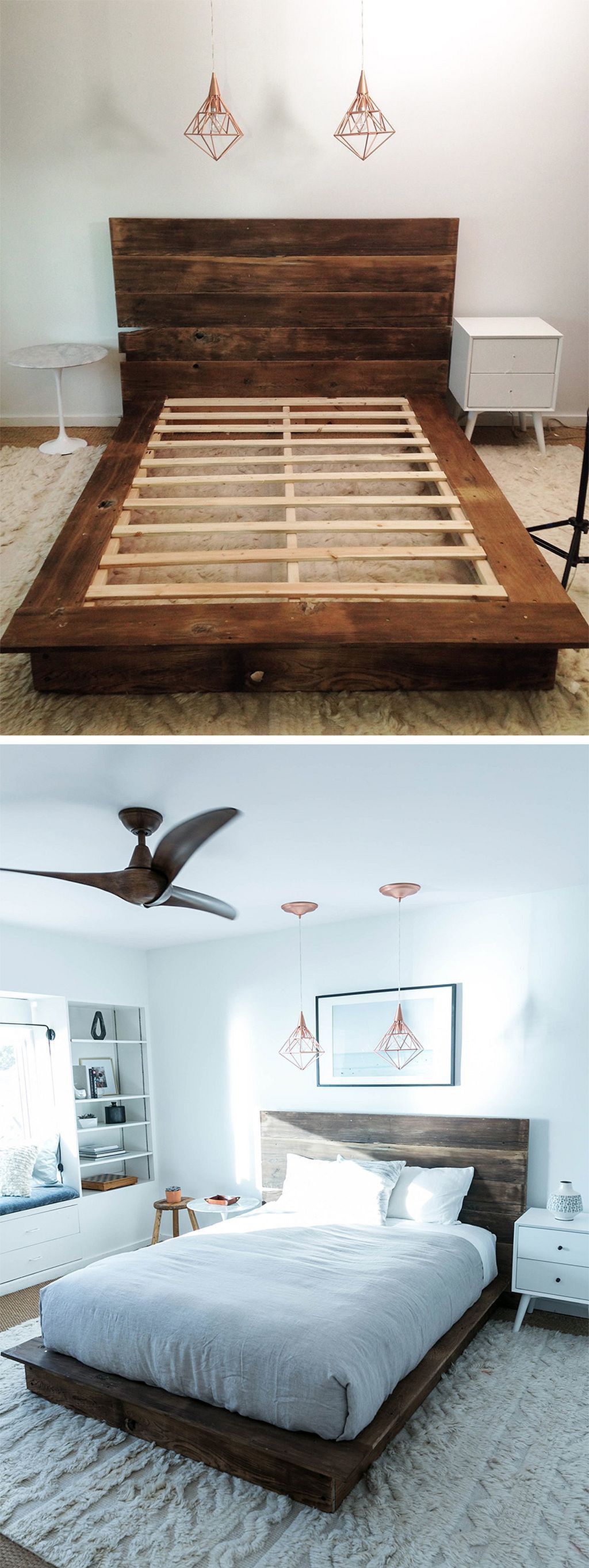
Understanding joinery and materials before you commit to a floating design

Navigating Regional Styles From Provence to Paris When Designing Your French Bedroom

Building a Peaceful Bedroom Environment Through Better Furniture Planning Methods
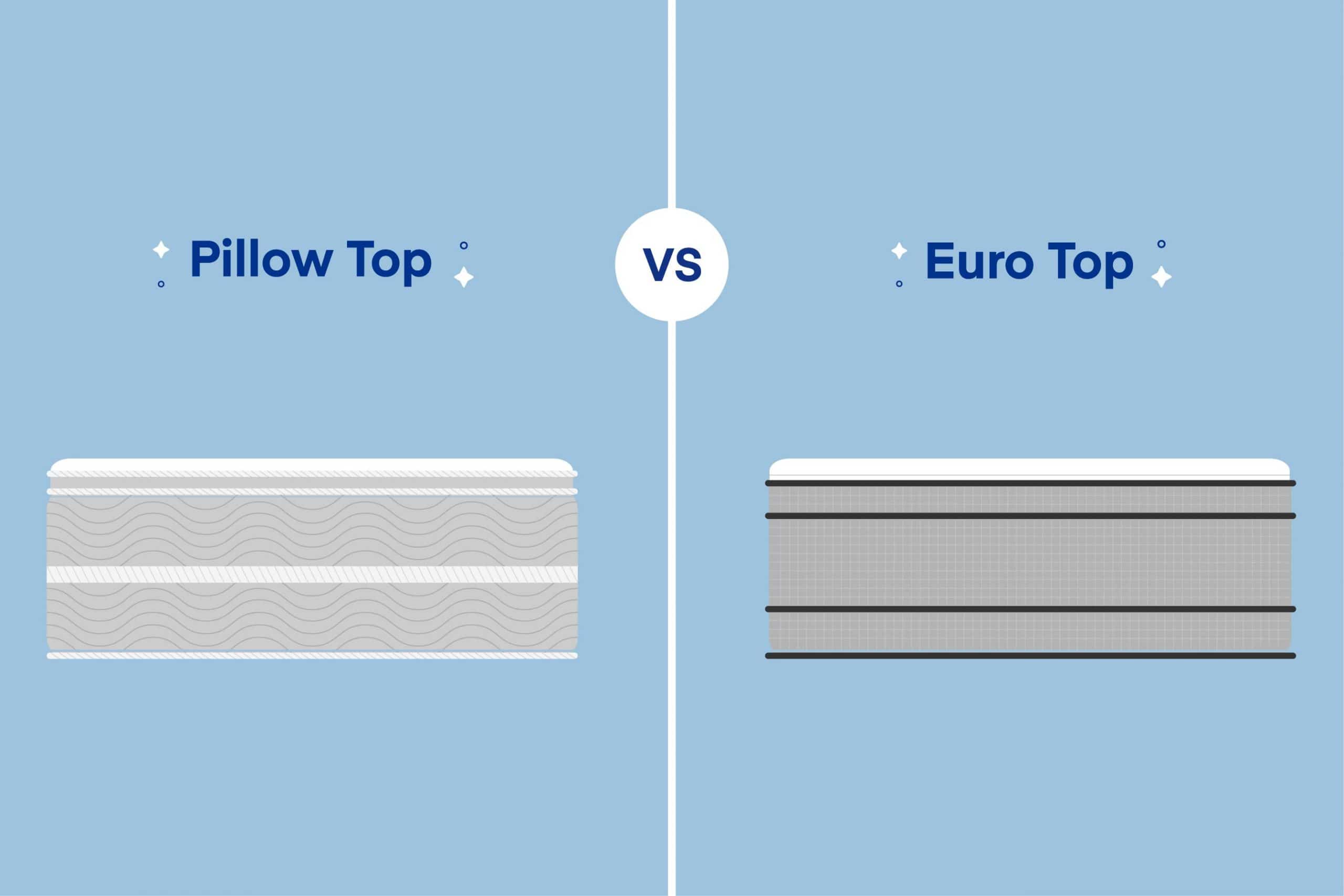
Navigating the Difference Between Flush Stitched Edges and Standard Pillow Tops

Understanding Air Valve Types to Prevent Leaks During Setup
Acoustics represent another hidden benefit of properly scaled headboard sizing. King mattresses sit in large rooms that often suffer from echo, bare drywall, and hard flooring surfaces that bounce sound waves around. A wide, heavily padded upholstered headboard acts as an effective sound-absorption panel, dampening ambient noise and creating a quiet, cocoon-like acoustic environment that dramatically improves sleep quality. When you scale that headboard wider to encompass your nightstands, you exponentially increase its acoustic dampening footprint, turning your bed alcove into a peaceful sanctuary of quiet.
Actionable Recommendations for Buying, Building, and Installing
Translating spatial theory and exact measurements into a finished bedroom requires a clear action plan. Whether you are browsing high-end retail showrooms, ordering a bespoke piece online, or rolling up your sleeves for a weekend woodworking and upholstery project, following a structured framework ensures professional results every time.
Adhering to these recommendations safeguards your investment and guarantees that your bedroom transformation looks intentional rather than improvised. Remember that a king size headboard is a substantial anchor piece that you will live with for years. Taking the extra time to measure twice, account for every architectural quirk, and choose a width that honors your room's natural proportions will yield a master suite that feels balanced, calm, and effortlessly sophisticated.
The journey to finding the ideal width of a king size headboard ultimately comes down to a harmonious marriage of mathematics, spatial design, and personal lifestyle. What starts as a simple quest for furniture dimensions quickly reveals itself as an exercise in architectural balance, where every inch matters. By moving past generic guidelines and analyzing your mattress footprint, wall perimeter, traffic flow, and nightstand layout, you transform a basic bedroom into a masterfully proportioned sanctuary.
As bedroom design trends continue to evolve toward bespoke architectural panels, integrated technology, and hotel-inspired luxury, the headboard remains the undisputed anchor of the space. Approach your project with patience, precision, and an eye for proportion, and you will create a bedroom environment that not only looks stunning in architectural photography but feels deeply restorative every single night.
