There is a quiet magic in walking into a room illuminated by the warm, amber glow of an oil rubbed bronze pendant light. You might not notice the fixture right away, but you definitely feel the mood it creates. It pulls you in, making a sleek modern kitchen feel instantly grounded or giving a minimalist dining space a dose of old-world soul.
If you've been browsing lighting options lately, you already know how overwhelming the choices can be. Stainless steel feels too sterile, polished brass might look a bit extra for your taste, and plain black sometimes lacks depth. That is where oil rubbed bronze steps into the picture. It offers a rich, deep chocolate tone with subtle copper undertones that catch the light just right. Let us dive into why these fixtures have remained a favorite for homeowners in 2026 and how you can bring them into your space effortlessly.
Understanding the Appeal of Oil Rubbed Bronze Finish
What actually is oil rubbed bronze? Historically, artisans rubbed oil over chemically darkened bronze to protect the metal and give it a soft, matte sheen. Today, modern fixtures mimic this classic living finish process. Instead of a flat paint job, you get a dimensional dark finish with soft highlights along the edges where the warm metallic tones peek through.

This finish acts as a chameleon in interior design. Whether your house leans toward rustic farmhouse, industrial chic, or mid-century modern, these pendants fit right in. They bring visual weight to rooms with high ceilings, anchoring the space without overwhelming it. Plus, unlike shiny chrome or high-polished nickel, oil rubbed bronze doesn't show fingerprints or water spots every single time someone touches it.
I remember chatting with a homeowner last year who was terrified that dark light fixtures would make her small kitchen look cramped. But once we hung two medium-sized bronze dome pendants over her island, it actually created an optical illusion of depth. The dark tone drew the eye upward, making the ceiling feel higher while bringing a cozy vibe down to counter height.
Choosing the Right Style for Every Room
Pendant lights aren't one-size-fits-all, and oil rubbed bronze comes in a massive variety of shapes and styles. A heavy metal dome pendant gives off strong industrial energy, directing light straight down onto a kitchen island or workspace. If you want something softer, look for fixtures that pair dark bronze hardware with clear or seeded glass shades.

For dining rooms, lantern-style bronze pendants create a stunning center point. The open geometric frames allow light to scatter across the ceiling while keeping the table well lit for family dinners. If you have a small nook or hallway, a single globe pendant with bronze accents adds just enough interest without crowding the hallway.
| Pendant Style | Best Room Placement | Primary Function | Ideal Ceiling Height | | :--- | :--- | :--- | :--- | | Metal Dome | Kitchen Island, Workbench | Downward Task Lighting | 8 to 10 feet | | Glass Globe | Entryway, Small Nooks | Ambient / Overall Glow | 9+ feet | | Open Lantern | Dining Table, Foyer | Focal Point & Task | 8 to 12 feet | | Multi-Light Cluster | Breakfast Nook, Living Area | Statement Lighting | 9+ feet |
Don't be afraid to mix materials either. Oil rubbed bronze looks incredible when paired with natural wood beams, exposed brick, or white subway tile. The contrast between the dark metal and lighter background textures makes the light fixture pop like a piece of art.
Sizing and Height Rules You Need to Know

One of the biggest blunders people make with pendant lights is getting the scale wrong. Hang a fixture too high, and it looks like it's floating away into space; hang it too low, and you will be ducking around it every time you clear the dining table. A good rule of thumb for kitchen islands is to hang pendants roughly 30 to 36 inches above the countertop surface.
When it comes to spacing multiple lights over an island, aim for 24 to 30 inches between each fixture. Always start by measuring from the center of your island outward so the balance feels natural. If your island is 6 feet long, two medium-sized pendants (about 12 to 14 inches wide) usually work better than three tiny ones.
For dining tables, ensure the bottom of the pendant sits about 32 to 36 inches off the tabletop. You also want the width of the fixture to be at least 12 inches narrower than the table itself on all sides. This keeps guests from bumping their heads when they stand up after a great meal.
Matching Bulb Temperatures and Dimmers

A light fixture is only as good as the bulb you put inside it. Because oil rubbed bronze has inherently warm, chocolatey tones, pairing it with super bright daylight bulbs (5000K or higher) can look harsh and blue. It completely ruins the cozy ambiance you are trying to build.
Instead, opt for warm white LED bulbs in the 2700K to 3000K color temperature range. Edison-style filament bulbs look particularly gorgeous inside clear glass bronze pendants, casting a golden glow that highlights the copper undertones in the metal. They give off that vintage aesthetic without sucking up tons of electricity.
Always install your pendants on a dimmer switch! Lighting needs change throughout the day. You might need bright task light at 7:00 AM while prepping breakfast, but by 7:00 PM, you want a dim, relaxed atmosphere for unwinding with a glass of wine. A quality dimmer gives you total control over the room's energy.
Mixing Metals Without Making a Design Disaster

Related Posts
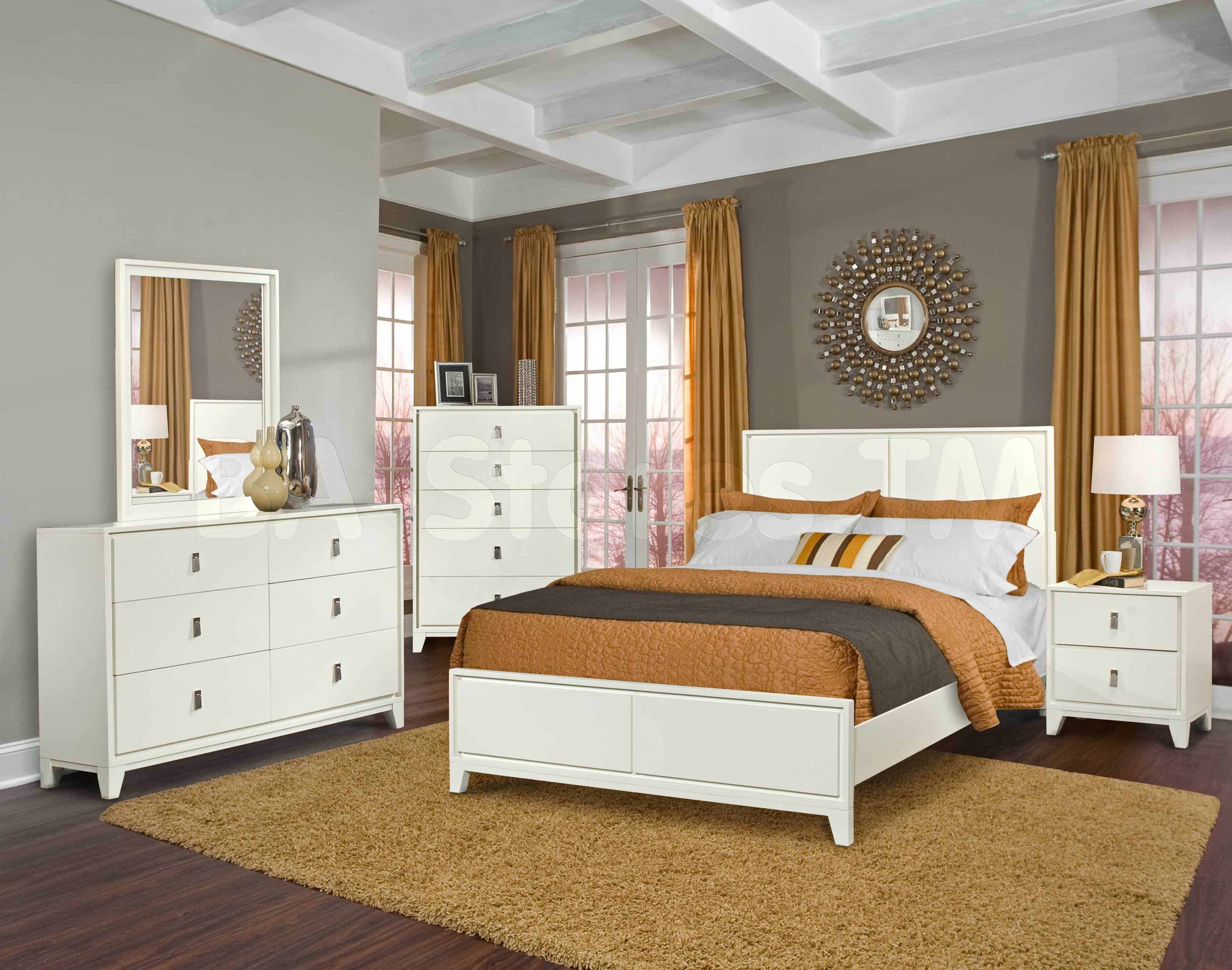
Bedroom furniture ideas that make small spaces feel calmer and more useful
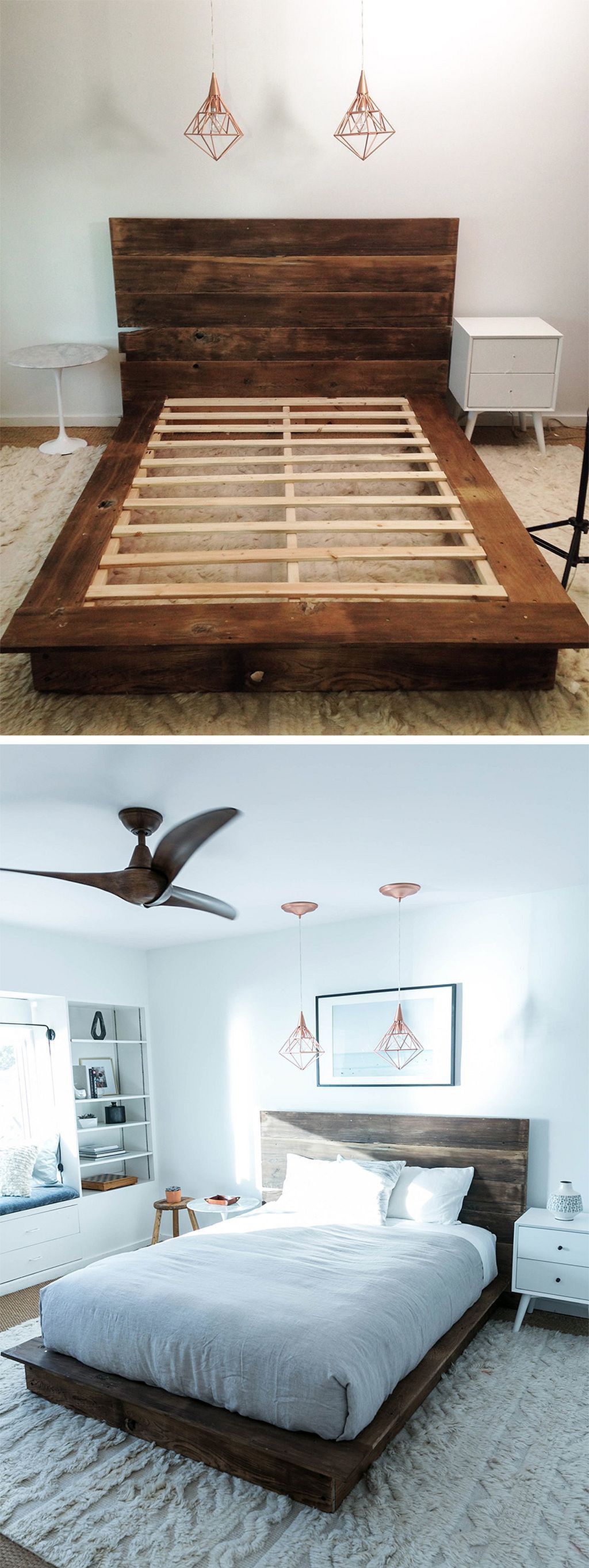
Understanding joinery and materials before you commit to a floating design
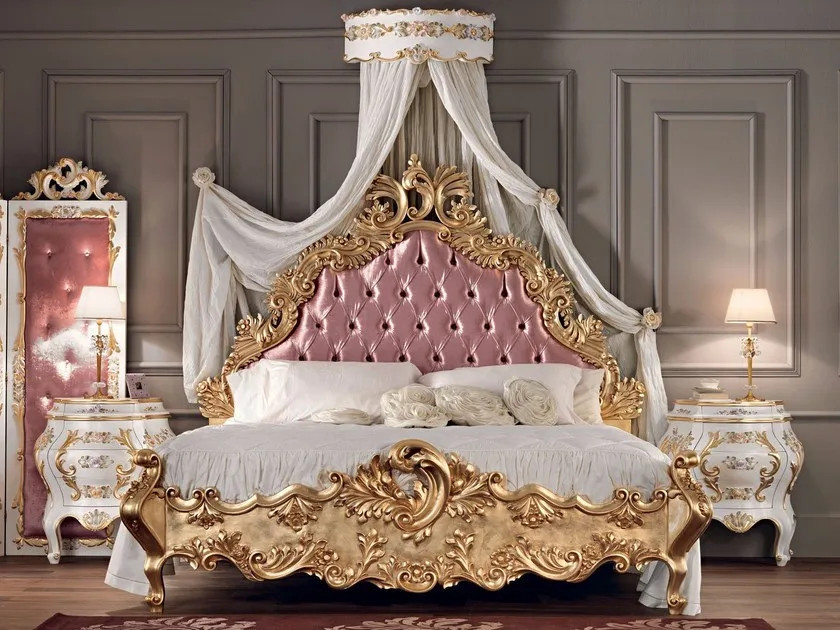
Navigating Regional Styles From Provence to Paris When Designing Your French Bedroom
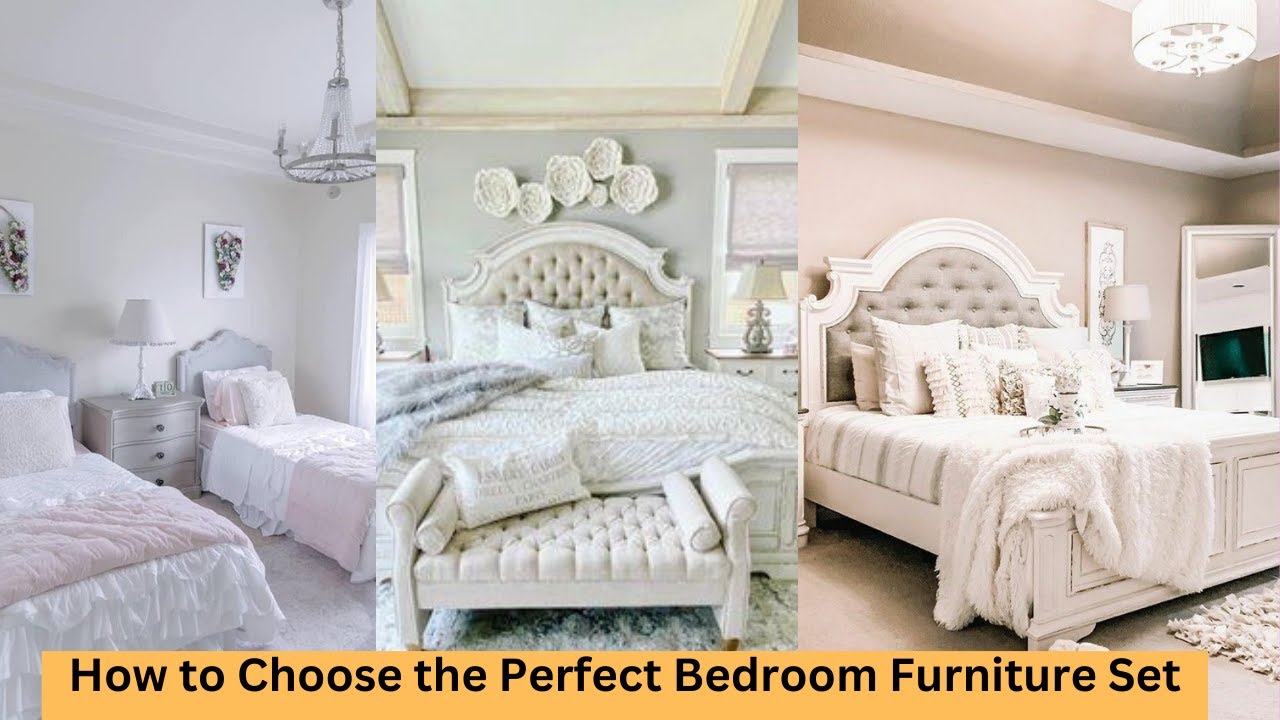
Building a Peaceful Bedroom Environment Through Better Furniture Planning Methods
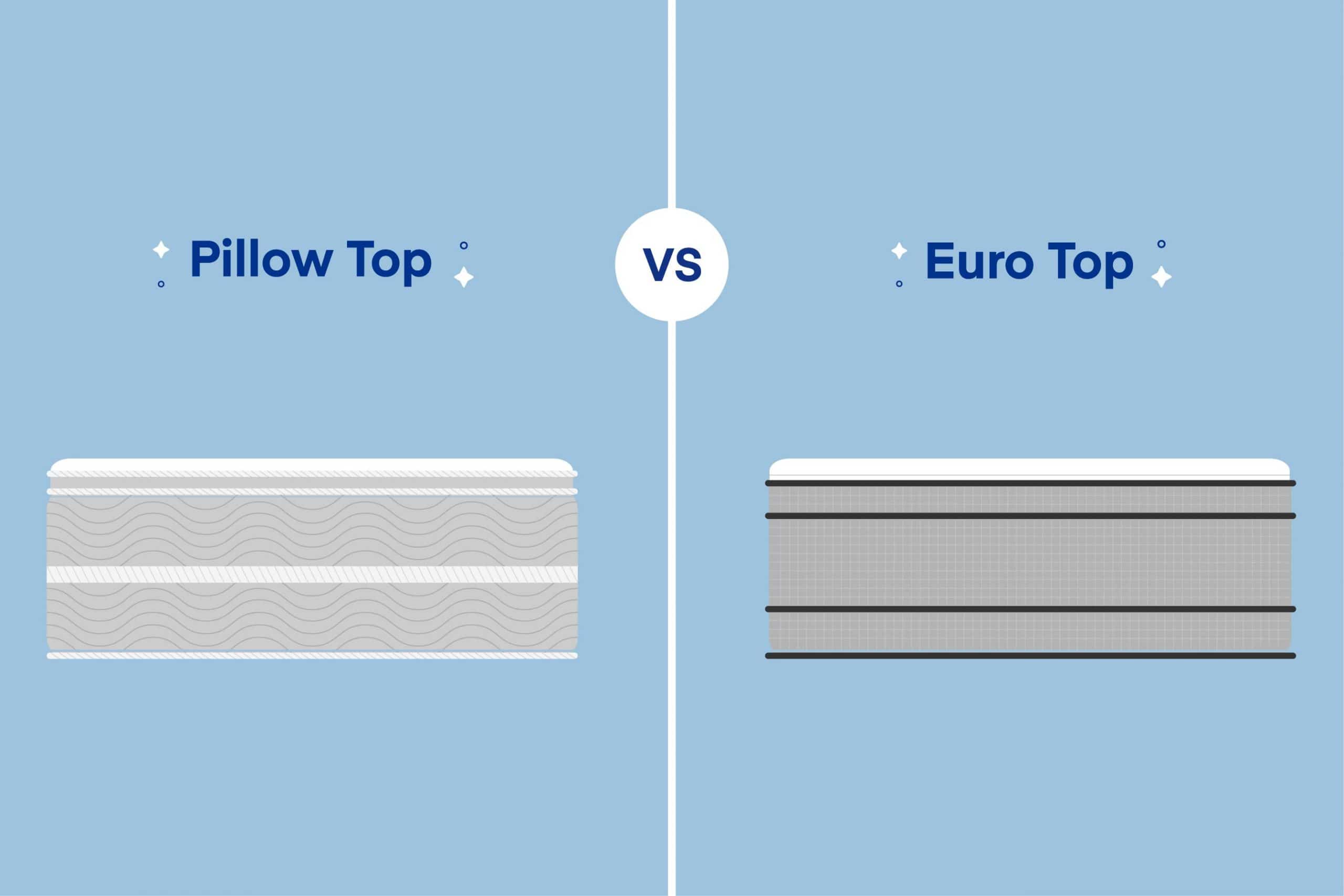
Navigating the Difference Between Flush Stitched Edges and Standard Pillow Tops
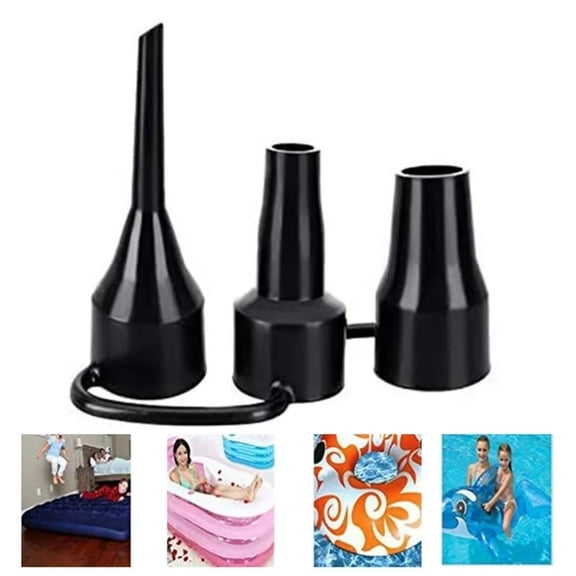
Understanding Air Valve Types to Prevent Leaks During Setup
There used to be a strict rule in home design: all your metals had to match. If your cabinet knobs were nickel, your lights, faucets, and door hinges had to be nickel too. Luckily, design standards in 2026 have evolved, and mixing metals is now one of the best ways to add character to your home.
Oil rubbed bronze works as an anchor metal because it is so close to dark brown or charcoal black. You can easily pair bronze pendants with brushed brass cabinet hardware for a warm, elevated look. Or pair them with matte black door handles for subtle variation that keeps the space from looking matchy-matchy.
The key to mixing metals successfully is intent. Pick one primary metal to dominate about 60% to 70% of the space, then use your oil rubbed bronze pendants as the accent metal. Just avoid mixing oil rubbed bronze with cold, highly polished chrome, as the contrast in warmth can sometimes feel disjointed rather than intentional.
Before you grab your wire strippers, always turn off the power at the breaker box. Safety comes first. If you are replacing an existing light fixture, installation is usually a straightforward weekend DIY project. Make sure your ceiling junction box is rated to support the weight of your new bronze pendant, especially if you chose a heavy glass or multi-light design.
Keeping oil rubbed bronze clean is super easy, but you have to use the right approach. Avoid harsh chemical cleaners, ammonia, or abrasive scrubbing pads! These can strip away the protective coating and ruin the subtle hand-rubbed finish.
All you really need is a soft microfiber cloth dampened with warm water. Wipe down the metal parts once a month to remove dust. If you have clear glass globes, a quick wipe with a 50/50 water and vinegar solution will bring back that crystal clarity without harming the bronze hardware nearby.
Oil rubbed bronze pendant lights are far more than just functional light sources—they are the finishing touches that turn houses into cozy homes. By choosing the right proportions, picking warm bulbs, and placing them thoughtfully, you can enjoy timeless warmth and style for years to come.