The delivery truck leaves two massive, banded crates on the curb, and the immediate reality hits you with full physical weight. A four poster bed king size is not merely a piece of furniture you slide into an empty corner; it is an architectural commitment. Standing at over seven feet tall and spanning nearly eighty inches wide, these frames demand physical space and spatial presence. When you clear away the protective moving blankets and reveal the corner posts—whether they are hand-carved mahogany, brushed industrial steel, or velvet-wrapped iron—the entire gravity of the room shifts upward.
For centuries, these grand frames served a very different purpose than they do today. In medieval and Renaissance Europe, heavy curtains and enclosed canopies were designed to trap heat in drafty, stone-walled castles and provide a crucial layer of privacy from household servants. Fast forward to the current design climate of 2026, and our priorities have shifted toward breathing room, sightlines, and aesthetic dominance. Yet, the emotional resonance remains untouched. Bringing a king-size poster frame into your home is an exercise in balancing structural drama with everyday livability, turning a simple bedroom into a secluded sanctuary.
Navigating this purchase requires looking past glossy catalog styling and facing the unvarnished realities of ceiling heights, stairwell clearances, and hardware integrity. A cheap frame will wobble at the joints every time you turn over, while a properly engineered hardwood or structural metal build will anchor your bedroom for decades. This guide breaks down everything required to choose, measure, assemble, and style a king-size four-poster bed so that it becomes the crowning jewel of your home rather than an expensive spatial mistake.
Decoding the Anatomy of Grand Scale and Spatial Engineering

A king mattress measures a generous 76 inches wide by 80 inches long. Add the structural mass of four vertical posts, structural side rails, a headboard, and potentially an overhead canopy grid, and your footprint easily balloons to over 82 inches wide and 86 inches long. Before committing to a purchase, you have to look up. Most standard four-poster beds range from 78 to 84 inches in height. If your bedroom features standard eight-foot ceilings (96 inches), a tall canopy frame leaves a mere twelve inches of clearance. That tight margin can make the ceiling feel compressed and claustrophobic unless handled with deliberate lighting and minimalist decor.
Material choice dictates not only the visual weight of the furniture but its structural longevity. Solid hardwoods like American black walnut, white oak, and kiln-dried acacia offer exceptional resistance to warping and provide the sheer mass required to keep a king-size footprint rock-solid. Metal frames, conversely, use hollow-core steel tubing or cast iron to achieve a slender, modern profile. While steel frames take up less visual real estate and fit seamlessly into contemporary or industrial settings, they require periodic hardware checks to ensure the corner brackets do not loosen under daily dynamic loads.
Joinery is the silent indicator of quality that separates heirloom pieces from flat-pack disappointments. Look for traditional mortise-and-tenon joinery or heavy-duty steel bolt-through connections at the corner posts. If a manufacturer relies exclusively on cam locks and wooden dowels for a king-size four-poster frame, pass on it. The sheer leverage exerted on the vertical posts when someone leans against the headboard will quickly compromise weak joints, resulting in an annoying, persistent squeak every time you shift positions at night.
Weighing Solid Hardwood Heritage Against Modern Metal Minimalism

The debate between solid wood and metal frames often comes down to personal design philosophy and how long you intend to keep the furniture. Solid wood frames, particularly those crafted by traditional artisans or regional makers, represent a substantial upfront financial investment. However, their structural integrity is unmatched. A well-constructed hardwood bed can be disassembled, moved across the country, and reassembled multiple times over thirty years without losing its rigid stance. Over time, the wood develops a rich patina, making it a true generational asset.
Metal frames, on the other hand, cater to a different sensibility. They strip away the visual bulk of traditional Victorian or colonial designs, offering clean, geometric lines that let natural light flow through the bedroom. Brands utilizing slim-profile iron or brushed brass allow you to place a massive king-size bed in a moderately sized room without completely blocking your sightlines to windows or artwork. They are lighter to maneuver during installation, though they demand careful attention to floor protection, as narrow metal feet can easily gouge hardwood flooring under heavy loads.
Upholstered variations have also carved out a significant market share, blending the architectural height of a poster frame with the tactile comfort of a cushioned headboard. If you enjoy reading or watching television propped up in bed, a wooden or metal headboard can quickly become uncomfortable against your spine. Upholstered headboards integrated into a four-poster silhouette solve this ergonomic dilemma, though they require more maintenance to keep free of dust and accidental stains. Balancing these material traits requires an honest assessment of your lifestyle, cleaning habits, and the existing architectural character of your home.
The Step-by-Step Methodology for Siting, Measuring, and Assembly

Bringing a king-size four-poster bed into your home is a logistical operation that demands careful sequencing. Skipping a step during the measuring or assembly phase can result in scratched walls, jammed hallways, or a rickety frame that fails its first real stress test. Follow this battle-tested framework to ensure a seamless transition from box to bedroom.
Navigating Structural Pitfalls and Common Styling Missteps
Even experienced interior decorators occasionally miscalculate the proportions of a king-size four-poster bed. Because the piece commands so much visual attention, small styling errors become glaringly obvious once the room is fully furnished. Recognizing these frequent traps helps you sidestep costly design mistakes and structural oversights.
The Long-Term Value and Economic Realities of Heirloom Furniture

In an era dominated by flat-pack, disposable furniture designed to last through a single apartment lease, purchasing a high-end solid wood four-poster bed is a quiet act of rebellion. While the initial price tag can cause sticker shock, looking at the long-term cost economics reveals a different story. Mass-market veneered frames often degrade within five years, requiring trips to the landfill and repeated replacement costs. Conversely, a mortise-and-tenon hardwood frame bought today can easily outlive its original owners, transitioning smoothly into an heirloom piece passed down through generations.
Environmental sustainability also aligns with investing in quality. Solid wood furniture sourced from responsibly managed forests or reclaimed timber reduces the demand for fast-furniture manufacturing cycles that churn out synthetic composites laden with glues and off-gassing resins. When you invest in a frame built to endure, you reduce your household waste footprint while bringing genuine organic materials into the space where you spend a third of your life.
Furthermore, the versatility of a well-designed four-poster frame protects your investment against shifting design trends. If you tire of traditional canopy drapes, you can strip them away and let the clean structural lines define a modern minimalist aesthetic. If you move to a home with completely different architectural proportions, a modular hardwood frame can adapt through thoughtful styling changes, proving that true quality never goes out of fashion.
Strategic Frameworks for Harmonizing Decor Around Your Centerpiece

Related Posts
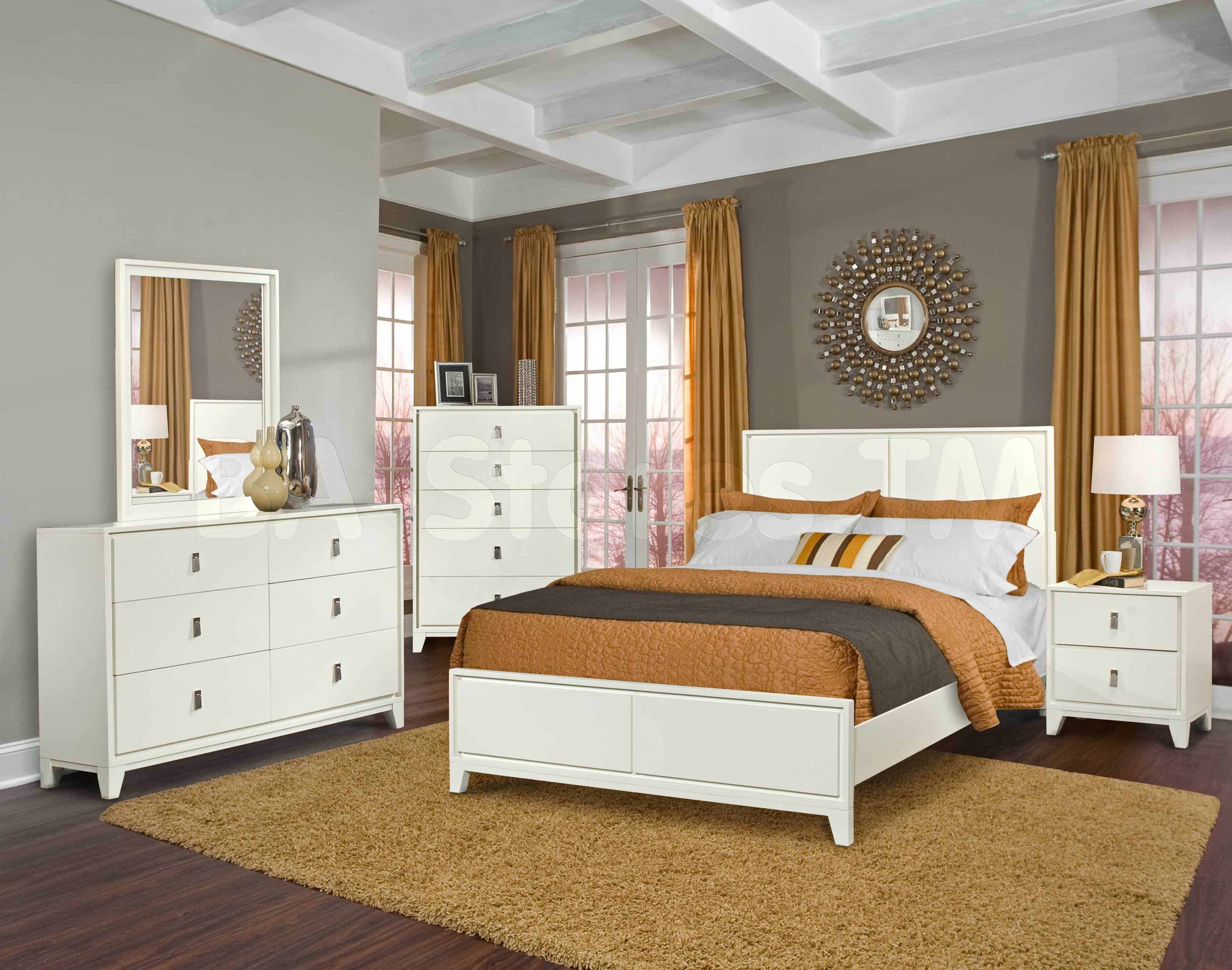
Bedroom furniture ideas that make small spaces feel calmer and more useful
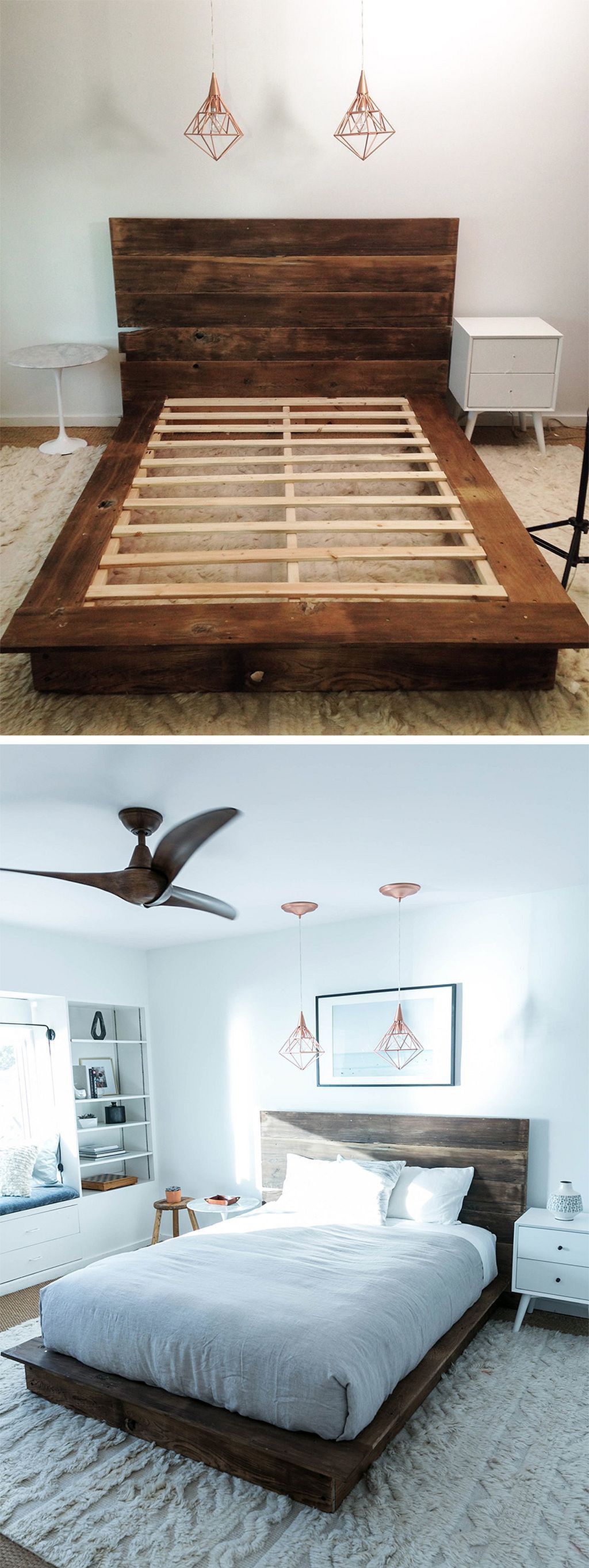
Understanding joinery and materials before you commit to a floating design
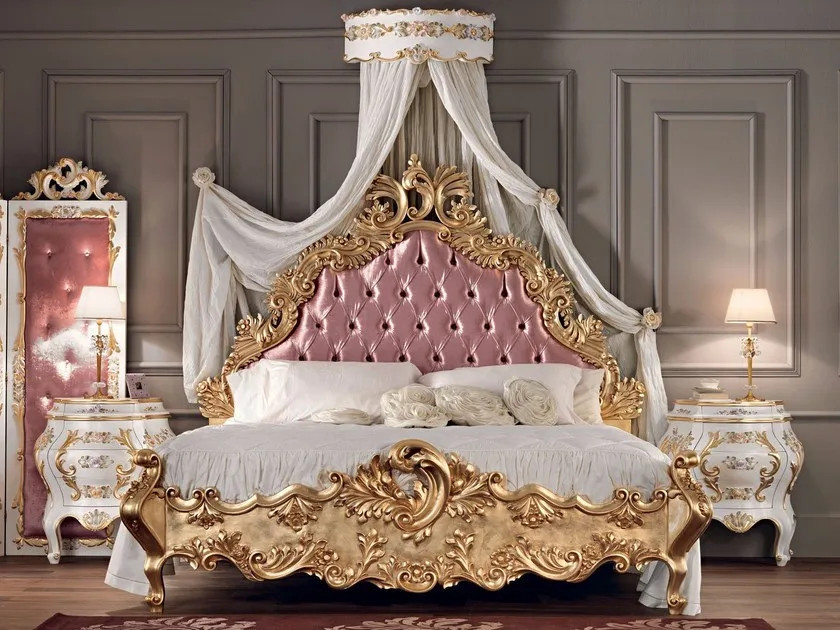
Navigating Regional Styles From Provence to Paris When Designing Your French Bedroom
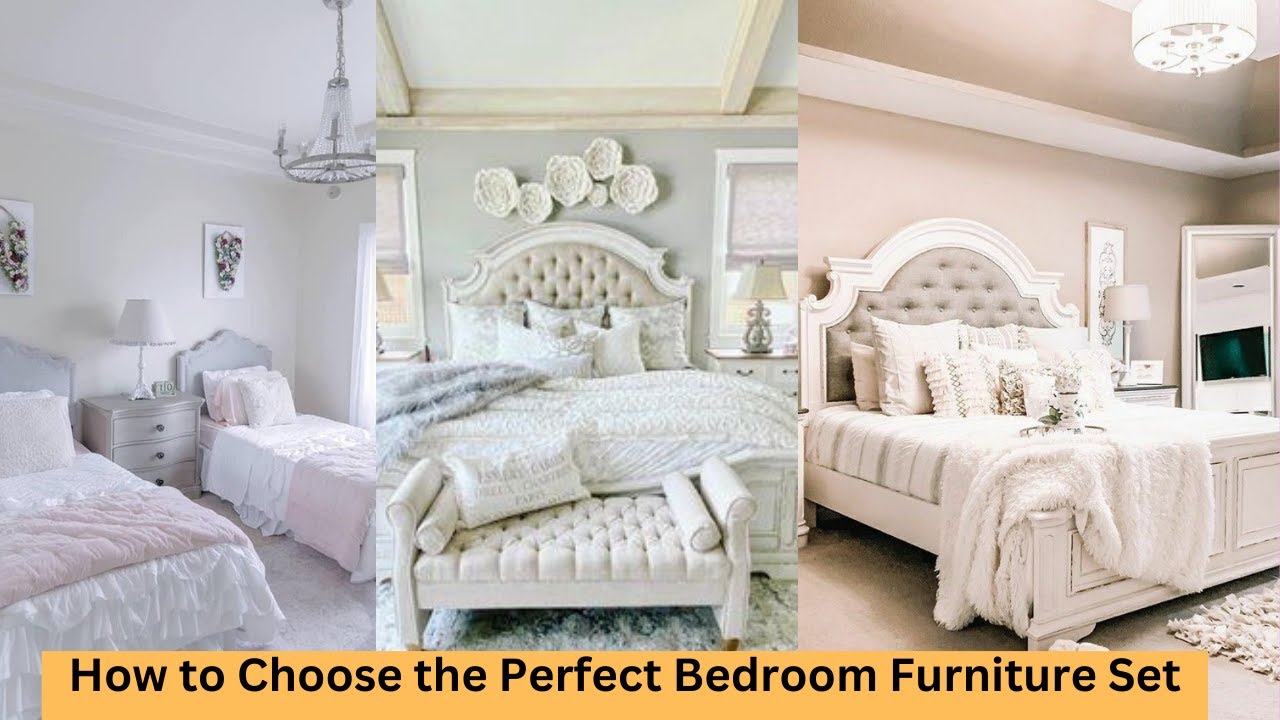
Building a Peaceful Bedroom Environment Through Better Furniture Planning Methods
Navigating the Difference Between Flush Stitched Edges and Standard Pillow Tops

Understanding Air Valve Types to Prevent Leaks During Setup
Styling a room around a king-size four-poster bed requires a disciplined approach to textile layering, wall treatments, and color theory. Because the bed naturally acts as the visual anchor of the space, every other element in the room should either support or gracefully contrast with its presence. Avoid competing focal points; if your bed features intricate, hand-carved mahogany posts, keep your window treatments and dresser designs understated to let the craftsmanship take center stage.
Bedding choices play a pivotal role in softening the rigid geometry of the wooden or metal frame. Pair a heavy structured frame with relaxed, organic linen duvets, oversized euro shams, and a textured throw blanket draped casually across the footboard. This juxtaposition between hard structural lines and soft, tactile fabrics creates the effortless, lived-in luxury found in high-end design publications.
Wall color and architectural molding also dictate how the bed feels within the room. Dark, moody wall colors like charcoal, forest green, or deep navy create a cocoon-like sanctuary when paired with warm wooden posts, making expansive bedrooms feel intimate and grounded. If your room is on the smaller side, crisp off-white walls combined with a slim black metal frame maximize light reflection, ensuring the massive footprint of the king bed never feels oppressive.
Inviting a four-poster bed king size into your home is far more than an interior design choice; it is an upgrade to your daily ritual of rest. By respecting the physical realities of scale, investing in sound joinery, and thoughtfully balancing your room's lighting and textiles, you transform a bulky piece of furniture into an architectural masterpiece.
As you move forward with your bedroom transformation, remember that patience is your greatest asset. Take precise measurements, vet your material choices, and give the physical space the breathing room it demands. When properly executed, your bedroom ceases to be just a place to sleep—it becomes a deliberate, restorative sanctuary built to serve you faithfully for decades to come.