The heavy thud of a delivery box hitting the bedroom floor usually brings a rush of excitement, quickly followed by a cold sweat. You tear open the cardboard, unwrap the plush fabric panels, and stand the piece up against the wall, only to realize the majestic vertical statement you imagined completely blocks your master bedroom's window molding. Or worse, the mounting brackets miss the bed frame's pre-drilled slots by a frustrating three inches. Buying furniture online or off-the-floor without mapping out the true spatial footprint of a large soft-surface fixture is a rite of passage for many homeowners, but it is an expensive and backbreaking mistake to fix.
A king mattress spans a massive seventy-six inches across, demanding an anchor that possesses equal physical presence and architectural balance. When you introduce plush padding, button tufting, nailhead trim, or winged side panels into the mix, a standard manufacturer's "king" label starts telling only half the story. The internal wooden frame might match the mattress width, but the actual upholstered silhouette can easily sprawl out to eighty-two inches wide and tower fifty-six inches off the finished floor. Navigating these hidden architectural variables requires more than a casual glance at a product listing—it demands a masterclass in precise spatial geometry, wall clearance, and ergonomic support.
For decades, the American bedroom has evolved from a purely utilitarian chamber into a personal sanctuary where textural layering reigns supreme. Foam-backed fabric fixtures turned hard wooden walls into comfortable reading lounges, transforming how we live, work, and unwind before sleep. Yet, standardizing comfort has never been straightforward. Variations between standard eastern king and California king mattresses, combined with differing ceiling heights and baseboard clearances, create a complex puzzle that catches many unseasoned renovators off guard.
Decoding the Blueprint of King Size Upholstery and Structural Widths

The foundation of any successful bedroom layout begins with the raw numbers governing mattress and furniture sizing. A standard Eastern King mattress measures precisely 76 inches wide by 80 inches long, while its western counterpart, the California King, trades width for length at 72 inches wide by 84 inches long. Because of these distinct footprints, an upholstered headboard built for a universal or standard king must be wide enough to bridge the gap cleanly without leaving awkward gaps or overwhelming the bedside tables. Standard industry measurements usually dictate a total width of 78 to 80 inches for a standard king headboard, granting a comfortable one-to-two-inch overhang past the mattress edges on either side.
Textural depth is another dimension that frequently catches buyers off guard during installation. Unlike thin wooden panels or wrought iron grids, an upholstered variant relies on heavy internal framing, high-density polyurethane foam layers, Dacron batting, and thick exterior textiles like velvet, linen, or performance leather. This padding assembly adds anywhere from two to six inches of literal thickness to the piece. When measuring total floor clearance, you must account for this depth so that your bed frame does not jut too far forward into high-traffic walking paths or interfere with bedroom door swings.
Wall attachment methods further dictate how these widths translate into physical space. Some models are designed as standalone wall-mounted panels, suspended securely via heavy-duty French cleats or robust z-clips anchored directly into wall studs. Others rely on bolt-on legs that attach directly to a metal bed frame or wooden platform base. Each mounting style interacts differently with baseboard heaters, electrical outlets, and wall sconces. Understanding the exact centerline of your wall studs relative to your bed's final resting position ensures that a wall-hung panel does not end up listing precariously to one side once the heavy mattress is pushed back into place.
Mastering Vertical Proportions, Ceiling Clearances, and Ergonomics

Height is where an upholstered headboard truly shifts from a mere furniture accessory into a defining architectural element. Standard heights range anywhere from forty-eight inches to a dramatic sixty-four inches or higher for custom floor-standing statement pieces. When the headboard is mounted directly to the bed frame, the visible vertical span depends heavily on mattress thickness and box spring usage. Modern mattresses often range from ten to fourteen inches thick, and when paired with a standard nine-inch foundation, the top of the mattress can sit thirty inches or more off the ground.
Ergonomics plays a vital role when defining this vertical plane. If you enjoy sitting up in bed with a stack of pillows to read or watch a late-night documentary, the peak contact point of your back and shoulders must align comfortably with the plush section of the upholstery rather than hitting a hard wooden crossbeam or the unpadded bottom edge. Lower-profile headboards might look sleek and minimalist in a showroom, but if the padded zone starts too high up, you will find yourself leaning directly against cold drywall. Conversely, an overly tall fixture can dwarf standard eight-foot ceilings, making an intimate sleeping space feel cramped and visually top-heavy.
Proportional balance also dictates how the headboard interacts with surrounding wall art, window frames, and lighting fixtures. As a rule of thumb, at least one-third of the headboard's total height should remain visible above the surface of the made bed, while two-thirds stays hidden behind pillows and blankets. If you plan to install hardwired reading sconces or hang framed prints above the bed, you must calculate the exact summit of the upholstery to maintain a comfortable three-to-six-inch breathing room between the top of the fabric and the bottom edge of the wall art.
Step-by-Step Methodology for Measuring and Selecting the Ideal Fixture

Executing a flawless bedroom upgrade requires a methodical approach to spatial analysis and hardware verification. Rushing this phase often leads to costly returns and frustrating assembly delays.
Avoiding Common Sizing Pitfalls and Navigating Complex Floorplans
Even with precise measurements, unexpected installation hurdles can derail a bedroom project if you are not prepared to troubleshoot them. Anticipating these roadblocks saves both time and frustration.
Long-Term Material Sustainability, Maintenance, and Aesthetic Evolution

Investing in a large upholstered furniture piece requires thinking beyond immediate visual appeal and considering long-term durability. High-density foam cores maintain their supportive bounce and loft for years, whereas cheap low-density alternatives sag and compress permanently within the first eighteen months of leaning. When selecting fabrics, look for commercial-grade performance textiles treated with stain-resistant finishes, especially if pets or children share the sleeping quarters. Performance velvets and tightly woven linens handle daily friction gracefully while resisting pulls and pet claws.
Environmental considerations also play an increasing role in modern interior design. Premium manufacturers now utilize CertiPUR-US certified foams free from harmful chemical flame retardants, alongside sustainably harvested kiln-dried hardwood frames that prevent warping and structural failure. Choosing durable, high-integrity materials reduces the frequency of replacement, aligning high-end interior styling with sustainable household management practices.
Cleaning and maintenance demand specific routines to preserve the fabric's original luster. Dust and skin oils accumulate rapidly on high-contact surfaces like button tufts and upper borders. Regular vacuuming with a soft brush attachment prevents particulate matter from embedding deep into the woven fibers, while professional upholstery cleaning every few years revives faded colors and eliminates hidden allergens. Protecting your investment ensures that the bedroom's anchor piece remains as pristine as the day it was unboxed.
Strategic Recommendations for Achieving Balance and Symmetry in Master Suites

Related Posts
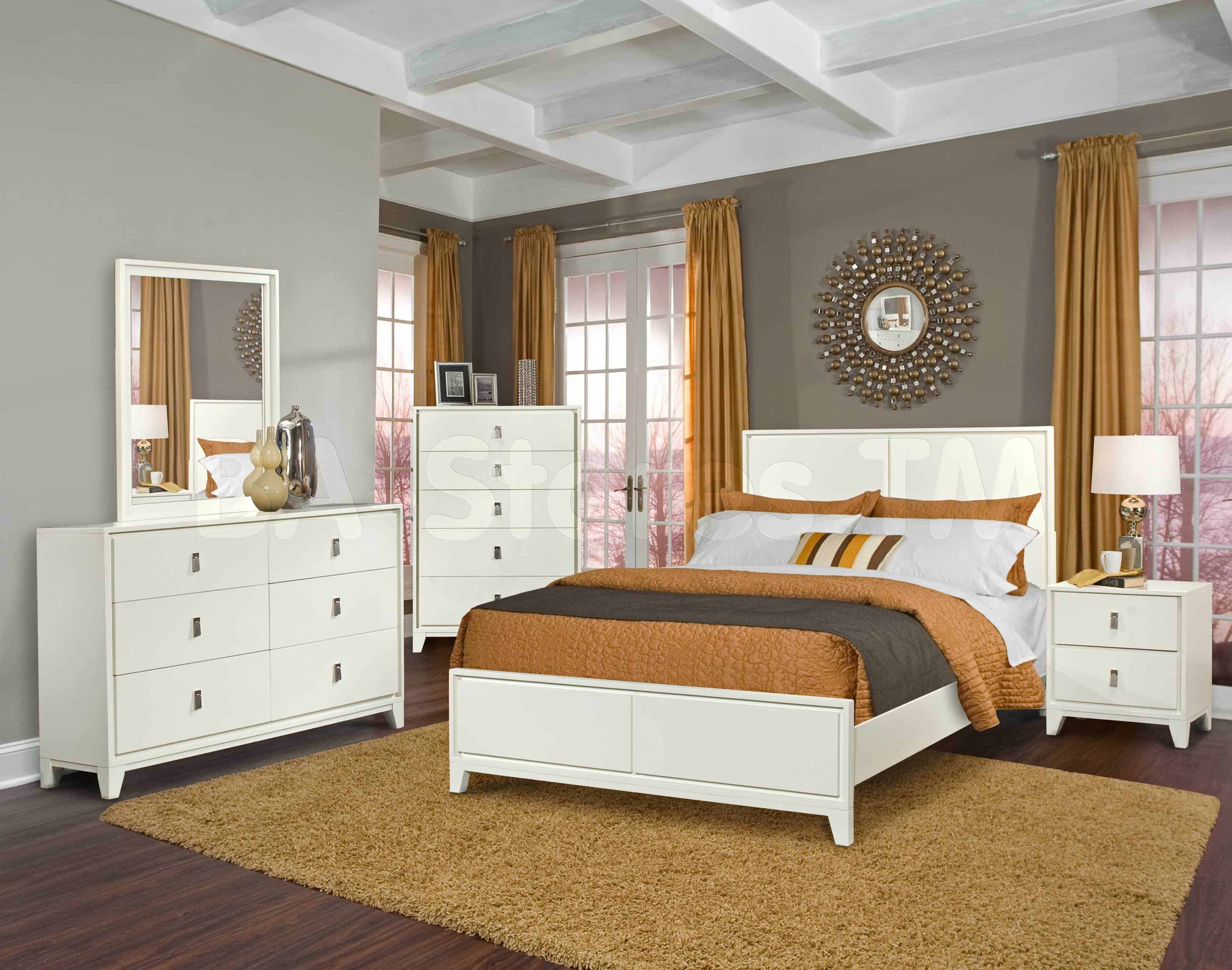
Bedroom furniture ideas that make small spaces feel calmer and more useful
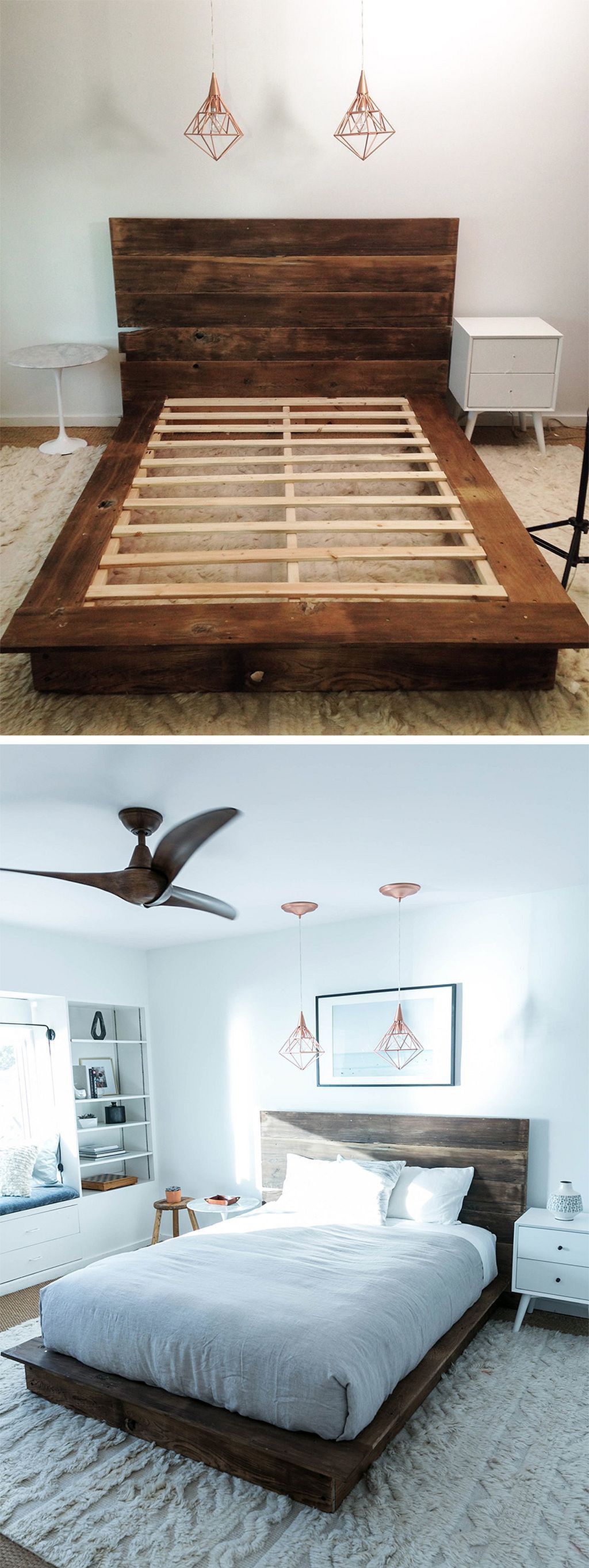
Understanding joinery and materials before you commit to a floating design

Navigating Regional Styles From Provence to Paris When Designing Your French Bedroom
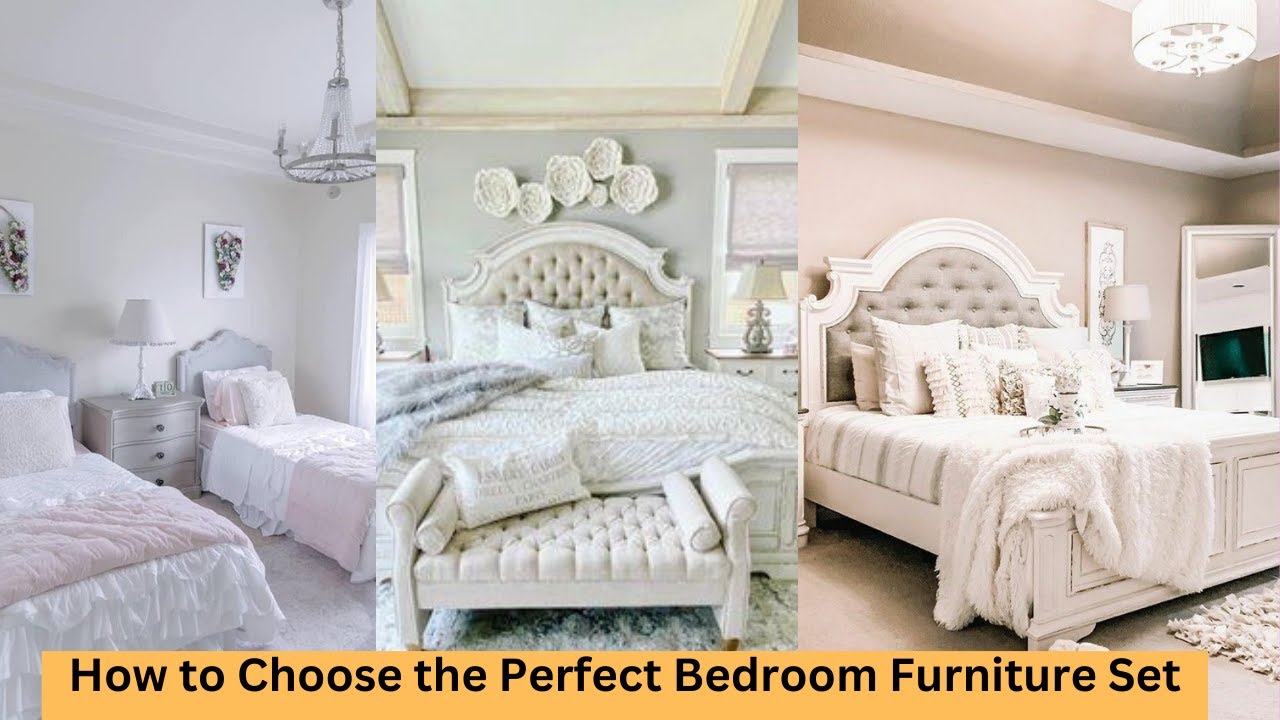
Building a Peaceful Bedroom Environment Through Better Furniture Planning Methods
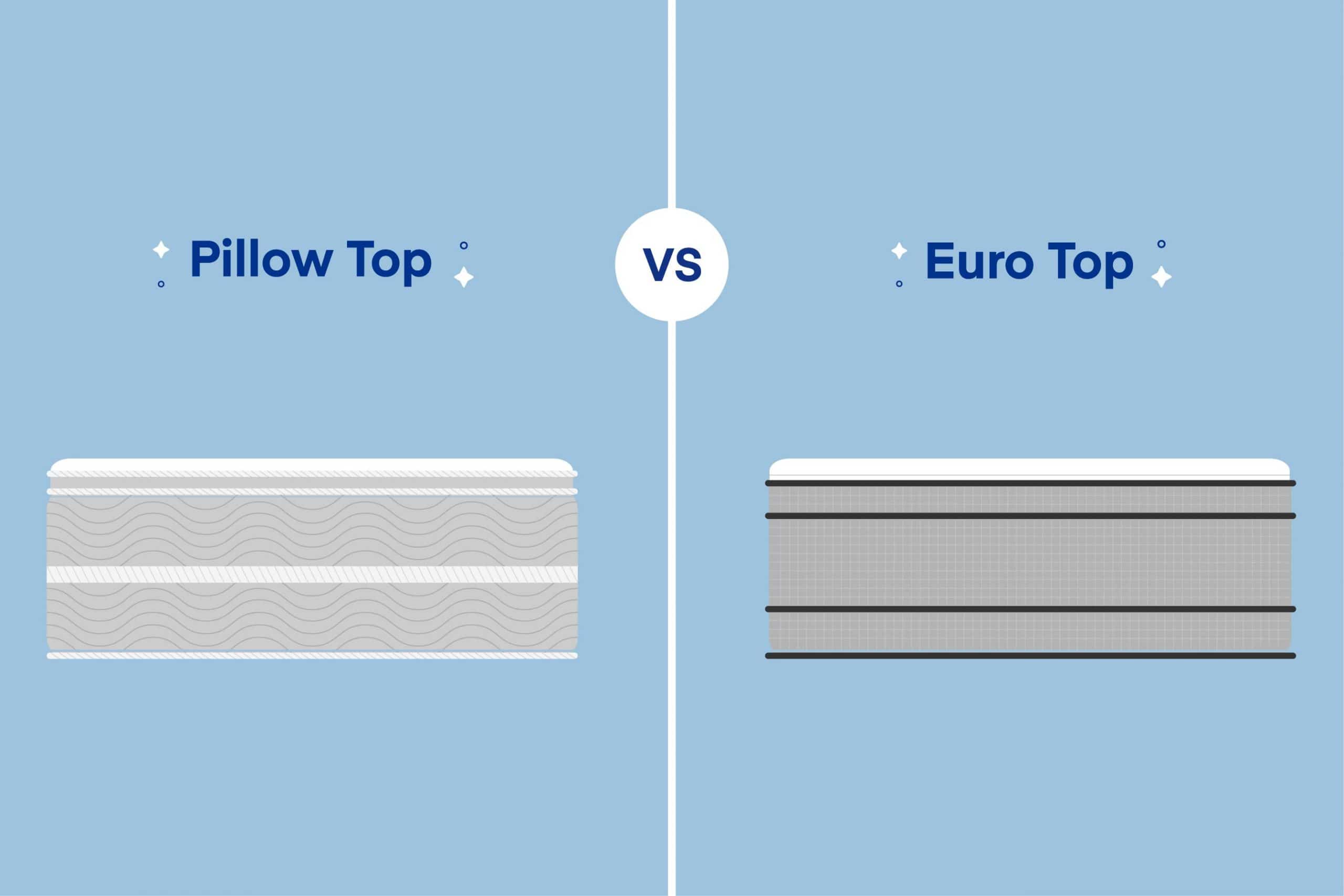
Navigating the Difference Between Flush Stitched Edges and Standard Pillow Tops
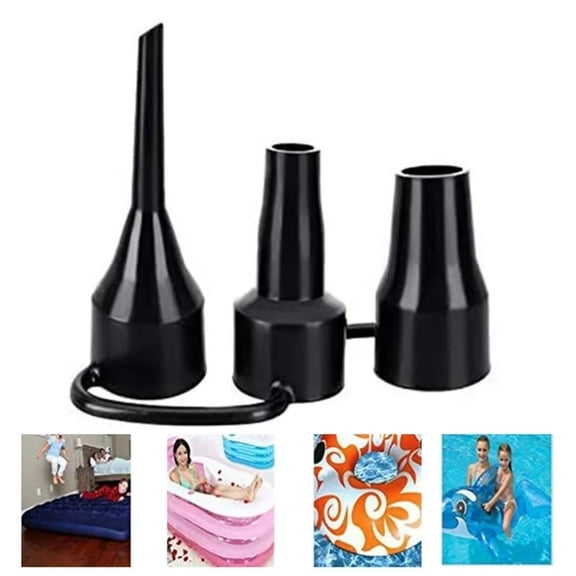
Understanding Air Valve Types to Prevent Leaks During Setup
Harmonizing a king size upholstered headboard with the rest of your bedroom furnishings requires a delicate balance of scale and negative space. Because a king bed commands so much visual weight, surrounding furniture must be chosen carefully to prevent the room from feeling crowded. Nightstands should ideally match or complement the height of the mattress surface, creating a cohesive horizontal plane that anchors the towering vertical lines of the headboard.
Color theory and texture selection further dictate the mood of the sanctuary. Neutral tones like charcoal, oatmeal, or warm taupe offer timeless versatility, allowing you to switch out bedding, rugs, and decorative pillows seasonally without clashing. If you opt for a bold, saturated jewel tone like emerald velvet or navy blue, let the headboard serve as the room's singular focal point, keeping window treatments and wall colors subdued to maintain visual equilibrium.
Lighting design acts as the final touch that elevates the entire installation. Wall sconces mounted just above the upholstered wings cast warm, directional light downward, highlighting the rich texture of the fabric while freeing up valuable surface area on your nightstands. By paying meticulous attention to these design layers, you turn a functional sleeping apparatus into a masterclass of interior composition.
Transforming a master bedroom starts with understanding the subtle geometry of scale, comfort, and space. A king size upholstered headboard is much more than a decorative backdrop—it is the structural and visual anchor of your most personal retreat. By taking precise measurements, accounting for architectural quirks, and prioritizing high-grade materials, you eliminate the guesswork that turns home renovation into a stressful ordeal.
As interior design trends continue to merge tactile comfort with clean architectural lines, the oversized upholstered fixture remains a timeless staple of modern living. Take your time, measure twice, and build a sanctuary designed to support both your daily rest and your aesthetic vision for years to come.