The heavy, brushed-linen duvet sinks softly under your hand as you step back, squinting against the late afternoon light pouring into the master bedroom. You have spent the last hour fluffing, chopping, and arranging a small mountain of bedding—standard pillows, oversized euro shams, and decorative throw pillows. Yet, the centerpiece looks wrong. The long, cylindrical bolster resting horizontally across the expanse of the mattress feels like an afterthought. It is either swallowed whole by the massive scale of a seventy-six-inch-wide king bed, looking like a lone hotdog bun on a cafeteria tray, or it stretches out so aggressively that it crowds the sleeping pillows, turning a luxurious sanctuary into a cluttered warehouse.
We have all wrestled with the visual geometry of a king bed. It is an enormous canvas that treats standard decor rules with absolute contempt. Walk into any luxury hotel suite or browse through the portfolio of a top-tier interior designer, and you will notice a quiet, intentional mastery over proportions. The secret to that effortless, high-end look rarely lies in spending thousands on imported European textiles; it rests almost entirely on spatial math, scale, and understanding how a single, well-chosen lumbar pillow anchors an entire room.
The lumbar pillow occupies a unique intersection between interior design and physical ergonomics. Originally engineered to support the human spine's natural curve during long hours of sitting or reading upright in bed, the horizontal bolster or rectangular lumbar has evolved into the ultimate styling anchor. On a standard queen or full bed, sizing is forgiving. But a king bed—measuring a sprawling 76 inches across—demands absolute precision. Go too small, and the pillow vanishes into insignificance. Go too wide, and you eliminate the negative space necessary to make a bed look inviting rather than barricaded. Achieving this balance requires looking past marketing gimmicks and analyzing the structural relationship between your mattress, your headboard, and your sleeping pillows.

Decoding King Bed Proportions and the Spatial Mathematics of Styling
A king-size mattress provides an expansive horizontal canvas of 76 inches wide by 80 inches long. When styling this vast surface, human eyes naturally seek focal points, grids, and proportional harmony. If you throw a standard 12-by-20-inch lumbar pillow—which looks magnificent on a twin or full bed—onto a king bed, it covers barely fifteen percent of the total width. The visual weight is completely thrown off, leaving the outer edges of the mattress looking desolate and disconnected. Conversely, placing an oversized 50-inch bolster across the bed leaves virtually no breathing room between the edges of the pillow and the bedside tables, creating a rigid, monolithic barrier.
Understanding scale in textile styling means treating the king bed not as one massive block, but as a layered composition. Professional stylists rely on the rule of thirds and proportional framing. For a king bed, the ideal decorative lumbar pillow should generally span between 35% and 50% of the total mattress width. This translates to a physical length of roughly 26 inches to 36 inches. Anything shorter fails to anchor the visual center; anything longer overwhelms the sleeping pillows placed behind it. The depth and height of the pillow are equally critical factors that dictate both its aesthetic punch and its physical utility when you propped yourself up with a hardcover book on a lazy Sunday morning.

The relationship between your headboard and your lumbar pillow is another frequently overlooked variable. If your king bed features a soaring, tufted velvet headboard that rises sixty inches off the floor, a flat, under-stuffed lumbar pillow will look entirely lost against the vertical drama. You need a thicker, high-loft bolster—ideally 14 to 16 inches in height with a robust feather-down insert—to hold its own against heavy architectural furniture. On the other hand, a low-profile, platform-style bed calls for a sleek, streamlined rectangular lumbar that emphasizes horizontal lines and understated modern elegance. Matching the volume of the pillow to the visual weight of the bed frame prevents stylistic friction.
Structural Anatomy of Lumbar Pillows: Dimensions, Inserts, and Fills
When shopping for a king-bed lumbar pillow, looking only at exterior dimensions is a rookie mistake. A pillow cover labeled as 14x36 inches will look radically different depending on whether it is stuffed with a cheap polyester batting or a luxury down-feather insert. The construction of the pillow core dictates its edge-to-edge span, its loft, and its ability to maintain a crisp "karate chop" or a smooth, plump cylinder without sagging in the middle. High-end interior designers almost exclusively specify inserts that are slightly larger than the decorative cover—known in the trade as "sizing up the insert"—to eliminate unsightly corner wrinkles and achieve that rich, bespoke plumpness.

For a standard king bed setup, three primary lumbar dimensions dominate professional portfolios: the 14x36 inch ultra-long rectangle, the 12x24 inch classic lumbar (best used in pairs or nested groupings), and the 10x30 inch cylindrical bolster. Each format serves a distinct structural and ergonomic purpose. The 14x36 rectangle is the undisputed king of king beds; it stretches wide enough to bridge the gap between two standard king pillows or three euro shams, creating a continuous horizontal anchor. A cylindrical bolster, by contrast, offers superior lower back support when sitting up in bed because its uniform tubular shape fits snugly into the natural lumbar curve without bunching up fabric against your spine.
Material selection extends far beyond visual appeal; it dictates tactile longevity and maintenance. Down and feather blends offer the ultimate malleability, allowing you to mold the pillow to your lower back while reading, yet instantly fluffing back into a pristine geometric shape when making the bed in the morning. However, if you suffer from allergies or prefer a firmer, unyielding support structure for therapeutic purposes, high-density molded memory foam or shredded latex inserts encased in a cotton cambric inner lining provide superior ergonomic alignment. The outer textile—whether heavy Belgian flax linen, rugged wool tweed, or smooth velvet—must be chosen with consideration for how often the bed is actually slept in versus how often it serves a purely decorative function.
Step-by-Step Methodology for Selecting and Styling Your King Lumbar

Executing a professional-grade bed styling involves a methodical sequence of decisions, moving from foundational bedding to the final accent placement. Rushing straight to the decorative pillows without establishing the structural layers behind them will result in a messy, disorganized appearance. Follow this field-tested framework to determine the exact size and placement of your king bed lumbar pillow every single time.
Common Pitfalls, Sizing Blunders, and Field-Tested Workarounds
Even experienced home decorators frequently stumble when translating standard pillow sizing rules to the oversized proportions of a king bed. Recognizing these common missteps saves you time, money, and the frustration of ordering textiles that look completely out of place once unboxed. Anticipating structural and visual pitfalls ensures your bedroom investment hits the mark on the first attempt.

Related Posts
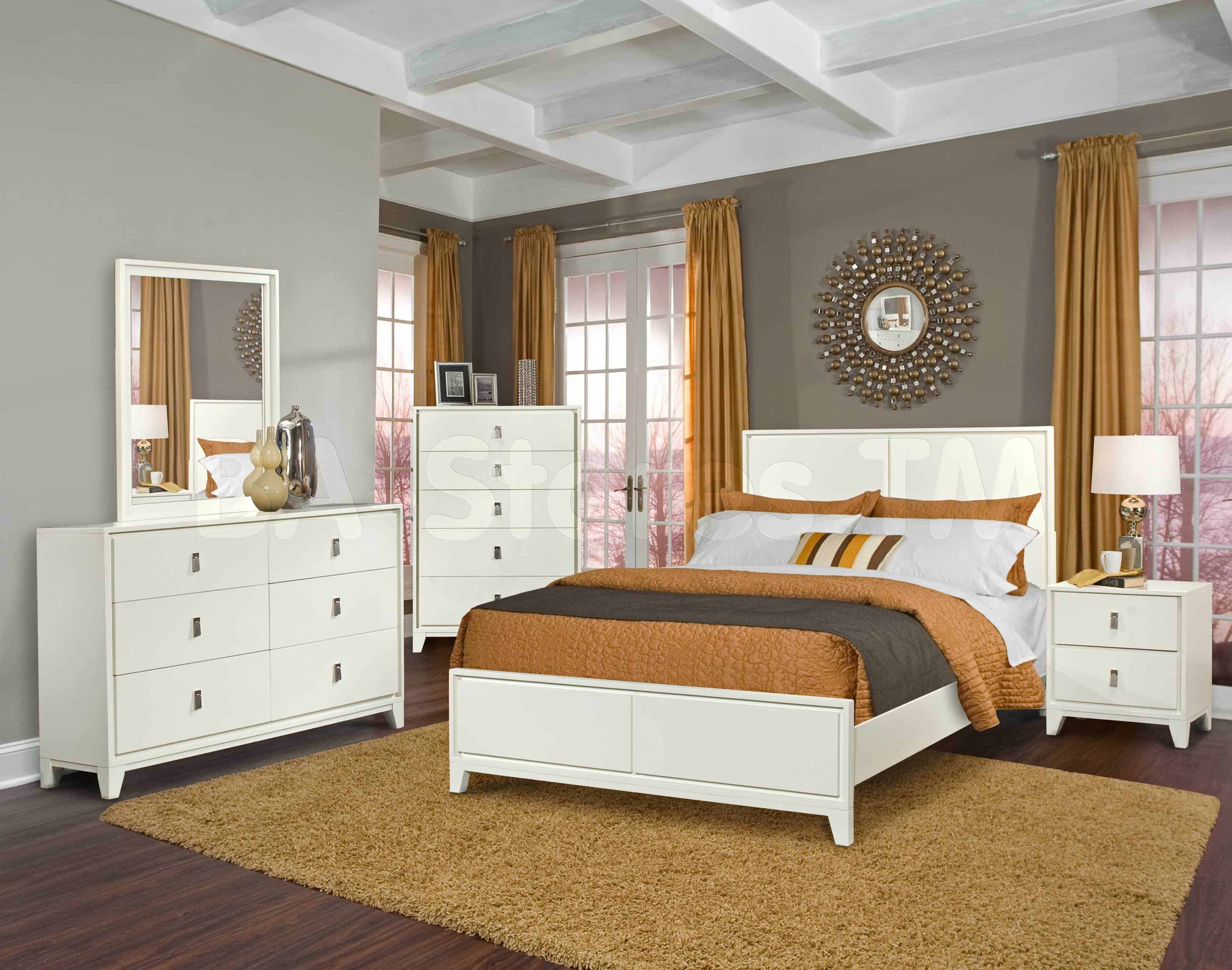
Bedroom furniture ideas that make small spaces feel calmer and more useful
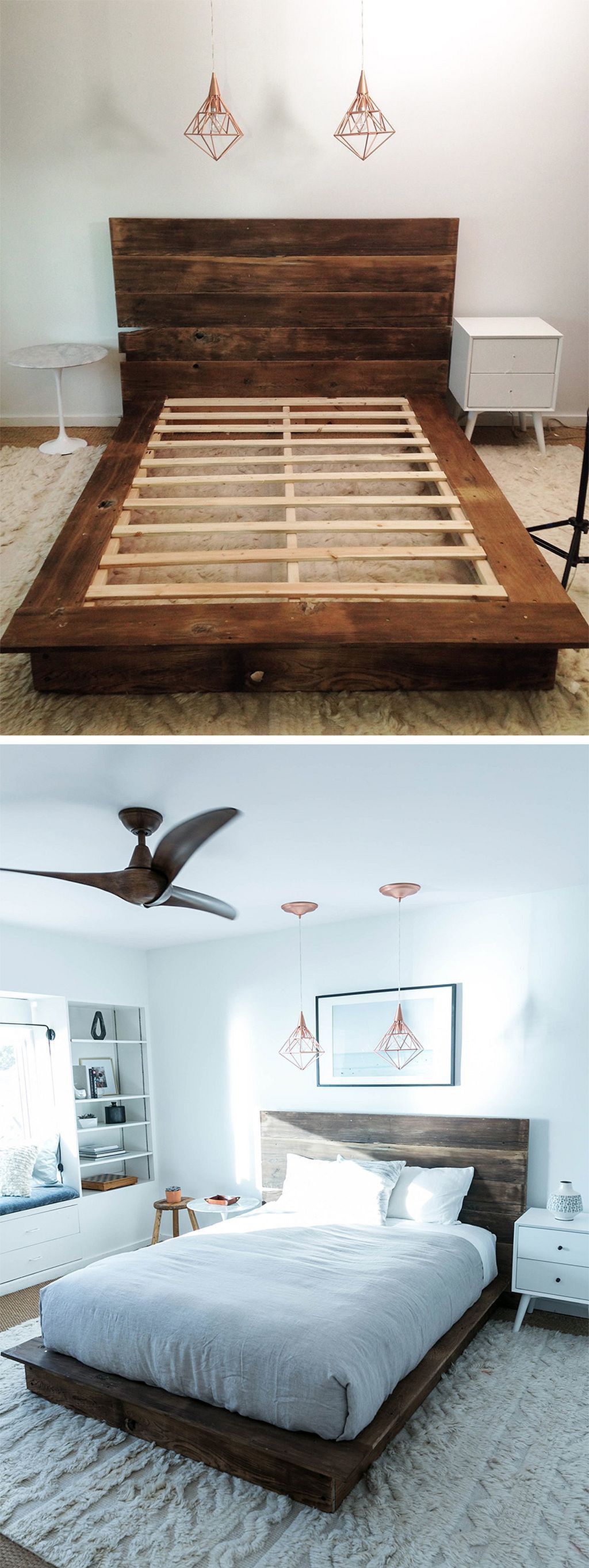
Understanding joinery and materials before you commit to a floating design

Navigating Regional Styles From Provence to Paris When Designing Your French Bedroom

Building a Peaceful Bedroom Environment Through Better Furniture Planning Methods
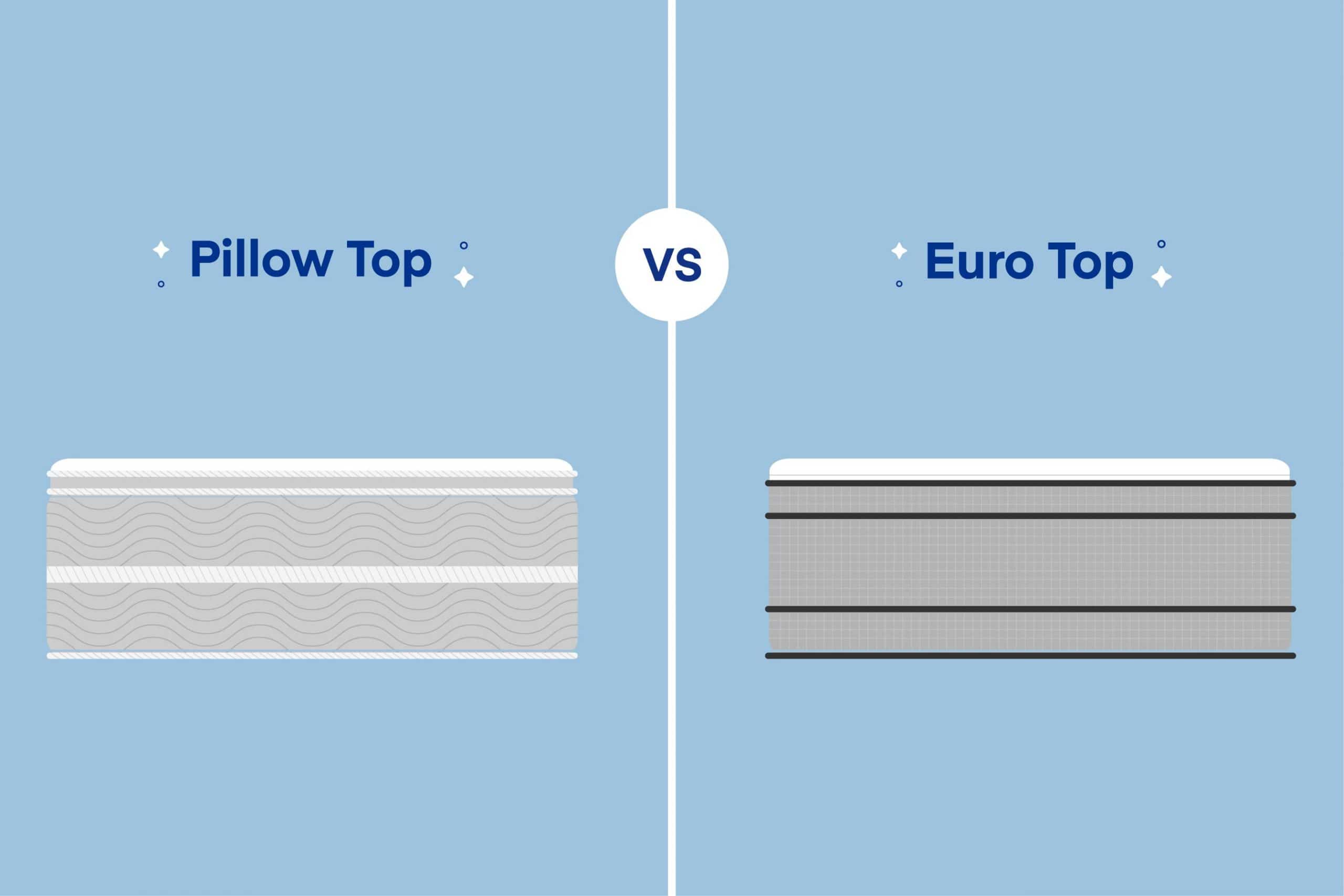
Navigating the Difference Between Flush Stitched Edges and Standard Pillow Tops
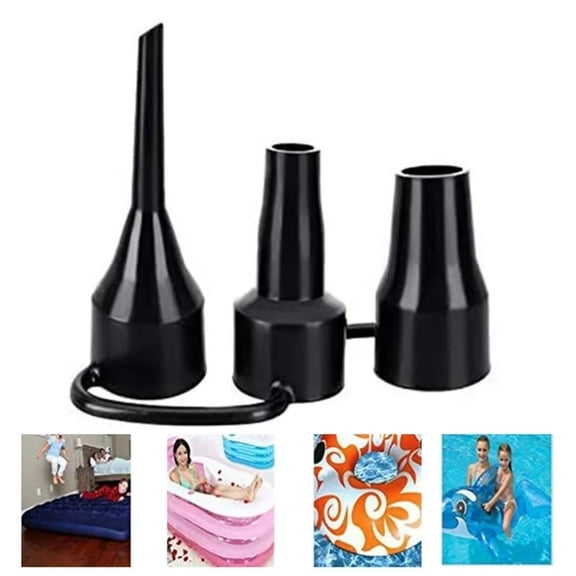
Understanding Air Valve Types to Prevent Leaks During Setup
Holistic Perspectives on Bedroom Architecture and Sustainable Textile Choices
The choice of a lumbar pillow extends far beyond immediate visual gratification; it forms part of a broader architectural and sensory ecosystem within the private sanctuary of your bedroom. In modern interior design, bedrooms are increasingly viewed as wellness pods—spaces optimized for psychological decompression, restorative sleep, and tactile grounding. Selecting natural, breathable materials like organic Belgian flax linen, certified organic cotton, and ethically sourced down not only elevates the tactile experience of the room but also drastically reduces off-gassing and indoor air pollutants associated with cheap synthetic bedroom furnishings.
Furthermore, viewing your bedding as an interconnected collection encourages sustainable consumer habits. Rather than buying entire new bedding sets every season to keep up with shifting trends, investing in a high-quality, perfectly sized neutral lumbar pillow insert allows you to simply swap out inexpensive, seasonal covers. A textured oatmeal linen cover for the humid summer months can easily transition to a rich brushed-wool or velvet cover when autumn arrives, all while retaining the same foundational 14x36 inch insert. This modular approach to home styling minimizes textile waste, maximizes economic value, and ensures your master suite remains adaptable to your evolving personal taste.
The psychological impact of a well-styled bed is well-documented in environmental psychology. Entering a bedroom where proportions are balanced, surfaces are uncluttered, and textures invite tactile interaction triggers an immediate nervous system downregulation. The horizontal lines created by a properly sized lumbar pillow act as a visual horizon, drawing the eye smoothly across the room and fostering a subconscious sense of order and calm. When every element—from the mattress dimensions to the pillow scale—operates in mathematical and aesthetic alignment, the bedroom transforms from a mere storage space for a mattress into a genuine sanctuary of rest and intentional design.
Actionable Recommendations for Curating Your Ultimate King Bed Lumbar Setup
Translating design theory into a finished, magazine-worthy bed requires a decisive execution plan. To ensure your investment yields an immaculate result, follow this curated checklist of professional recommendations before purchasing your next king-bed lumbar pillow:
Mastering the proportions of a king bed is an exercise in restraint, spatial awareness, and an appreciation for the subtle details that elevate a house into a home. By moving past guesswork and applying deliberate measurements, structural inserts, and thoughtful styling methodologies, you banish the visual awkwardness that plagues so many oversized bedroom setups. The result is a space that feels grounded, intentional, and deeply inviting at the end of a long day.
As interior design trends continue to prioritize holistic wellness, sensory grounding, and sustainable longevity, the humble lumbar pillow proves that luxury is rarely about excess. It is about precision. Take the time to measure your space, choose materials that honor both your aesthetic vision and your physical comfort, and watch how a single, perfectly proportioned accent transforms the entire landscape of your master bedroom.