Waking up with a stiff lower back or throbbing shoulders after sleeping eight hours is a frustrating ritual. You paid a small fortune for your mattress a few years ago, yet it now feels less like a sanctuary and more like a slab of architectural concrete. Tossing and turning until 3:00 AM, hunting for a cool spot on the sheets, has become your nightly routine. Buying an entirely new mattress costs thousands of dollars and involves the headache of disposal, delivery, and a frustrating break-in period.
There is an alternative approach that bypasses the furniture showroom altogether. A quality 2 inch foam mattress pad sits at the sweet spot of sleep engineering, offering enough profile depth to cushion bony prominences without letting you sink so low that your spine falls out of alignment. Whether you are dealing with a college dorm bed that feels like a prison cot, a guest room mattress that makes visiting relatives cringe, or your own prematurely aging main bed, understanding how to select, install, and maintain a 2-inch foam layer changes everything.
The sleep accessories market has matured dramatically. Gone are the days when foam pads were simple yellow sponges that degraded into crumbs within months. Today’s market features open-cell viscoelastic memory foam, graphite-infused thermal conductors, and highly resilient latex matrices. This guide breaks down the physics of the 2-inch profile, analyzes material science, and provides the exact framework needed to choose a pad that solves your specific sleep grievances.
Decoding the Physics and Material Science of the 2-Inch Profile

Why two inches? It is a question frequently asked by sleepers balancing the desire for plush comfort against the necessity of foundational support. A thickness of two inches represents a delicate engineering boundary. If you go thinner—say, one inch—the foam lacks the physical depth required to absorb the kinetic energy of heavy pressure points like shoulders and hips. You bottom out instantly against the firm mattress underneath. If you go thicker—four inches or more—you risk destabilizing your spinal posture, causing the lower back to arch unnaturally as you sink deep into a swamp of unmitigated cushioning.
At two inches, the foam pad modifies the top layer of your sleep surface while leaving the heavy lifting to the core support layers of your mattress. If your mattress is structurally sound—meaning it lacks deep, permanent body impressions or sagging coils—a 2-inch pad provides just enough contouring to deliver what sleepers often describe as a "slightly firm marshmallow" sensation. It softens the aggressive feedback of an over-firm bed without turning the surface into a pit that traps heat and restricts movement.
Material composition dictates how that two-inch layer performs over time. Standard polyurethane foam is affordable, but it lacks the density required for long-term durability. Viscoelastic memory foam reacts to body heat, softening where you are warmest to cradle your silhouette. Latex foam offers an instantaneous, bouncy response, pushing back against your body rather than slowly melting around it. Understanding these material behaviors prevents buyer remorse, ensuring that the pad you select matches your sleeping style, body weight, and thermal preferences.
Evaluating Density, ILD Ratings, and Your Sleeping Position

Choosing a 2 inch foam mattress pad without checking its density and Indentation Load Deflection (ILD) is like buying running shoes without knowing your shoe size. Density, measured in pounds per cubic foot (PCF), determines the longevity and substance of the foam. Low-density foams (under 3.0 PCF) feel light and airy but compress permanently within a year or two. Medium-density foams (3.0 to 4.5 PCF) strike an ideal balance of pressure relief and durability, while high-density foams (above 4.5 PCF) offer heavy-duty support and slower recovery times.
ILD measures how many pounds of pressure are required to compress a 4-inch foam sample by 25 percent. In a 2-inch pad, the feel is slightly altered, but the ILD rating remains your best roadmap for firmness. Side sleepers generally require a lower ILD (around 10 to 14) to let their shoulders and hips dip gently into the foam, preventing pinched nerves and restricted blood circulation. Back and stomach sleepers need a higher ILD (16 to 22) to keep their hips from sinking too deeply, which preserves a neutral spinal alignment and prevents morning backaches.
Body weight alters this equation significantly. Sleepers under 130 pounds rarely compress a 2-inch pad fully, meaning they experience the foam as quite firm regardless of its baseline ILD. Conversely, sleepers over 230 pounds may press straight through a low-density 2-inch pad down to the hard mattress below. For heavier individuals, high-density memory foam or a resilient 2-inch natural latex pad is essential to provide meaningful pressure relief without bottoming out.
Step-by-Step Methodology for Selecting and Installing Your Topper

Unboxing a foam mattress pad requires patience and correct sequencing. Because many high-density foam pads are compressed, rolled, and vacuum-sealed for shipping, they need time to decompress and off-gas before they are ready for nighttime duty. Rushing this process can lead to uneven expansion and lingering manufacturing odors that disrupt your rest.
Avoiding Common Mistakes and Troubleshooting Performance Issues
Even with careful selection, using a foam mattress pad can present unexpected hurdles. Temperature regulation is the most frequent complaint among foam users. Traditional memory foam traps body heat, turning your bed into a thermal blanket by midnight. Furthermore, slippage can drive you crazy if the pad shifts sideways every time you roll over. Anticipating these challenges allows you to implement field-tested workarounds before they ruin your sleep.
The Broader Impact of Micro-Upgrades on Sleep Economy and Longevity

In the broader context of home economics and wellness, adding a 2-inch foam mattress pad represents a masterclass in resource efficiency. Mattresses represent significant financial and environmental investments. Disposing of a mattress contributes heavily to landfill waste, and purchasing a brand-new luxury bed every seven years strains household budgets. By spending a fraction of that cost on a high-grade topper, you refresh the top comfort layers of your bed, effectively resetting the lifespan of your mattress by several years.
Sleep hygiene directly influences cognitive performance, immune function, and emotional resilience. When physical discomfort forces micro-awakenings throughout the night, your brain is robbed of restorative deep sleep and REM cycles, even if you do not consciously remember waking up. A well-chosen foam pad eliminates those pressure-induced wake-up calls, smoothing out the architectural topography of your bed so your muscles can truly relax.
Furthermore, this modular approach to bedding allows for personalization that traditional mattresses fail to deliver. If you share a bed with a partner who prefers a firm surface while you require soft pressure relief on your shoulders, a split-king setup or twin-size toppers placed side-by-side on a king mattress solve the age-old compromise debate. You retain your customized 2-inch cushion without forcing your partner into an uncomfortable sleeping posture.
Strategic Frameworks for Long-Term Maintenance and Optimal Performance

Related Posts

Bedroom furniture ideas that make small spaces feel calmer and more useful
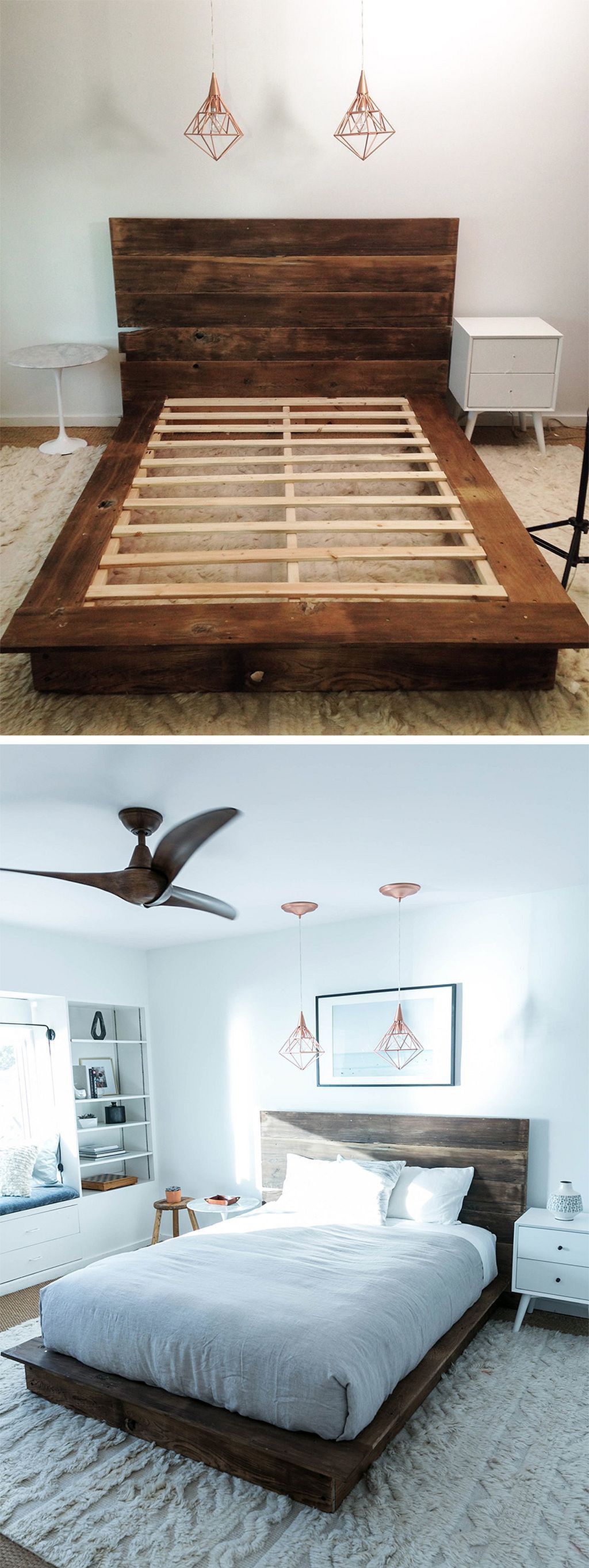
Understanding joinery and materials before you commit to a floating design

Navigating Regional Styles From Provence to Paris When Designing Your French Bedroom

Building a Peaceful Bedroom Environment Through Better Furniture Planning Methods
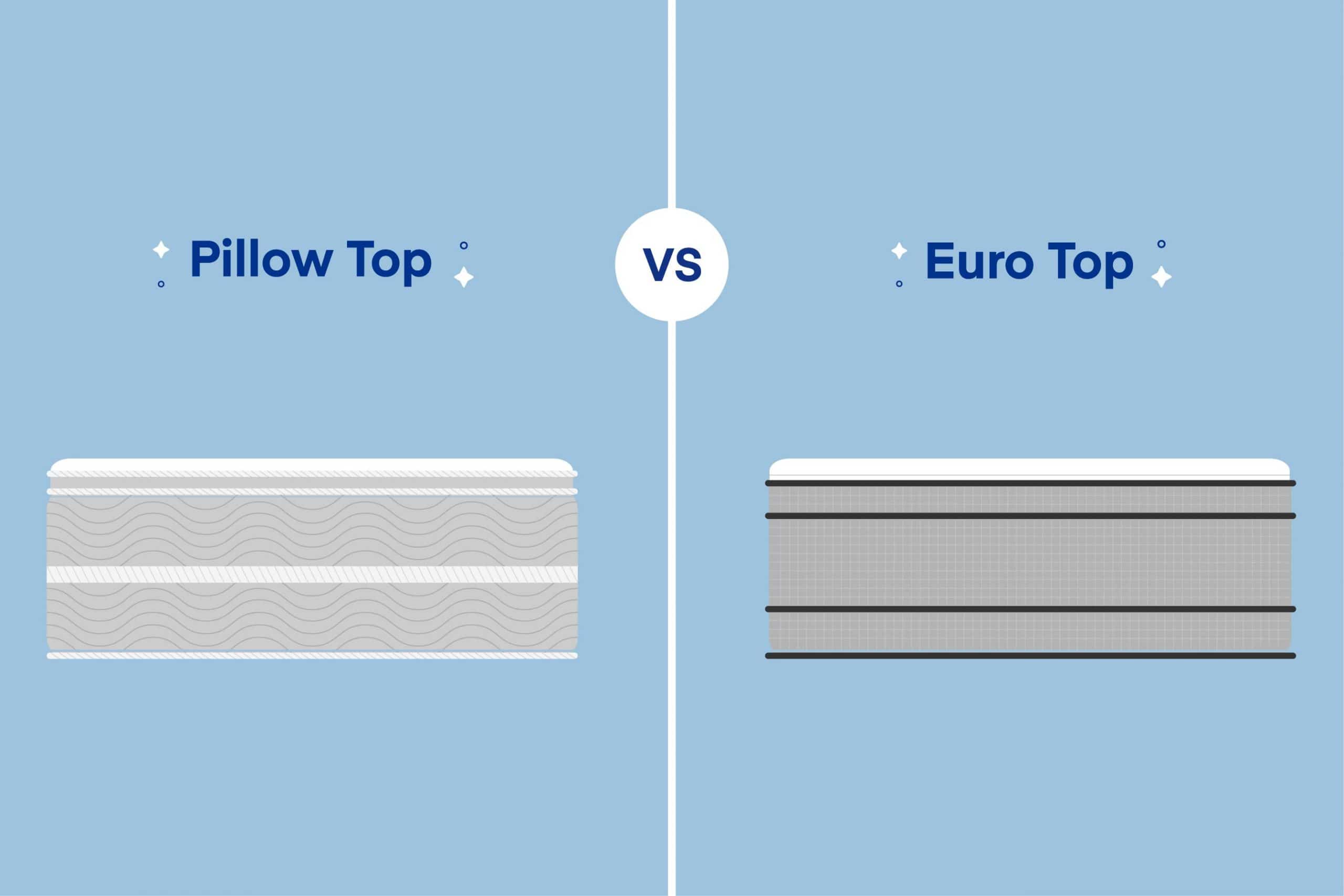
Navigating the Difference Between Flush Stitched Edges and Standard Pillow Tops
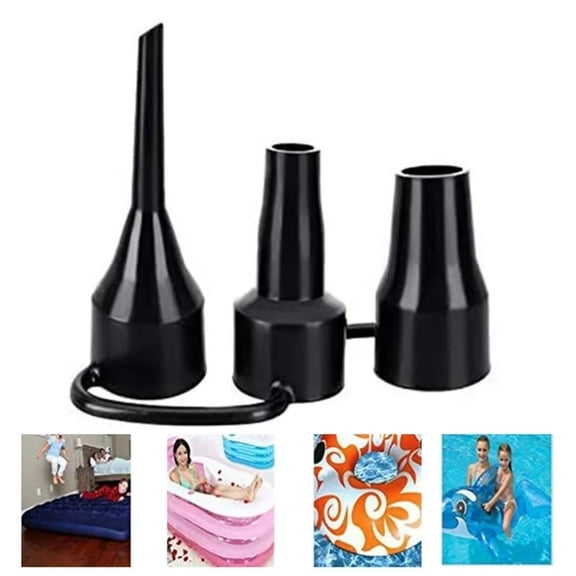
Understanding Air Valve Types to Prevent Leaks During Setup
Maximizing the lifespan of your 2-inch foam mattress pad requires proactive maintenance habits. Foam is sensitive to environmental stressors, including ultraviolet light, moisture, and mechanical shear forces. Treating your sleep pad with the same care you would give an expensive wool rug ensures it delivers resilient performance year after year.
Rotate your mattress pad 180 degrees every three to four months. Just as you rotate a standard mattress to distribute wear evenly, flipping your topper head-to-toe prevents permanent body impressions from forming in your heaviest pressure zones. If your topper is symmetrical, you can also flip it over top-to-bottom, provided it does not feature a specialized cooling gel layer on only one side.
Protect your investment with a waterproof, breathable encasement. Spills, sweat, and body oils degrade polyurethane and memory foam polymers over time, causing the material to yellow and lose its elasticity. A quality protector shields the foam from moisture while maintaining the plush feel of the surface. Air out your bed once a month by stripping the sheets for a few hours, letting fresh air circulate through the foam core to purge trapped humidity.
The quest for uninterrupted, restorative rest does not always require starting from scratch. When approached with technical discernment, upgrading your bed with a precision-engineered 2-inch foam mattress pad bridges the gap between agonizing firmness and expensive replacement costs. By evaluating density ratings, prioritizing thermal regulation, and understanding the physical limits of a 2-inch profile, you take direct control of your nightly environment.
Sleep is the foundation upon which every waking achievement is built. Clearing away the friction of physical discomfort unlocks deeper recovery, sharper focus, and pain-free mornings. Take the time to assess your body's specific needs, choose your materials wisely, and prepare to experience your bedroom in an entirely new light.