Midnight in a quiet suburban home often brings a symphony of rhythmic breathing, occasionally punctuated by the heavy, shuddering sigh of a 140-pound canine shifting its weight against hardwood floors. For anyone sharing their living space with a Great Dane, this auditory backdrop is entirely familiar. Yet beneath that heavy sigh lies a quiet anatomical crisis. When a dog the size of a small pony collapses onto standard carpeting or an under-padded pet store mat, their bony prominences—elbows, hips, and hocks—bear the brunt of an immense gravitational force.
Most commercial pet products sold as "extra large" are quietly engineered for Golden Retrievers and Labrador mixes topping out at seventy pounds. For the "Apollo of Dogs," these standard offerings flatten within days, reducing the sleeping surface to little more than a thin layer of fabric draped over bare floorboards. This mismatch creates an invisible burden on the skeletal system of a breed already vulnerable to joint degeneration, arthritis, and painful hygromas. Providing a proper sanctuary for a giant breed is not merely a matter of luxury; it is a foundational component of veterinary husbandry and structural preservation.
Evaluating the marketplace requires looking far beyond marketing buzzwords like "plush" or "cloud-like." True structural support for a Great Dane demands rigorous engineering: high-density polyurethane cores, solid or shredded memory foam matrices, waterproof liners that withstand unexpected fluid penetration, and heavy-duty ripstop covers capable of enduring enthusiastic nesting behaviors. Navigating these requirements transforms the purchasing decision from a casual retail transaction into a targeted investment in canine orthopedic health.
Anatomy of a Giant: Why Standard Pet Beds Fail Great Danes

The physiological profile of the Great Dane presents unique design challenges that render ninety percent of retail dog beds completely inadequate. Weighing anywhere from 110 to 180 pounds and stretching up to seven feet from nose to outstretched tail tip, these dogs require a surface area that mimics a small human mattress rather than a traditional pet cushion. When a dog of this magnitude lies down, the pressure exerted per square inch on their elbows and hips spikes dramatically, rapidly compressing cheap polyester fill or low-density egg crate foam until the animal is essentially sleeping on the subfloor.
This phenomenon, known in the industry as "bottoming out," exposes vulnerable joints to hard surfaces, directly accelerating the formation of pressure sores and fluid-filled elbow calluses called hygromas. Furthermore, Great Danes are notorious for stretching out fully on their sides or curling into tight, compacted spheres depending on the ambient temperature. A bed that lacks sufficient spatial dimensions forces the dog's limbs to dangle over the edge, misaligning the spine and straining muscles that should be relaxing during deep REM sleep cycles.
Material degradation occurs at an accelerated rate when subjected to giant-breed physics. Standard sewing threads snap under the friction of heavy paws, and lightweight zippers pop open the moment a dog pivots on the fabric. Understanding these structural demands shifts the focus toward commercial-grade textiles, heavy-duty stitching techniques, and high-density foam slabs that maintain their rebound resilience over years of daily compression.
Orthopedic Science and Foam Densities: Decoding the Mattress Core

Beneath the washable outer shell of a premier extra large dog bed lies a complex material science focused entirely on load distribution and spinal alignment. Not all foam is created equal, and manufacturers frequently use misleading terminology like "orthopedic foam" to describe basic upholstery padding that offers zero therapeutic benefit. For a Great Dane, the core must consist of either high-density solid memory foam or a multi-layered composite design that pairs a supportive base layer with a conforming top layer.
Memory foam operates on thermo-sensitive principles, contouring precisely to the body's heat and weight profile, which equalizes pressure across the skeletal frame. However, pure low-density memory foam will swallow a giant dog whole, leaving them trapped in a thermal sink with no leverage to stand back up—a critical hazard for older dogs suffering from canine cognitive dysfunction or severe hip dysplasia. The ideal mattress balances conforming comfort with robust counter-pressure, typically utilizing a high-density polyurethane foam base of at least 1.8 to 2.5 pounds per cubic foot density, topped with a two-to-three-inch layer of gel-infused memory foam to regulate body temperature.
Heat retention represents another silent enemy of giant-breed sleep quality. Great Danes possess large muscle masses that retain thermal energy efficiently, making them prone to overheating on dense, unventilated foam beds. Modern orthopedic designs integrate cooling gel matrices, open-cell foam structures, or breathable air-mesh gussets that actively dissipate heat away from the sleeping surface, ensuring the dog remains comfortable throughout the night without seeking out cool tile floors.
Step-by-Step Methodology for Selecting and Maintaining the Ideal Bed

Securing the right sleep system for a giant breed requires a methodical approach that accounts for physical dimensions, behavioral tendencies, and home maintenance realities. Rushing into a purchase based solely on price or aesthetic appeal often leads to premature replacement and chronic discomfort for the animal.
Navigating Common Pitfalls and Field-Tested Workarounds
Even experienced pet owners frequently stumble into predictable traps when outfitting a home for a giant dog. Recognizing these miscalculations before spending money saves both frustration and veterinary bills down the line.
Economic Value, Longevity, and Sustainable Pet Care

Investing in a premium, commercial-grade extra large dog bed requires a substantial upfront financial commitment, often ranging from two hundred to four hundred dollars. However, viewing this purchase through an economic lens reveals that buying cheap beds is a false economy. A low-quality forty-dollar pet store cushion will flatten, tear, and require replacement every six to twelve months, resulting in recurring expenses that quickly surpass the cost of a rugged, lifetime-guaranteed orthopedic mattress.
Durability directly correlates with sustainability in the pet product ecosystem. By purchasing products manufactured with high-density, CertiPUR-US certified foams and replaceable covers, owners reduce the volume of discarded synthetic materials entering landfills. Furthermore, maintaining structural support preserves the musculoskeletal health of the animal, potentially mitigating costly veterinary interventions related to chronic joint inflammation and hygroma management as the dog enters its senior years.
The integration of these sleep systems into domestic architecture also deserves consideration. Because extra large beds occupy a significant footprint in a living room or bedroom, selecting neutral, high-end upholstery fabrics ensures the product harmonizes with home interiors rather than looking like an eyesore. Manufacturers offering replacement covers in various textures and colors allow owners to refresh the aesthetic of the bed as home decor evolves, extending the functional lifespan of the core investment indefinitely.
Strategic Frameworks for Long-Term Canine Wellness

Related Posts
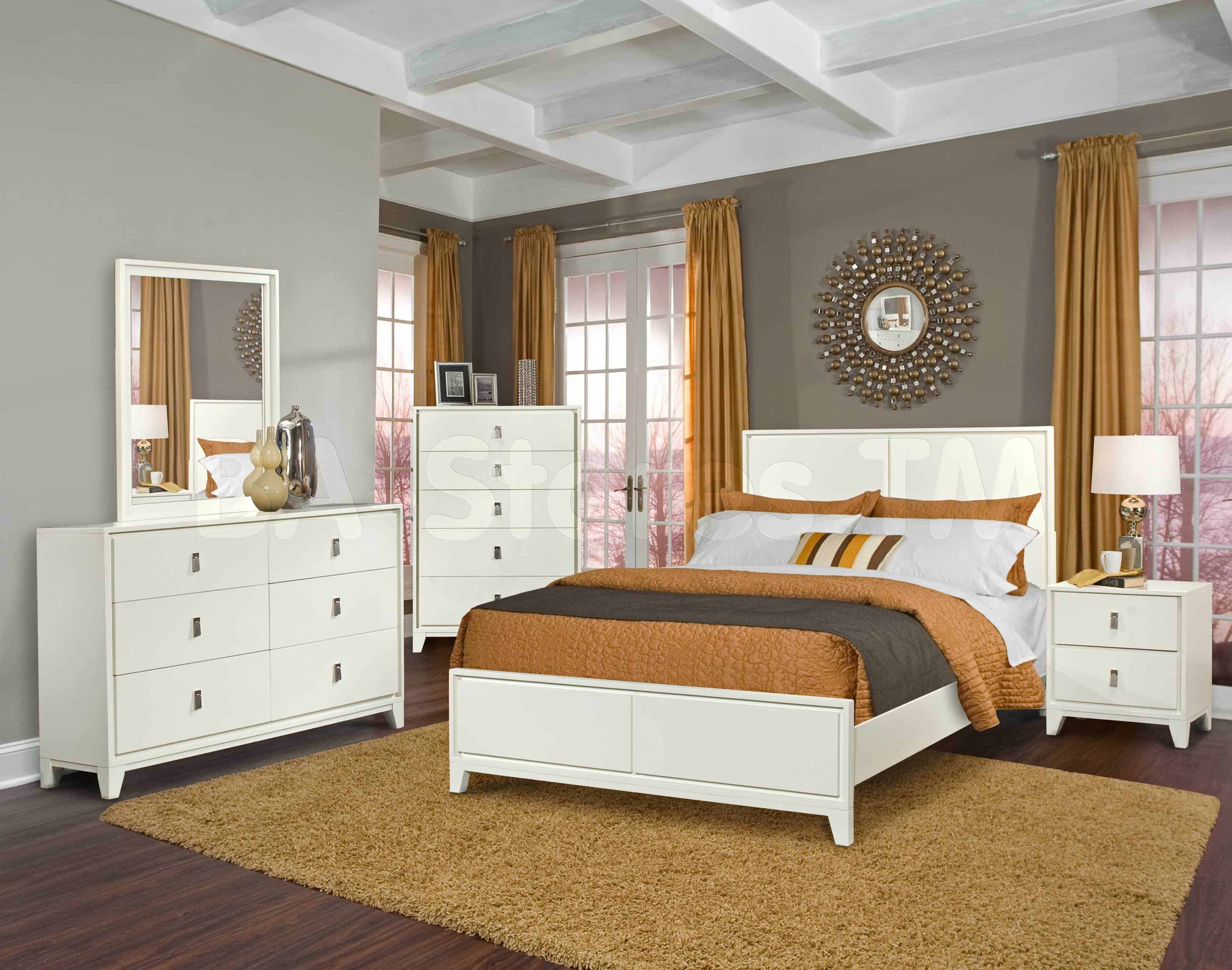
Bedroom furniture ideas that make small spaces feel calmer and more useful
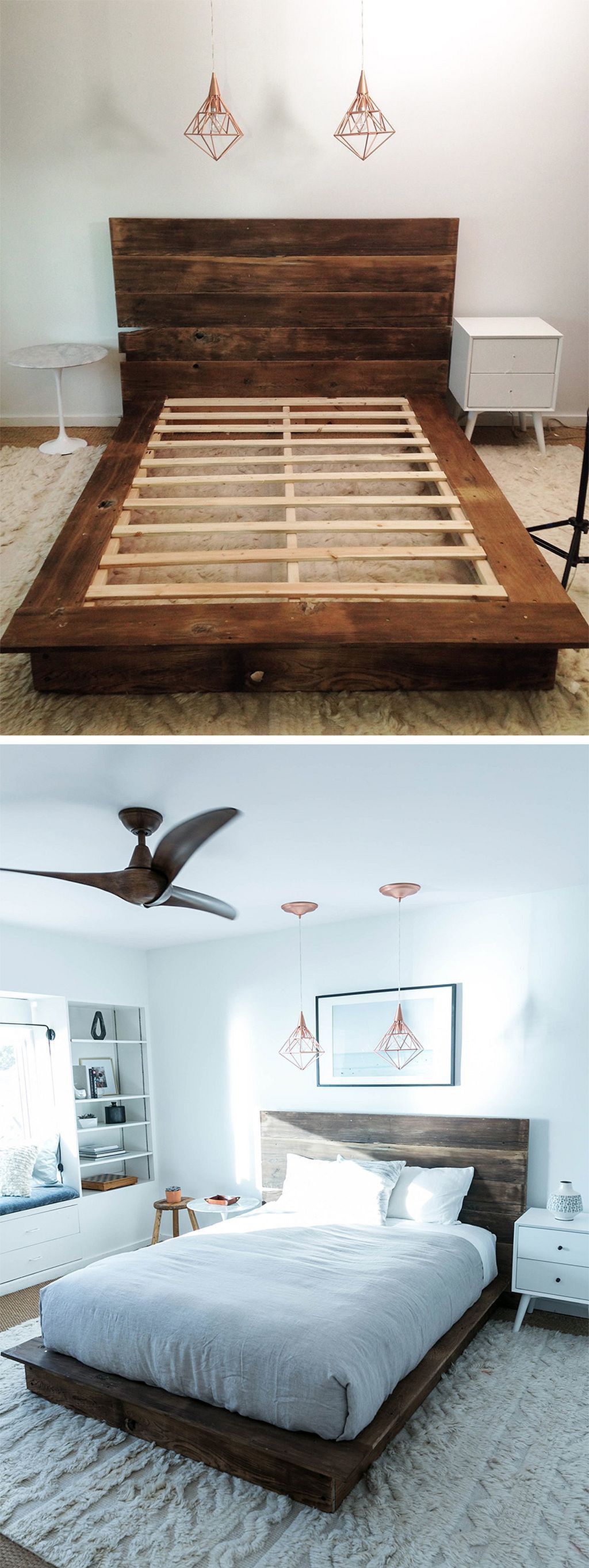
Understanding joinery and materials before you commit to a floating design

Navigating Regional Styles From Provence to Paris When Designing Your French Bedroom

Building a Peaceful Bedroom Environment Through Better Furniture Planning Methods
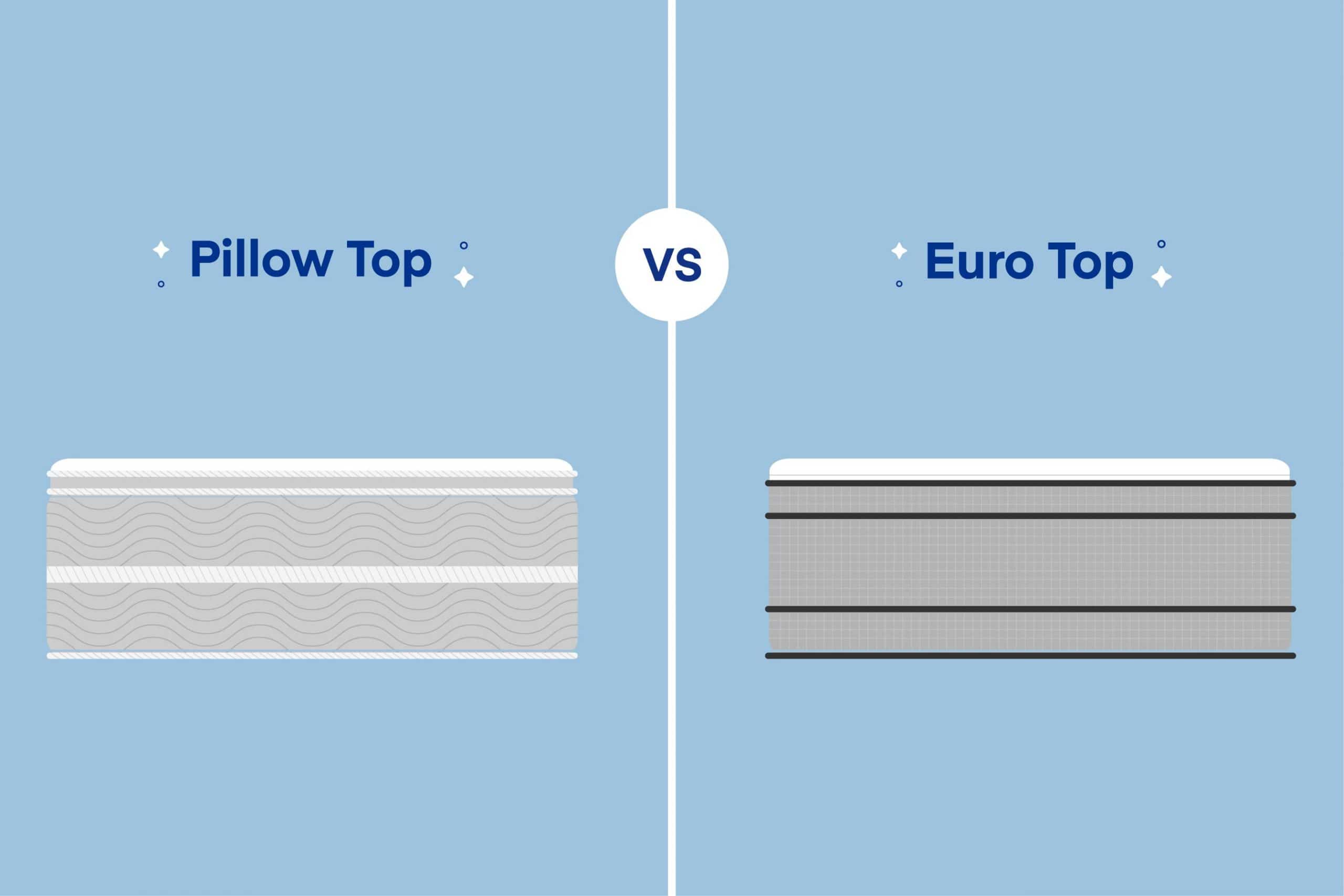
Navigating the Difference Between Flush Stitched Edges and Standard Pillow Tops
Understanding Air Valve Types to Prevent Leaks During Setup
Optimizing a Great Dane's sleeping environment involves more than dropping a mattress in the corner of a room; it requires a holistic strategy that accounts for environmental factors, seasonal changes, and progressive aging. Placement matters significantly. Giant breeds should never be subjected to sleeping in damp basements, drafty hallways, or areas exposed to direct, unshielded HVAC vents, as their low body fat percentages and massive surface areas make them exceptionally sensitive to ambient temperature fluctuations.
Transitioning a growing puppy or a newly adopted adult into a dedicated sleep space requires positive reinforcement and patience. Danes naturally seek out soft, secure areas where they can monitor their human family members, making open-plan floor layouts ideal for bed placement. As the dog transitions into its senior years—typically starting around age five or six in giant breeds—their bedding needs should be re-evaluated to incorporate higher-grade therapeutic memory foam and lower ingress heights to accommodate stiffening joints.
Establishing a consistent maintenance protocol ensures the longevity of the sleep system. Regular vacuuming of the cover removes dander and grit that can abrade fabric fibers over time, while airing out the foam core in a well-ventilated space prevents moisture accumulation. By treating the dog bed as an essential piece of durable medical and lifestyle equipment rather than a disposable accessory, owners create an environment that actively supports the vitality, grace, and comfort of their gentle giant.
Living alongside a Great Dane refines one's appreciation for scale, gentleness, and the quiet dignity of a magnificent animal. These dogs offer unwavering loyalty wrapped in a delicate physiological framework that requires deliberate, informed care from the humans who love them. Ensuring that your companion rests upon a scientifically engineered, supportive surface is a tangible expression of that stewardship.
As pet product manufacturing continues to evolve, the standard for giant-breed comfort rises alongside it, moving away from disposable consumer goods toward durable, health-focused canine architecture. By applying rigorous standards of material selection, sizing, and maintenance, you transform a simple sleeping mat into a therapeutic sanctuary. In doing so, you grant your gentle giant the deep, restorative rest they need to dream peacefully while watching over your home.
