The soft hum of a linear actuator awakens the room before the alarm clock even rings. A slim 55-inch OLED panel rises smoothly out of the quilted gray velvet footboard, casting a cinematic glow across the architectural lines of the master suite. There are no dangling cords, no wall-mounted brackets punching holes in drywall, and no awkward tilting angles that strain your neck.
For decades, putting a television in the bedroom meant compromising on aesthetics. You either mounted a black plastic rectangle high up on a wall like a hospital ward, or you sacrificed precious floor space to a clunky dresser that dominated the room's sightlines. Today’s bedroom sanctuaries demand more refined solutions.
The convergence of ultra-thin display technology, whisper-quiet motorized lifts, and modular furniture design has transformed the bed with a built-in TV from a novelty into a masterclass in modern spatial engineering. Whether you are outfitting a compact urban apartment or anchoring a sprawling king-size master suite, integrating your entertainment system directly into your sleep architecture changes how you experience downtime.
Choosing the right furniture piece requires looking past sleek marketing photos and understanding the heavy mechanics underneath the upholstery. From weight capacities and VESA mounting standards to internal cable management tracks and soundbar integration, building the ultimate entertainment bed demands a careful eye for engineering details. This deep-dive guide breaks down everything you need to know to select, install, and live with an integrated television bed without sacrificing sleep quality or interior design harmony.

Engineering the Mechanism: How Motorized Lifts and Frame Hardware Actually Work
The beating heart of any entertainment bed is its lift mechanism—a heavy-duty motorized column typically housed within the reinforced cavity of the footboard or a specialized low-profile side panel. Unlike standard furniture assembly, a TV bed requires structural integrity capable of handling repetitive mechanical stress, off-center loads, and the heavy torque generated when a display rises or descends. Most contemporary systems rely on scissor-lift arms or vertical rack-and-pinion actuators driven by fractional horsepower DC motors. These motors are paired with synchronized control boxes and RF or Bluetooth remotes, allowing you to stop the screen at any arbitrary height or program memory positions for lounging versus flat-out viewing.
Material selection dictates the longevity of the frame. Cheaper particle board enclosures will warp under the constant vibration of internal motors and the static weight of a heavy display, leading to misaligned lids and jammed tracks. High-end frames utilize kiln-dried hardwood frames, heavy-gauge steel chassis, and reinforced internal bracing that anchors the lift assembly directly to the floor or the primary bed runners rather than relying solely on decorative outer panels. When the TV is fully lowered, a flush-fitting top lid closes automatically via gravity or spring-loaded hinges, sealing the screen away into a dust-free compartment that looks identical to a standard upholstered or wooden footboard.
Safety features separate elite models from budget hazards. Modern actuators incorporate electronic pinch-protection sensors and current-sensing overload cutoffs. If a stray pillow, a pet, or a child's hand blocks the descending panel, the motor immediately halts and reverses direction, preventing catastrophic pinching or motor burnout. Furthermore, internal cable management chains or articulated drag chains ensure that power cords and HDMI cables flex cleanly through thousands of cycles without pinching, fraying, or catching on internal structural members.

Selecting the Right Screen: Size Limits, Weight Capacities, and VESA Specifications
You cannot simply drop any television into an integrated bed frame. Physical dimensions, weight thresholds, and mounting patterns dictate strict boundaries that must be respected during the planning phase. Most standard queen and king TV beds are engineered to accommodate displays ranging from 32 inches up to 55 or even 65 inches, depending on the width of the footboard enclosure. Exceeding the manufacturer’s maximum width specification means the TV chassis will physically collide with the inner walls of the lift compartment, while exceeding the weight limit risks bending the lift arms and burning out the actuator motor.
Thickness is another critical metric that buyers frequently overlook. Traditional LED-backlit LCD televisions with bulky local dimming zones or older CCFL backlights are often too deep to slide into the narrow cavity between the lift carriage and the closed footboard lid. Modern OLED displays and ultra-thin Edge-Lit LED panels are the gold standard for TV beds because their paper-thin profiles leave adequate clearance for internal cooling airflow and acoustic accessories. You must also check the VESA mounting hole pattern on the back of the television to ensure it aligns with the universal mounting bracket supplied by the bed manufacturer, keeping in mind that the bracket must sit low enough on the chassis to allow the top of the screen to clear the footboard when raised.
Acoustics present a unique physical challenge within a bed frame. Because the television rises from the foot of the bed, built-in TV speakers fire away from the listener or become muffled inside the confined housing when the set is adjusted. Premium TV bed designs solve this by incorporating integrated soundbar shelves or Bluetooth audio pass-throughs right beneath the screen platform. Selecting a slim soundbar that mounts directly to the moving lift carriage ensures that your audio ascends in tandem with your picture, maintaining a cohesive soundstage that doesn't sound trapped at floor level.

Step-by-Step Methodology for Sourcing, Assembling, and Calibrating Your TV Bed
Successfully integrating an entertainment bed into your home requires a methodical approach that accounts for freight deliveries, tight stairwells, electrical planning, and hardware calibration.
Avoiding Common Structural and Electrical Pitfalls in TV Bed Installations
Rushing through the assembly or ignoring equipment tolerances can lead to frustrating mechanical failures, ruined displays, and electrical hazards. Recognizing these common missteps before they happen saves both time and expensive hardware.

Holistic Design Harmony: Balancing Bedroom Aesthetics, Ergonomics, and Sleep Hygiene
Integrating a high-performance entertainment system into the most intimate room in the house requires a delicate balance between modern technology and restful psychology. Sleep specialists frequently caution against bringing screens into the bedroom, arguing that artificial blue light and high-stimulation media disrupt circadian rhythms and delay sleep onset. However, when thoughtfully designed, a television bed actually enhances sleep hygiene by allowing complete concealment. When the screen is tucked away inside the footboard, the bedroom retains its calming, distraction-free aesthetic, free of glowing standby lights or dominating black glass panels that turn the room into a commercial media den.
Interior design considerations extend beyond mere concealment. Upholstered TV beds act as major design anchors in a master suite, requiring careful coordination of fabrics, textures, and color palettes. Performance velvets, textured linens, and woven bouclé fabrics dominate contemporary high-end frames, softening the heavy industrial presence of the steel lift mechanics hidden inside. Pairing the bed with complementary bedside storage, warm accent lighting, and concealed wire-runs keeps the entire sleeping zone looking bespoke and intentional rather than cluttered with tech accessories.
Ergonomics also dictate how you experience content from a reclining position. Traditional flat pillows force your neck into an awkward 45-degree forward bend when watching TV in bed, leading to chronic cervical strain and tension headaches. Pairing your TV bed with an adjustable mattress base or ergonomic wedge pillows allows you to elevate your upper torso into a supportive, zero-gravity-inspired lounge posture. This aligns your spine, eliminates neck fatigue, and transforms your mattress from a flat sleeping surface into a luxurious home theater viewing chair without compromising orthopedic support during the night.

Related Posts

Bedroom furniture ideas that make small spaces feel calmer and more useful
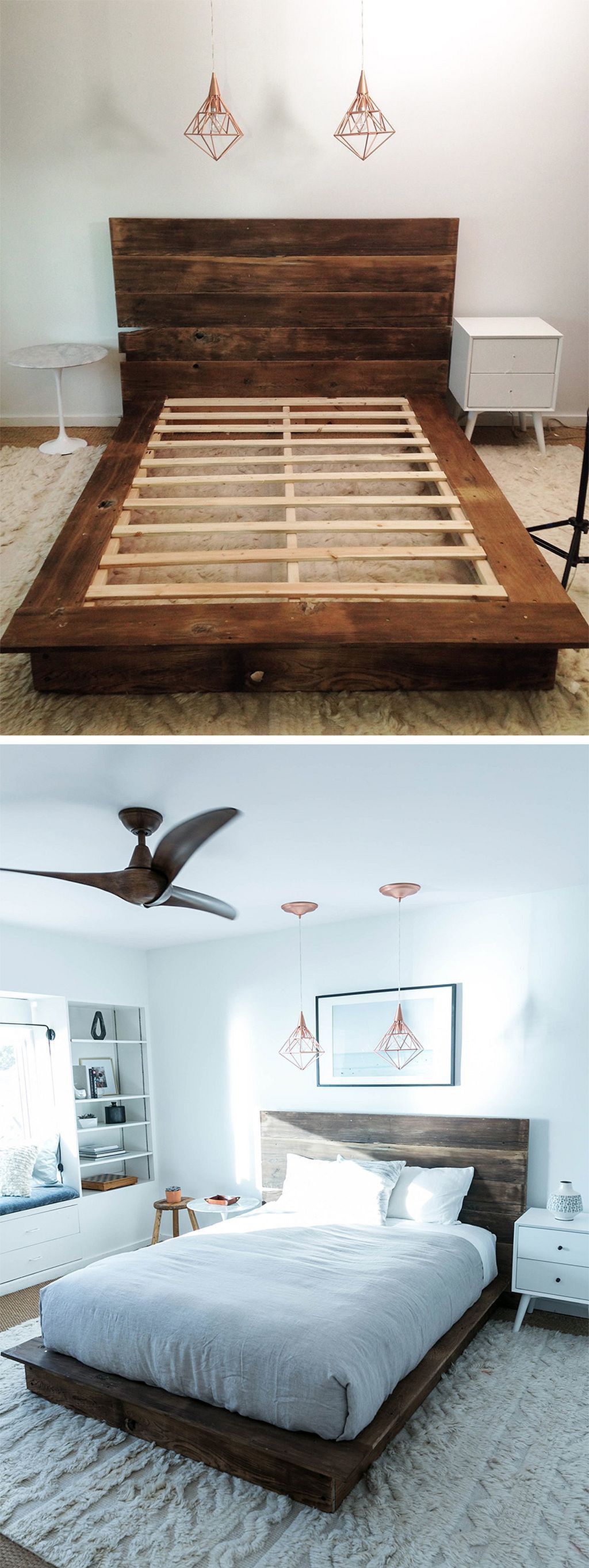
Understanding joinery and materials before you commit to a floating design

Navigating Regional Styles From Provence to Paris When Designing Your French Bedroom

Building a Peaceful Bedroom Environment Through Better Furniture Planning Methods
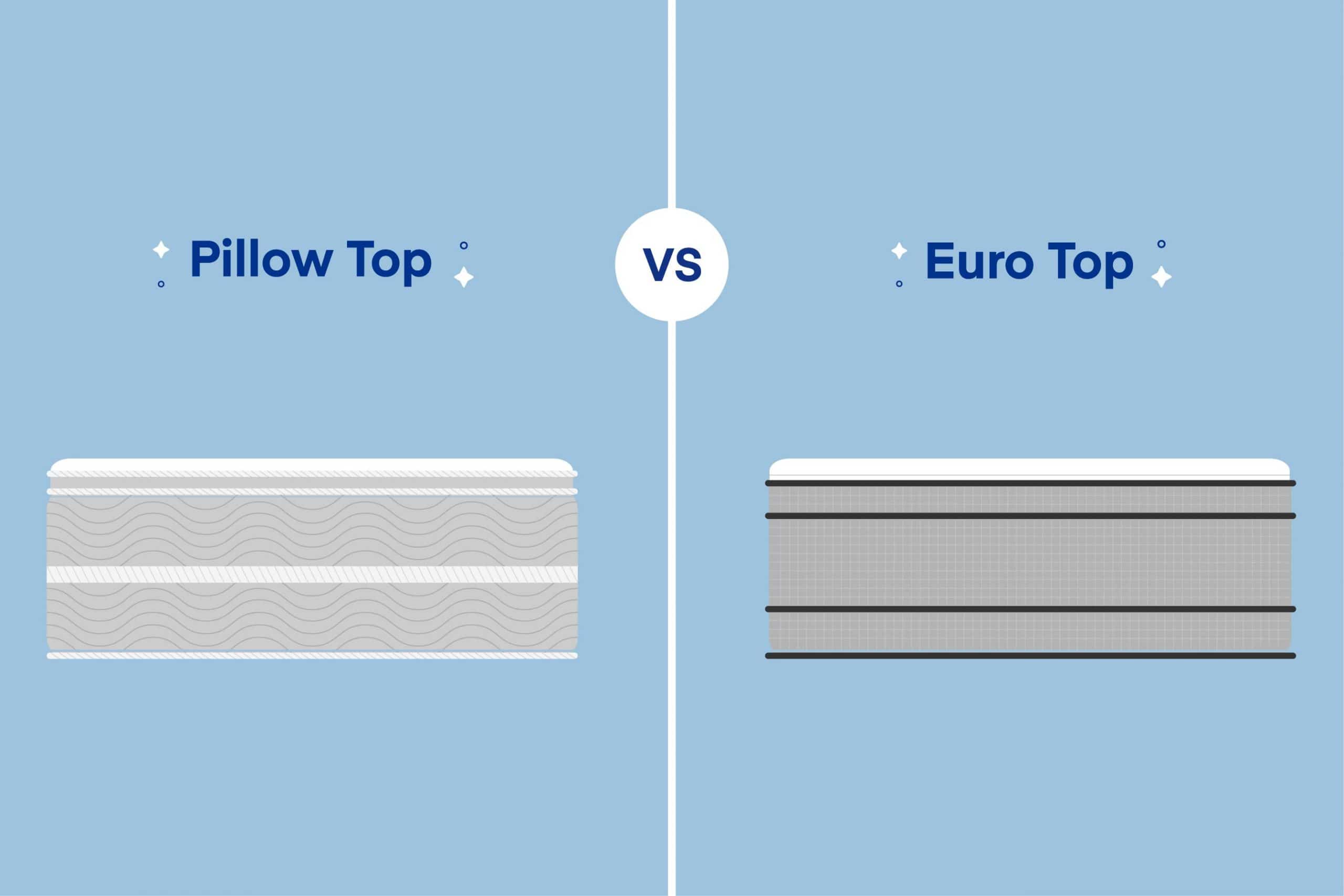
Navigating the Difference Between Flush Stitched Edges and Standard Pillow Tops

Understanding Air Valve Types to Prevent Leaks During Setup
Strategic Frameworks for Long-Term Maintenance and Smart Upgrades
Protecting your investment in an integrated entertainment bed requires a proactive approach to hardware maintenance and technology planning. Because television technology and smart home ecosystems evolve at a rapid pace, your bed frame should be built to accommodate future upgrades without requiring total furniture replacement.
The modern bedroom has evolved from a purely utilitarian chamber for rest into a multi-functional sanctuary where comfort, design, and personal technology intersect. The bed with a built-in TV represents the physical manifestation of this evolution, solving age-old dilemmas of spatial economy and interior aesthetics with sophisticated mechanical engineering. By hiding high-definition displays and immersive audio systems inside the refined architecture of an upholstered or wooden frame, these pieces deliver the best of both worlds: a pristine, distraction-free environment for deep sleep by night, and an elite personal entertainment suite by demand.
Approaching this investment with a critical eye toward lift mechanics, weight tolerances, cable management, and ergonomic viewing posture ensures that your setup will deliver reliable performance for years to come. Take the time to measure your space accurately, respect equipment weight limits, and prioritize mechanical quality over superficial cosmetics. When executed correctly, an integrated entertainment bed ceases to be a mere piece of furniture and becomes the crown jewel of your home's most private and restorative retreat.
