There is a distinct moment of vulnerability when two separate mattresses are pushed together in an effort to masquerade as one. You pull the sheets tight, tuck the edges under the heavy box springs, and hope for the best. Yet, inevitably, the moment a sleeper rolls toward the center, gravity takes over. A hip slips downward, an arm plunges into an unexpected canyon, and the illusion of a unified mattress shatters. For centuries, households and hospitality managers have wrestled with this precise geometrical compromise. You want the unmatched modular flexibility of twin beds—easy maneuvering up tight stairwells, customizable firmness levels for different sleepers—coupled with the sprawling luxury of a traditional king.
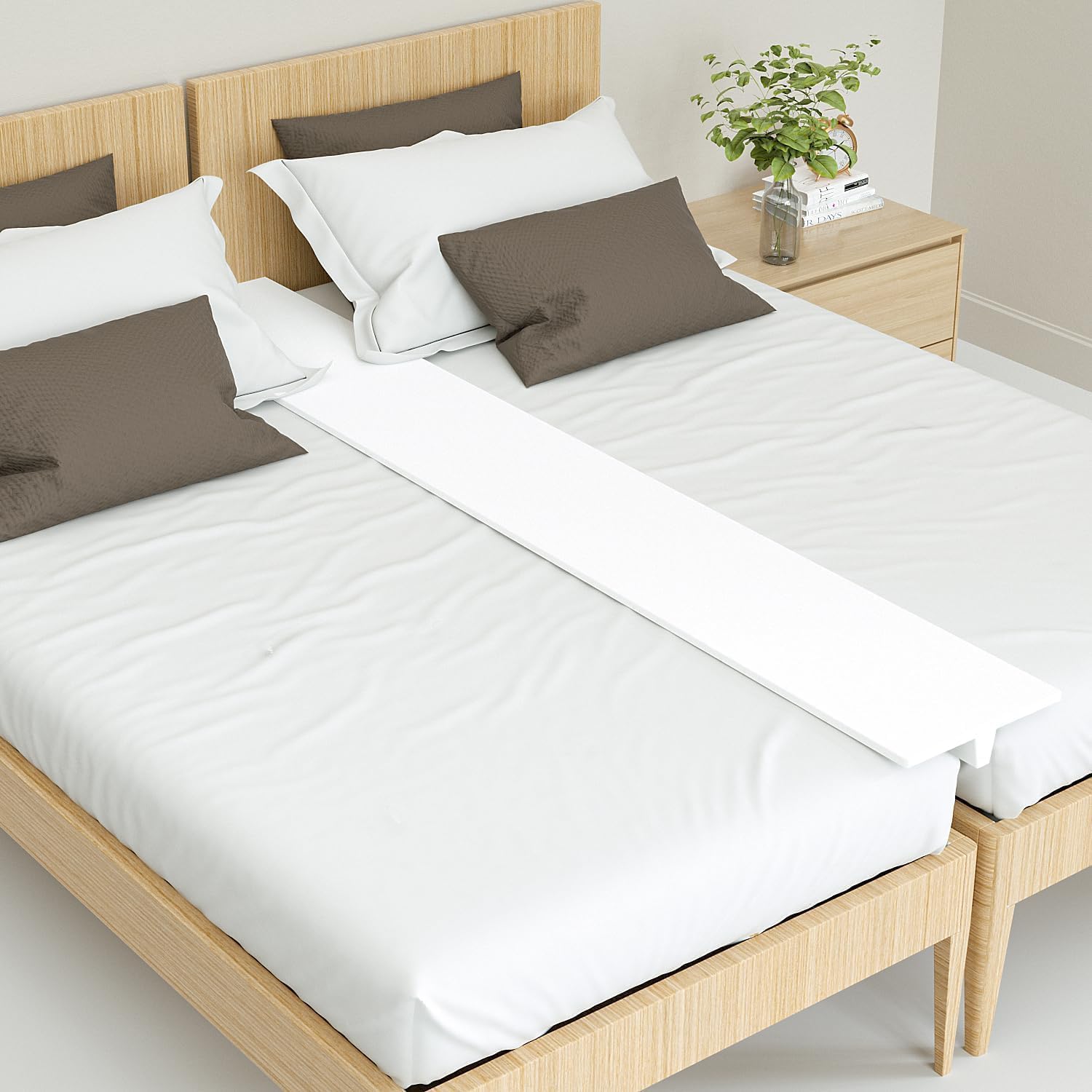
The modern sleeping landscape offers a clever workaround to this structural dilemma. Rather than abandoning two perfectly good twin or twin XL mattresses in favor of a monolithic, unwieldy, and expensive king bed system, smart property managers, hosts, and couples are turning to high-performance conversion kits. These systems rely on a strategic triad: a wedge-shaped foam filler known as a bed bridge, a heavy-duty perimeter cinch strap, and specialized oversized linens. Yet, deploying these tools correctly requires more than just unboxing a kit and tossing it across the sheets. Success lies in the microscopic details—tension calibration, foam density ratios, and frame alignment.
As residential flexibility becomes an increasing priority for modern homes and short-term rentals, mastering the art of mattress conversion is an invaluable skill. Whether you are hosting out-of-town relatives who prefer sleeping together or managing a guest suite that needs to pivot seamlessly from a twin configuration to a king setup within minutes, a makeshift approach simply will not cut it. The following comprehensive blueprint unpacks the engineering, mechanics, and practical artistry required to transform two independent twins into an impeccably unified sleep surface that rivals any luxury hotel suite.
The Anatomy of Mattress Conversion and Structural Physics
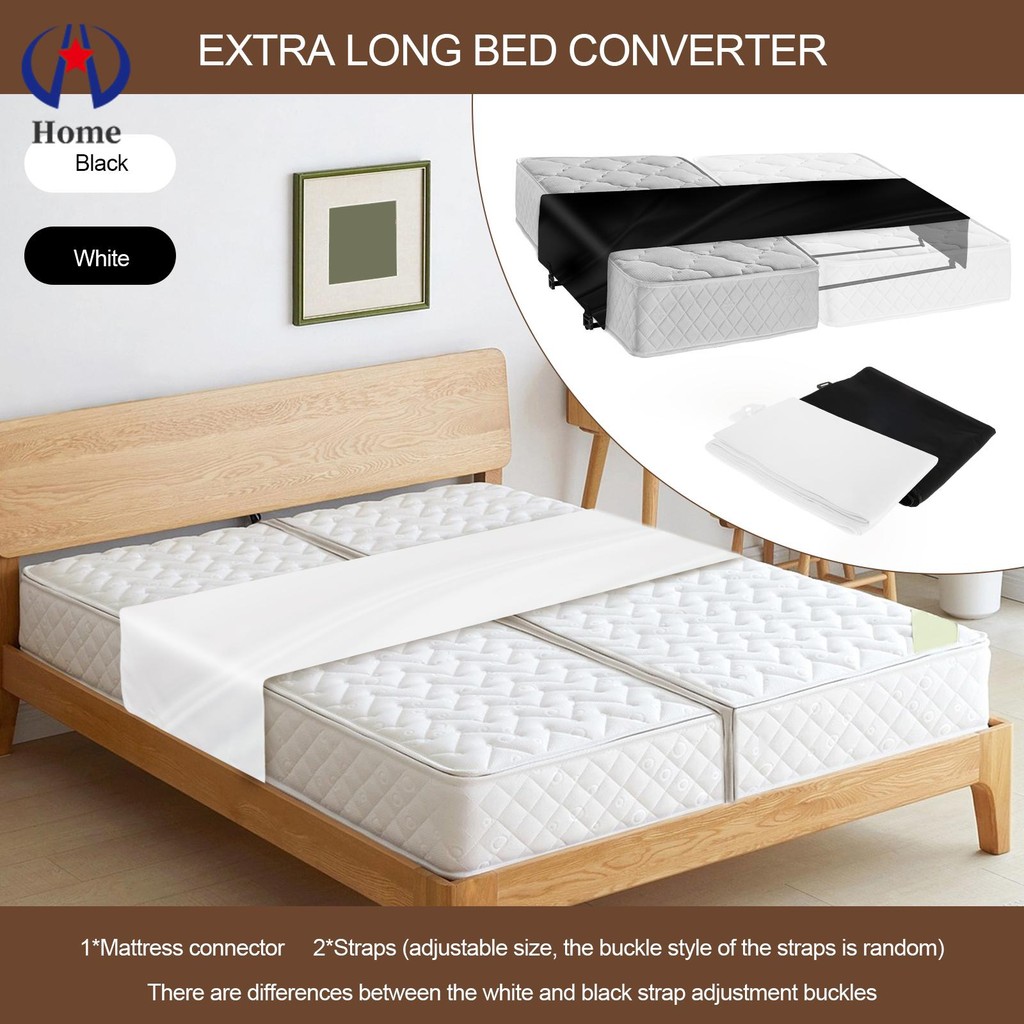
At the heart of every successful twin-to-king transformation is an understanding of basic physics and upholstery engineering. When two rectangular mattresses meet side-by-side, their vertical boxing walls create a natural friction zone. However, rounded mattress edges, perimeter piping, and sagging edge-support foams inevitably conspire to form a V-shaped trench right down the middle. To neutralize this trench, you must look at how weight distributes across a split surface. A standard twin mattress measures 38 inches by 75 inches, while a twin XL extends the length to 80 inches. When paired side-by-side, they match the exact 76-inch width and 80-inch length of a standard Eastern King. Despite this dimensional parity, the structural integrity of the center seam depends entirely on how well the two independent foundations interact.
If your bed frames are mismatched in height, density, or age, no bridge on earth will save you from an uneven sleep surface. One mattress will inherently bear more weight than the other, causing a noticeable tilt or ridge along the seam line. Professional installers always begin by verifying that both mattresses share the exact same profile height and core construction—pairing an innerspring twin with a high-density memory foam twin creates an uneven topography that actively fights against the converter kit. Furthermore, the underlying frame or box spring must be locked into place. If the individual frames slide apart by even a fraction of an inch during the night, the bed bridge will pull taut, buckle, and eventually slip down into the void.
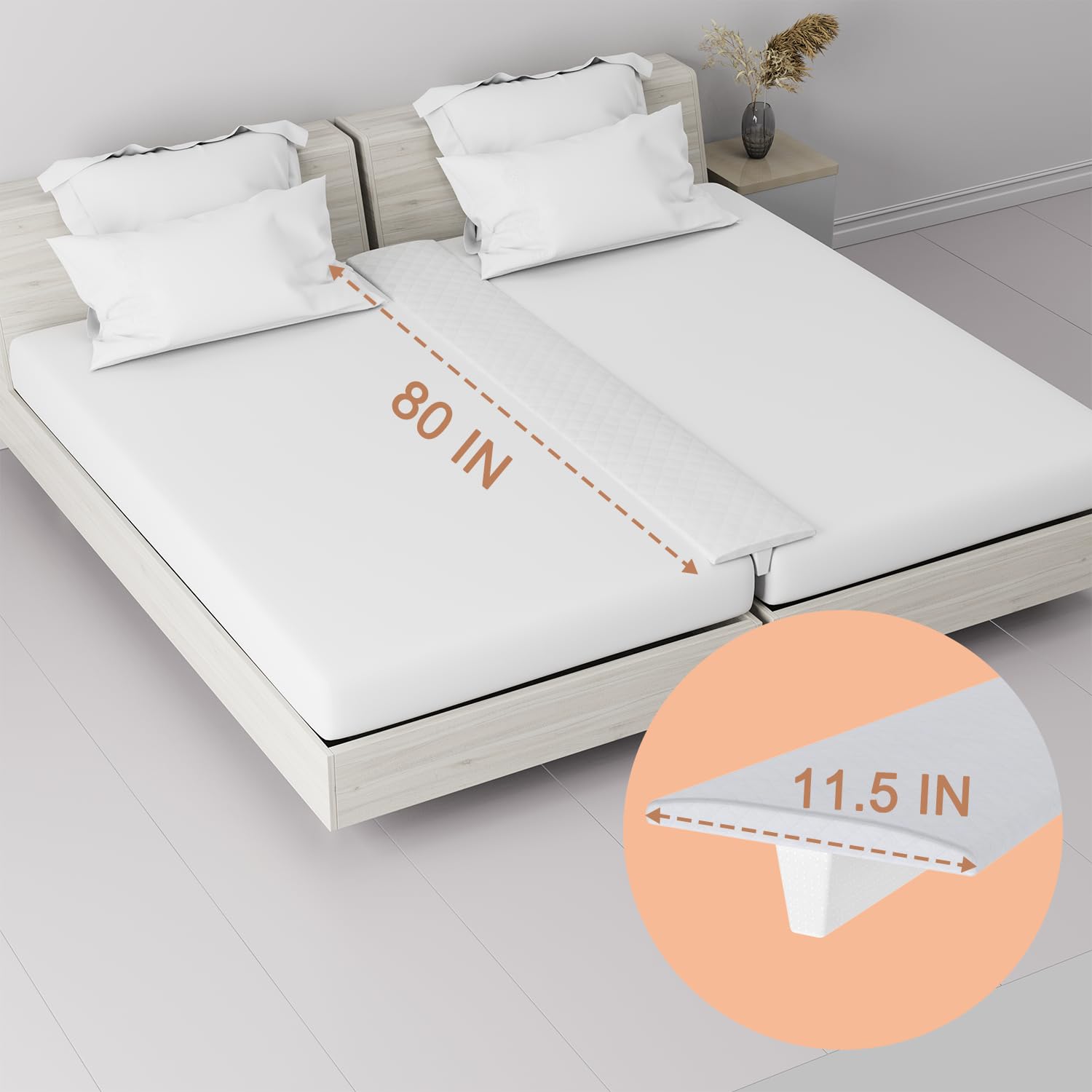
Material science plays an equally critical role in choosing your conversion components. Traditional bed bridges typically feature a T-shaped or wedge-shaped profile constructed from polyurethane foam or memory foam, capped by a wide fabric wing that spans across the top of the mattresses. The foam wedge fills the physical gap, while the fabric wing distributes downward pressure evenly so sleepers do not feel a rigid hump beneath their sheets. Premium models incorporate breathable mesh designs or cooling gel-infused foams to prevent heat buildup along the center axis—a common complaint with cheaper, solid-foam alternatives. Understanding these foundational mechanics ensures you select components that work with your sleep habits rather than against them.
Evaluating Materials, Bridges, and Heavy-Duty Cinch Straps
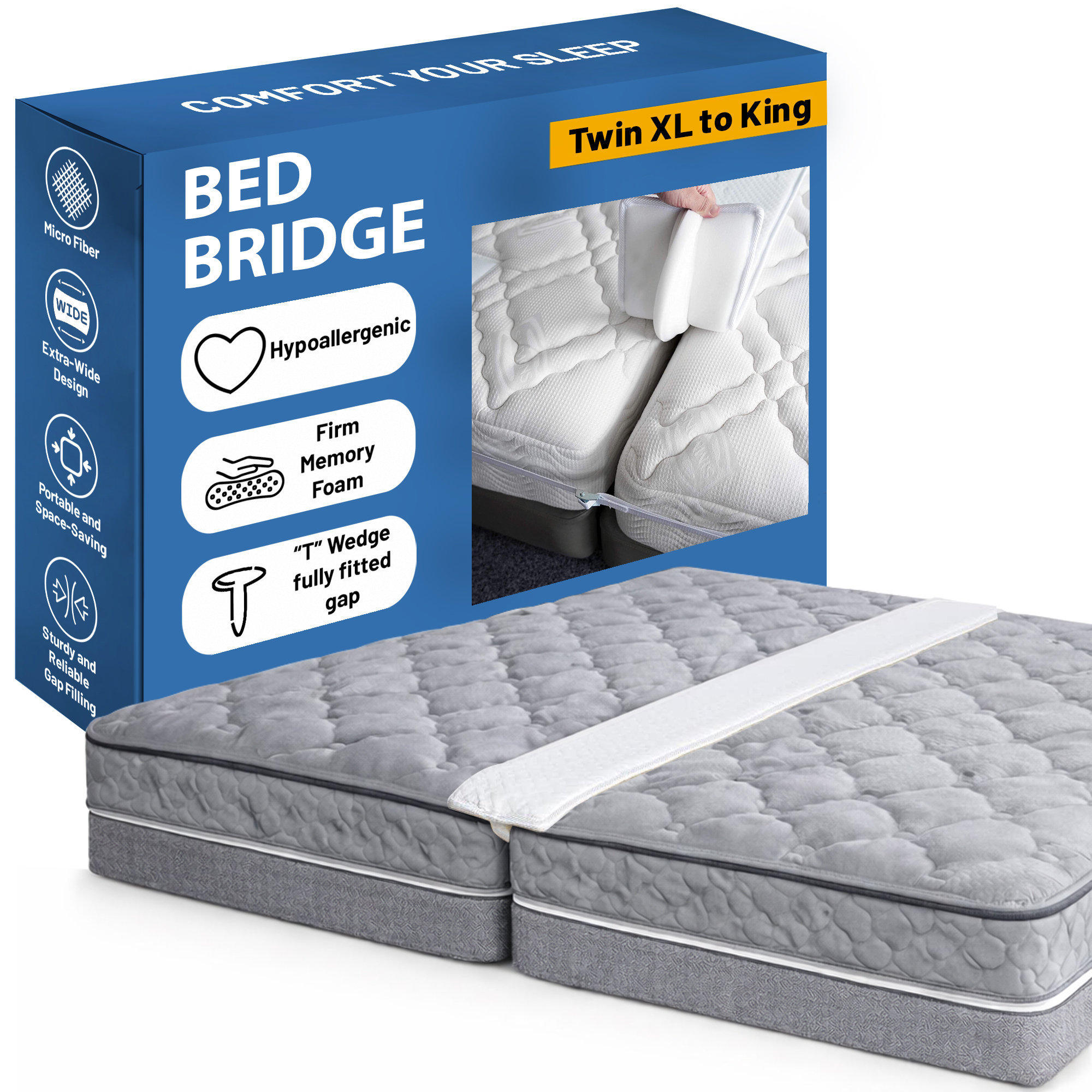
Walking into the marketplace for bed conversion hardware reveals a vast spectrum of options, ranging from basic plastic-backed foam strips to industrial-grade anchoring systems designed for high-turnover vacation properties. Selecting the right kit requires looking past flashy marketing claims and examining the tensile strength of the strap, the density of the bridge foam, and the overall compatibility with your specific bed frames. A flimsy nylon strap with a plastic buckle will stretch under tension and slip overnight, rendering the entire conversion useless by morning. Conversely, a commercial-grade woven polyester strap equipped with a heavy-duty metal clasp can maintain hundreds of pounds of lateral pressure, locking the two mattresses into an immovable unit.
The bed bridge itself demands careful scrutiny. Cheaper variants utilize low-density open-cell foam that compresses completely flat under the weight of a shoulder or hip, rendering the gap filler entirely ineffective within weeks of use. Look for bridges featuring high-resilience (HR) polyurethane foam or dense memory foam that offers progressive resistance—soft enough to cushion the body, yet dense enough to bridge the void without bottoming out. The width of the fabric wing is another crucial metric. Narrow wings tend to curl, bunch up, and migrate under the friction of standard fitted sheets. An expansive wing measuring at least eight to twelve inches across provides a stable landing zone that grips the mattress surfaces securely.
Compatibility with adjustable bed frames introduces an entirely separate set of engineering challenges. Traditional rigid straps cannot be wrapped around the perimeter of two independent motorized bases because the strap will snap or jam the mechanical articulation when the head or foot sections are raised. For adjustable setups, specialized anchor brackets or frame-to-frame connector clamps must be utilized to tether the steel frames together at the base, leaving the individual mattresses free to move independently while utilizing a flexible, low-profile bed bridge that bends naturally with the articulation of the bases. Evaluating these hardware nuances upfront prevents frustrating trial-and-error cycles in your bedroom.
Step-by-Step Practical Implementation for a Flawless Seam
Achieving a truly seamless king conversion is a deliberate, methodical process. Rushing through the setup guarantees a lumpy, shifting sleep surface that will frustrate anyone unlucky enough to sleep in the middle. Follow this field-tested, five-step methodology to ensure professional-grade results every single time.
Common Pitfalls and Field-Tested Workarounds
Even with the best hardware, amateur installers frequently run into predictable operational hurdles. Recognizing these traps before they disrupt your sleep quality saves considerable time and frustration. The most common issue involves the gradual migration of the strap or the bridge over successive nights of active sleeping. When sleepers toss and turn, friction grabs the fabric wing of the bed bridge, dragging it out of alignment. To combat this, experienced hosts apply a thin layer of non-slip rug underlayment or specialized silicone grip tape directly beneath the fabric wings of the bed bridge, locking the fabric firmly against the mattress ticking without damaging the fabric.
Another frequent grievance is the dreaded "ridge effect"—where the foam wedge of the bed bridge feels like a hard speed bump running down the middle of the bed. This typically occurs because the bridge was placed directly beneath the fitted sheet without an intervening buffer layer. The human body is exceptionally sensitive to abrupt changes in mattress density. The definitive workaround is to place a plush, quilted king-size mattress topper or a two-inch memory foam pad over the entire assembly before putting on the fitted sheet. This secondary top layer diffuses the tactile transition zone, blending the two independent mattress surfaces into a unified, cloud-like expanse.
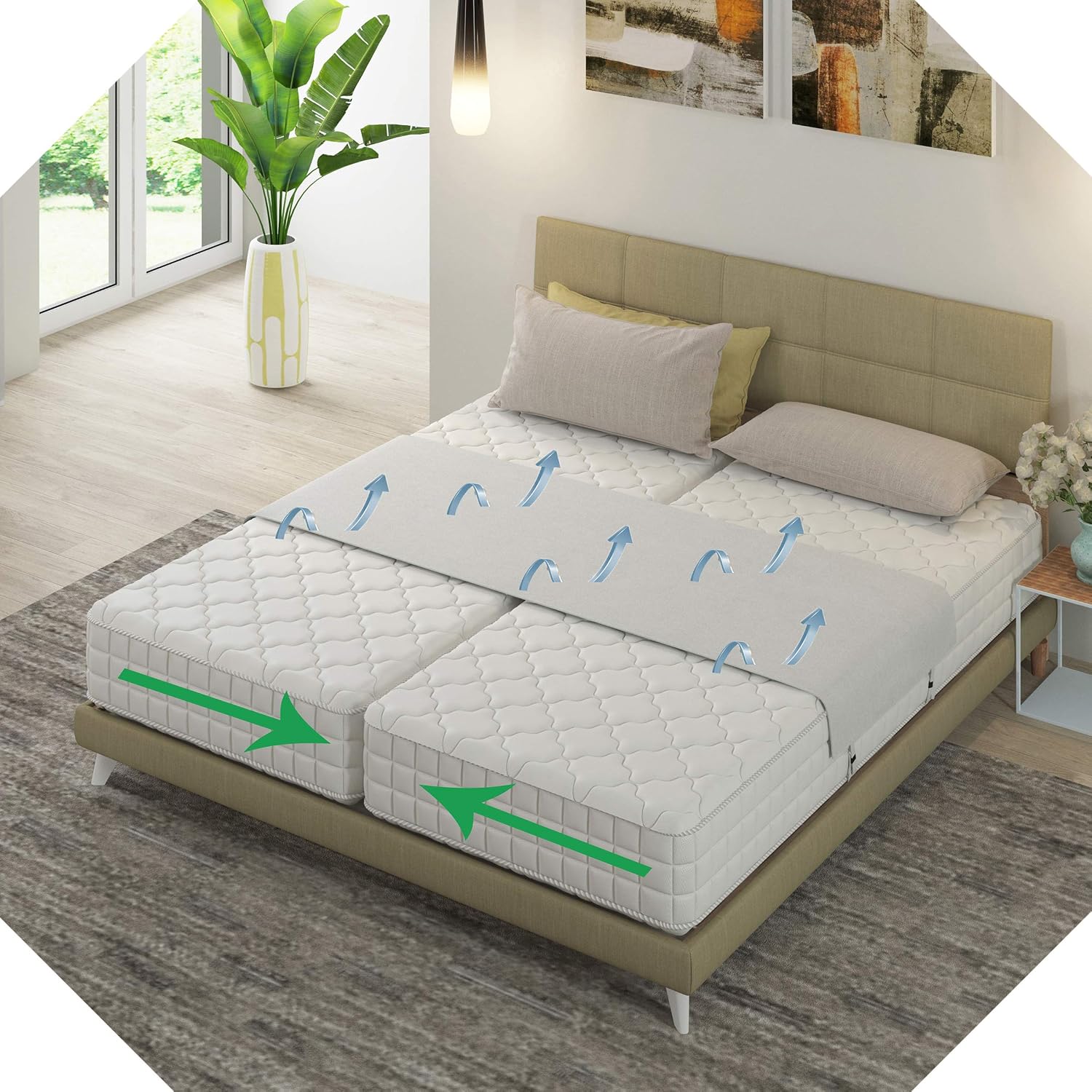
Finally, dealing with adjustable bases often leads to catastrophic strap failure if the perimeter cinch strap is installed incorrectly. Wrapping a single strap around two articulating bases will instantly jam the motors or snap the buckle the moment a sleeper elevates the head of the bed. If you operate split-king adjustable frames, abandon the perimeter strap entirely. Instead, rely on heavy-duty magnetic or mechanical frame clamps that lock the steel chassis together at the floor level, combined with a flexible bed bridge designed to flex and slide as the independent decks move up and down.
Holistic Perspectives and Long-Term Impact on Sleep Ergonomics
Stepping back to analyze the broader implications of mattress conversion reveals a fascinating intersection of economic pragmatism and ergonomic design. In an era marked by rising furniture costs and an increasing emphasis on sustainable living, discarding perfectly functional twin mattresses simply because a guest or room layout changes is an inefficient practice. Converting existing twin beds into a king configuration extends the lifecycle of high-quality sleep assets, keeping bulky polyurethane foam out of landfills while delivering immediate functional utility. Furthermore, for couples with drastically different sleep preferences—one partner requiring an ultra-firm innerspring while the other demands a plush memory foam surface—a split-twin setup on adjustable bases offers the ultimate compromise.
From an ergonomic standpoint, the psychological and physical benefits of adequate sleeping space cannot be overstated. Sleep science repeatedly demonstrates that sleep disruption caused by partner disturbance accounts for a massive percentage of chronic fatigue among co-sleeping couples. By expanding a cramped twin or full arrangement into a sprawling king-size footprint via a converter kit, sleepers reclaim vital personal territory. Motion transfer between independent twin mattresses is inherently lower than that of a traditional single king, because the energy of a restless sleeper is absorbed entirely by their respective mattress core rather than rippling across a shared continuous innerspring grid.
Related Posts

Bedroom furniture ideas that make small spaces feel calmer and more useful

Understanding joinery and materials before you commit to a floating design

Navigating Regional Styles From Provence to Paris When Designing Your French Bedroom

Building a Peaceful Bedroom Environment Through Better Furniture Planning Methods
Navigating the Difference Between Flush Stitched Edges and Standard Pillow Tops
Understanding Air Valve Types to Prevent Leaks During Setup
Property managers and vacation rental owners also reap significant operational dividends from this approach. The modern hospitality market demands absolute layout agility. A property that can pivot effortlessly from a dual-twin children's bunk configuration into a romantic king suite for adult couples within five minutes maximizes booking potential and enhances guest satisfaction scores. Investing in commercial-grade conversion hardware pays for itself rapidly by eliminating the need to purchase, store, and maintain redundant sets of oversized mattress inventory.
Actionable Recommendations and Key Takeaways
To ensure absolute mastery over your twin-to-king conversion project, anchor your approach in a structured framework of best practices. Avoid cutting corners on low-quality hardware, and treat the conversion as an engineered assembly rather than a temporary fix. Review this distillation of high-impact advice before beginning your setup:
The humble bed bridge and converter strap represent a triumph of practical ingenuity over consumer excess. In a marketplace that relentlessly pushes for total replacement—urging you to discard the old and purchase the expensive new—there is profound satisfaction in engineering a smarter solution with what you already own. Transforming two modest twin beds into an expansive, luxurious king is not merely a mechanical exercise; it is an act of reclaiming comfort, flexibility, and spatial intelligence within your living environment.
As sleep technology and modular furniture design continue to evolve, the boundaries between permanent and temporary layouts will blur even further. By mastering the fundamental mechanics of mattress conversion today, you equip yourself with a versatile skill set that adapts seamlessly to shifting life stages, guest demands, and spatial constraints. Take the time to align your frames, cinch your straps with precision, and smooth out that center seam. The reward is a magnificent expanse of uninterrupted sleep—proving definitively that sometimes, the best way to grow your space is simply to bring two great things closer together.
