The morning light cuts through the window blinds, casting razor-sharp shadows across a freshly made bed. On top rests a striking textile—a sprawling canvas of ink-black botanical vines and oversized peony blossoms unfurling across a field of crisp, snowy white cotton. It commands the room without shouting. For decades, bedroom design swung wildly between chaotic color palettes and sterile minimalism, leaving homeowners exhausted by shifting trends. Yet, the black and white floral bedspread remains an enduring anchor. It is a piece that defies simple categorization, bridging the gap between moody gothic romance, breezy cottagecore charm, and sleek modern Scandinavian restraint.
When you introduce a monochrome botanical pattern to a sleeping sanctuary, you are playing with high-contrast visual physics. Black absorbs light while white reflects it, creating a dynamic interplay that changes character from dawn to dusk. Choosing the right bedspread involves far more than simply clicking "add to cart" on an e-commerce platform. It requires understanding fabric weaves, pattern scale, textile weight, and how a stark botanical motif interacts with your room's natural architectural bones.
The roots of botanical illustration stretch back centuries, evolving from rigid scientific documentation into expressive artistic statements on woven cloth. When master textile designers translate flora into a strict black-and-white palette, they strip away the distraction of color to focus purely on line, shadow, and form. This monochromatic approach turns your bed into an oversized graphic art installation. Whether you gravitate toward the dense, woodcut-inspired wildflower prints found in artisan shops on Etsy or the clean, commercial duvet covers dominating home collections, this single textile choice dictates the mood of your entire private retreat.
Decoding the Anatomy of Monochrome Botanical Textures and Weaves

The tactile experience of a bedspread is just as vital as its visual impact. When evaluating a black and white floral bedspread, you must look beyond the printed surface and examine the underlying textile architecture. Fabrics behave differently under heavy ink saturation, and the dyeing or printing process directly affects how soft the fabric feels against your skin. For instance, reactive digital printing on high-thread-count percale cotton locks the black pigment deep into the fibers, ensuring the ink does not crack or fade after dozens of wash cycles. However, if you prefer a lived-in, heirloom aesthetic, hand-blocked kantha quilts made from lightweight organic cotton offer an irregular, artisanal charm where the ink may possess slight, charming variations.
Thread count and weave type dictate breathability, drape, and durability. A tight plain-weave percale provides a crisp, cool-to-the-touch surface ideal for hot sleepers, while a sateen weave yields a subtle sheen that makes black ink look richer and more saturated. Microfiber options, frequently highlighted in modern consumer reviews, offer wrinkle resistance and budget-friendly accessibility, though they trap more body heat than natural fibers. Understanding these material trade-offs prevents premature wear and tear, ensuring your bedding survives the daily reality of pets, laundry days, and seasonal climate shifts.
Pattern scale is another critical technical consideration that directly impacts spatial perception. Large-scale floral prints—featuring oversized magnolias, giant ferns, or sweeping vintage botanical branches—act as a bold focal point. They demand breathing room and work best on queen or king-sized beds in spacious rooms with minimal surrounding clutter. Conversely, micro-florals or dense Ditsy patterns read almost like a solid texture from a distance, making them forgiving choices for smaller guest bedrooms or spaces crowded with eclectic furniture.
Styling a monochrome botanical bed requires mastering the art of layering textures to prevent the space from feeling flat or clinical. Because black and white is inherently graphic, introducing tactile contrast through waffle-weave blankets, chunky knit throws, or linen euro shams breaks up the monotony of the printed surface. Think of the bedspread as your primary baseline; every accessory layered on top should introduce a new tactile sensation, from smooth velvet to raw, slubby linen.

Strategic Integration of Contrast and Color Theory in Your Sleep Space
Designing a bedroom around a dominant black and white floral bedspread is an exercise in intentional contrast. Human eyes naturally seek balance, and a stark black-and-white motif can easily tip a room into feeling too severe or sterile if not balanced with warm, organic elements. The secret lies in treating the bedspread as a neutral anchor rather than an intimidating graphic statement. Because black and white contain zero chromatic information, they act as a clean slate that allows you to introduce accent colors through small accessories—or keep things aggressively restrained for a minimalist sanctuary.
Warmth is your greatest ally when working with heavy monochrome patterns. Unfinished wood furniture, woven rattan headboards, brass reading lamps, and terracotta planters instantly ground the high-contrast drama of the bedding. Natural materials inject organic imperfection into the room, softening the sharp geometry of botanical vines and petals. If your bedroom features cool gray walls and minimalist metal frames, a black and white floral bedspread can easily look industrial. Adding a jute area rug or a pair of vintage leather nightstand trays shifts the vibe toward a warm, collected-over-time aesthetic.
Lighting plays a transformative role in how monochrome textiles perform throughout the day. Direct, bright sunlight highlights the crispness of a white cotton background, making the room feel expansive and energetic. As dusk settles, warm ambient lighting—such as Edison bulbs, dimmable wall sconces, or bedside lamps with amber glass shades—deepens the black ink of the floral motifs, casting long, soft shadows and turning the bed into a cozy, cocoon-like retreat.

For those who want a touch of color without abandoning the core palette, jewel tones like emerald green, ochre, or burnt orange make exceptional accent companions. A single velvet lumbar pillow in mustard yellow or a throw blanket draped casually across the foot of the bed in deep terracotta introduces a sophisticated pop of color that immediately warms up the starkness of the black and white canvas.
Step-by-Step Methodology for Selecting and Styling Your Floral Bedding
Navigating Common Pitfalls and Field-Tested Workarounds for Monochrome Bedding
Styling high-contrast monochrome textiles comes with distinct challenges that can easily derail an otherwise well-designed bedroom. One of the most frequent missteps involves letting the room drift into feeling like a sterile hotel suite or an overly clinical hospital room. When black and white are used exclusively without variation in texture or tone, the human eye perceives the space as cold and unwelcoming. The practitioner workaround is simple: deliberately layer three distinct fabric textures on the bed—such as a smooth cotton bedspread, a waffle-weave coverlet, and a plush velvet throw—while introducing warm wood or ceramic elements to the nightstands.

Another common trap is misjudging pattern scale relative to the room's square footage. Tossing a massive, hyper-detailed gothic wildflower comforter into a tiny urban studio apartment creates immediate visual claustrophobia, making the room feel half its actual size. If you are working with tight quarters, opt for smaller, spaced-out botanical prints on a white background, which bounce light around the room and maintain an open, airy visual footprint.
Fade management is the silent enemy of black and white printed textiles. Poor-quality dyes tend to bleed during hot washes, turning crisp white backgrounds into a muddy, dingy gray, while the rich black motifs fade into a weak charcoal. To prevent this, always wash your bedspread inside out in cold water using gentle, pH-balanced detergents free of optical brighteners. Air drying or tumble drying on low heat preserves the structural integrity of the fibers and keeps the contrast razor-sharp for years.
Many homeowners also struggle with accessorizing around a bold floral bedspread. Adding too many competing patterns—such as geometric throw pillows or striped curtains—turns the bed into a chaotic visual battleground. The rule of thumb for patterned bedding is to keep surrounding textiles solid. Let the floral bedspread be the undisputed star of the room, and use solid-color window treatments and rugs to frame the space quietly.
Finally, do not overlook the importance of proper pillow styling. A common error is using standard sleeping pillows propped straight up, which looks messy and unstyled. Instead, utilize oversized 26x26 inch Euro shams pushed against the headboard as a solid backdrop, followed by standard sleeping pillows encased in matching shams, and finish the arrangement with a single, elongated lumbar pillow featuring subtle embroidery or texture.

Related Posts

Bedroom furniture ideas that make small spaces feel calmer and more useful
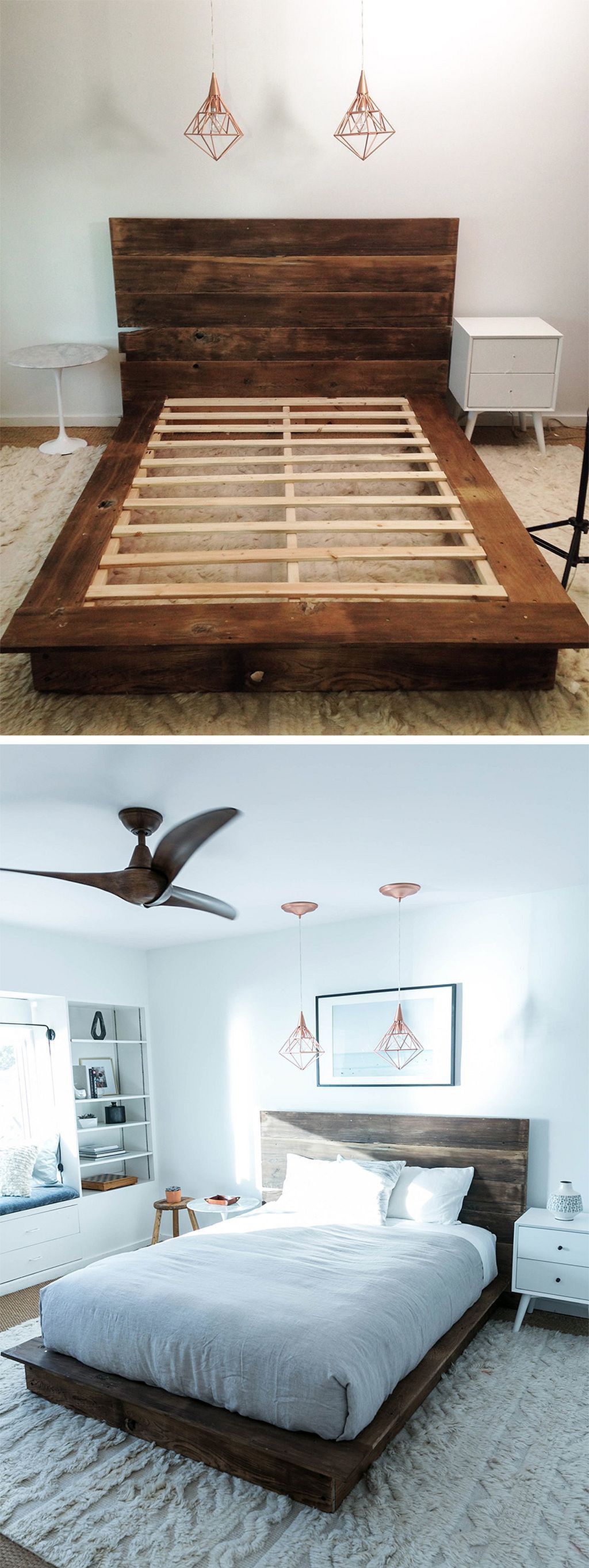
Understanding joinery and materials before you commit to a floating design

Navigating Regional Styles From Provence to Paris When Designing Your French Bedroom

Building a Peaceful Bedroom Environment Through Better Furniture Planning Methods
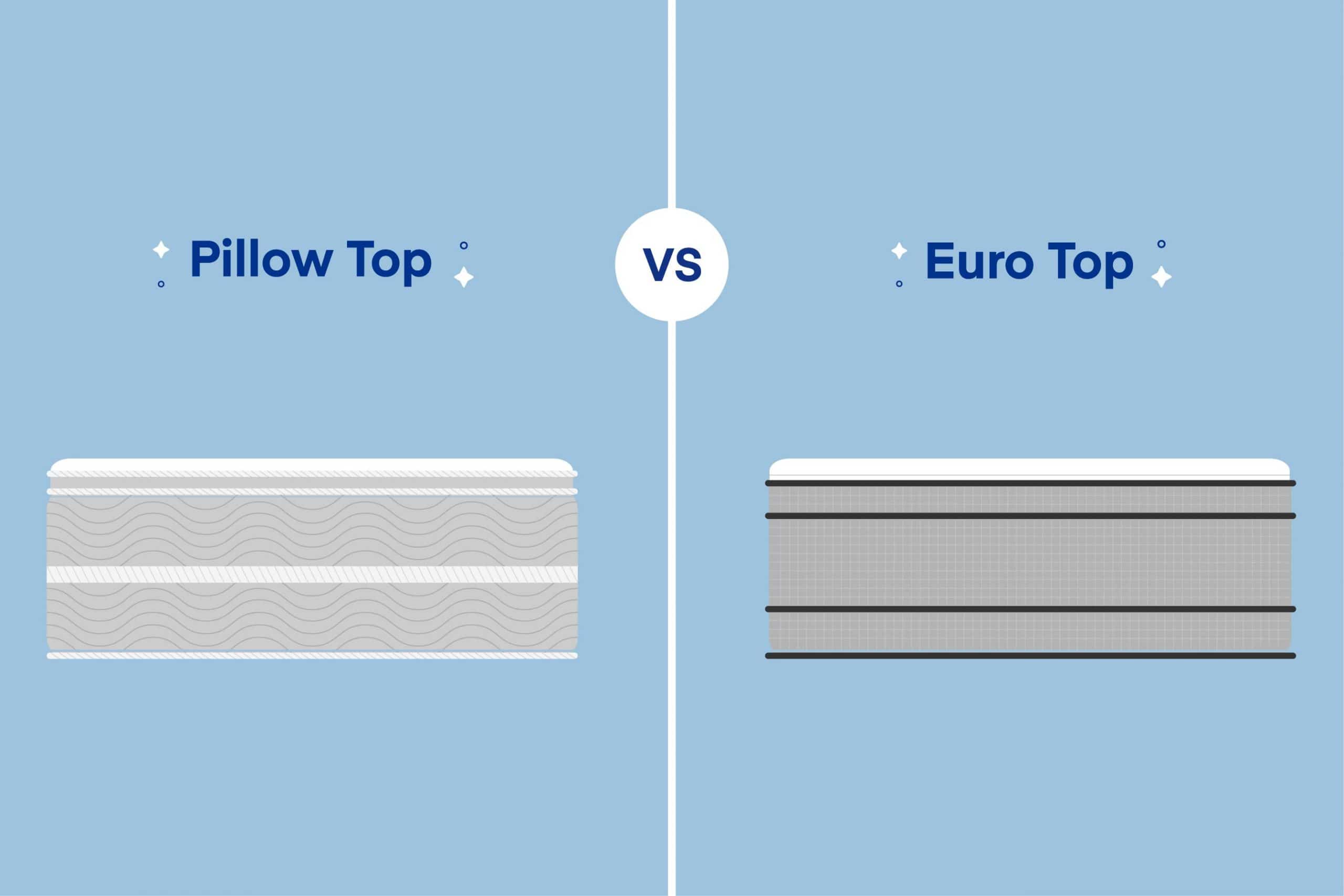
Navigating the Difference Between Flush Stitched Edges and Standard Pillow Tops

Understanding Air Valve Types to Prevent Leaks During Setup
The Broader Design Impact, Durability, and Longevity of Monochrome Botanicals
Investing in a high-quality black and white floral bedspread offers remarkable long-term value compared to trendy, color-heavy bedding that dates itself within a single season. Because monochrome acts as a blank design canvas, it adapts effortlessly to your changing tastes. You can completely reinvent your bedroom's mood every few months simply by swapping out your accent pillows, wall art, and bedside accessories—all without ever needing to replace the foundational bedding. This adaptability makes monochrome botanicals a sustainable, cost-effective choice for long-term interior styling.
From an environmental standpoint, consumer demand has driven manufacturers toward more sustainable production methods. Many textile artisans and sustainable brands now utilize organic GOTS-certified cotton and non-toxic, water-based reactive dyes that minimize chemical runoff. These eco-friendly practices not only protect waterways but also result in safer, hypoallergenic sleep surfaces free from harsh chemical residues that can irritate sensitive skin.
The psychological impact of your sleep environment should never be underestimated. Bedrooms styled in balanced, high-contrast monochrome often promote a sense of calm and order. By stripping away visual clutter and overwhelming color chaos, a well-styled black and white bed provides a visual exhale at the end of a long, overstimulating day. The organic flow of botanical illustrations softens the strict geometry of modern architecture, creating a restorative sanctuary designed for deep, uninterrupted rest.
As interior design trends continue to embrace personalized, eclectic spaces—blending modern minimalism with vintage botanical revival—the black and white floral bedspread stands as a masterclass in timeless design. It refuses to go out of style because its fundamental elements are rooted in nature itself: the eternal dance of light and shadow, leaf and stem, ink and fiber.
Essential Takeaways and Actionable Frameworks for Your Bedroom Makeover
Transforming your sleeping quarters is ultimately an act of carving out a personal sanctuary from the noise of the outside world. A black and white floral bedspread does more than just cover a mattress; it establishes an intentional mood, anchors your design choices, and offers a daily reminder of the beauty found in natural forms. By balancing crisp graphic contrast with tactile warmth, you create a space that feels both curated and deeply comforting.
As you embark on your bedroom makeover, remember that perfection is secondary to personal comfort. Whether you lean toward an opulent, dark-background floral that feels like a moody Victorian novel or a bright, airy botanical print that channels modern Scandinavian calm, your bedroom should reflect your individual rhythm. Take your time selecting your textiles, honor the importance of quality craftsmanship, and build a space where you genuinely look forward to unwinding every single night.