Tugging violently at a midnight cold spot while your sleeping partner hog-ties the entirety of the top layer is a universally frustrating domestic trial. You wake up chilled, tangled, and acutely aware that your bedding is failing its primary biological mandate: maintaining a stable microclimate. The culprit is almost never the sleeper; it is almost always the blanket. Shoppers routinely look at a queen size mattress—measuring a standard 60 inches wide by 80 inches long—and assume that any product stamped with a "Queen" label will magically drape over the edges with architectural precision.
The reality on the bedroom floor is far less forgiving. Mattress heights have ballooned over the last decade. Modern pillow-tops, memory foam toppers, and heavy-duty box springs easily push total mattress thickness from a traditional 9 inches up to 14, 16, or even 18 inches. When you toss a standard 90x90-inch blanket onto a deep queen mattress, the math collapses. You are left with barely 10 inches of drop on either side—hardly enough to anchor the fabric under your shoulders when you roll over.
Navigating the marketplace for bedding requires moving past vague marketing terms like "generous fit" or "oversized." Understanding true dimensions, fabric weight behavior, shrinkage rates, and the mechanics of thermal draping transforms a frustrating retail guessing game into a precise science. Whether you are updating a guest room or curating a master suite for maximum thermal comfort, mastering blanket sizing ensures your bed looks like it belongs in a design magazine while keeping you warm until morning.
Deconstructing Standard Queen Size Bed Blanket Dimensions and Mattress Realities
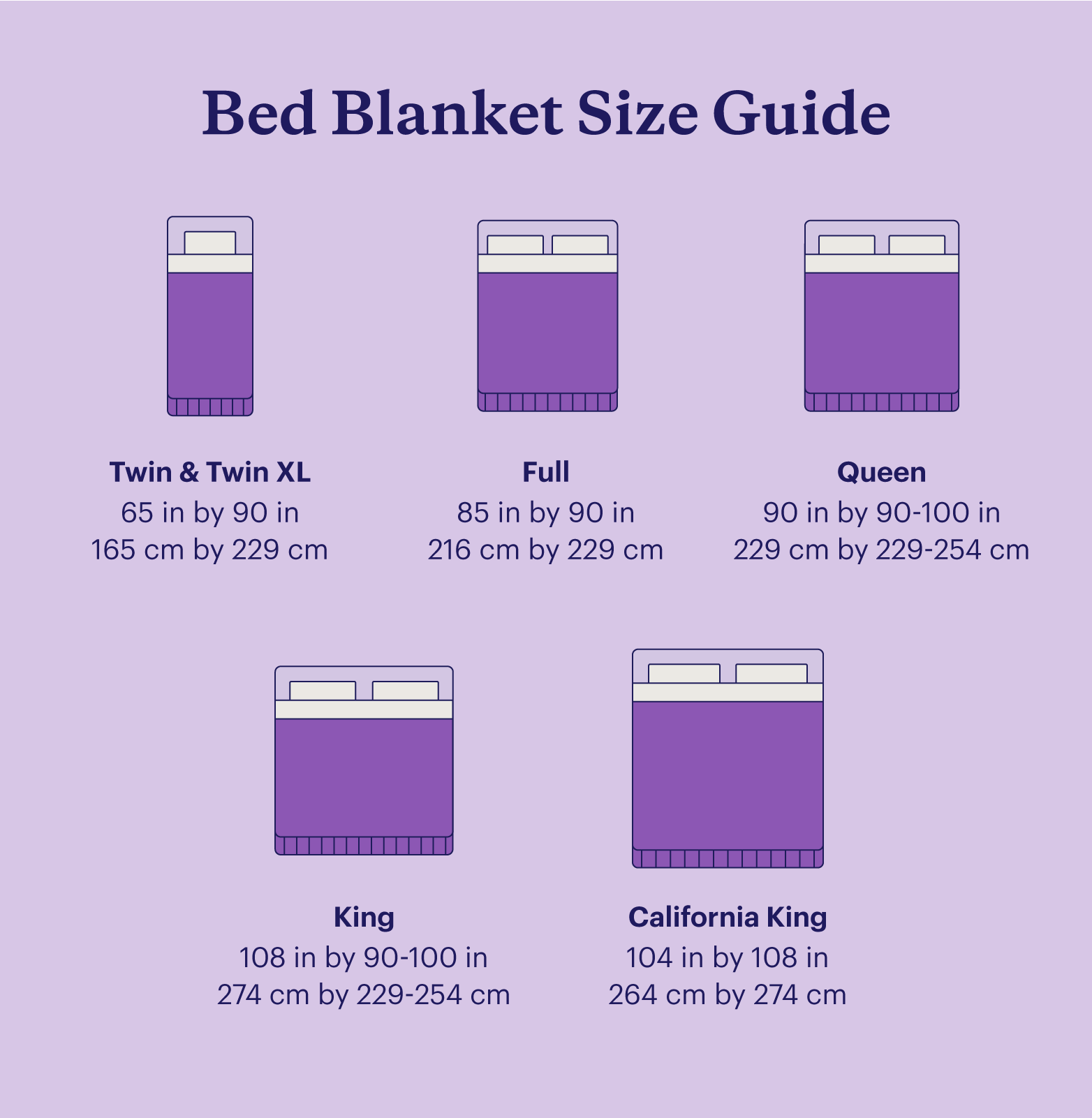
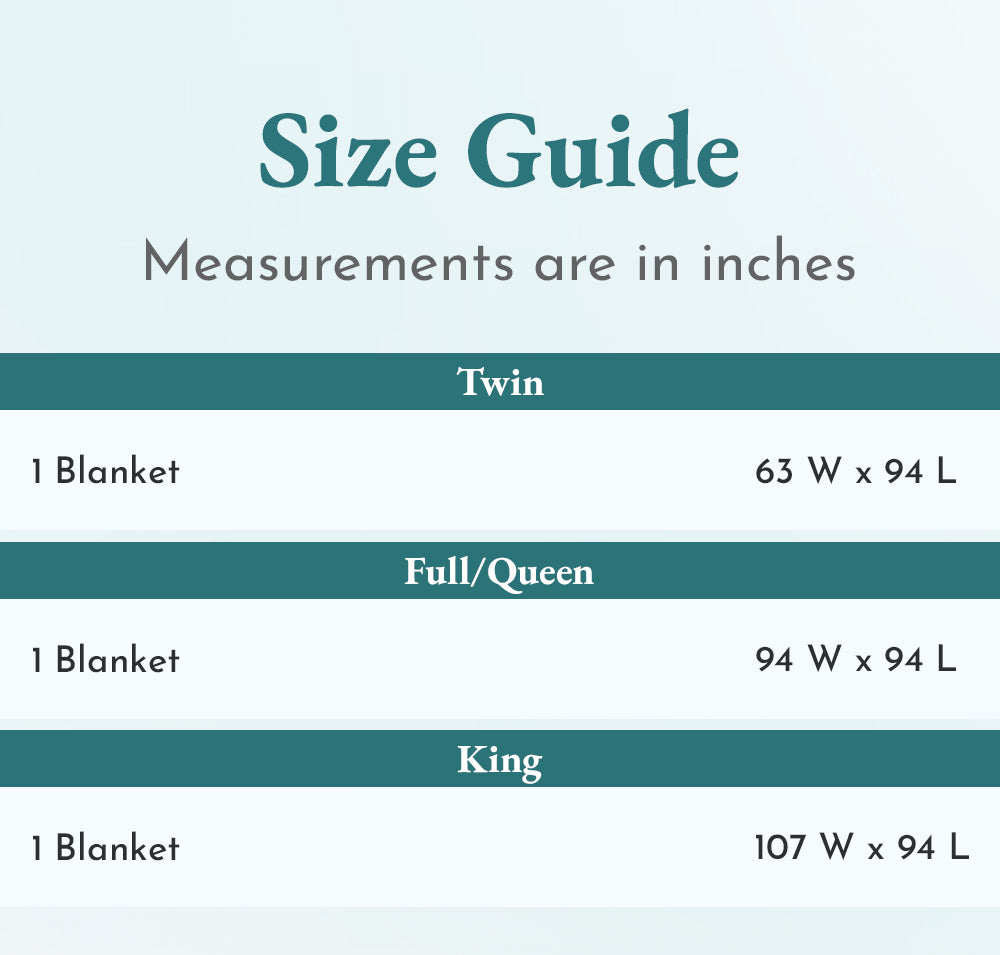
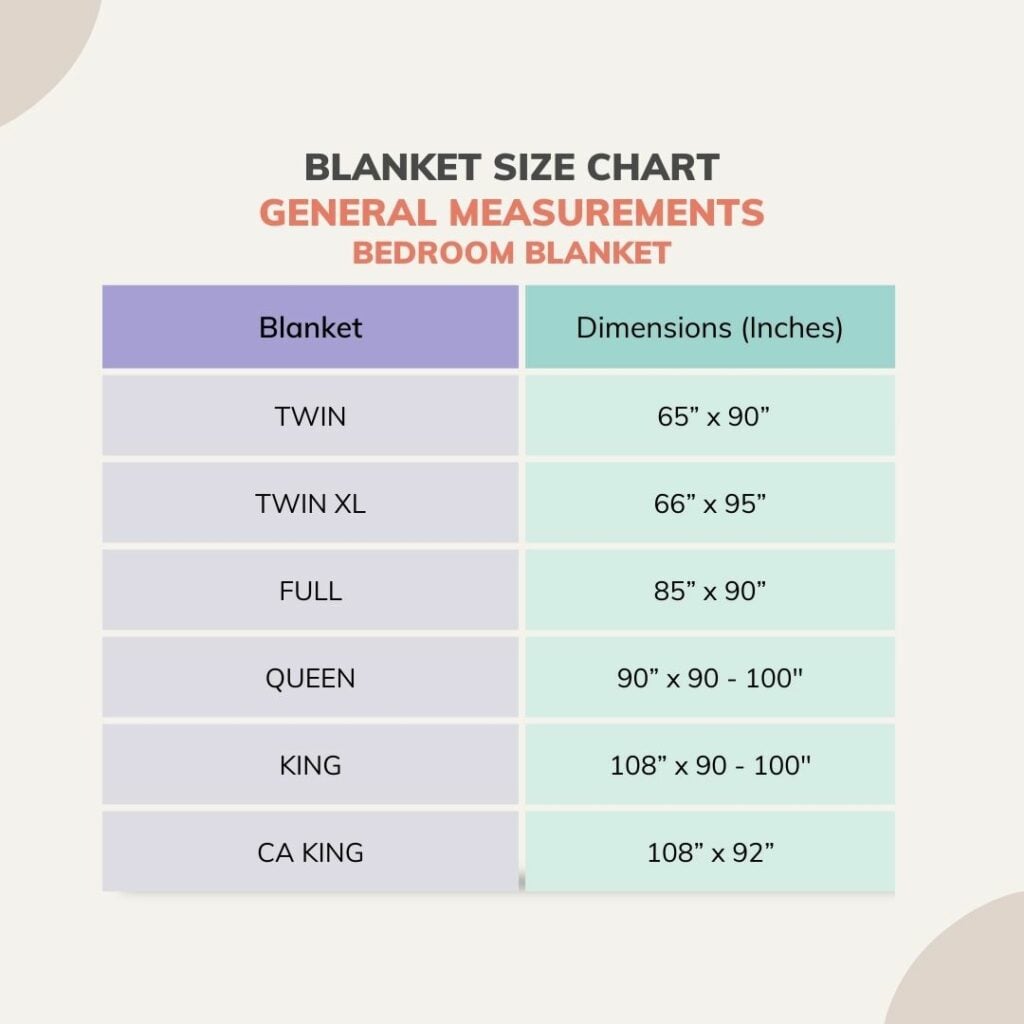
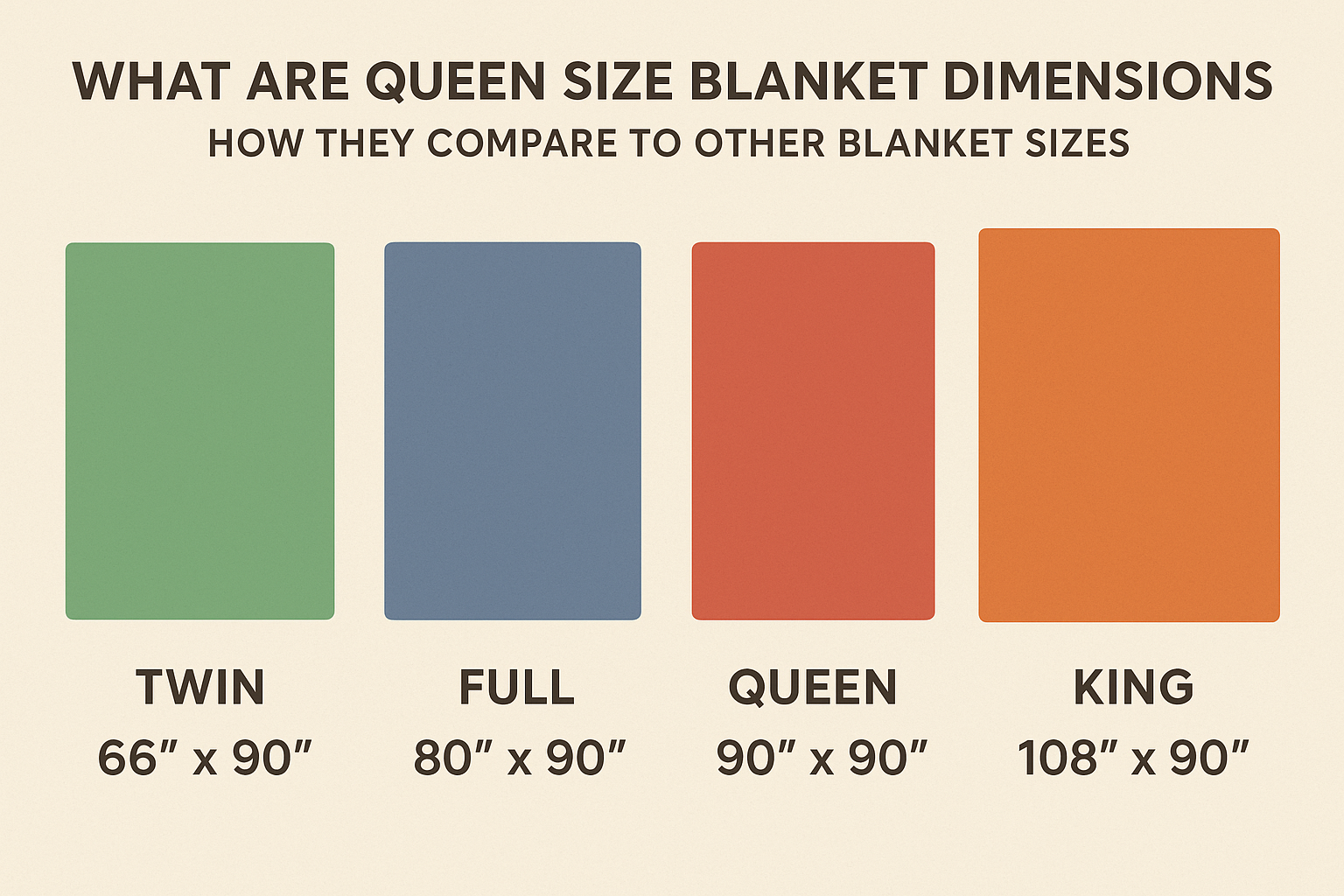
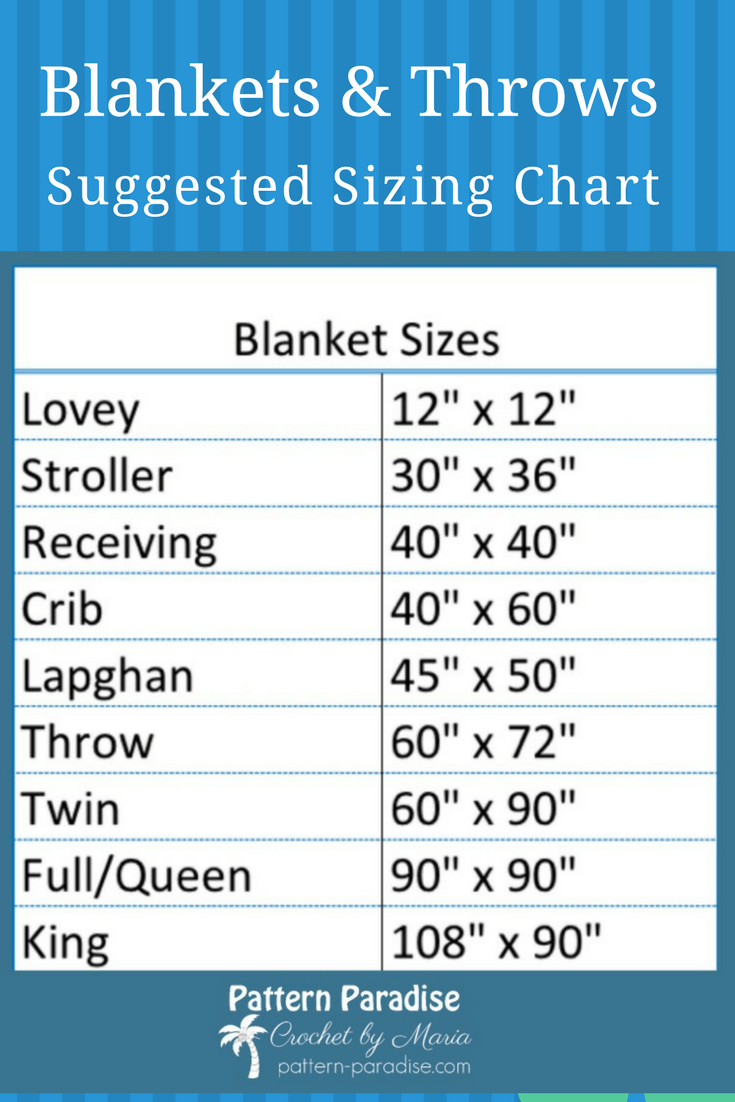
A standard queen mattress measures 60 inches wide by 80 inches long. Logically, you might think a blanket cut to those exact dimensions would cover the surface. Of course, a flat surface requires three-dimensional coverage because mattresses have height, and humans occupy space under the covers. This is where industry-standard sizing comes into play. Most commercial blanket manufacturers designate standard queen blankets at roughly 90 inches wide by 90 inches long. That 30-inch surplus in width and 10-inch surplus in length is engineered to create the drape, or overhang, that keeps cold air from tunneling beneath the covers.
However, a 90x90-inch blanket represents a baseline, not a universal guarantee of satisfaction. If your mattress is a slim profile foam block resting on a platform bed with a total height of 10 inches, a 90x90 blanket will cascade gracefully down the sides with about 15 inches of clearance—plenty of fabric to tuck in or let hang naturally. Slide that exact same blanket onto an 16-inch pillow-top mattress resting on a high-profile box spring, and your side overhang shrinks to a meager 7 inches. That is barely enough to brush the top edge of the box spring, leaving the sides of the mattress exposed and creating constant tension whenever two people shift their weight.
Manufacturers also produce "extra-long" or "oversized queen" blankets, which typically stretch the dimensions to 90 inches wide by 100 or 108 inches long. These elongated variants are specifically designed to accommodate foot-of-the-bed tucking or to compensate for high-rise mattresses without forcing you to size up to a king blanket. Buying a king blanket for a queen bed is a common workaround, but it introduces its own set of mechanical problems. A standard king blanket measures 108 inches wide by 90 inches long. While the extra 18 inches of width solves all your side-drapery issues, it creates a massive pool of excess fabric at the foot of the bed that can look sloppy and trap uncomfortable levels of heat.
The Overhang Calculation and Why Mattress Depth Changes Everything
Calculating the correct blanket size is an exercise in basic geometry that most retail packaging ignores. To find your ideal blanket width, take the width of your mattress (60 inches for a queen) and add your desired side overhang multiplied by two. If you prefer a modest, untucked drape that hangs 10 inches down each side, your minimum blanket width is 80 inches. If you prefer a traditional hospital tuck where the fabric wraps deep under the mattress flanks, you need at least 14 to 16 inches of overhang on both sides, pushing your ideal width requirement closer to 90 or 92 inches.
Mattress depth is the wild card that ruins well-laid bedding plans. Measure your mattress from the absolute highest point of the crown (including any permanent pillow-tops or removable featherbeds) down to the bottom edge where it meets the foundation. A standard mattress is 10 to 12 inches thick. Modern luxury builds frequently hit 14 to 18 inches. To calculate your minimum blanket length for a tucked bed, take the length of the mattress (80 inches), add the full depth of the mattress for the head-to-foot pull, and add another 10 to 12 inches for a proper tuck at the foot.
Weight and drape behavior must also factor into your mathematical model. A stiff, heavy wool blanket with a short overhang will stubbornly hold its shape and resist falling flat against the mattress sides, creating awkward gaps. Conversely, a ultra-drapey, lightweight bamboo-viscose or cotton-muslin blanket will cling to the contours of the mattress, making even a slightly undersized blanket look sleek and intentional. Accounting for these material properties prevents the common trap of buying strictly by the numbers on the cardboard band while ignoring how the fabric actually behaves in three-dimensional space.
Step-by-Step Methodology for Measuring Your Bed and Selecting the Right Blanket
Sourcing the ideal blanket requires a methodical approach that eliminates guesswork before you click purchase or step inside a linen shop. Follow this structured protocol to ensure absolute precision.
Navigating Common Sizing Pitfalls and Field-Tested Workarounds
Even experienced homeowners fall into predictable traps when purchasing bed linens. Recognizing these missteps saves you from the frustration of returns and restless nights.
Material Composition and How Fabric Weight Alters Dimensional Needs
The physical dimensions of a queen blanket tell only half the story; fabric composition dictates how those dimensions translate into actual comfort. A 90x90-inch blanket made of heavy, dense wool behaves entirely differently than a 90x90-inch blanket constructed from lightweight, airy muslin layers or synthetic fleece. Wool possesses inherent structural memory and weight, meaning it hugs the contours of the mattress tightly and stays put even with minimal overhang. If you use a wool blanket, you can safely stick to standard 90x90 dimensions because the fabric's natural heft anchors it against gravity.
Synthetic materials like polyester fleece or microplush introduce a different set of physical dynamics. Fleece is exceptionally light relative to its volume and tends to build up static charge, causing it to cling to top sheets while slipping easily across smooth mattress protectors. If you prefer plush synthetics on a queen bed, seeking out slightly larger dimensions (such as 90x95 inches) compensates for the lack of gravity-driven drape. The extra fabric ensures that when the fleece shifts or stretches, it doesn't leave a cold corner exposed near your shoulders.
Breathable, multi-layer cotton muslin blankets represent another specialized category. Muslin weaves are designed to shrink slightly and crinkle upon washing, creating a puckered, textured surface that traps micro-pockets of air. Because muslin contracts during its initial laundering, reputable makers cut these blankets significantly larger than nominal size to account for post-wash dimensions. When shopping for cotton or bamboo muslin queen blankets, always verify whether the stated measurements reflect pre-wash or post-wash dimensions to avoid ending up with a blanket that falls short of your mattress perimeter.
Strategic Frameworks for Layering and Aesthetic Integration
Related Posts

Bedroom furniture ideas that make small spaces feel calmer and more useful
Understanding joinery and materials before you commit to a floating design

Navigating Regional Styles From Provence to Paris When Designing Your French Bedroom

Building a Peaceful Bedroom Environment Through Better Furniture Planning Methods
Navigating the Difference Between Flush Stitched Edges and Standard Pillow Tops
Understanding Air Valve Types to Prevent Leaks During Setup
A blanket is rarely deployed in total isolation; it operates as part of an intentional bedscape that balances thermal regulation with visual appeal. Achieving this balance requires understanding how blanket dimensions interact with flat sheets, coverlets, and duvets. When layering multiple textiles, dimensional harmony is essential to prevent bulky seams and uneven edges from ruining the clean lines of the bed.
The traditional American layering sequence places a flat sheet directly over the sleeper, followed by a lightweight blanket or coverlet, and topped with a heavy duvet or quilt folded neatly at the foot of the bed. In this configuration, your mid-layer blanket should ideally match or be slightly smaller than your top duvet layer so that rogue blanket corners do not poke out awkwardly from beneath the duvet edges. If your duvet measures 96x92 inches (a standard queen/full duvet size), a 90x90 blanket tucks neatly out of sight while providing the core thermal insulation you need during the night.
Aesthetic draping for daytime presentation demands a different approach than nighttime functionality. When making the bed in the morning, a blanket meant to serve as a decorative foot-throw requires entirely different dimensions than one meant for full-body night coverage. For a foot-of-the-bed fold, a queen blanket should be folded lengthwise into thirds or quarters, resting across the bottom third of the mattress. Standard queen dimensions work well here, but specialized oversized throws (such as 60x80 inches) often provide a crisper, more tailored residential styling look without overwhelming the proportion of the footboard or bench.
Securing the right queen size bed blanket is ultimately an exercise in balancing physical dimensions, material science, and personal sleep habits. Moving past generic retail labels and taking precise measurements of your mattress depth, side overhang preferences, and laundering tolerances turns an everyday household purchase into a long-term investment in restorative rest.
As manufacturing standards evolve and mattress profiles continue to shift toward taller, more luxurious builds, paying close attention to dimensional specifications will remain the single most reliable way to banish midnight drafts and achieve a professionally styled bed. Take the time to measure your setup accurately, choose fabrics that align with your thermal needs, and respect the geometry of your sleep space. Your mornings—and your sleep quality—will reflect the precision of your choices.
