We’ve all been there: wrangling an unwieldy, fabric-wrapped wooden box up a winding flight of stairs, only to realize it doesn't fit around the corner of the hallway. For generations, the standard mattress formula required a heavy inner-spring mattress paired with an equally cumbersome box spring. That elevated foundation was essentially a shock absorber designed decades ago to match the bouncy, spring-loaded mattresses of the mid-20th century. But furniture design and sleep engineering have undergone a quiet revolution, rendering that dusty grid of pine and wire largely obsolete.
Walking into a bedroom showroom today reveals a starkly different physical reality. Low-profile platform beds, solid wood slats, and heavy-duty steel foundations dominate the landscape. Modern memory foam, latex, and pocketed coil hybrids require rigid, unyielding support rather than a bouncy counterpart. Placing a dense foam mattress on an old-school box spring is a recipe for sagging, back pain, and a dramatically shortened lifespan for a very expensive piece of bedroom furniture.
Transitioning away from a box spring is not just about aesthetics or saving vertical space; it is a structural engineering choice for your spine. Understanding how to properly support a modern mattress without relying on traditional foundations requires looking closely at weight distribution, airflow, materials, and warranty requirements. Navigating this shift successfully means knowing exactly what lies beneath your sheets and why it matters just as much as the mattress itself.
Why Modern Mattresses Left Traditional Box Springs Behind

The term "box spring" is actually a misnomer in most modern households. True box springs contain active steel coils designed to flex under pressure. However, what most people buy today are actually "foundations"—rigid wooden or metal boxes covered in fabric that do not flex at all. As bed-in-a-box foam mattresses and complex hybrid builds took over the market, these traditional foundations became functionally redundant. High-density polyfoam and viscoelastic memory foam need a flat, stable plane to distribute weight evenly. If a foundation has too much give or wide gaps between support beams, the foam will gradually conform to those empty spaces, leading to premature structural breakdown and annoying dips where you sleep.
Furthermore, mattress manufacturers have re-engineered how beds are constructed. A typical hybrid mattress features thousands of individual pocketed steel coils topped with multiple layers of latex, cooling gel, and high-density transition foam. These mattresses are heavy—often weighing well over 100 pounds for a queen size. A traditional box spring lacks the structural integrity to bear concentrated weight loads without warping over time, especially when paired with heavier sleepers. The industry responded by designing specialized support systems that prioritize rigidity over suspension.
Airflow is another critical factor driving this shift. Traditional box springs are typically enclosed in heavy fabric and quilted covers that trap heat and moisture. Modern mattresses, particularly those infused with phase-change materials or open-cell foams, rely on breathability to regulate temperature through the night. Placing them on solid, unventilated surfaces or sagging box springs can trap body heat and foster the growth of dust mites and mold. Moving to modern support alternatives opens up airflow pathways beneath the bed, ensuring a cooler, healthier sleep environment.
Decoding the Anatomy of Alternative Bed Bases

When you abandon the box spring, you are stepping into a diverse marketplace of structural options. Choosing the right alternative requires matching your mattress type with a base that provides the correct rigidity and ventilation. Platform beds are perhaps the most popular choice, featuring either a solid surface or integrated wooden slats. If you choose a slatted platform bed, the distance between the slats becomes the single most critical measurement for the health of your mattress. For memory foam, gaps should never exceed three inches; otherwise, the foam will push through the gaps and lose its supportive integrity.
Metal grid foundations and heavy-duty steel frames offer another robust alternative. These industrial-strength bases assemble in minutes and provide an indestructible grid or wire mesh that supports heavy hybrid mattresses without flinching. They are particularly favored by apartment dwellers and frequent movers because they fold flat and eliminate the need for a separate bed frame and headboard setup. However, cheaper wire grids can sometimes leave indentations in softer all-foam mattresses if the wire gauge is too thin, making it essential to look for high-gauge steel construction.
Adjustable bases have also surged in popularity, transforming the bed from a mere sleeping surface into an ergonomic lounge for reading, working, or alleviating sleep apnea and acid reflux. An adjustable base replaces both the box spring and the traditional frame, utilizing quiet electric motors to articulate the head and foot sections. Because they require zero external foundation, they represent the ultimate evolution of box-spring-free living. They do, however, require flexible mattresses—such as all-foam or specialized hybrid models—that can bend repeatedly without internal wire damage.
Step-by-Step Implementation for Box-Spring-Free Setups

Transitioning your bedroom to a box-spring-free configuration requires careful planning, accurate measurements, and adherence to manufacturer guidelines to protect your product warranty. Rushing into a new setup without verifying your mattress specifications can lead to structural damage and voided returns. Follow this systematic approach to ensure a seamless setup:
Common Pitfalls and Field-Tested Workarounds
While ditching the box spring is straightforward, several hidden traps can compromise your sleep quality or ruin your investment. Avoiding these common mistakes saves money, prevents lower back pain, and extends the lifespan of your mattress by years.
Economic Value, Longevity, and Sustainability

Moving away from the traditional mattress-and-box-spring bundle changes the economics of bedroom furniture. Historically, box springs were sold as mandatory add-ons, inflating the upfront cost of outfitting a bedroom. Modern platform beds and minimalist metal frames eliminate this redundant purchase, allowing consumers to allocate their budget toward higher-quality mattress materials or durable hardwood frames built to last decades. This financial efficiency makes high-end sleep setups far more accessible.
From a sustainability perspective, eliminating the box spring reduces raw material consumption and manufacturing waste. Traditional box springs contain hundreds of metal coils and wooden components wrapped in synthetic textiles that are notoriously difficult to recycle, often ending up in landfills. Conversely, a sturdy wooden platform bed or a recyclable steel foundation can serve as the permanent anchor for multiple mattress generations. When a mattress eventually wears out after a decade of use, you simply replace the top layer while keeping the structural support base intact.
Durability is another major win for box-spring-free systems. Because rigid platforms prevent the localized stretching and flexing that traditional box springs encourage, modern mattresses maintain their loft and ergonomic support zones for longer periods. This structural stability prevents the dreaded "hammock effect," where sleepers roll toward the center of the bed due to foundation fatigue. Ultimately, investing in a solid, unyielding base protects the manufacturer's engineering integrity, ensuring your mattress feels just as supportive in year eight as it did on day one.
Strategic Frameworks for Optimal Mattress Support

Related Posts
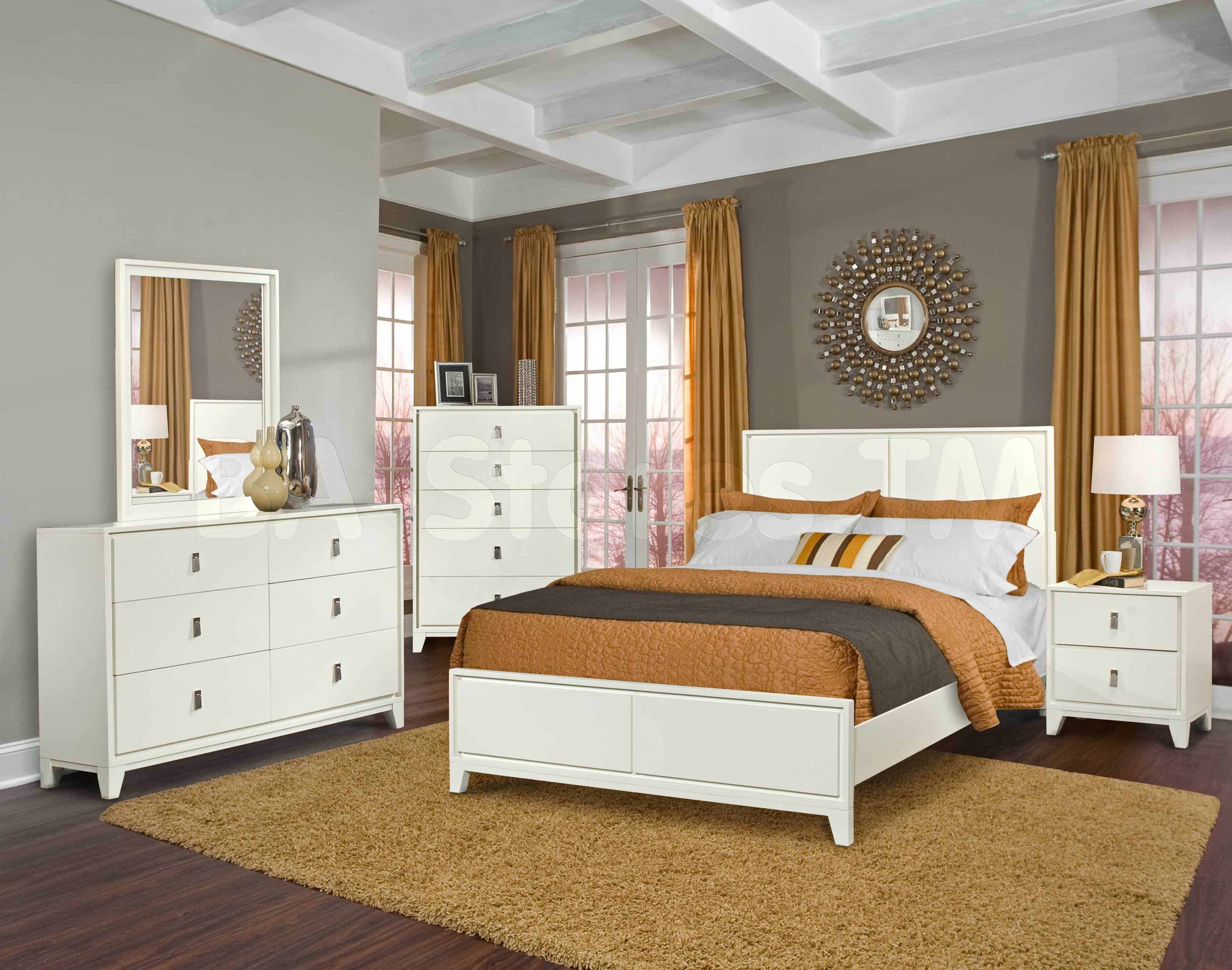
Bedroom furniture ideas that make small spaces feel calmer and more useful
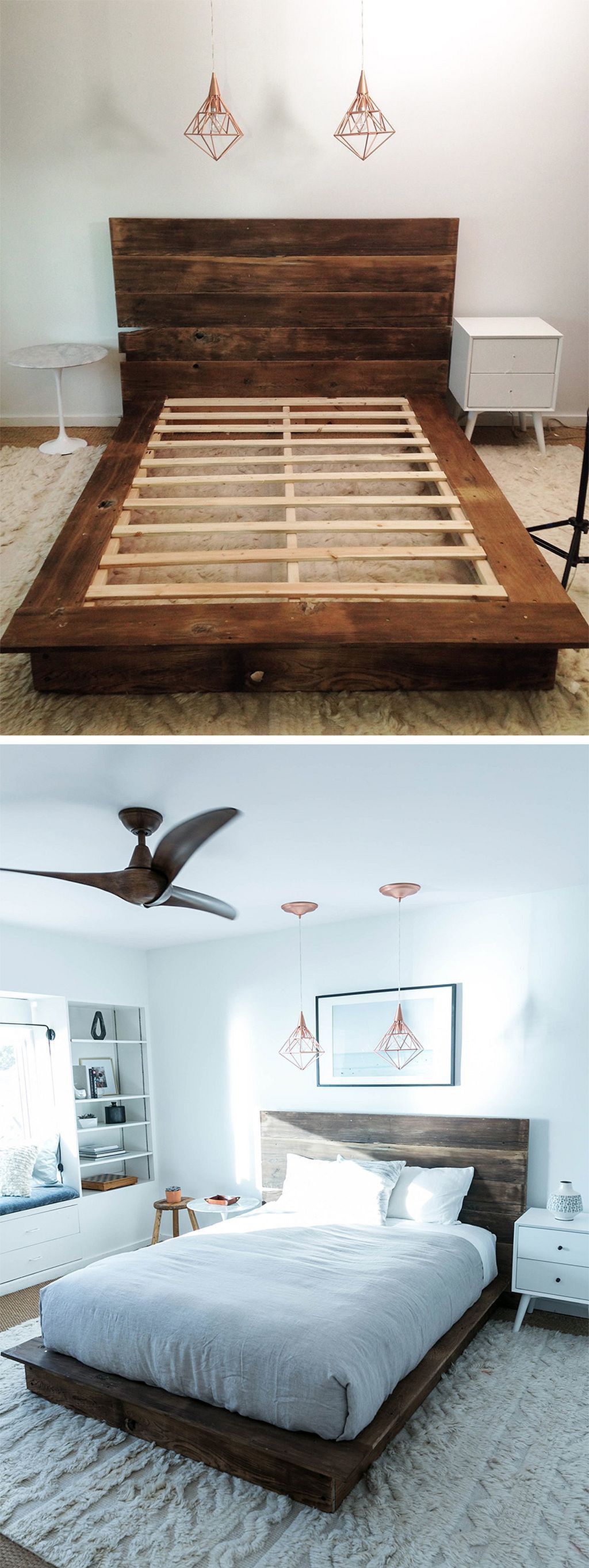
Understanding joinery and materials before you commit to a floating design

Navigating Regional Styles From Provence to Paris When Designing Your French Bedroom
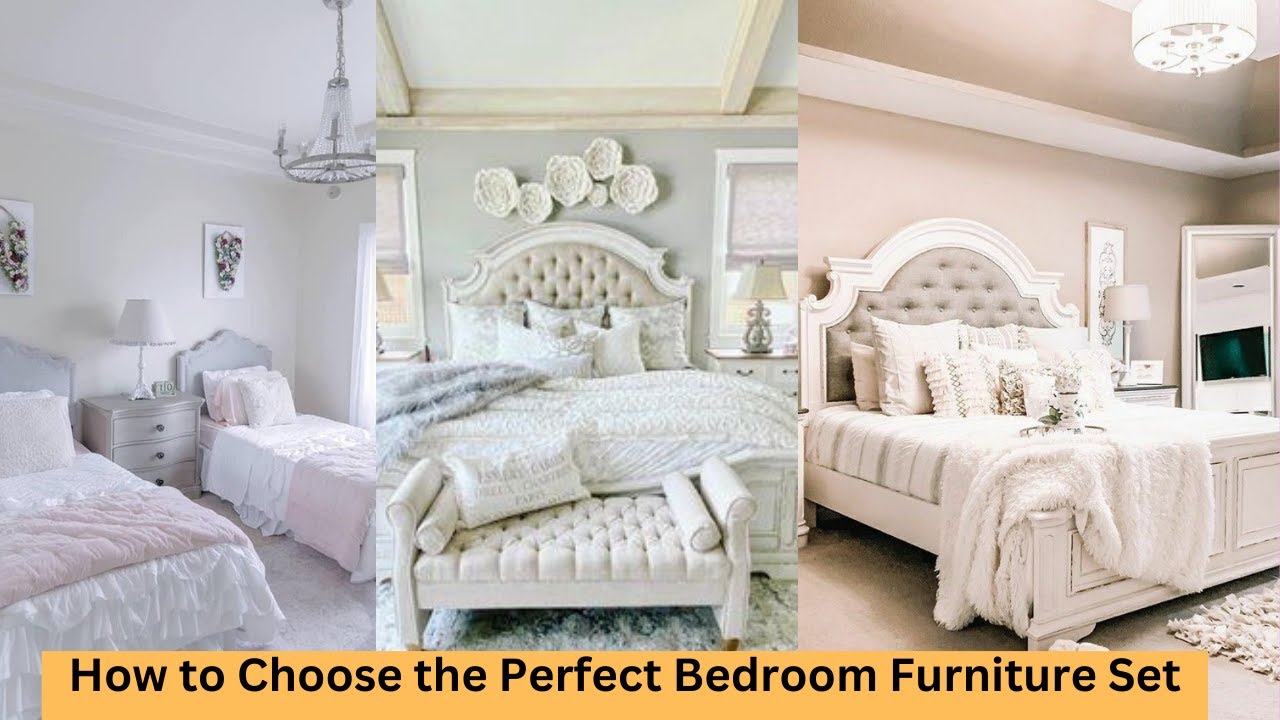
Building a Peaceful Bedroom Environment Through Better Furniture Planning Methods
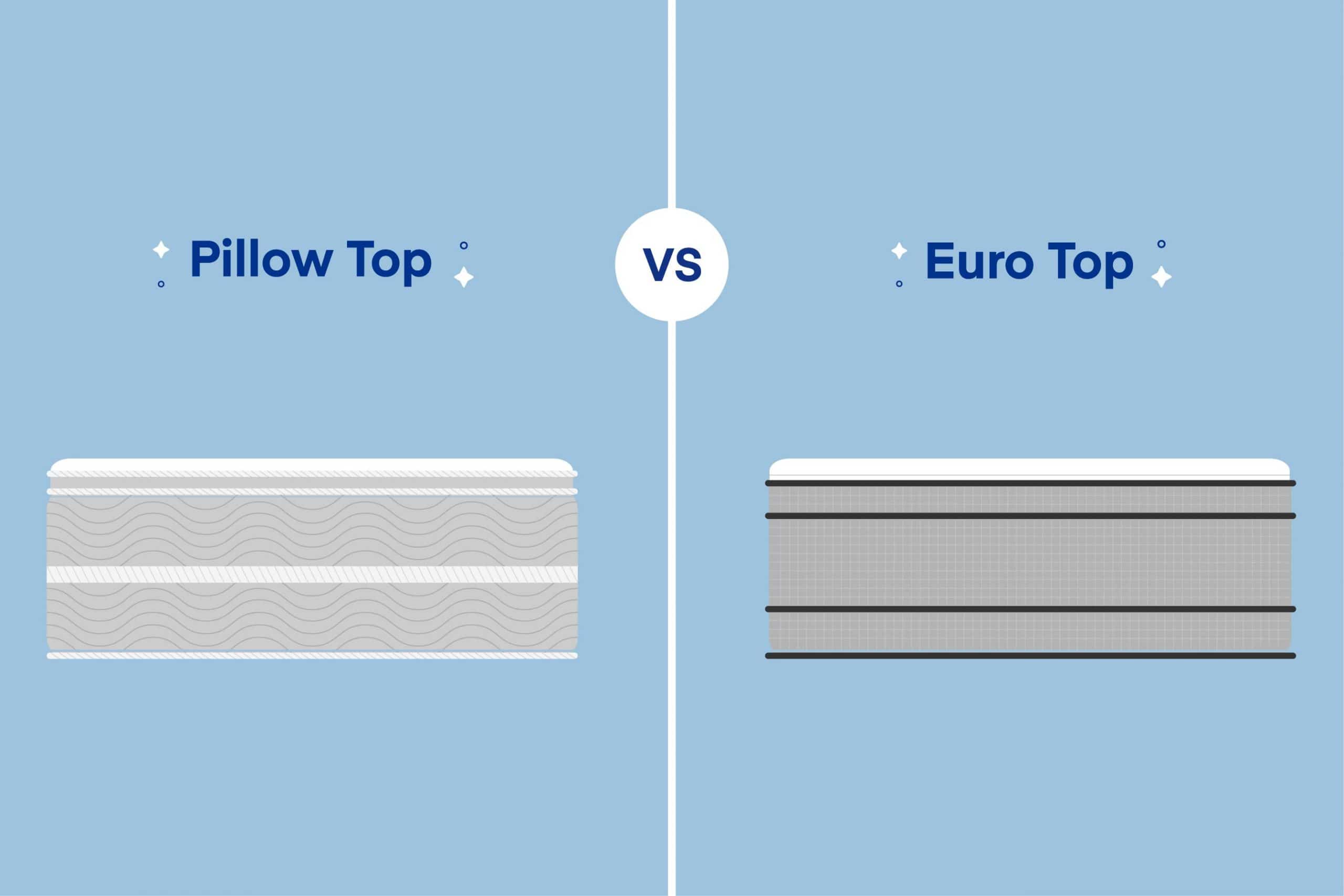
Navigating the Difference Between Flush Stitched Edges and Standard Pillow Tops
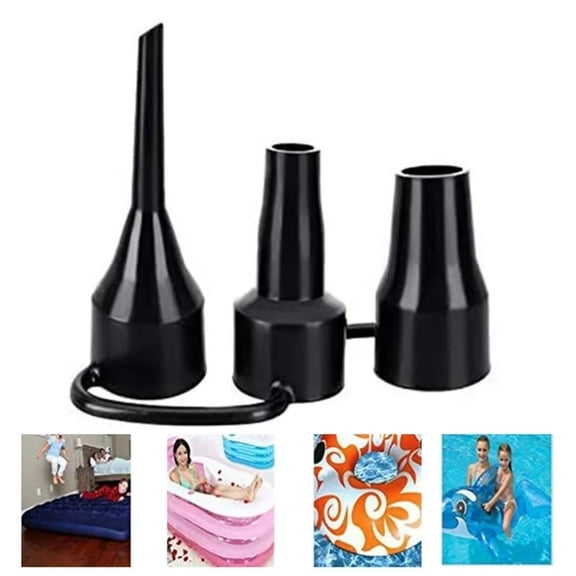
Understanding Air Valve Types to Prevent Leaks During Setup
Maximizing the performance of a mattress that doesn't need a box spring requires viewing the bed as a complete, integrated ecosystem rather than a collection of separate parts. Different mattress materials interact with support bases in unique ways. All-foam mattresses require absolute rigidity to prevent wave motion and sinking, whereas latex mattresses benefit from highly breathable slatted surfaces that allow heavy natural rubber cores to disperse heat effectively. Understanding these material synergies helps tailor your setup for maximum ergonomic benefit.
Another crucial consideration is room ergonomics and physical accessibility. Removing the box spring naturally lowers the overall height of the sleep surface. While this creates a sleek, contemporary aesthetic and makes getting into bed effortless for most adults, it requires careful thought for individuals with mobility limitations, joint pain, or back injuries. If a low-profile platform bed sits too close to the floor, pairing it with a slightly thicker mattress or choosing a medium-profile foundation restores the ideal ergonomic sit-to-stand height without reintroducing the bulky box spring.
Finally, maintenance routines should adapt to your new setup. Without a box spring acting as a dust trap, cleaning underneath the bed becomes significantly easier, but dust accumulation on exposed floors or metal grids still requires attention. Periodically vacuuming underneath platform beds and checking structural bolts for tightness once a year ensures your box-spring-free oasis remains squeak-free, clean, and structurally sound for the long haul.
The era of the mandatory box spring has officially drawn to a close, replaced by smarter, sleeker, and structurally superior support systems. By embracing platform beds, reinforced slats, and heavy-duty steel foundations, sleepers unlock better spinal alignment, improved temperature regulation, and a cleaner bedroom aesthetic. Letting go of legacy habits frees up space, saves money, and optimizes the performance of advanced sleep technology.
As bedroom architecture continues to evolve, the focus remains squarely on personalization and health. Whether you choose a minimalist wooden platform or a feature-packed adjustable base, the key is prioritizing rigidity, ventilation, and structural compatibility over tradition. Take stock of your current sleep setup, measure those slat gaps, and make the transition with confidence. Your spine—and your bedroom decor—will thank you for years to come.
