The afternoon sun hits a fresh coat of stark white paint, and instead of feeling like a peaceful Scandinavian retreat, the room feels like an empty operating table. It is a common design trap. You wanted airy, open, and modern, but what you got is clinical, sterile, and cold.
White paint is deceptively tricky. On a tiny paint chip at the hardware store, it looks clean and promising. Spread across four massive bedroom walls under the glare of LED bulbs, it transforms entirely. Suddenly, you are staring at a blinding expanse that begs for mercy. Yet, professional designers lean on white walls constantly. Why? Because white is not the absence of design; it is the ultimate blank canvas.
Mastering white wall decor for a bedroom is an exercise in restraint, texture, and light management. It requires moving past the fear of emptiness and understanding how to build depth without relying on heavy color. When executed correctly, a white-walled bedroom becomes a deeply restorative haven—a quiet visual exhale at the end of a chaotic day.
The history of white walls in domestic architecture is a fascinating pendulum swing. For centuries, pure white pigment was a luxury, tied to lime-washing traditions in Mediterranean villas or expensive lead-based paints in grand European estates. Later, the modernist movement weaponized white as a symbol of hygiene, industrial efficiency, and radical simplicity. By the late twentieth century, white became the default landlord special—a cheap, neutral fix designed to make rental properties look clean before a tenant moved in. This industrial legacy is precisely why untreated white walls can trigger an institutional feeling in our subconscious. Overcoming that psychological hurdle requires deliberate, tactile layer-building.
Decoding the Anatomy of White Paint and Ambient Light
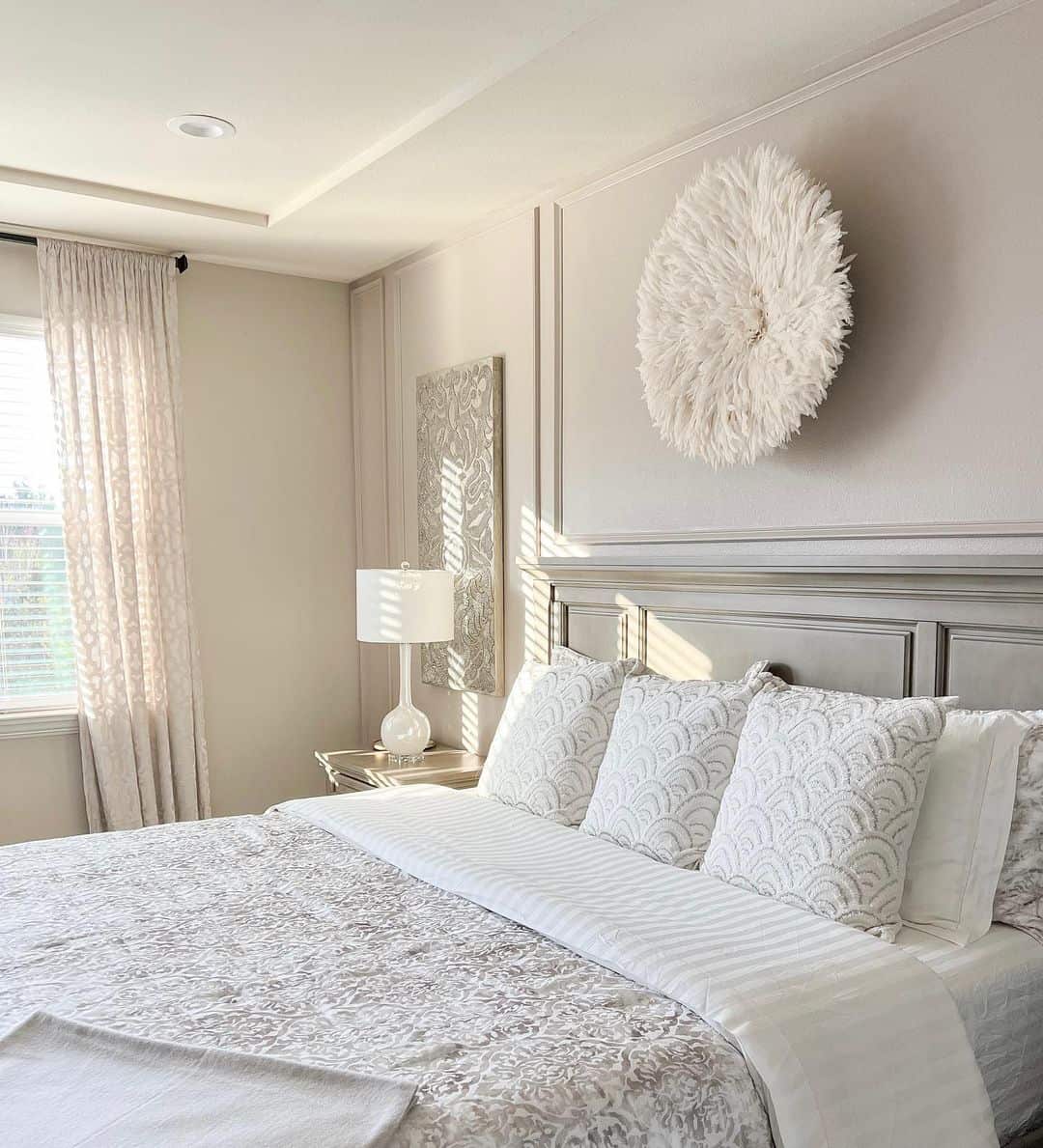
Before hanging a single piece of art or mounting a shelf, you must understand the chemistry of the white paint on your walls. No white paint is truly neutral. Every single formula is secretly tinted with microscopic drops of other colors, known as undertones. These undertones dictate how the wall behaves when natural daylight shifts throughout the day or when evening artificial lighting takes over.
Cool-toned whites carry blue, green, or grey bases. While they look crisp in sun-drenched coastal homes, putting a blue-based white in a bedroom that faces north or east is a recipe for disaster. Under weak, indirect light, these paints turn a depressing, icy grey that drains the life out of the room. Conversely, warm whites feature subtle yellow, pink, beige, or red undertones. Think of shades like linen white, antique white, or aged ivory. These formulas capture and refract light, bouncing a golden, buttery warmth back into the room.
Lighting temperature plays a massive role in how white walls are perceived. If you install cool 4000K LED bulbs in a white bedroom, you will instantly ruin the atmosphere, no matter how much warm decor you add. Stick to warm-to-neutral lighting between 2700K and 3000K. This temperature mimics traditional incandescent bulbs, softening the edges of white walls and making the space feel human, breathable, and genuinely restful.
Layering Textures and Materials to Banish Flatness
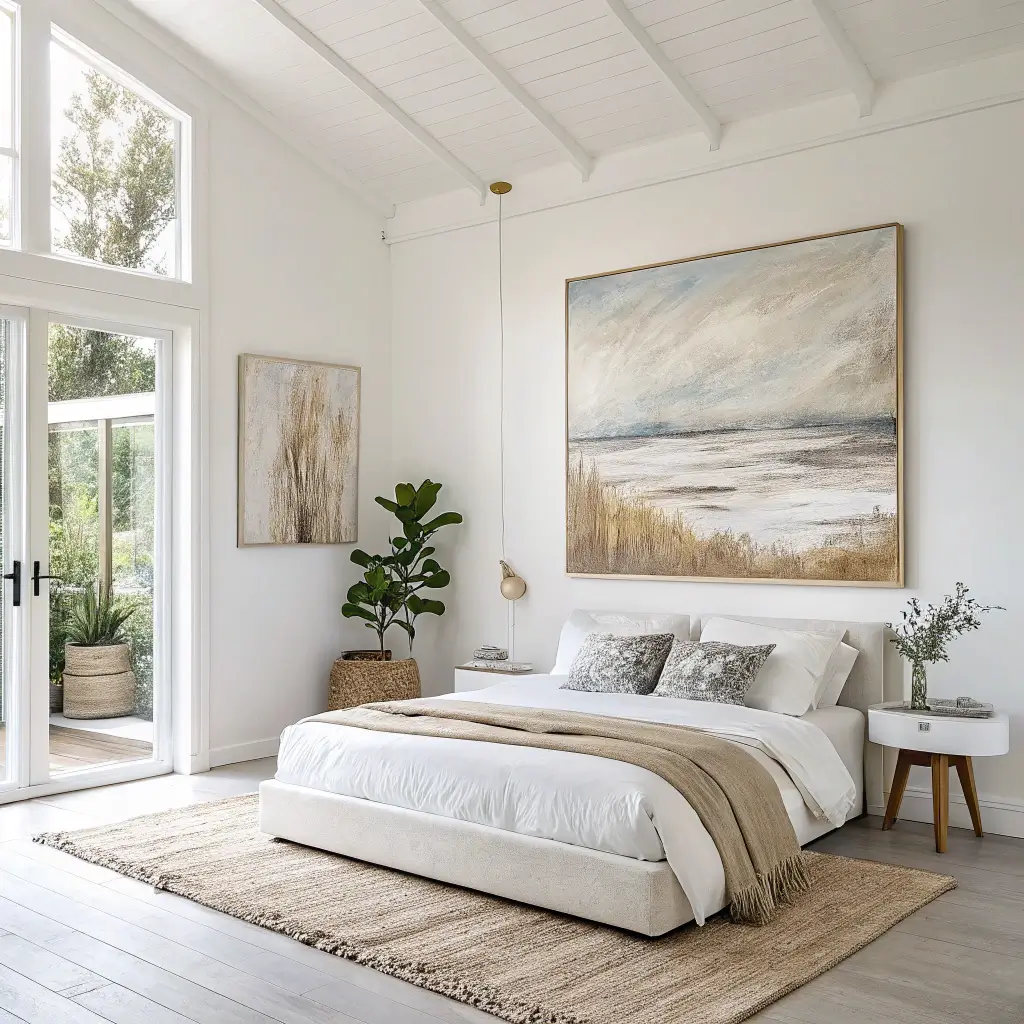
The primary reason white walls feel cold is a lack of tactile diversity. When everything in a room is smooth and flat—drywall, flat paint, slick bedding—the eye has nowhere to rest, and the space feels sterile. Solving this requires an aggressive injection of texture. Think of your white walls not as a final destination, but as a silent backdrop meant to amplify the tactile qualities of everything placed against them.
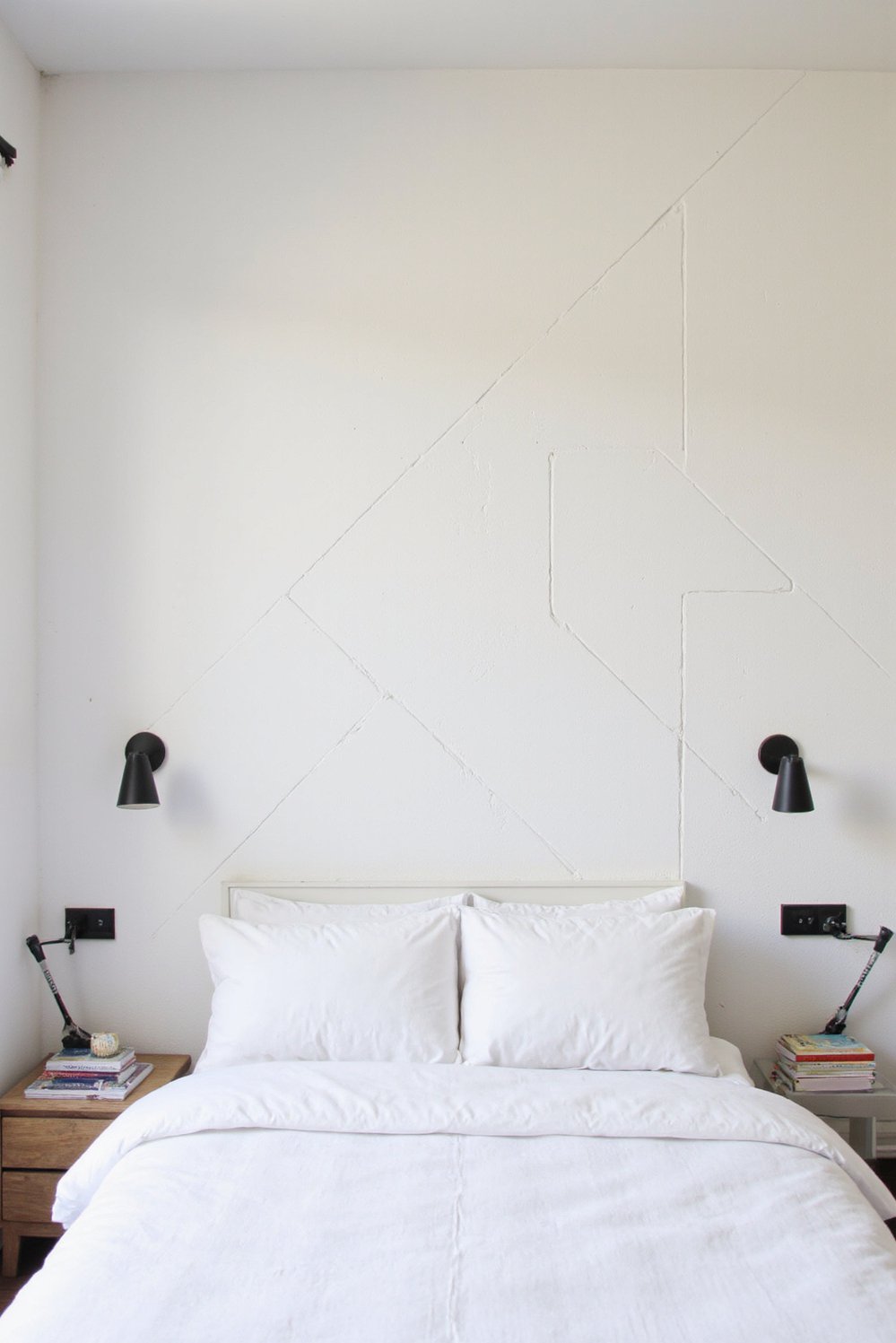
Consider introducing vertical architectural elements like wooden slat paneling painted in the exact same white as the drywall. This creates shadow play and deep visual interest through geometry rather than color. If major construction is out of the question, achieve a similar effect with woven wall hangings, heavy linen tapestries, or a textural lime-wash or Venetian plaster finish. Lime wash introduces a cloudy, chalky movement across the surface that catches light organically.
Textiles should extend off the bed and onto the perimeter walls. A vintage kilim rug hung as a headboard alternative, heavy Belgian linen draperies pooling slightly on the floor, or a chunky wool macrame piece instantly absorbs the starkness of a white surface. The goal is to create a multi-dimensional sensory experience where the eye is constantly invited to trace rough edges, soft weaves, and natural grains.
A Step-by-Step Methodology for Styling White Bedroom Walls
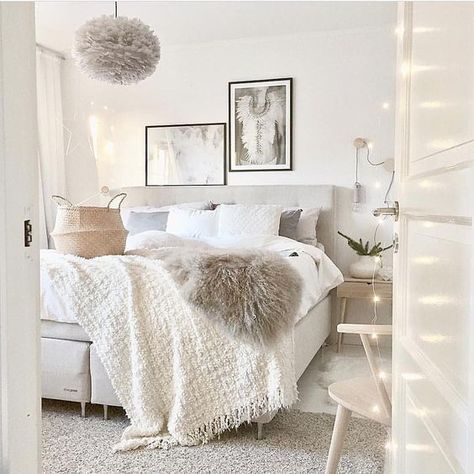
Transforming a blank white bedroom requires a methodical approach. You cannot simply throw up random frames and hope for the best. Follow this systematic process to curate a balanced, highly personalized sanctuary.
Common Pitfalls and Field-Tested Workarounds for White Rooms
Even seasoned DIYers make predictable missteps when tackling minimalist interiors. Recognizing these traps early saves you time, money, and emotional frustration.
The Psychological Value of Minimalism and Restorative Spaces
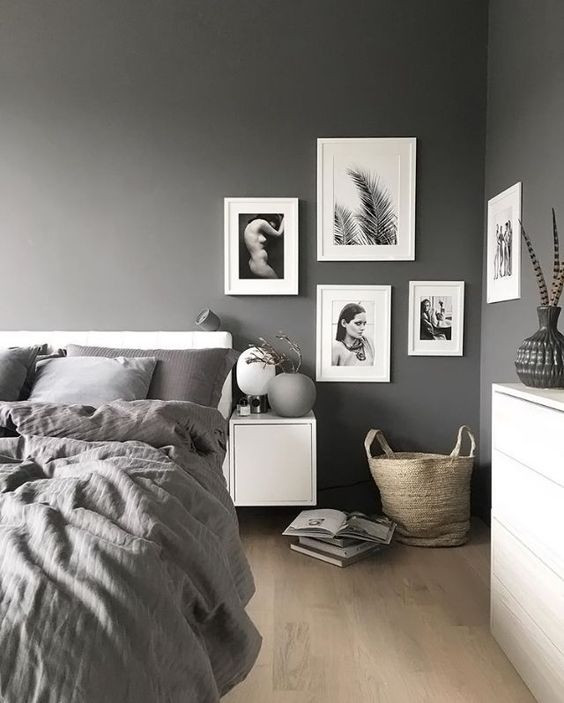
We often underestimate how profoundly our visual environment impacts our nervous system. A bedroom cluttered with competing colors, high-contrast patterns, and visual noise keeps the brain in a state of micro-vigilance. By contrast, a thoughtfully decorated white-walled bedroom acts as a physical decompression chamber.
In environmental psychology, white and very pale neutrals are proven to lower cortisol levels and signal to the brain that it is safe to unwind. When you strip away visual clutter, the mind stops processing extraneous information. However, this psychological benefit only holds true if the white room feels curated rather than neglected. A room that looks unfinished causes anxiety; a room that feels intentionally minimal, warm, and deeply textured promotes restorative sleep.
This balance is why biophilic design principles work so seamlessly with white walls. Bringing living elements—wood, stone, unglazed ceramics, and plants—into a white space bridges the gap between modern cleanliness and primal human comfort. You get the mental clarity of minimalism paired with the grounded security of nature.
Related Posts
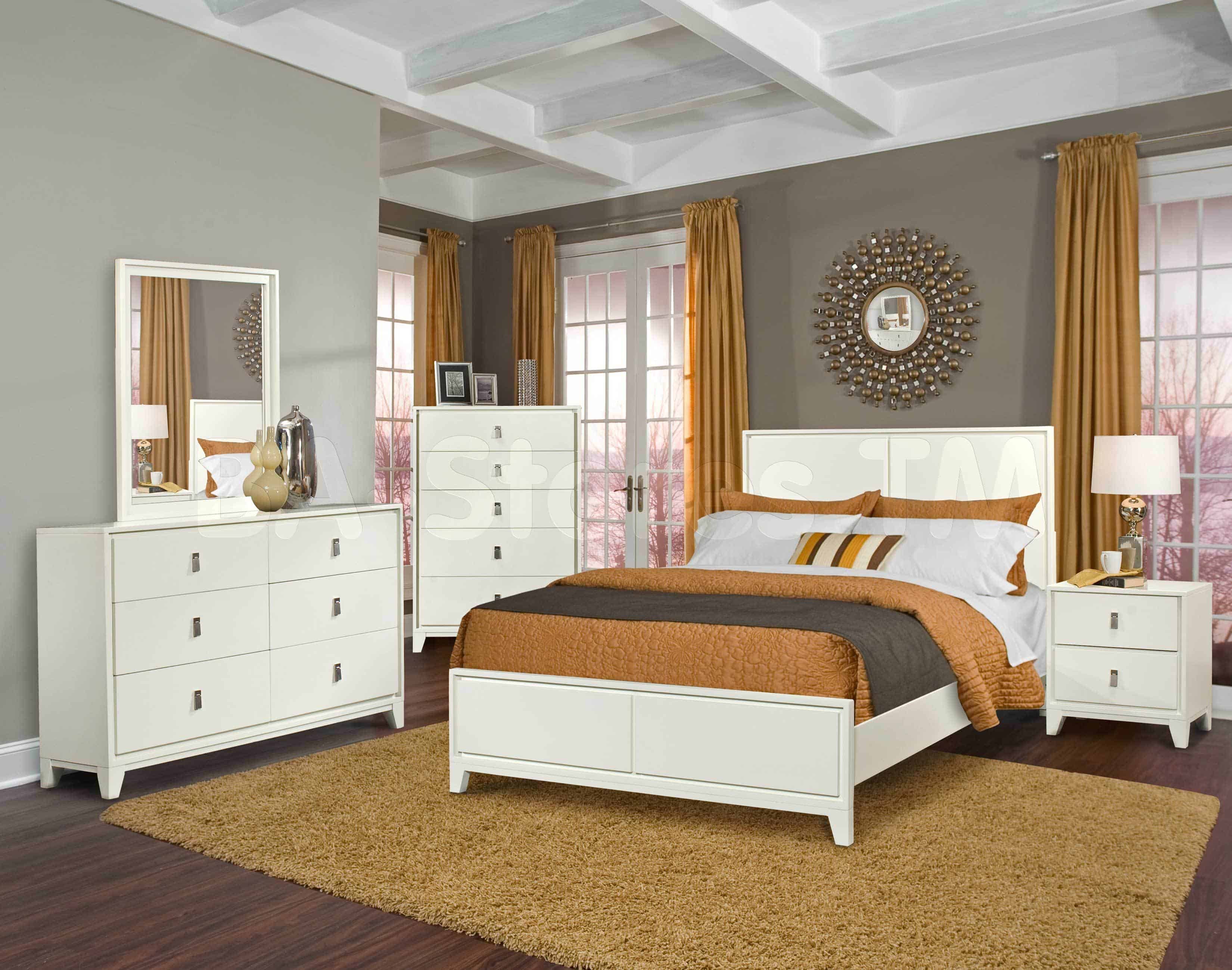
Bedroom furniture ideas that make small spaces feel calmer and more useful
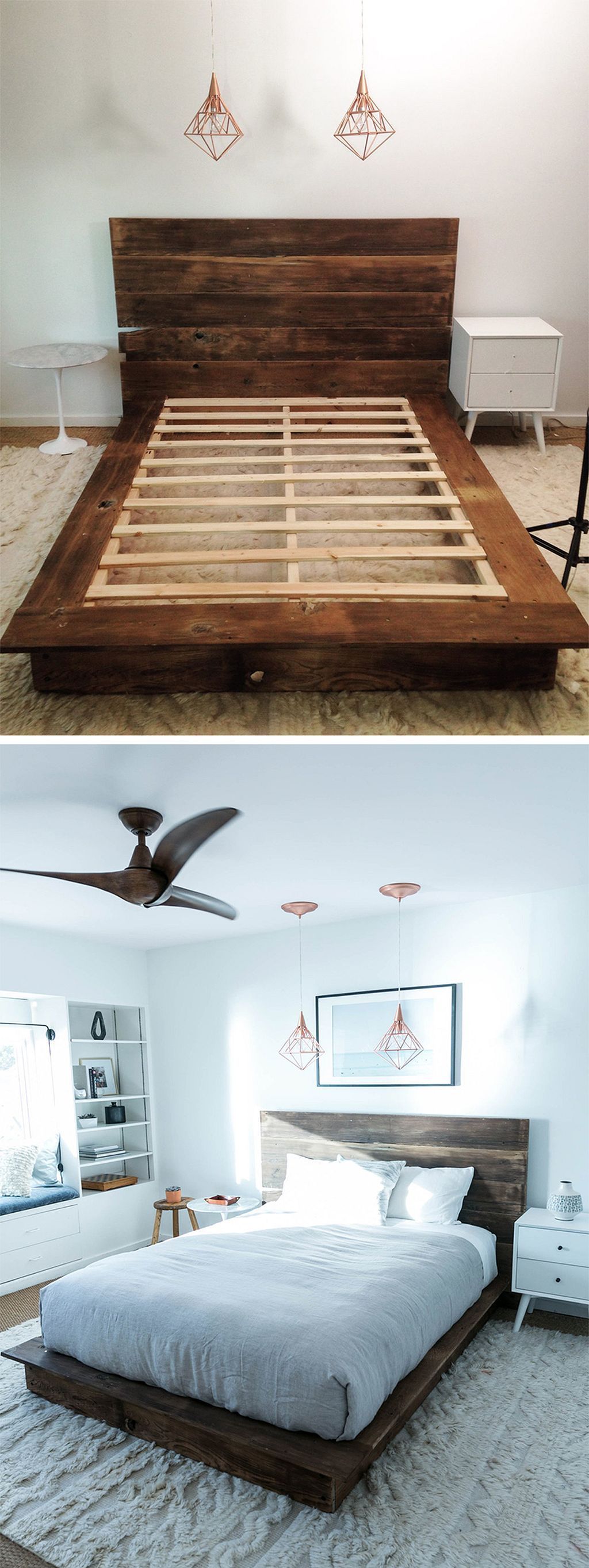
Understanding joinery and materials before you commit to a floating design

Navigating Regional Styles From Provence to Paris When Designing Your French Bedroom

Building a Peaceful Bedroom Environment Through Better Furniture Planning Methods
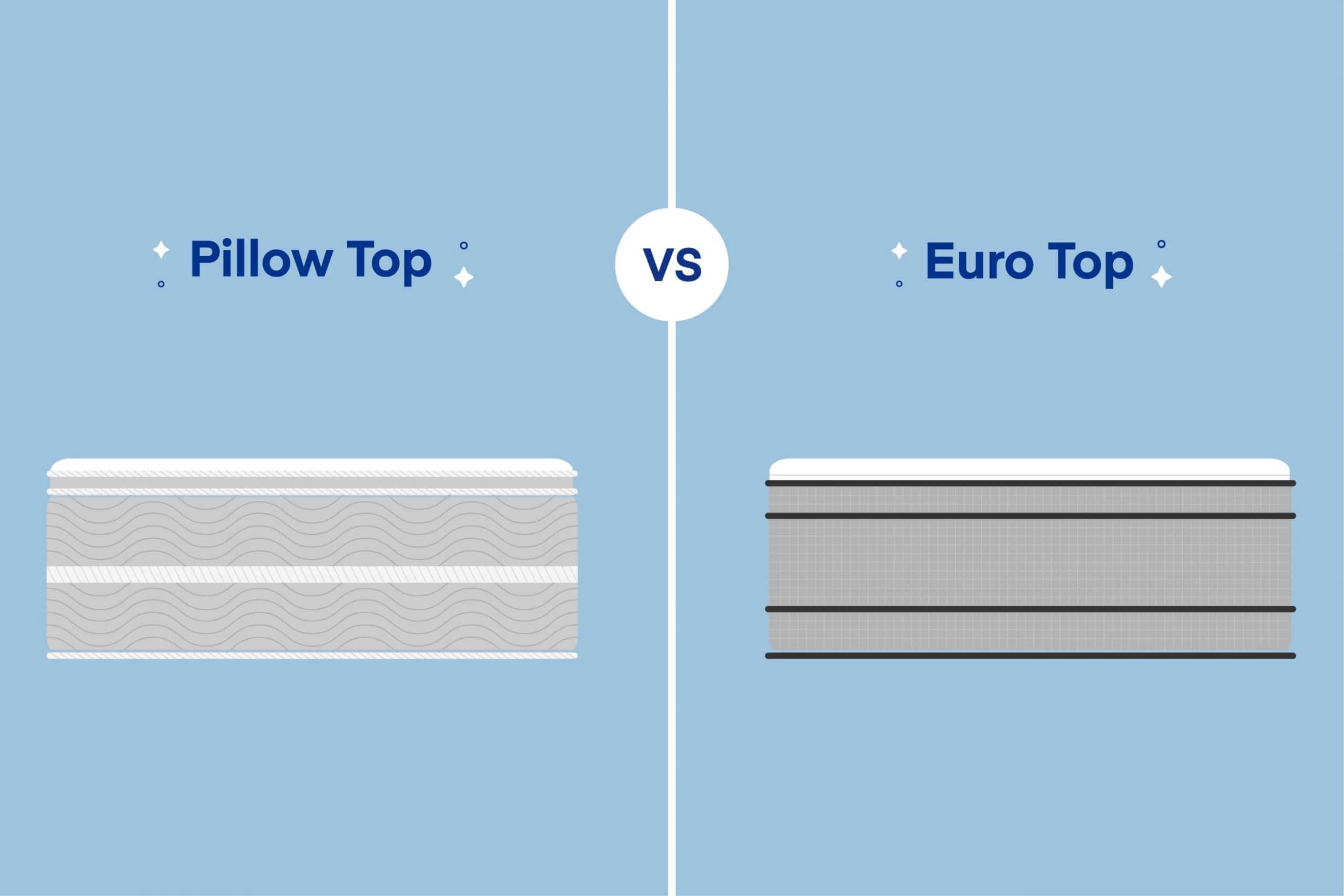
Navigating the Difference Between Flush Stitched Edges and Standard Pillow Tops

Understanding Air Valve Types to Prevent Leaks During Setup
Actionable Recommendations for Crafting Your Sanctuary
Synthesizing these design concepts into your own home does not require an interior design degree or an unlimited budget. Start by auditing what you already own. Pull items out of your bedroom that introduce unnecessary visual noise and keep only the pieces that serve a functional or deeply emotional purpose.
Invest in quality over quantity. If you are going to buy art for a white wall, buy one piece that you genuinely love rather than ten cheap posters. Pay attention to framing; choose warm oak, brushed brass, or gallery-quality matte black frames to give your wall decor weight and definition. Finally, never underestimate the power of textiles. Swapping out synthetic polyester bedding for stonewashed linen in warm oatmeal or olive tones will instantly transform the emotional temperature of a cold white room.
Decorating a bedroom with white walls is ultimately an exercise in mindfulness. It forces you to pay attention to the subtle interplay of light, shadow, texture, and proportion. It reminds us that luxury is rarely about accumulation; instead, it is about curation, breathing room, and the quiet confidence to leave things uncrowded.
As interior design trends continue to move away from fast-furniture excess toward slow, sustainable, and wellness-oriented spaces, the white-walled sanctuary remains a timeless classic. Approach your bedroom not as a project to be finished in a weekend, but as an evolving composition. Allow it to change with the seasons—swapping heavy wools for breezy linens, moving a single branch in a ceramic vase—and watch how a simple coat of white paint becomes the most powerful design tool in your home.
