Picture a cold autumn morning when your seven-year-old Labrador retriever tries to stand up. Instead of the bounding leap of his youth, there is a slow, agonizing hesitation. He shifts his weight, his hocks tremble, and a low, muffled sigh escapes him as his stiff elbows finally lock into place. For millions of dog owners, this heartbreaking morning ritual is a familiar reality. We watch our closest companions age, often blaming simple "old age" for what is actually chronic joint inflammation, hip dysplasia, or post-surgical stiffness.
Yet, beneath the heartbreak lies a straightforward, highly effective intervention that many households overlook: the sleep surface. Canines spend roughly twelve to fourteen hours a day lying down. If that resting surface is a cheap, flattened polyfill pillow that lets their skeletal frame bottom out against the hardwood floor, every single nap becomes an exercise in physical micro-trauma.
Enter the realm of orthopedic dog bed memory foam—a product category that has evolved from basic pet store cushions into sophisticated, medical-grade sleep systems. Designing or purchasing the right bed is not merely about pampering a pet; it is a critical component of canine physical rehabilitation, pain management, and long-term joint preservation. Navigating the dense landscape of marketing claims requires looking past flashy buzzwords to examine actual material density, structural engineering, and the specific ergonomic needs of your dog's unique physical anatomy.
The evolution of pet bedding mirrors human ergonomics. Decades ago, dogs slept on straw, old rugs, or whatever spare blankets were available. As veterinary medicine advanced, veterinarians and canine physical therapists realized that large breeds, working dogs, and senior animals suffered disproportionately from osteoarthritis, elbow hygromas, and cruciate ligament tears. Standard fiber-filled beds offered zero structural resistance. They compressed instantly under a heavy dog's weight, creating localized pressure points over bony prominences like the hips, shoulders, and hocks.

When manufacturers began adapting high-density viscoelastic memory foam and multi-layer support slabs for the pet market, the change was transformative. Suddenly, dogs with severe hip dysplasia or those recovering from TPLO (Tibial Plateau Leveling Osteotomy) surgery had a therapeutic surface that maintained spinal alignment and distributed body mass evenly. However, the market quickly flooded with cheap imitations. Thin sheets of low-density foam were marketed as "orthopedic," trapping heat and bottoming out within weeks. Understanding the true mechanics of memory foam separates marketing gimmicks from genuine therapeutic relief.
Decoding the Anatomy of True Orthopedic Foam Support
When evaluating a dog bed, the term "orthopedic" is legally unregulated, meaning any manufacturer can slap it on a tag. True orthopedic support relies on physics, material science, and specific density thresholds. A legitimate therapeutic dog bed uses a foundation of high-density support foam—typically measuring 1.8 pounds per cubic foot (PCF) or higher—to bear the dog's weight without collapsing. Layered on top of this sturdy base is a slab of open-cell viscoelastic memory foam, which contours to the animal's body shape, absorbs kinetic pressure, and eliminates hot spots.
The interaction between the dog's body and the foam is a matter of pressure distribution. When a seventy-pound German Shepherd lies down, its weight is concentrated over relatively small surface areas at the shoulder and hip joints. On an unsupportive surface, blood flow in these compressed capillaries is restricted, causing discomfort that forces the dog to shift positions restlessly throughout the night. Memory foam conforms to these contours, distributing the load uniformly across the entire sleep footprint. This pressure relief reduces inflammation, lowers heart rates during sleep, and prevents the formation of painful calluses and elbow hygromas.

Furthermore, thermal regulation plays a vital role in foam selection. Traditional closed-cell memory foam is notorious for trapping body heat, which can exacerbate inflammation in arthritic joints and cause extreme discomfort for double-coated breeds like Huskies or Newfoundlands. Modern high-end orthopedic beds incorporate open-cell structures, gel-infused memory foam layers, or convoluted (egg-crate) designs that promote passive airflow. This technical nuance ensures that the dog remains cool and comfortable, preventing the restless tossing and turning that disrupts deep, restorative REM sleep cycles.
Matching Material Density, Breed Mechanics, and Medical Needs
Selecting the correct bed requires matching the physical properties of the foam to the specific breed, weight class, and medical profile of your dog. A miniature dachshund with intervertebral disc disease (IVDD) requires a different support profile than a massive Great Dane with advanced hip dysplasia or a young Labrador recovering from ACL surgery. Treating all dogs with a one-size-fits-all approach is a recipe for continued joint pain and wasted financial investment.
Weight is the primary metric for determining the required foam thickness and density. Dogs under thirty pounds can often get by with a two-to-three-inch solid foam base, provided the density is adequate. Medium to large breeds (forty to ninety pounds) require a minimum of four inches of high-density support foam beneath their memory foam comfort layer. Giant breeds (one hundred pounds and up) need heavy-duty, five-to-seven-inch thick multi-layer slabs. Without this thickness, the dog's heavier skeletal mass will compress the foam completely, rendering the memory foam layer useless as it bottoms out against the floor.

Medical history is equally critical. For dogs recovering from orthopedic surgeries, stability is paramount. Beds with supportive bolsters or solid, non-skid bases prevent the dog from sliding when attempting to stand up on slick hardwood or tile floors. For senior dogs experiencing cognitive dysfunction syndrome (canine dementia), rectangular mats without restrictive bolsters are often safer, as walled beds can cause disoriented dogs to wedge themselves into corners. By analyzing these variables, owners can tailor their investment to provide targeted, therapeutic relief where it matters most.
Step-by-Step Methodology for Selecting and Maintaining an Orthopedic Bed
Finding, purchasing, and maintaining the ideal orthopedic dog bed involves a systematic approach. Skipping steps often leads to sagging foam, ruined covers, and a dog that refuses to use the expensive new cushion.
Navigating Common Pitfalls and Field-Tested Workarounds

Even experienced pet owners frequently stumble into common traps when purchasing and maintaining orthopedic memory foam beds. Recognizing these pitfalls saves money and ensures the bed actually serves its therapeutic purpose.
The Broader Impact on Canine Longevity and Household Economics
Investing in a high-quality orthopedic dog bed is a strategic decision that influences both veterinary expenses and canine longevity. When a dog sleeps with proper spinal alignment and uninterrupted pressure relief, their body recovers more efficiently from daily physical exertion. Joints experience less cumulative wear, muscle spasms decrease, and mobility is preserved well into their golden years. This physical preservation directly correlates with reduced pharmaceutical interventions, fewer emergency vet visits for acute joint flare-ups, and an enhanced quality of life.
From an economic perspective, purchasing a premium, modular orthopedic bed—where individual foam cores and replacement covers can be swapped out over time—actually saves money. Cheap twenty-dollar pet store beds flatten within months, forcing pet owners into a continuous cycle of replacement. A well-engineered memory foam bed with a density rating fit for commercial furniture can easily last five to ten years, maintaining its structural integrity and therapeutic bounce. Furthermore, the peace of mind that comes from knowing your aging companion is resting comfortably is an intangible asset that no pet owner can put a price tag on.

Related Posts
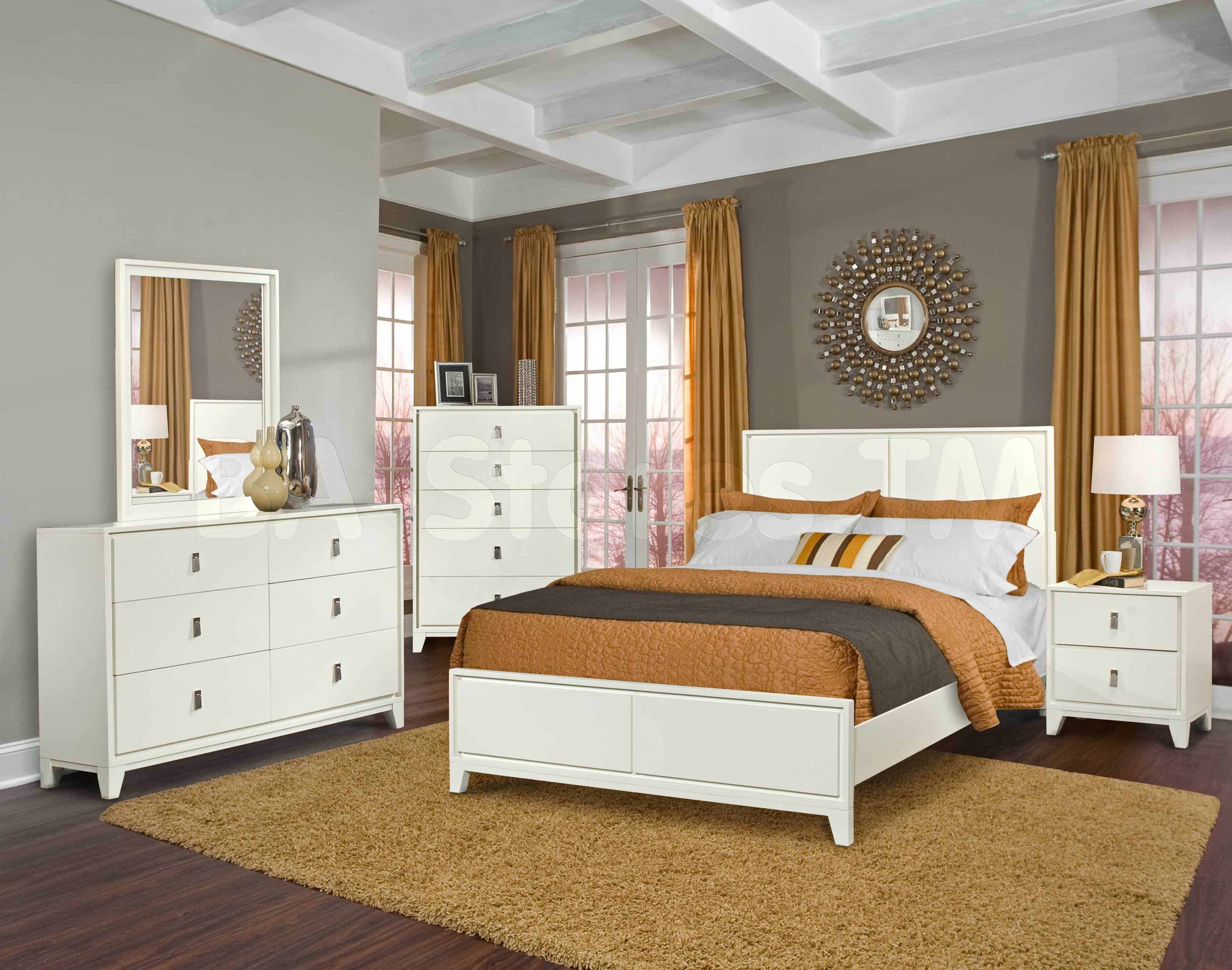
Bedroom furniture ideas that make small spaces feel calmer and more useful
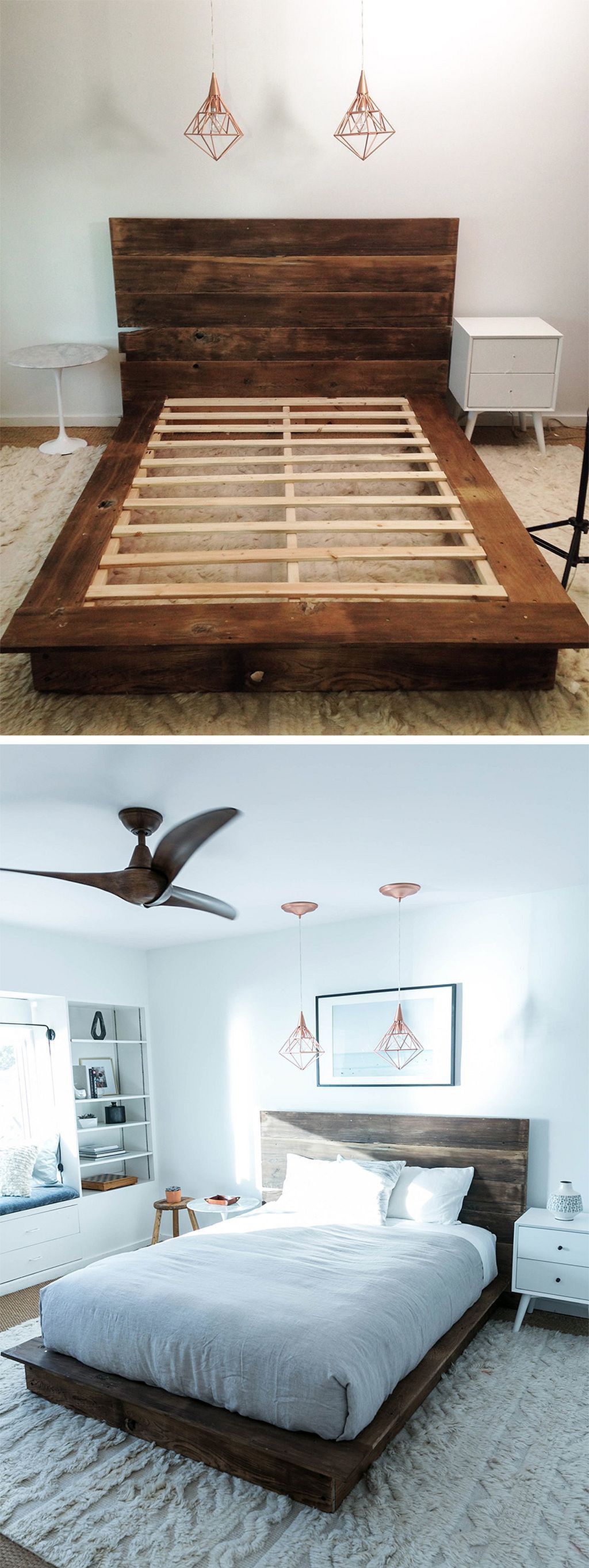
Understanding joinery and materials before you commit to a floating design

Navigating Regional Styles From Provence to Paris When Designing Your French Bedroom

Building a Peaceful Bedroom Environment Through Better Furniture Planning Methods
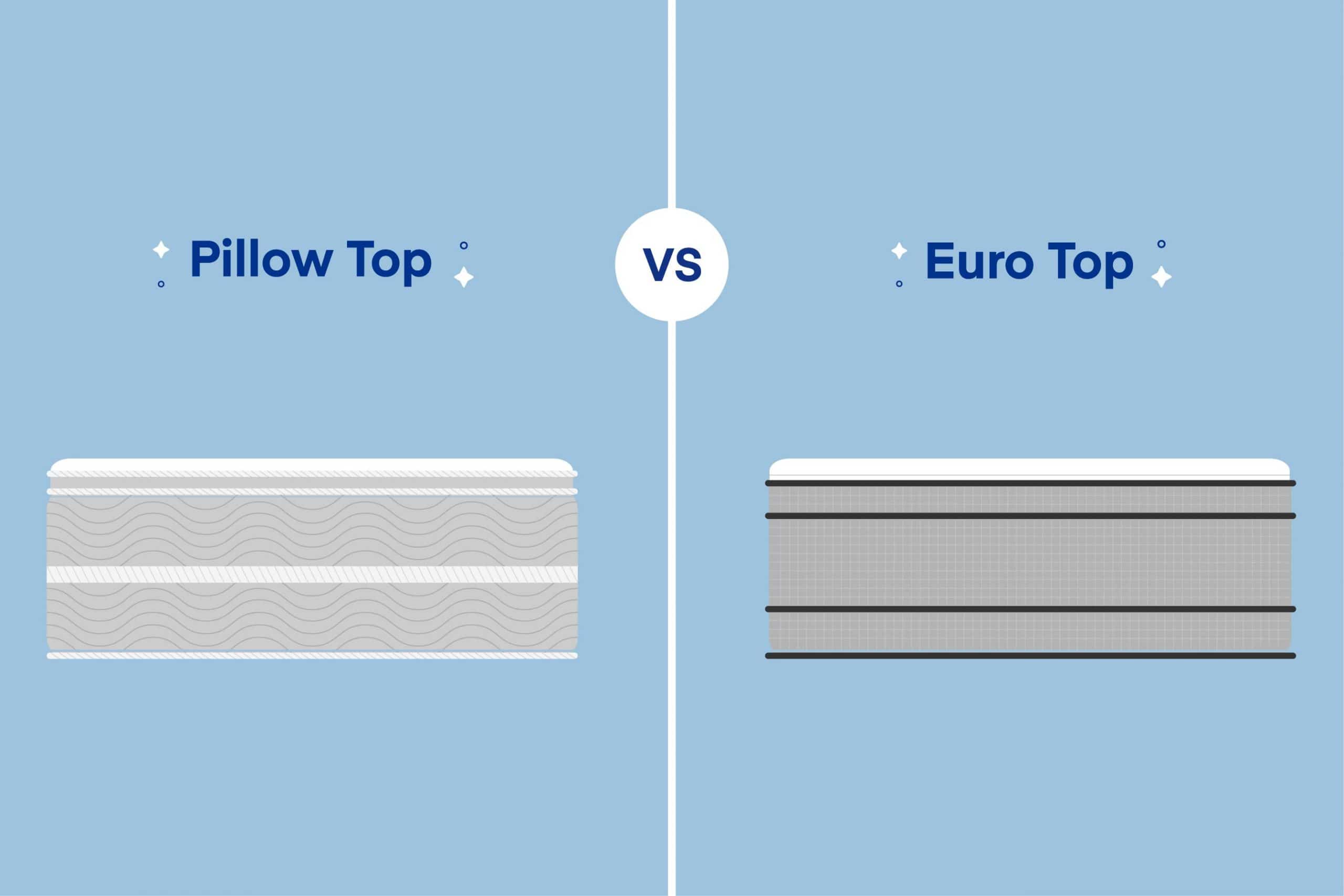
Navigating the Difference Between Flush Stitched Edges and Standard Pillow Tops
Understanding Air Valve Types to Prevent Leaks During Setup
Essential Recommendations for Long-Term Canine Joint Health
To maximize the benefits of an orthopedic dog bed, integrate the purchase into a broader, holistic wellness plan for your pet. Sleep is the foundation of recovery, but it works best when paired with complementary care strategies.
The bond we share with our dogs is defined by loyalty, companionship, and a silent understanding. When our pets age, our responsibility shifts toward bearing the weight of their physical vulnerabilities, just as they carried our emotional burdens through the years. Providing a proper orthopedic memory foam bed is a tangible expression of that devotion—a quiet, daily investment in their comfort and dignity.
As material science continues to advance, pet bedding will only grow more sophisticated, incorporating smarter thermal regulation, antimicrobial textiles, and precise ergonomic mapping. Yet, the core mission remains unchanged: to grant our dogs a soft place to land at the end of a long day. By prioritizing density, structural integrity, and thoughtful design, you ensure that every nap your companion takes is truly restorative, paving the way for more joyful years, pain-free strolls, and peaceful dreams together.
