The living room was quiet, save for the soft hum of an evening settling over the house. In the corner, stripped of the harsh glare from overhead recessed cans, a reading chair sat bathed in a pool of amber light. Anchoring that corner was a heavy, dark-metal silhouette—a floor lamp finished in a deep, weathered bronze that caught the faintest glint of copper along its edges. It didn't scream for attention. Instead, it grounded the entire space, pulling together the walnut of the coffee table and the woven texture of the linen sofa without breaking a sweat.
Lighting is often treated as an afterthought, picked up hurriedly at the end of a renovation or apartment move when the budget is running dry. Yet, designers know that the right fixture acts as jewelry for a room. Among the myriad finishes available in the contemporary home decor market, the oil-rubbed bronze floor lamp stands apart. It bridges the gap between historical craftsmanship and modern functionality, surviving decades of design shifts because of its incredible visual depth and tactile warmth.
Understanding why these lamps hold such enduring appeal requires looking past the surface sheen. Whether you are hunting for a heavy-based reading light to anchor a quiet corner or searching for a dramatic arch to sweep over a sectional sofa, navigating the world of dark warm-metal fixtures demands an eye for construction quality, finish authenticity, and scale. This guide peels back the layers on everything from metallurgy and shade selection to mechanical stability and long-term maintenance, equipping you to make an investment that will outlast fleeting micro-trends.

Anatomy of a Classic: Decoding the Metallurgy and Finish
The charm of an oil-rubbed bronze surface lies in its deliberate imperfection. Unlike powder-coated matte black finishes that absorb light uniformly, true oil-rubbed bronze is a living finish. Historically, manufacturers achieved this look by chemically darkening brass or copper surfaces, then hand-rubbing the high points to reveal the underlying golden-copper undertones. This mimics decades of natural handling and oxidation, giving the metal an immediate sense of history and gravitas.
When evaluating a floor lamp, the base material matters immensely. High-end fixtures are typically constructed from heavy brass, cast iron, or zinc alloy substrates. These materials provide the necessary mass to keep a tall vertical structure from tipping. Cheaper alternatives often rely on hollow steel tubing weighted down by a cheap concrete disc hidden beneath a thin stamped-metal shell. Over time, these budget variants can develop structural wobble at the joints where the pole sections thread together.

The finish itself requires scrutiny. Mass-market manufacturers sometimes simulate oil-rubbed bronze with a simple dark brown spray paint and a dab of gold paint on the edges. This shortcut lacks the dimensional depth of electroplated or chemically oxidized finishes, which interact dynamically with ambient room light. When natural sunlight hits a quality bronze lamp during the day, you should notice subtle bronze and copper highlights peeking through a dark, almost chocolate-brown base coat. This tonal variation is what allows the lamp to tie together disparate wood tones in a room, harmonizing with everything from dark espresso stains to warm white oak floors.
Architectural Versatility Through the Decades
Design historians frequently note how dark bronze finishes have successfully navigated every major aesthetic shift from the Arts and Crafts movement of the early twentieth century through mid-century modern iterations and right into today's transitional spaces. This adaptability stems from the finish's unique color temperature. Because it sits squarely on the warm side of the spectrum without the glaring brightness of polished brass or the stark industrial coldness of chrome, it acts as a visual neutral.

In traditional or craftsman-style interiors, an oil-rubbed bronze lamp with a mica or amber art-glass shade reinforces a sense of heritage and artisanal quality. The dark metal frames the glowing panels, creating a focal point that feels organic and rooted. Conversely, in a modern minimalist or transitional living room, a slender bronze floor lamp with clean lines and an unadorned drum shade introduces subtle warmth without cluttering the visual field. It prevents a monochromatic grey or white room from feeling sterile or clinical.
Scale and silhouette dictate how successfully the lamp integrates into its environment. For tight apartment layouts or cramped reading nooks, a straight-column floor lamp with a small footprint maximizes vertical space without demanding visual dominance. For expansive open-concept living areas, an arc floor lamp crafted in oil-rubbed bronze provides a sweeping overhead presence. The curved arm draws the eye upward and outward, defining a conversation area without requiring bulky furniture arrangements.
Mastering the Selection and Placement Process

Finding the right floor lamp requires a methodical approach that balances spatial dimensions, lighting output requirements, and mechanical features. Rushing out to buy the first fixture that catches your eye often results in lighting hot spots, glare on television screens, or awkward proportions relative to surrounding furniture.
Navigating Common Pitfalls and Structural Flaws
Even high-end decorative lighting can present frustrating operational hurdles if certain red flags are ignored during purchase and installation. Understanding where manufacturers tend to cut corners saves you from unstable hardware, premature electrical failure, and aesthetic mismatches.

Related Posts
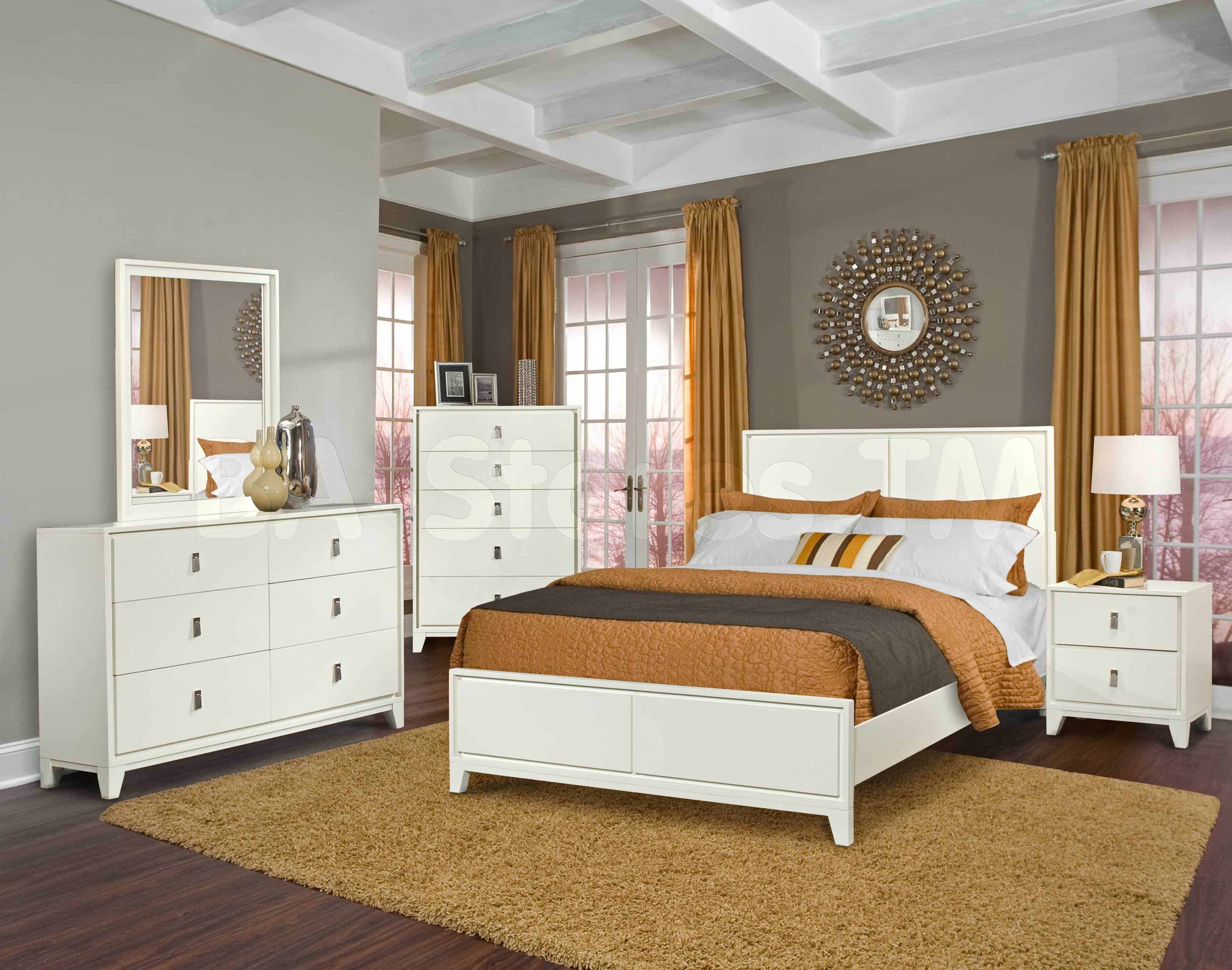
Bedroom furniture ideas that make small spaces feel calmer and more useful
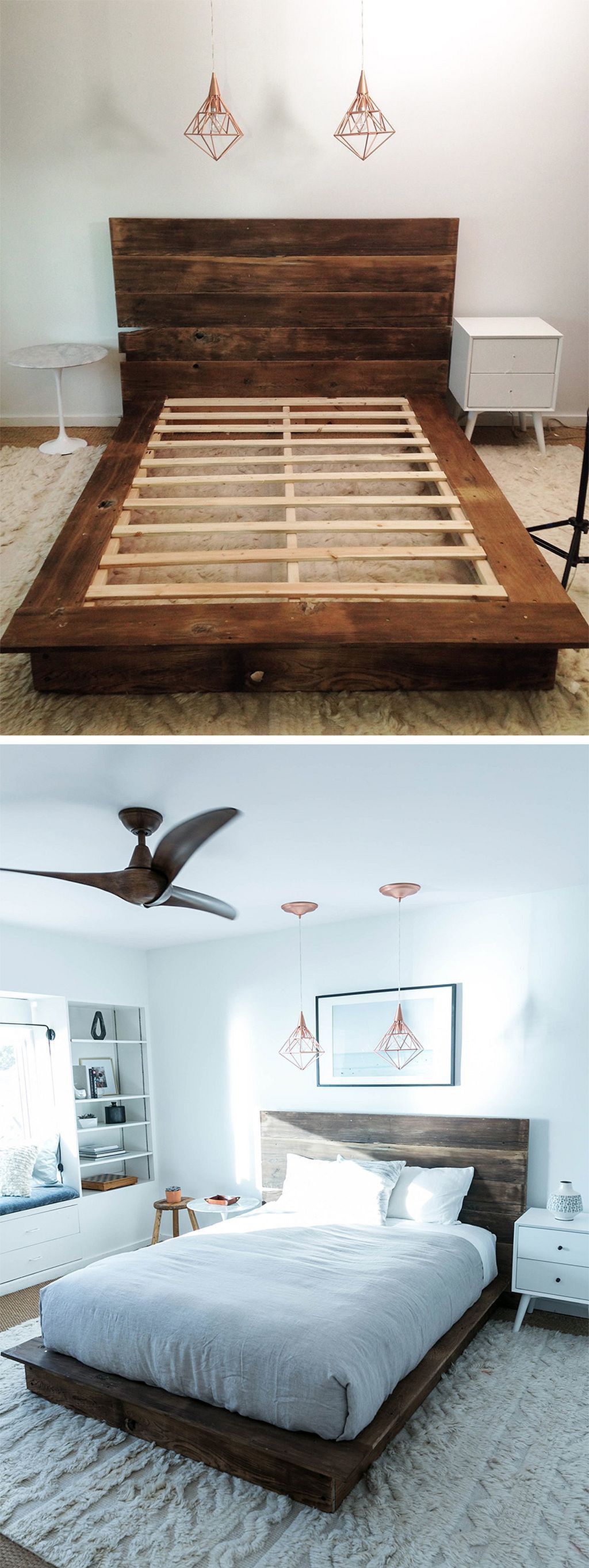
Understanding joinery and materials before you commit to a floating design
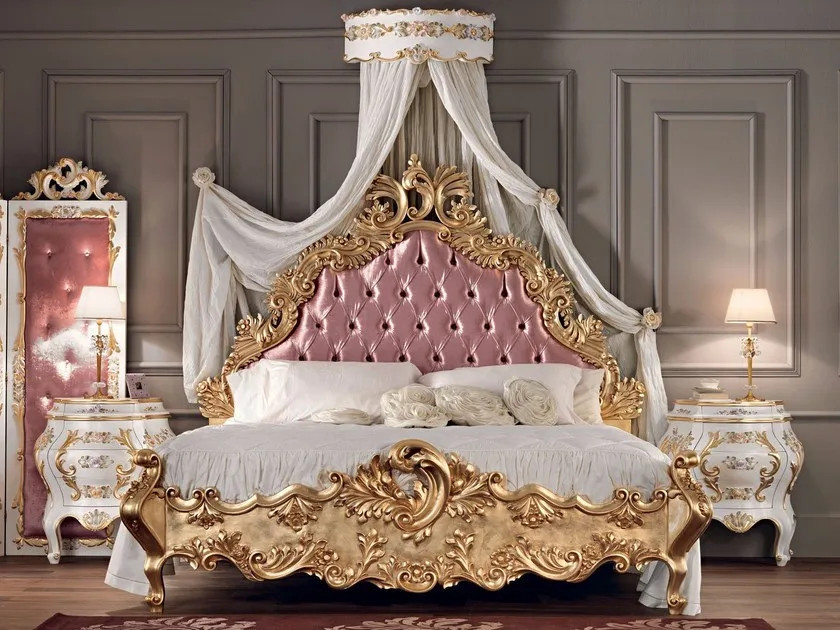
Navigating Regional Styles From Provence to Paris When Designing Your French Bedroom
Building a Peaceful Bedroom Environment Through Better Furniture Planning Methods
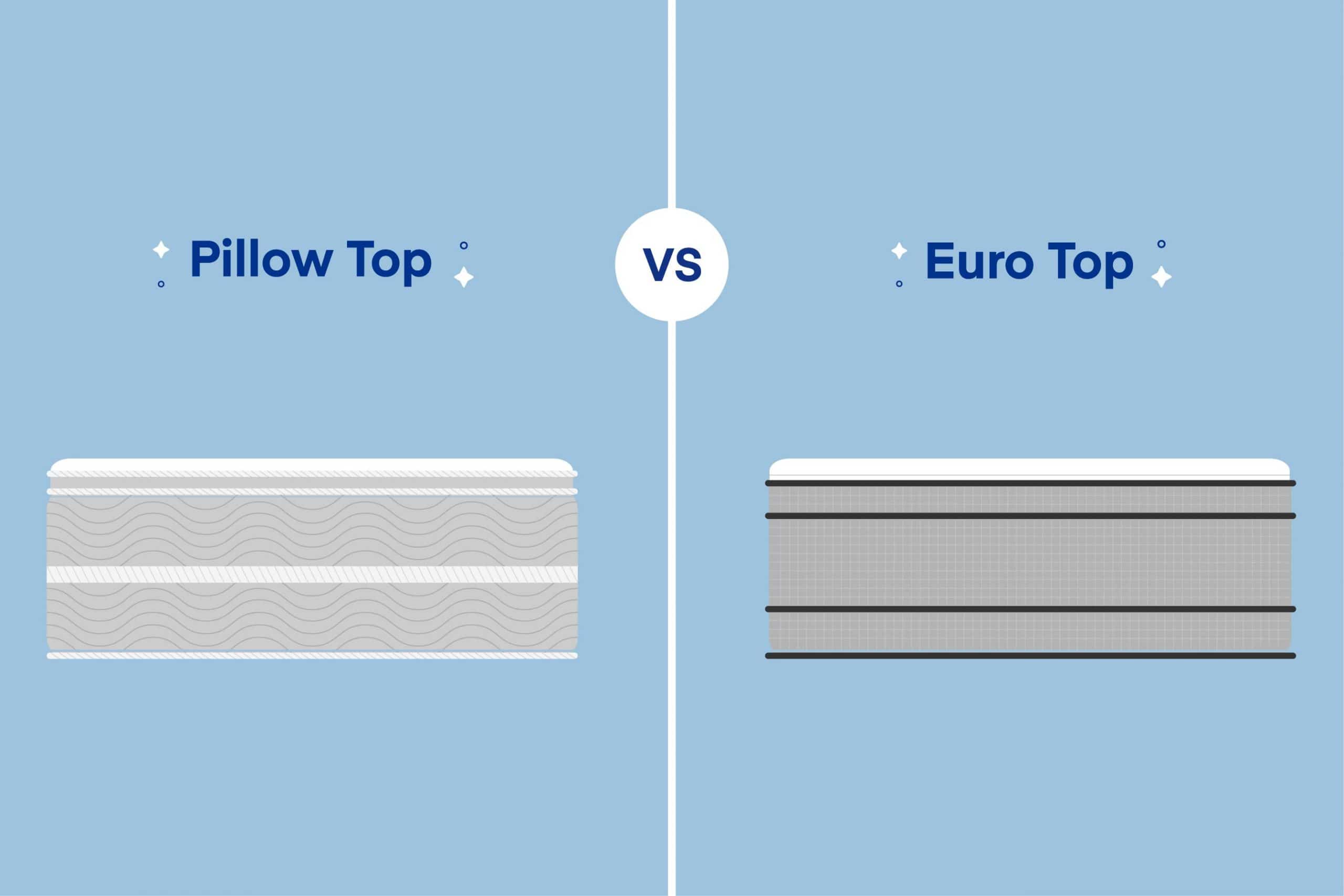
Navigating the Difference Between Flush Stitched Edges and Standard Pillow Tops
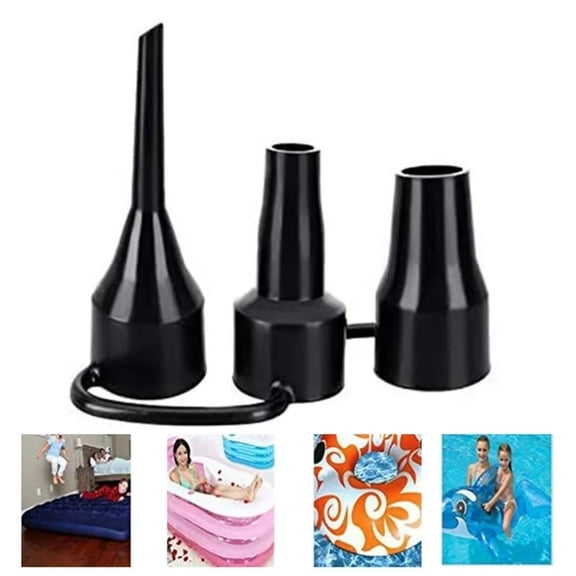
Understanding Air Valve Types to Prevent Leaks During Setup
The Long-Term Economics and Sustainability of Quality Metalwork
Purchasing a well-crafted lighting fixture is an investment in longevity rather than a disposable fast-decor purchase. Cheaply made lamps constructed from flimsy plastics and thin-gauge aluminum foil finishes inevitably peel, pit, and end up in landfills within a few years. In contrast, heavy-gauge bronze-finished iron and brass fixtures endure decades of daily service.
From an economic standpoint, spending more upfront on a structurally sound floor lamp eliminates replacement costs. Furthermore, because oil-rubbed bronze is a classic finish rather than a trendy colorway (such as neon-tinted metals or glossy bright pastels), it resists stylistic obsolescence. If you redecorate your living room from coastal casual to moody modern, the same bronze floor lamp will often transition seamlessly into the new aesthetic.
Sustainability in lighting also extends to energy consumption and repairability. Quality floor lamps feature standard E26 or E12 socket bases that accommodate replaceable LED bulbs, ensuring that when a light source reaches the end of its operational lifespan, you simply swap the bulb rather than discarding the entire fixture. Avoid integrated LED fixtures where the diodes are wired permanently into the frame; if the driver fails, the entire lamp becomes electronic waste.
Actionable Takeaways for Curating Your Space
Transforming a room with lighting requires intention, balance, and a clear understanding of how light interacts with texture and shadow. When integrating an oil-rubbed bronze floor lamp into your home, keep these guiding principles at the forefront of your design strategy:
The humble floor lamp does much more than chase away darkness. It defines boundaries in open-plan spaces, creates intimate zones for reading and conversation, and injects architectural character into builder-grade rooms. When that lamp features a rich, hand-rubbed bronze finish, it brings a tactile connection to historical craftsmanship that modern sterile surfaces simply cannot replicate.
As interior design trends continue to cycle through iterations of minimalism and maximalism, warm metals remain an enduring constant. By investing in a well-constructed, heavy-based oil-rubbed bronze floor lamp and placing it with deliberate care, you are not merely buying a functional appliance. You are curating an atmosphere—one warm, amber glow at a time.