There is a distinct, breathless moment that occurs the first time a California king mattress drops into place within a poorly measured bedroom. At 72 inches wide by 84 inches long, it commands the room with an uncompromising footprint. Suddenly, nightstands feel miles away, standard dressers block swing doors, and the floor space you swore you had evaporates into a sea of hardwood or carpet. For years, design traditionalists accepted this spatial tax as the price of admission for oversized comfort. You bought a massive bed, and you surrendered the perimeter of your room to bulky auxiliary furniture.
Enter the integrated storage frame—not merely a piece of furniture, but a masterclass in interior engineering. By reclaiming the dead airspace beneath the mattress platform and integrating vertical organization into headboard geometries, these specialized frames transform the bedroom’s greatest spatial liability into its primary asset. Yet, navigating the market requires more than a tape measure. Between sliding drawers, heavy-duty gas-piston hydraulic lifts, solid wood joinery, and platform slat spacing, the mechanics of modern sleep systems demand rigorous scrutiny.
The evolution of the master suite has shifted dramatically away from cluttered multi-piece bedroom sets toward streamlined, functional architecture. As urban living spaces demand higher efficiency and sprawling suburban homes prioritize minimalist serenity, the demand for high-capacity sleeping solutions has skyrocketed. Choosing the right frame requires balancing sheer physical scale with daily operational ergonomics, structural integrity, and material longevity. When executed correctly, an investment in a high-caliber storage system eliminates the need for redundant dressers, curates visual tranquility, and provides an unyielding foundation for a heavy, premium mattress.
Decoding the Anatomy of Extra-Long Foundations and Support Architecture
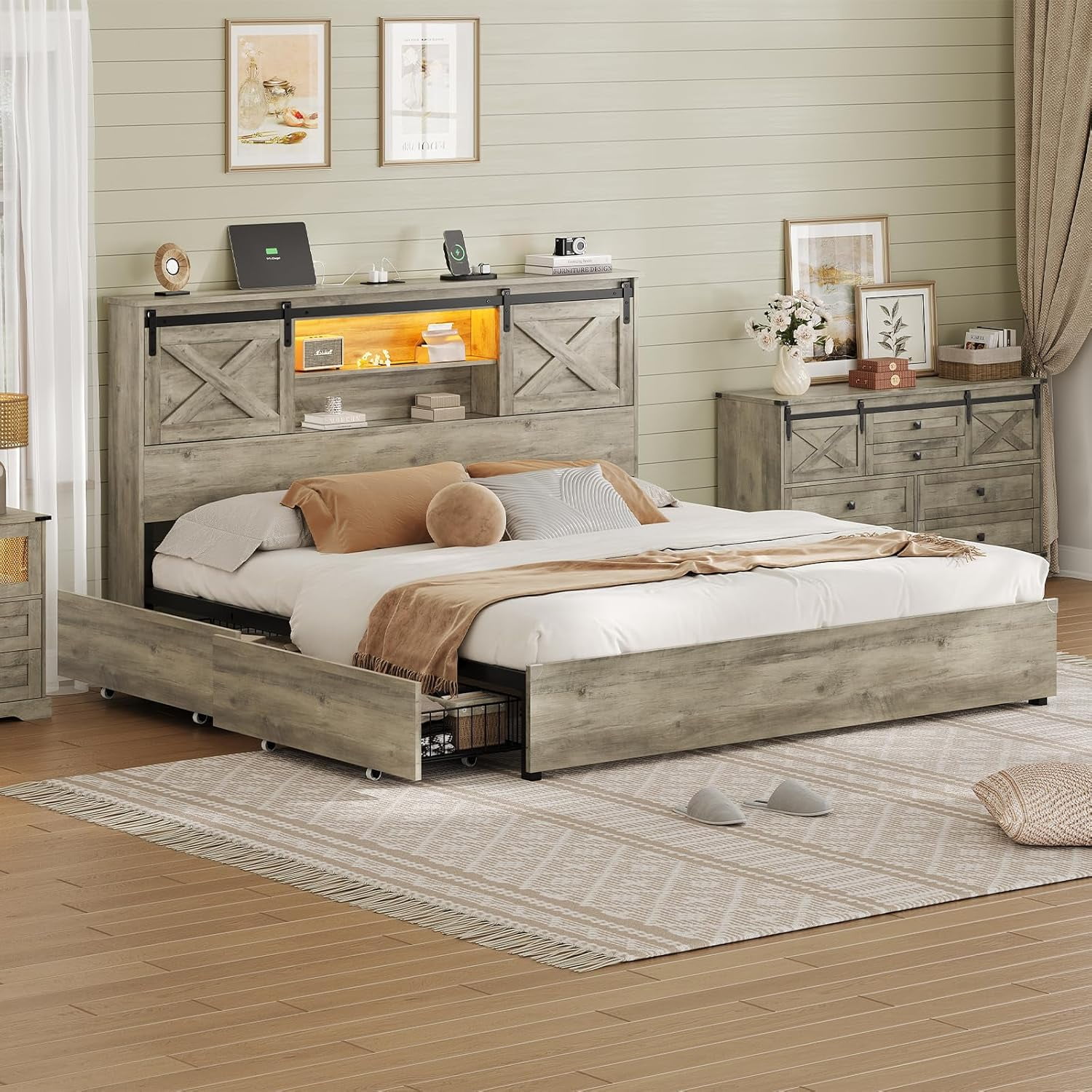
A California king mattress is an anomaly of proportions—narrower by four inches than a standard Eastern king, but four inches longer. This unique aspect ratio places distinct structural demands on any support platform beneath it. Unlike standard queen frames that distribute weight evenly across a square layout, the elongated geometry of a Cal King concentrates significant downward force along the central longitudinal axis. When you factor in integrated storage compartments—whether side drawers, footboard cubbies, or hydraulic gas-lift platforms—the engineering requirements multiply exponentially. A cheap, imported metal rail system will inevitably bow, squeak, or fail under the combined weight of sleepers, heavy memory foam or hybrid mattresses, and packed storage compartments.
Structural integrity begins with the platform decking and slat configuration. Expertly designed frames utilize solid kiln-dried hardwoods such as rubberwood, acacia, or birch, paired with heavy-gauge steel reinforcements. Slats should never exceed a three-inch gap width if you are pairing the frame with a modern foam, latex, or hybrid mattress; wider gaps cause foam sagging and void manufacturer warranties. Furthermore, center support legs are non-negotiable. A 72-by-84-inch deck requires at least two robust vertical center support beams running the entire length of the bed, complete with adjustable leveling feet to compensate for uneven flooring.
Beyond raw structural support, the integration of storage mechanisms introduces complex moving parts that test the limits of manufacturing quality. Drawer-based storage frames rely on heavy-duty ball-bearing side-mount or under-mount glides. Cheap friction slides will jam, tilt, and fail within months of loading seasonal bedding, winter coats, or bulky denim. Conversely, hydraulic platform beds—often referred to as ottoman or lift beds—employ pneumatic pistons rated in Newtons to effortlessly raise the entire mattress platform. Understanding these mechanical thresholds prevents catastrophic failures, ensuring your bed remains a quiet, functional sanctuary rather than a source of daily frustration.
Evaluating Under-Bed Drawers Versus Hydraulic Lift Mechanics
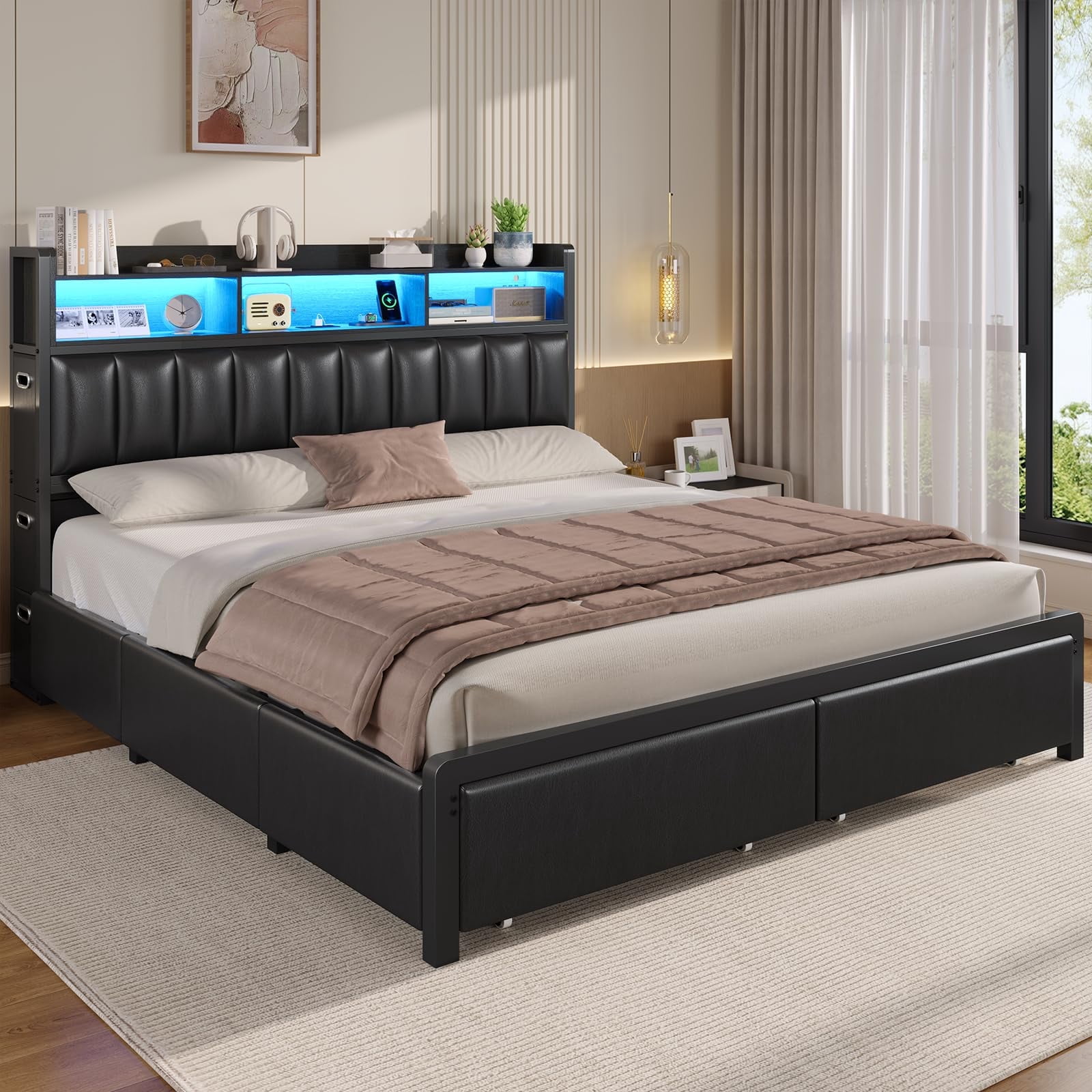
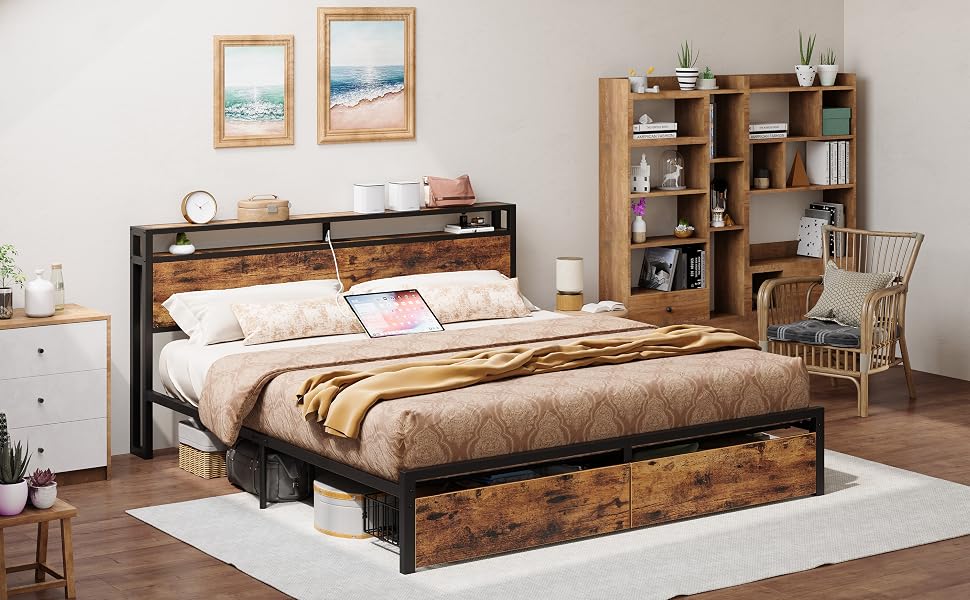
When selecting your storage architecture, you are fundamentally choosing between two distinct operational philosophies: compartmentalized pull-out drawers and volumetric hydraulic lift systems. Each system serves vastly different room layouts and storage habits, making it critical to analyze your space before purchasing. Pull-out drawers offer immediate, categorized access to your belongings. You can slide open a drawer to grab a specific pair of socks or an extra pillowcase without disturbing the rest of your stash. However, these drawers require critical clearance space on the sides and foot of the bed. If your master suite features tight walkways or stationary nightstands, traditional drawers may only open halfway, rendering them functionally useless.
Hydraulic lift systems, on the other hand, maximize every square inch of the 72-by-84-inch footprint by turning the entire under-bed cavity into a massive subterranean vault. Using heavy-duty gas struts, these platforms lift from the foot or side of the bed, holding the mattress securely in mid-air while you pack or unpack massive items like luggage, spare duvets, and bulky storage bins. This system is a revelation for narrow bedrooms where side drawer clearance is impossible. Yet, hydraulic lifts demand physical engagement—you must pull down with considerable force to close the bed—and they completely lock away your items, making them less ideal for daily-use apparel.
Material finish and enclosure design also play a pivotal role in maintaining the contents of your storage compartments. Inferior drawer frames often leave the bottom open to the floor, allowing dust, pet hair, and lint to drift directly onto your stored linens. Premium storage beds feature fully enclosed, dust-proof box inserts or flush-fitting floor panels that seal off the storage cavity entirely. Whether you opt for the structured compartmentalization of multi-drawer configurations or the cavernous capacity of an ottoman lift, verifying the clearance parameters, weight capacities, and enclosure quality will dictate your long-term satisfaction.
Step-by-Step Methodology for Sizing, Site Preparation, and Precision Installation
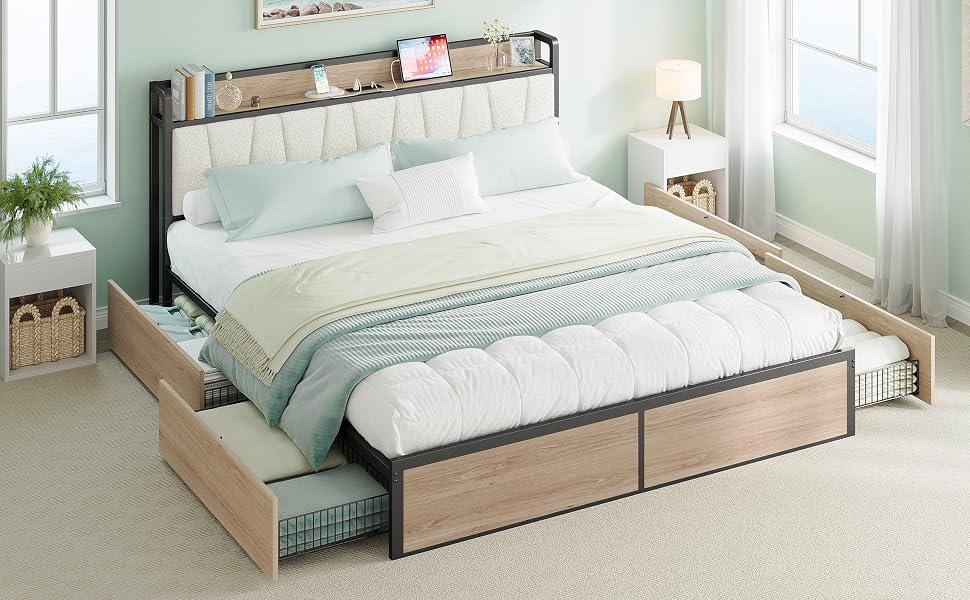
Installing a California king storage bed frame is an exercise in meticulous spatial planning and patience. Because these units arrive in multiple heavy cartons containing dense engineered wood, solid joinery components, and mechanical hardware, treating the setup like a construction project ensures a flawless result. Rushing the process almost invariably leads to misaligned drawer tracks, squeaking joints, and structural instability.
Navigating Structural Traps, Mechanical Failures, and Practical Workarounds
Even high-end California king storage beds present unique operational hurdles that catch unsuspecting owners off-guard. Because these frames are exceptionally heavy—often weighing upwards of 250 to 400 pounds empty—moving or adjusting them after assembly is nearly impossible without completely unloading the storage compartments and disassembling key modular sections. Anticipating these structural and mechanical roadblocks saves you from damaged flooring, broken hardware, and frustrating jams.
The Intersection of Aesthetic Luxury, Material Science, and Modern Bedroom Architecture
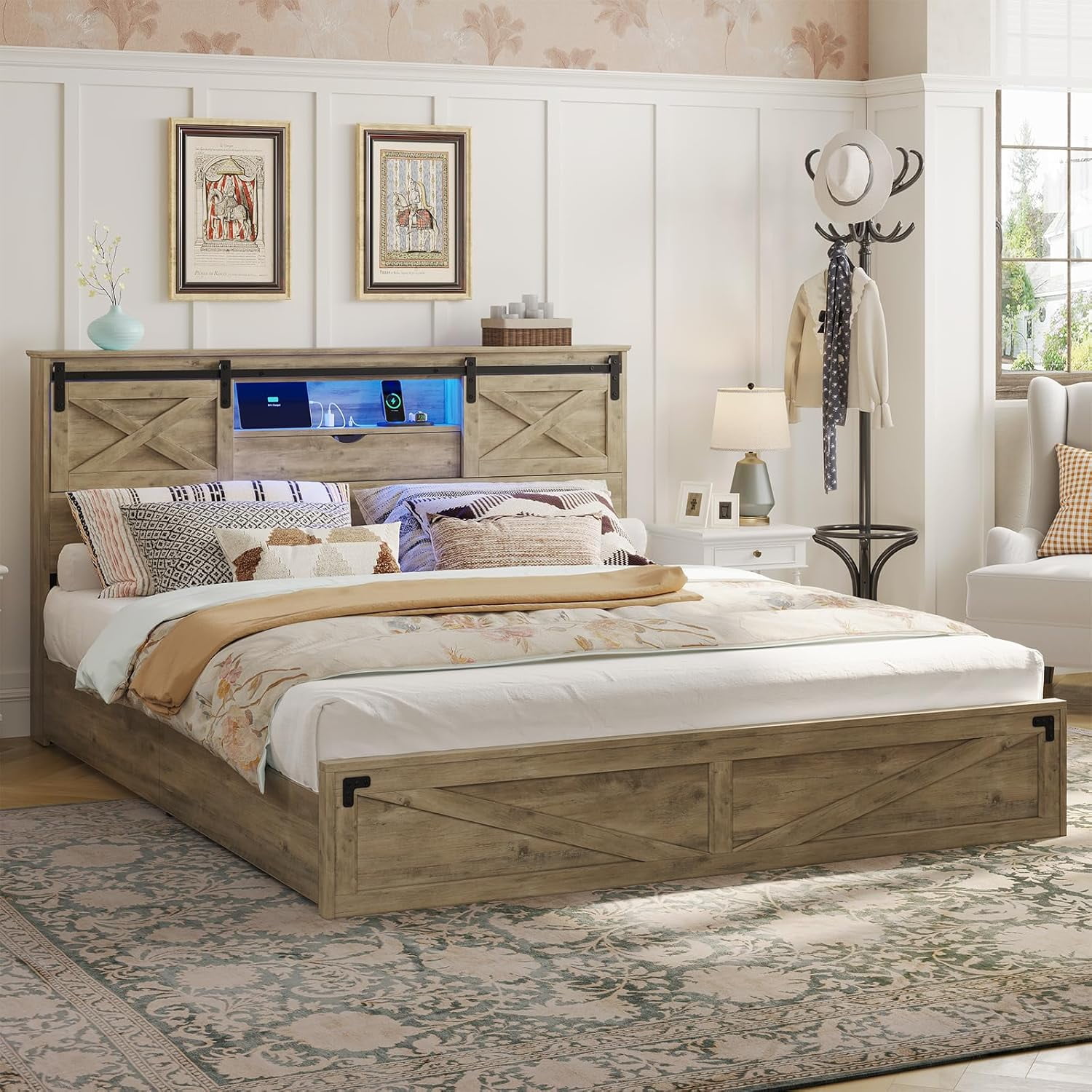
Investing in a high-end storage bed frame is ultimately a decision about material science and visual harmony. The modern master suite functions as a restorative retreat, meaning structural utility must be masked by refined exterior styling. When evaluating aesthetic finishes, you must weigh the tactile warmth of solid hardwoods against the soft, acoustic dampening qualities of upholstered frames wrapped in performance linens, textured bouclé, or stain-resistant velvet.
Solid wood frames—crafted from sustainably harvested oak, walnut, or rubberwood—offer unmatched structural longevity and a timeless architectural presence. They handle heavy daily wear gracefully and can be refinished over decades. However, they introduce rigid lines and can make a large bedroom feel stark if not balanced with soft textiles, rugs, and drapery. Conversely, upholstered storage beds soften the monolithic visual impact of a California king footprint. The padded headboard provides an ergonomic backrest for evening reading, while the upholstered side rails completely conceal the functional storage drawers behind clean, tailored seams.
Beyond aesthetics, material selection directly impacts indoor air quality and environmental sustainability. Premium manufacturers increasingly utilize Zero-VOC finishes, formaldehyde-free engineered wood cores (CARB Phase 2 compliant), and organic cotton batting in upholstered panels. Avoiding cheap particleboard bonded with toxic glues ensures your sleeping environment remains free of off-gassing volatile organic compounds, protecting your health during the eight hours a day you spend breathing inches above the frame. Balancing visual luxury with uncompromised chemical safety yields a master bedroom that looks breathtaking and promotes genuine well-being.
Strategic Decision Frameworks and Long-Term Investment Value
Related Posts
Bedroom furniture ideas that make small spaces feel calmer and more useful
Understanding joinery and materials before you commit to a floating design

Navigating Regional Styles From Provence to Paris When Designing Your French Bedroom

Building a Peaceful Bedroom Environment Through Better Furniture Planning Methods
Navigating the Difference Between Flush Stitched Edges and Standard Pillow Tops
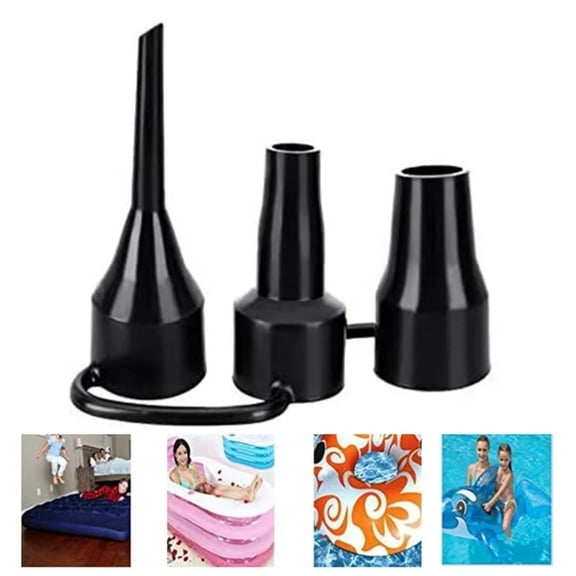
Understanding Air Valve Types to Prevent Leaks During Setup
Selecting the ultimate California king storage bed frame requires stepping back from impulse styling decisions and evaluating your lifestyle trajectory over the next decade. A bed frame is not a disposable decor item; it is a long-term architectural investment that anchors your daily routine. To make a confident choice, analyze your storage inventory, physical mobility, room dimensions, and mattress composition against a rigorous set of criteria.
If you are a frequent traveler storing bulky seasonal wardrobes, ski gear, and spare bedding, prioritize high-volume hydraulic ottoman beds with fully sealed interiors. If you value easy, everyday access to undergarments, yoga mats, and extra pillows without lifting heavy mattress platforms, multi-drawer platform configurations with ball-bearing steel glides represent the superior choice. If your bedroom features tight architecture where side drawers cannot fully extend, vertical headboard shelving and hydraulic foot-lift systems provide the spatial workaround you need.
Factor in the total cost of ownership as well. Purchasing an ultra-cheap storage bed often results in premature structural failure, sagging slats, and broken drawer glides within two years, forcing an expensive replacement cycle. Investing upfront in kiln-dried joinery, heavy-gauge steel framing, and commercial-grade hardware guarantees a decade or more of silent, seamless performance. By approaching your purchase with analytical precision, you transform a sprawling bedroom challenge into an impeccably organized, highly functional sanctuary.
The journey to an organized, serene master bedroom begins under the mattress. By casting aside the outdated notion that a California king bed must be an unyielding space hog, you open the door to intelligent architectural design. Integrated storage frames bridge the gap between uncompromising sleep comfort and rigorous spatial efficiency, eliminating the clutter that drains visual tranquility from modern homes.
As material sciences advance and manufacturing precision improves, the modern storage bed has graduated from a wobbly compromise into a masterwork of home engineering. Whether you choose the tactile elegance of solid walnut or the plush, acoustic comfort of performance upholstery, the right frame anchors your room with quiet strength. Take your measurements, audit your storage needs, and build a foundation that serves your sleep and your lifestyle for years to come.
