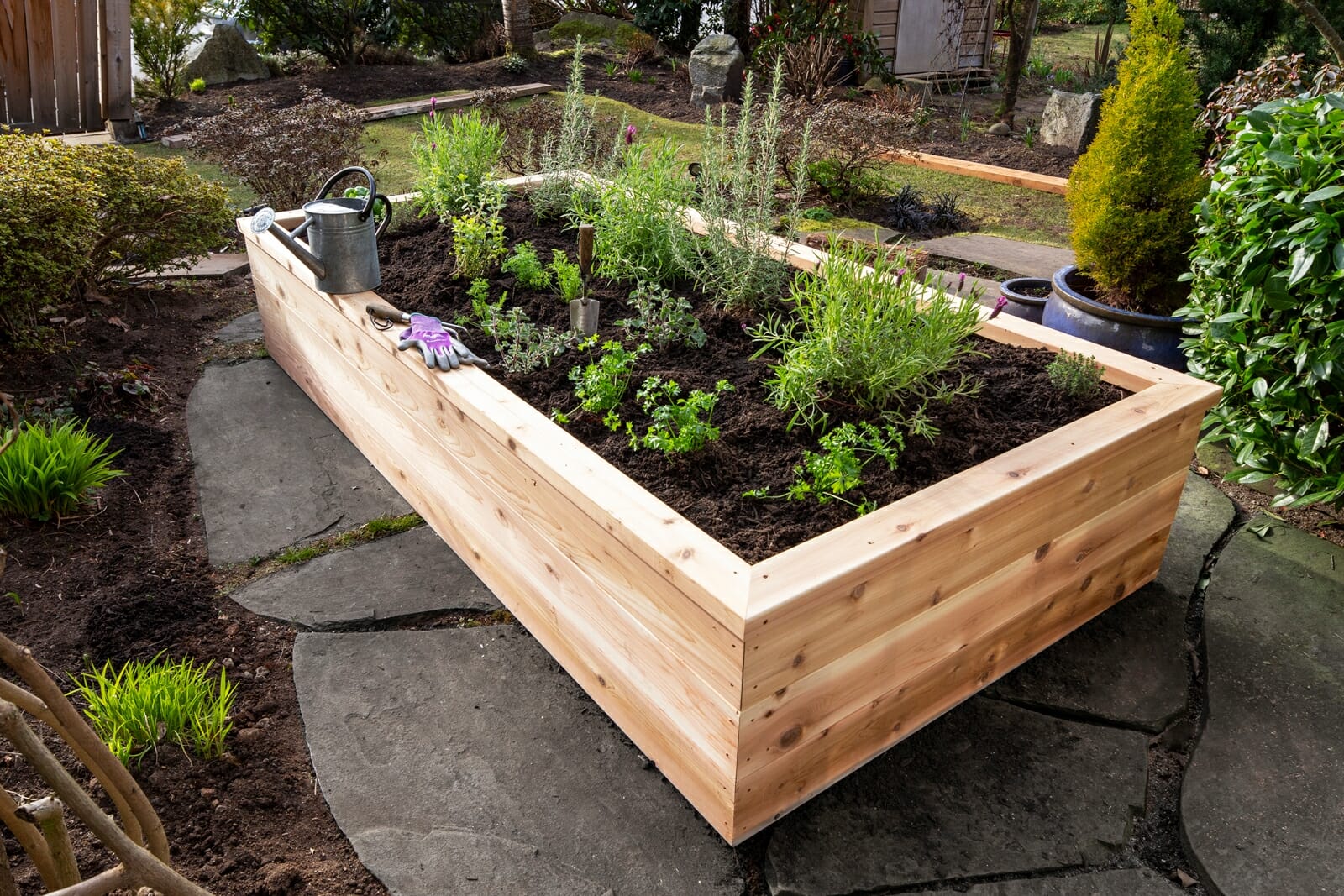
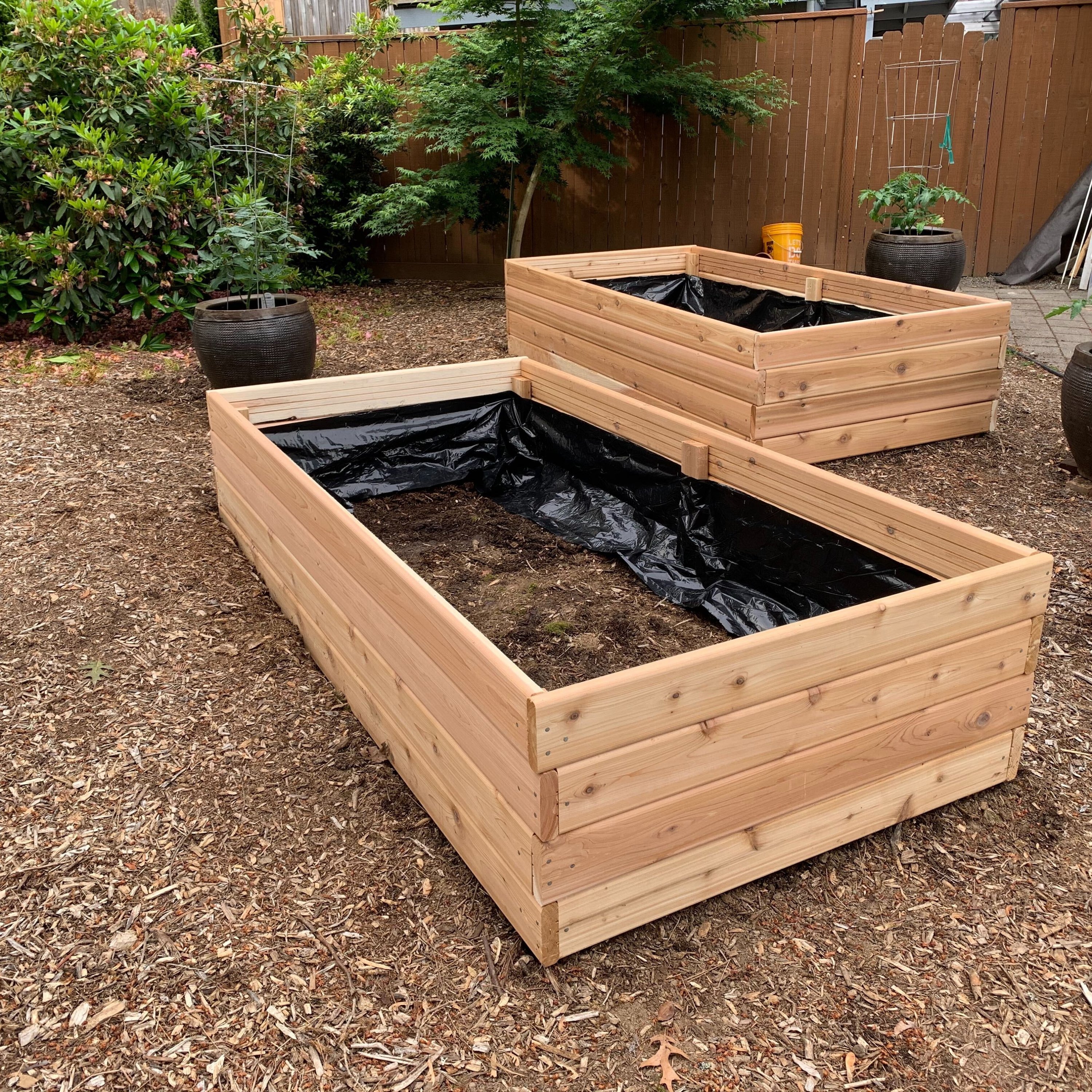
The morning sun catches the edge of the timber frame, illuminating the rich, amber-brown grain of a newly constructed garden bed. There is a distinct, earthy aroma that fills the air—a subtle blend of natural organic oils and warm pine resin. If you have ever knelt in the dirt to plant your first heirloom tomatoes or winter greens, you know that the backbone of any great kitchen garden is the container holding it. A poorly chosen board will warp, twist, and rot away within three short seasons, leaving your carefully amended soil spilling onto the lawn.
Choosing the right material changes everything. When gardeners talk about the gold standard of organic vegetable production, one material consistently reigns supreme: cedar. It occupies a unique space in the DIY landscape, balancing rugged outdoor durability with chemical-free safety. Yet, walking into a lumberyard and staring at stacks of cedar boards can quickly overwhelm anyone who isn't a professional carpenter. Terms like "knotty," "heartwood," "nominal thickness," and "surfaced four sides" get tossed around like a foreign language.
Understanding what makes cedar lumber the undisputed champion for raised beds requires looking past the glossy marketing brochures and diving into the raw mechanics of forestry, wood chemistry, and structural physics. As urban homesteading and backyard food production continue to surge, building a garden structure that withstands heavy wet soil year after year demands more than just basic woodworking tools. It requires a practical mastery of material science, proper joinery, and long-term timber maintenance.
For generations, backyard growers have experimented with everything from scrap railway ties and pressure-treated pine to corrugated steel and concrete blocks. Railway ties leach creosote, a toxic cocktail of chemicals you certainly do not want near your carrots and spinach. Standard dimensional lumber rots when exposed to constant moisture from damp garden soil. While metal containers offer sleek modern aesthetics, they can superheat during mid-summer heatwaves, cooking the delicate root systems of cool-season crops. Cedar bridges this gap effortlessly. It offers natural weather resistance without chemical treatments, maintains structural integrity against immense lateral soil pressure, and provides a hospitable, insulating barrier that keeps root zones stable.
Unlocking the Chemistry of Natural Decay Resistance in Cedar Species
The secret to cedar’s legendary longevity lies inside the wood itself, specifically within a group of natural chemical compounds known as thujaplicins and phenols. These organic compounds act as a built-in defense mechanism, rendering the wood unpalatable to wood-boring insects, fungi, and microscopic decay organisms. When a living cedar tree stands in the damp, temperate rainforests of the Pacific Northwest, it fights off pathogens daily. Even after harvest, those protective extractives remain trapped within the cellular matrix of the lumber, giving untreated cedar an inherent advantage over softwoods like fir, pine, and spruce.
Not all cedar is created equal, and knowing your species dictates how long your investment will actually last. Western Red Cedar (Thuja plicata) stands as the gold standard for outdoor projects, boasting a "durable to very durable" decay resistance rating from the Wood Database, with live pricing generally ranging from $2.00 to $8.00 per board foot depending on grade and region. Northern White Cedar offers a lighter, highly flexible alternative popular in eastern North America, though it generally features a slightly shorter lifespan in direct ground contact. Alaskan Yellow Cedar, technically a cypress, provides exceptional hardness and rot resistance, making it an absolute powerhouse for heavy structural corners, though it usually carries a steeper price tag.
Sourcing the right cut matters far more than just naming the species. When browsing a lumberyard, you must distinguish between heartwood and sapwood. The heartwood—the dense inner core of the tree—contains the highest concentration of protective extractives and boasts a deep, reddish-brown hue. The sapwood, which forms the outer ring just beneath the bark, is pale, porous, and largely devoid of decay-resistant compounds. If you accidentally build a raised bed using sapwood boards, you lose the primary benefit of cedar, and the wood will begin to decay within a few short years. Inspect every board to ensure you are paying for rich, dark heartwood rather than pale outer wood.
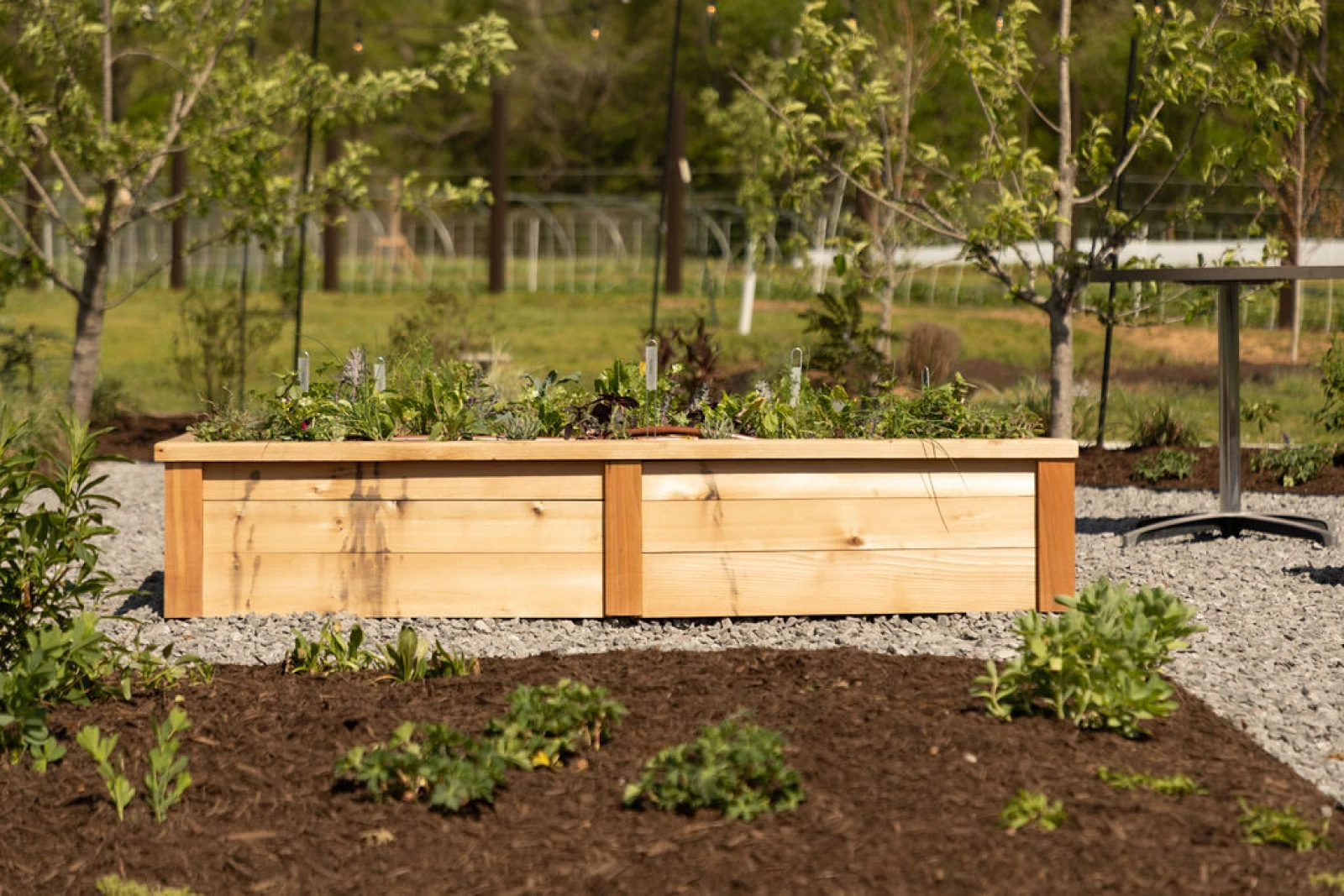
The grading system of cedar lumber directly impacts both your wallet and your structural integrity. Clear grades, such as Clear Architect or Clear Grade, offer flawless wood with virtually no knots, providing a sleek, modern aesthetic for high-end urban landscapes. However, for a standard garden bed, Knotty grades (such as Construction Common or Select Knotty) provide exceptional performance at a fraction of the cost. The tight, sound knots found in these boards do not compromise the structural integrity of a low-pressure garden box, and they give the timber a classic, rustic charm that weathered gracefully into a silvery patina over time.
Structural Physics: Sizing, Thickness, and Lateral Soil Pressure Mechanics
Many first-time builders make the critical mistake of treating a raised bed like a simple sandbox, using thin fence pickets or flimsy 1-inch boards to retain hundreds of pounds of damp earth. Wet garden soil weighs roughly 80 to 100 pounds per cubic foot. When you fill a standard 4x8 foot bed that stands 18 inches high, you are asking your lumber walls to hold back thousands of pounds of outward pressure. Thin boards will inevitably bow outward, separating at the corners and spilling your expensive compost across the yard.
To prevent structural failure, the golden rule of cedar bed construction is prioritizing thickness. While 1x nominal boards (which actually measure 3/4 inch thick) can work for shallow, low-profile beds under 8 inches tall, anything deeper requires true dimensional stability. Using 2x lumber—which measures a full 1.5 inches in thickness—provides the heavy-duty structural mass necessary to resist bowing. A 2x6, 2x8, or 2x10 cedar board can handle the relentless outward push of saturated soil season after season without requiring an excessive internal framing skeleton that eats up valuable growing space.
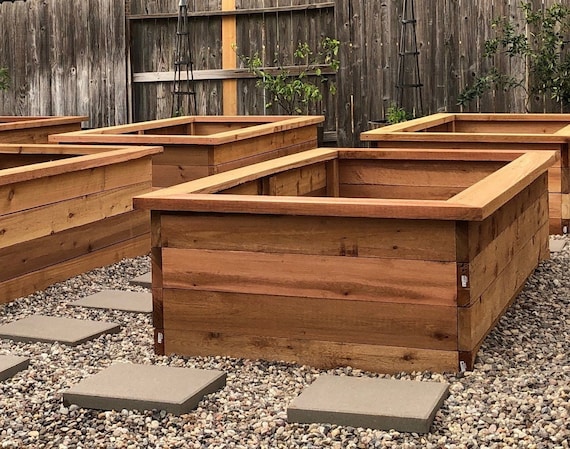
Height selection also dictates your lumber dimensions and overall budget. Beds built at 6 to 12 inches high serve primarily as boundary markers for improved soil drainage and weed management, easily constructed using single 2x8 or 2x10 boards. However, for ergonomic gardening that eliminates bending and kneeling, beds raised to 24 or 30 inches require multi-tier stacking and internal reinforcement. When stacking 2x boards vertically, you must incorporate sturdy 4x4 cedar corner posts to anchor the joint securely and prevent the top tiers from shearing away from the bottom courses under heavy loads.
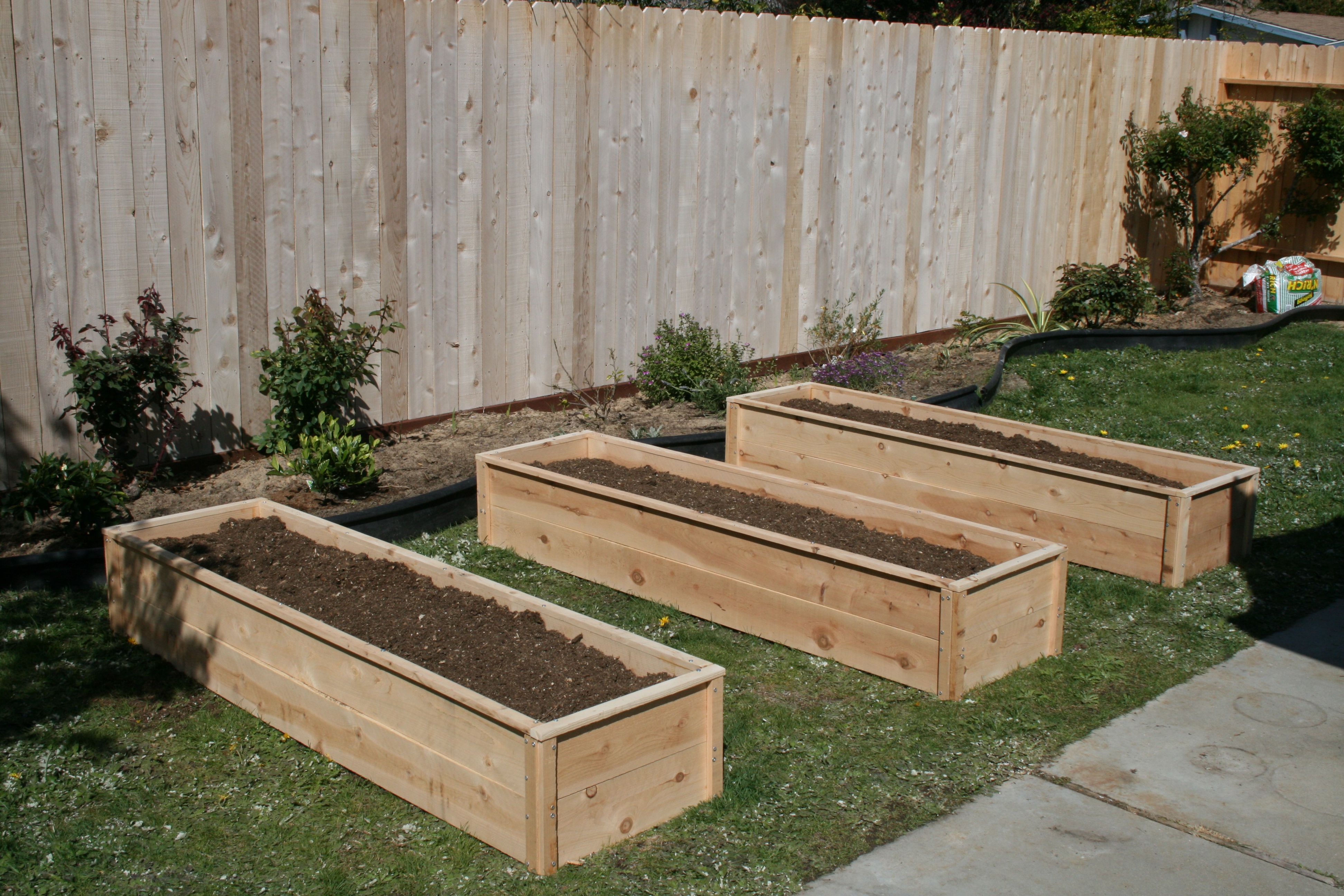
Length and width dimensions play a vital role in preventing material waste and structural sag. Standard lumber lengths are sold in even numbers: 8, 10, and 12 feet. Designing a bed that measures 4 feet by 8 feet maximizes efficiency, allowing you to use full-length boards with zero wasteful off-cuts. Furthermore, a 4-foot width is universally recognized as the ergonomic limit for a garden bed; it allows a person standing on either side to reach comfortably into the exact center of the plot without stepping on and compacting the growing medium.
Step-by-Step Methodology for Building a Professional 4x8 Cedar Bed
Constructing a long-lasting cedar raised bed requires precision, the right fasteners, and a methodical approach to assembly. Skipping steps or using low-quality hardware will compromise the frame long before the wood itself begins to degrade. By following a field-tested protocol, you ensure that your investment stays square, level, and structurally sound for over a decade.
Navigating Common Pitfalls and Field-Tested Practitioner Workarounds
Even experienced DIYers occasionally stumble when working with premium cedar lumber, often due to assumptions carried over from indoor woodworking or standard framing projects. Because cedar is a soft, aromatic wood, it reacts differently to moisture, fasteners, and ground contact than treated southern yellow pine or composite decking materials. Recognizing these vulnerabilities before you start assembling your garden saves you from costly tear-outs and structural collapses down the road.
Holistic Perspectives: The Long-Term Economic and Environmental Value
When evaluating the total cost of ownership for a backyard garden, initial price tags can easily deceive. Treated lumber and composite decking boards often present a lower upfront cost at the home improvement warehouse, but they carry hidden environmental and health trade-offs. Standard pressure-treated wood relies on complex chemical preservatives to deter rot. While modern residential treatments are heavily regulated, many gardeners prefer zero chemical risk where food crops are cultivated. Cedar provides total peace of mind, functioning as a completely natural, organic boundary that interacts harmlessly with your vegetables and the surrounding ecosystem.
Related Posts
Bedroom furniture ideas that make small spaces feel calmer and more useful
Understanding joinery and materials before you commit to a floating design

Navigating Regional Styles From Provence to Paris When Designing Your French Bedroom

Building a Peaceful Bedroom Environment Through Better Furniture Planning Methods
Navigating the Difference Between Flush Stitched Edges and Standard Pillow Tops
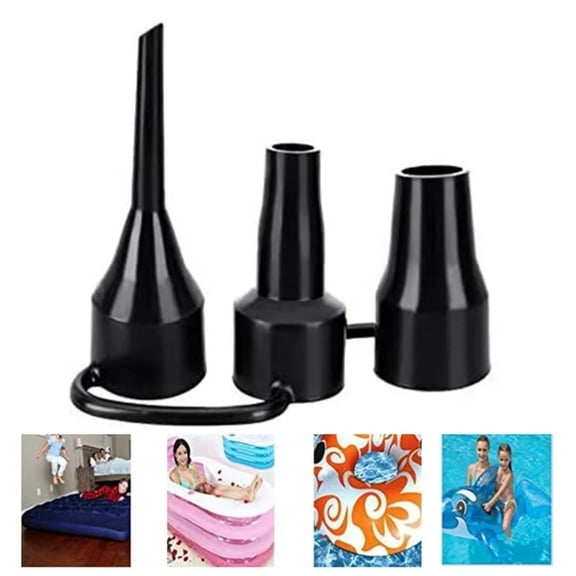
Understanding Air Valve Types to Prevent Leaks During Setup
From an economic standpoint, premium cedar lumber represents an investment in generational durability. While a cheap pine bed might cost fifty dollars and disintegrate after three winters, forcing you to purchase materials, haul soil, and rebuild from scratch, a properly constructed 2-inch-thick Western Red Cedar bed easily delivers 15 to 20 years of continuous service. When amortized over two decades, the cost per growing season drops significantly, making cedar one of the most cost-effective long-term solutions for serious home gardeners.
Beyond structural utility, cedar contributes to the overall thermal and biological health of the garden ecosystem. Wood is a natural thermal insulator, unlike corrugated steel or concrete. Cedar walls help buffer extreme temperature swings during sudden spring cold snaps and scorching summer afternoons, protecting the fragile root hairs of your plants from thermal shock. Furthermore, the slow, natural degradation of the timber over many years provides a subtle, harmonious integration into the broader soil food web, supporting beneficial fungi and microorganisms without introducing synthetic toxins.
As urban and suburban property owners increasingly view food production as a vital part of sustainable living, the materials we choose for our homestead infrastructure carry profound symbolic weight. Building with locally harvested, renewable timber aligns your garden with sustainable forestry practices. When you invest in certified sustainably managed cedar, you support responsible silviculture that balances timber harvest with forest regeneration, ensuring that these magnificent trees remain a renewable resource for generations of growers to come.
Actionable Recommendations and Key Takeaways for Your Cedar Project
Synthesizing decades of practical carpentry and organic gardening wisdom boils down to a few non-negotiable principles. Whether you are building a single compact bed for patio herbs or designing an expansive multi-bed kitchen garden for a suburban backyard, adhering to a structured framework ensures success. Here is your definitive checklist for executing a flawless cedar raised bed project:
As you stand back to admire your newly assembled cedar frames, filled to the brim with dark, crumbly compost and ready for planting, you realize that building a raised garden bed is about much more than mere carpentry. It is an act of intentional creation. You have shaped raw timber into a functional vessel, establishing a permanent boundary between the wild unpredictability of nature and the nurtured abundance of your own backyard.
The journey of a garden bed does not end with the final screw driven into place; it is only just beginning. Over the coming months, those rich amber boards will weather under sun, rain, and snow, slowly softening into a distinguished, silvery-grey patina that whispers of timeless craftsmanship. Your tomatoes will climb skyward, your greens will flourish, and the timber frame will quietly hold the weight of your growing ambitions.
Embrace the process, trust the structural integrity of your materials, and dive into the dirt with confidence. A well-built cedar raised bed is more than just a home for your vegetables—it is the enduring foundation of your personal sanctuary, ready to reward your labor season after fruitful season.
