At three o'clock in the morning, a sudden, ominous cracking sound shatters the quiet of your bedroom. You roll over, half-expecting the mattress to sag completely into the void as a cheap side rail gives out under ordinary shifting weight. It is a frustrating scenario experienced by thousands of homeowners who discover too late that their bed frame components were a mismatch of generic parts, poor tolerances, and vague manufacturer descriptions. Buying or building a bed feels straightforward until you stare down at a tape measure, wondering why the side rails leave a two-inch gap or refuse to lock flush into your heirloom headboard.
The invisible backbone of any stable sleeping surface is the structural side rail. When dealing with a standard queen mattress—which measures precisely 60 inches wide by 80 inches long—the margin for error drops to fractions of an inch. A rail that is too short pulls the hook plates out of alignment, while an oversized rail creates an unsightly gap at the footboard or prevents proper locking engagement. Grasping the exact dimensions, hook spacings, and material specifications of queen bed rails changes the entire dynamic of furniture assembly, transforming a guessing game into a precise engineering project.
Deconstructing Standard Queen Bed Rail Dimensions and Length Tolerances
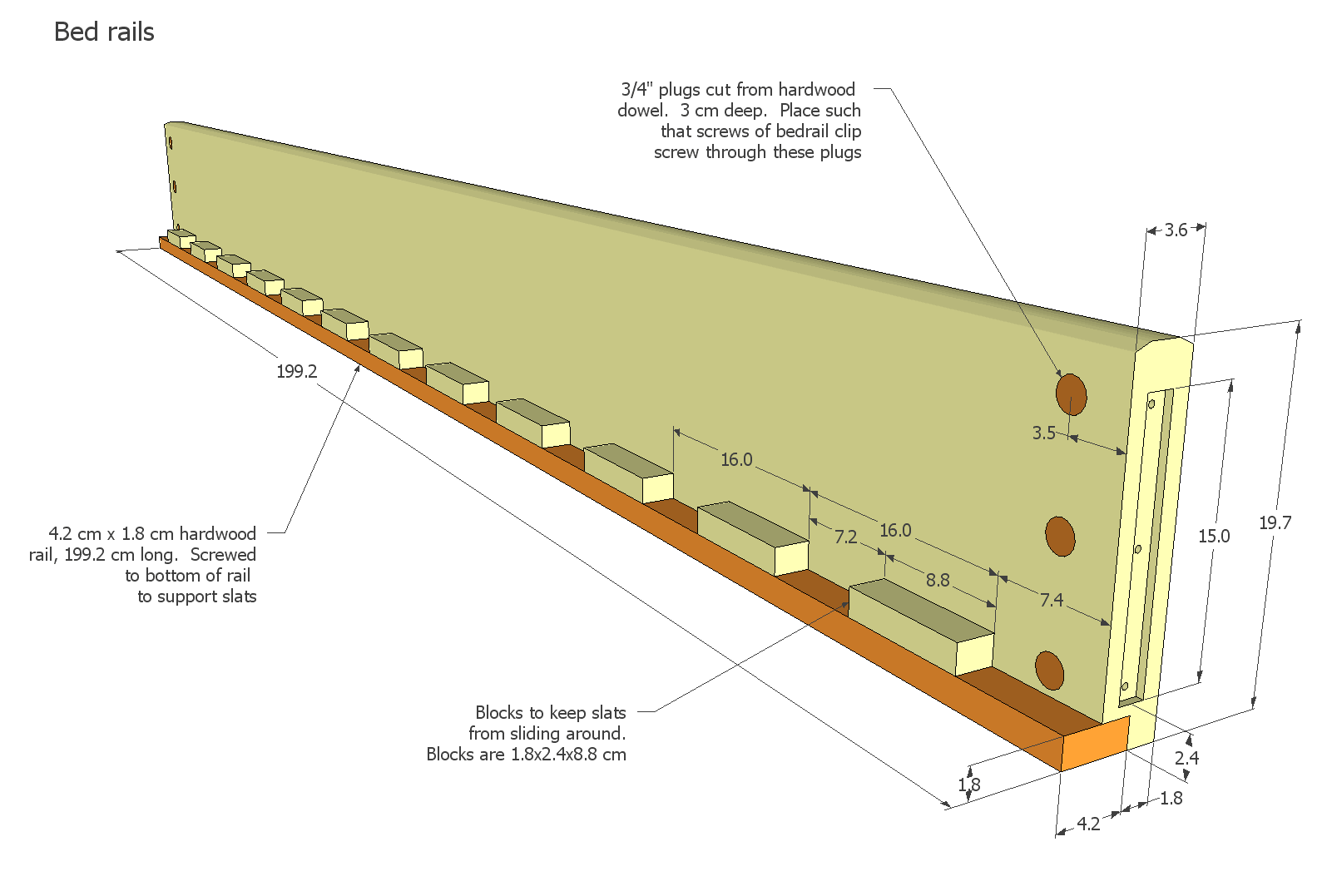
Standard queen bed rails are universally manufactured to accommodate an 80-inch mattress length, but the actual physical length of the steel or wooden rail is rarely an exact 80 inches. Total rail lengths typically span between 80 and 82 inches to account for the thickness of headboard and footboard posts, mounting brackets, and the specific slot-to-pin distance known as the hook center. Grasping this distinction saves buyers from ordering components that leave the mattress either crammed tightly against the woodwork or floating precariously over an exposed slat ledge.
Manufacturing variations dictate that hook-on rails, bolt-on rails, and wooden side rails approach length differently. A hook-on steel rail features interlocking pins or claws that insert directly into the mortise slots of wooden or iron bed posts. The distance between these two hooks must match the vertical slot spacing of your specific headboard, which standardizes around common industry measurements like 2 inches or narrower for modern mass-produced frames, though antique frames can feature wildly erratic pin spans. If you miscalculate this span by even a quarter-inch, the rail will refuse to seat, rendering the entire frame structurally inert.
Thickness and vertical depth matter just as much as horizontal length. Most heavy-duty steel queen rails utilize angle iron measuring at least 1.5 inches by 1.25 inches with a thickness of 11 to 14 gauge. This specific gauge ensures the steel resists lateral twisting when occupants climb in and out of bed. Wooden rails, conversely, require significantly greater cross-sectional mass—often 1 inch thick by 5 to 6 inches deep—to match the load-bearing capacity of cold-rolled steel. Failing to account for rail depth can result in your box spring or slat system sitting too high or sinking too low relative to the decorative side panels of your bed frame.
Analyzing Frame Compatibility and the Mechanics of Structural Support
A bed frame is essentially an engineered bridge system designed to manage dead weight and dynamic point loads without buckling. When two adults shift or sit on the edge of a queen mattress, lateral and downward forces push outward on the side rails. If the rails lack sufficient rigidity, they bow outward, causing the center support slats to slip out of their ledges and dropping the entire sleeping surface toward the floor. This structural vulnerability highlights why understanding rail length alone is insufficient; you must also evaluate how the rail distributes weight across the entire assembly.
Hook-on styles rely on gravity and downward pressure to maintain a tight connection. As weight presses down on the rails, the wedge-shaped hooks pull tighter into the headboard and footboard slots, creating a self-tightening joint. However, if the rail length is poorly calibrated—say, 84 inches instead of the standard 82 inches for a tight-fitting suite—the hooks will bottom out incorrectly, or the footboard will hang loosely, destroying the self-tightening feedback loop. Bolt-on rails use threaded machine bolts passing through the bed posts directly into tapped steel plates welded to the rail ends, offering superior micro-adjustment capabilities for non-standard or custom-built frames.
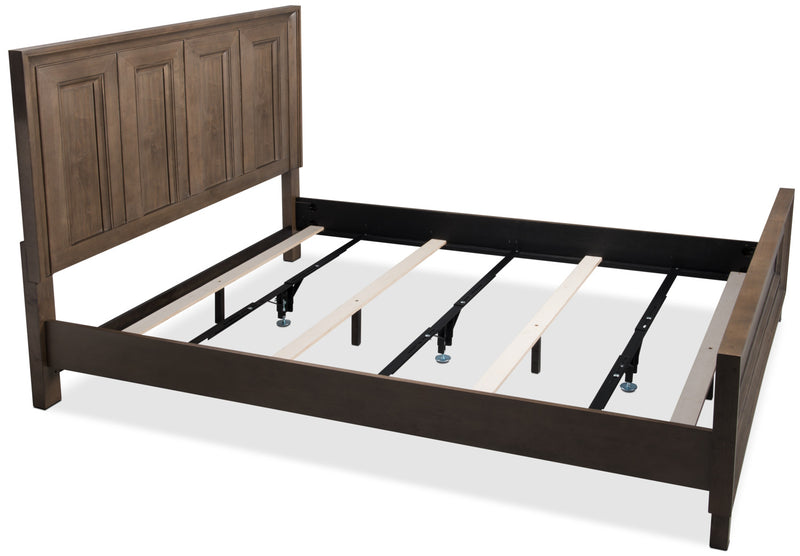
Center support is another critical variable unique to queen-sized platforms. Unlike full or twin beds, queen mattresses span 60 inches, which creates enough horizontal distance for inner springs or foam layers to sag in the middle over time. High-performance queen bed rails frequently include an integrated center support bar or feature pre-drilled brackets designed to anchor vertical floor-to-frame support legs. Without this central spine, even the strongest 82-inch side rails will eventually experience mid-span deflection, leading to premature mattress wear and compromised spinal alignment during sleep.
Step-by-Step Methodology for Measuring and Selecting the Right Rails
Securing the correct queen bed rails requires a methodical approach to tape-measure deployment and hardware verification. Avoid relying solely on generalized product labels like "queen size," as manufacturing tolerances vary wildly across global supply chains. Execute this step-by-step framework before purchasing or cutting any replacement rails:
Navigating Common Pitfalls and Field-Tested Workarounds
Even experienced DIYers and furniture assemblers run into unexpected hurdles when swapping or installing queen bed rails. Recognizing these common failure points prevents costly damage to antique furniture and eliminates frustrating mid-assembly standstills.
Evaluating Longevity, Material Science, and Economic Value
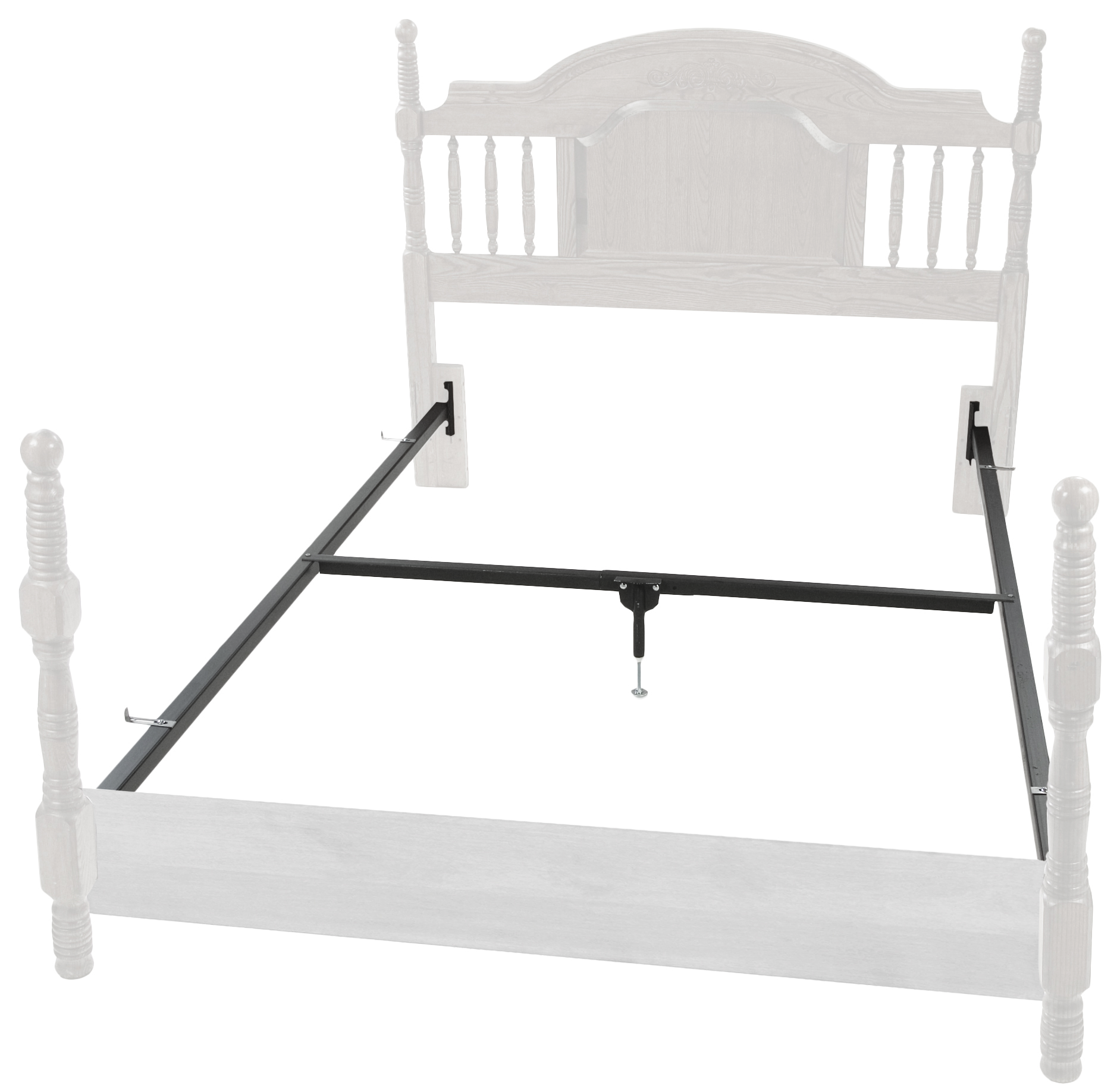
Investing in high-grade bed rails is an exercise in long-term home economics. While flimsy, stamped-steel rails can be found online for minimal cost, their thin 16- or 18-gauge profiles inevitably twist under daily wear, forcing an untimely replacement cycle within two to three years. Premium cold-rolled structural steel rails, crafted from thicker 11- or 12-gauge stock with powder-coated finishes, easily outlive the mattresses they support. Examining the material science behind your hardware reveals why spending slightly more upfront eliminates repetitive maintenance headaches.
Powder coating and galvanization play an unheralded role in rail durability. Bare steel in unconditioned bedrooms or humid climates develops surface oxidation that weakens joints over decades. High-end manufacturers use electrostatic powder coating processes that bake a protective polymer layer onto the metal, sealing out ambient moisture and preventing unsightly rust flakes from staining bedroom flooring. Furthermore, reinforced corner gussets welded onto the stress points of heavy-duty rails absorb rotational torque, protecting fragile wooden bed posts from splitting under shear stress.
From a sustainability perspective, repairing or upgrading a wobbling bed frame with robust, universal steel rails prevents entire furniture suites from ending up in landfills. Many consumers discard classic wooden bed frames simply because the original wooden side rails warped or cracked over time. Sourcing heavy-duty steel replacement rails breathes new life into vintage furniture, preserving craftsmanship that modern flat-pack manufacturing struggles to replicate. This circular approach to home furnishings delivers superior structural integrity while honoring timeless interior design aesthetics.
Strategic Frameworks for Selecting and Maintaining Your Sleep System
Achieving total stability requires treating the mattress, foundation, side rails, and headboard as a unified biomechanical system. When one component fails to meet engineering tolerances, the entire assembly suffers from accelerated wear. Implementing a structured maintenance routine ensures your investment remains silent, level, and secure for decades of restful sleep.
The humble bed rail rarely receives praise until it fails, yet it quietly bears the responsibility for our nightly comfort and structural safety. Understanding the nuances of queen bed rail length, material gauges, and hook mechanics transforms a mundane household accessory into an intentional design choice. By taking accurate measurements, respecting weight tolerances, and avoiding common assembly missteps, you build a foundation that withstands the rigors of everyday life.
As bedroom furniture design continues to evolve alongside modern mattress technologies, the demand for precision engineering in structural support will only increase. Whether you are restoring a cherished antique or assembling a contemporary platform bed, approaching the task with technical clarity ensures your sleeping environment remains secure, silent, and supportive for years to come. Take the time to measure twice, select quality materials, and build your bedroom sanctuary on a foundation designed to last.