The alarm goes off at 6:30 AM, but your lower back has already been screaming for two hours. You roll over, punch the lumpy memory foam pillow beneath your head, and wonder why a mattress you spent hard-earned money on feels less like a sanctuary and more like a torture device. Buying a brand-new mattress is a multi-thousand-dollar commitment that many apartments, guest rooms, and tight budgets simply cannot accommodate right now.
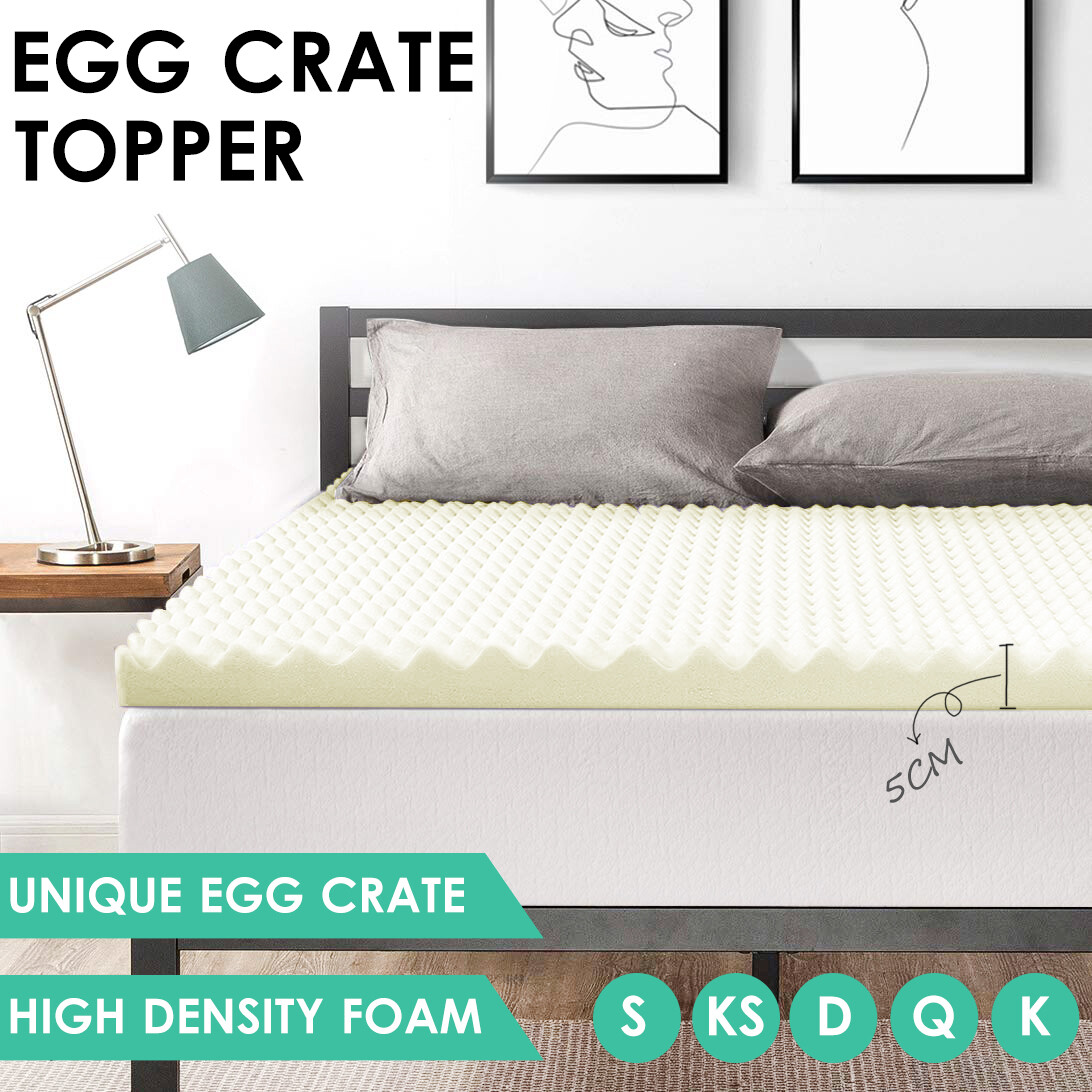
Enter the humble yet remarkably effective full size egg crate mattress topper. Recognizable by its distinctive rolling peaks and valleys—historically adapted from hospital padding to prevent bedsores—this slab of convoluted foam represents one of the most efficient upgrades in modern sleep ergonomics. Yet, walking down the digital aisle of mattress accessories reveals a dizzying labyrinth of density ratings, chemical infusions, convoluted profiles, and latex alternatives.
Navigating this market requires more than skimming marketing slogans. It demands an analytical understanding of how foam physics interact with human biomechanics. Whether you are outfitting a standard 54-by-75-inch full bed in a college dorm, a guest room, or your primary bedroom, selecting the right topper means balancing thermal regulation, spinal alignment, and structural longevity. This guide breaks down everything required to turn an unyielding mattress into a customized sleep surface.
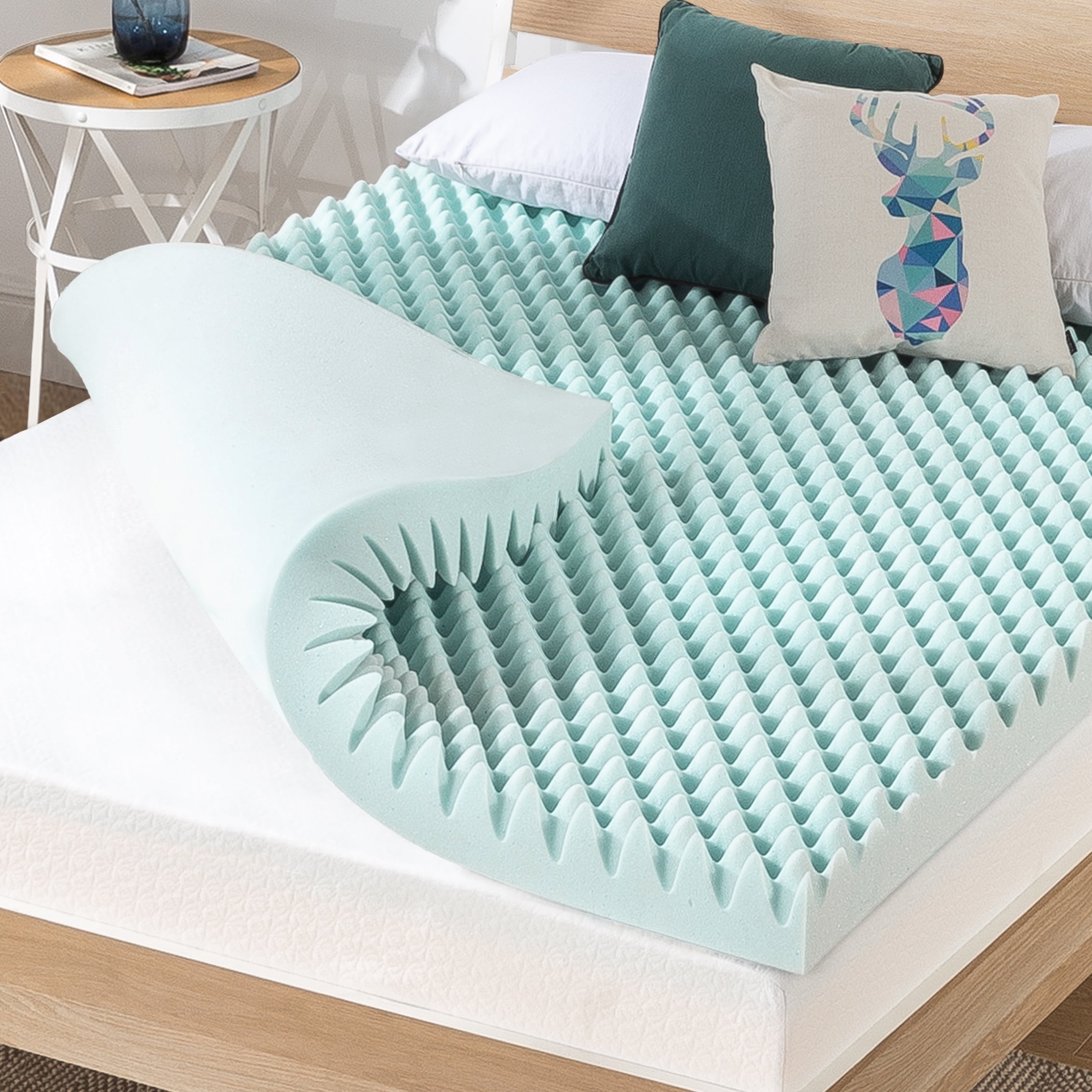
The evolution of foam technology over the past few decades has quietly revolutionized how we approach surface-level sleep comfort. Originally popularized in clinical settings to redistribute body weight for immobile patients, convoluted foam made its way into consumer bedrooms as a low-cost hack for worn-out inner-spring mattresses. The engineering logic is deceptively simple: by cutting a slab of polyurethane or memory foam into a profile resembling an egg carton, manufacturers create an array of individual finger-like projections. These peaks flex independently under load, reducing surface tension against the hips and shoulders while the underlying valleys create open channels for trapped body heat to escape.
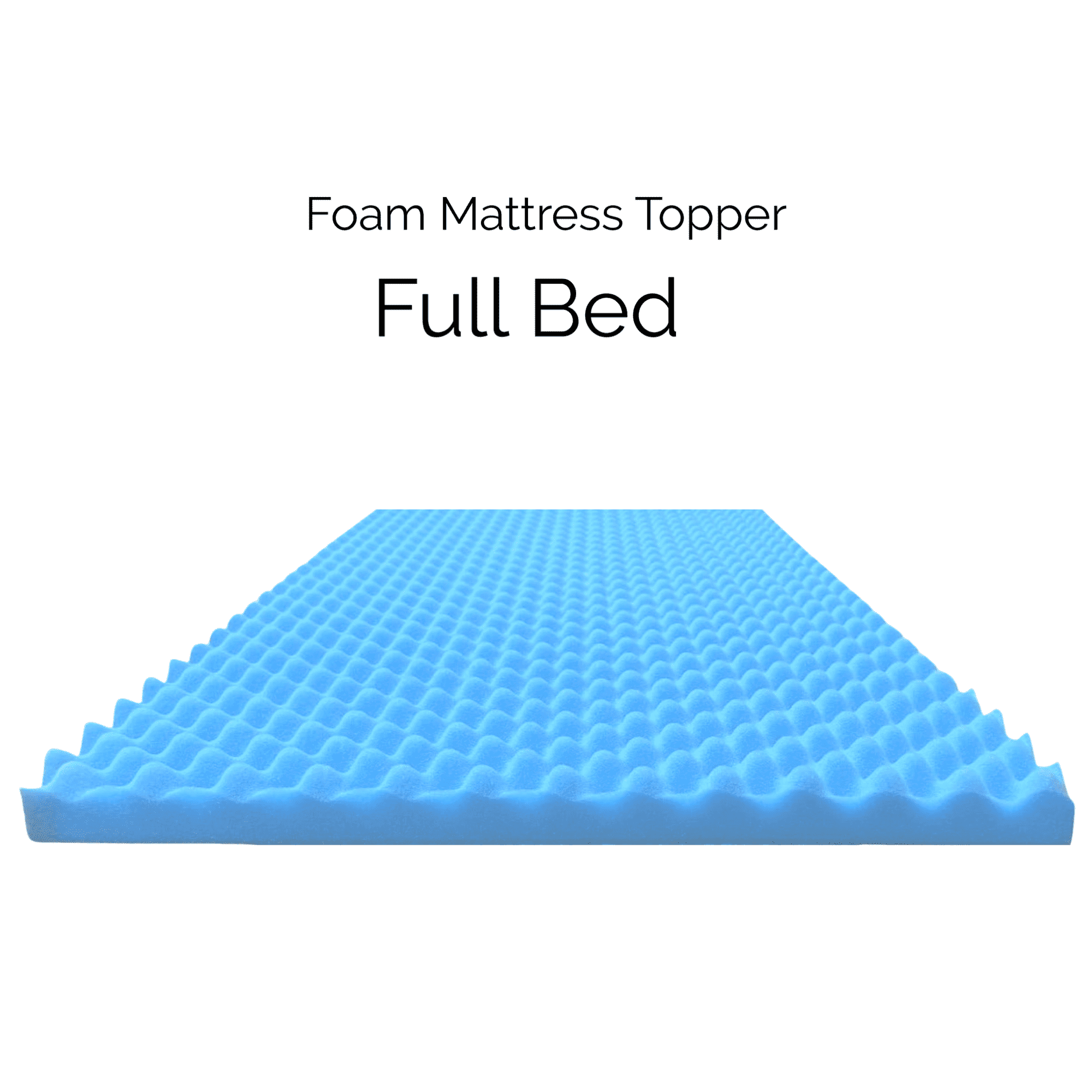
However, not all egg crate pads are created equal. A cheap, low-density polyurethane slab will flatten into a pancake within three months of nightly use, offering zero structural integrity. Conversely, high-density gel-infused memory foam or natural latex convoluted toppers provide the resilience needed to support proper spinal alignment over years of service. Understanding this material divide is the first step toward waking up without stiffness.
The Anatomy of Convoluted Foam and Pressure Point Relief
The primary job of any sleep surface modification is the mitigation of peak pressure points. When you lie down on a firm mattress, the skeletal prominences of your shoulders and greater trochanters (hips) bear the brunt of your body weight. Blood circulation in the capillaries near these pressure points becomes restricted, forcing your brain to signal micro-awakenings throughout the night so you shift positions. This nocturnal tossing and turning destroys deep sleep continuity, leaving you fatigued even after eight hours in bed.
Convoluted foam addresses this problem through localized deflection. The peaks of an egg crate pad compress easily under lighter body zones, while heavier zones sink just enough to engage the base of the foam profile. This creates an even weight distribution across the entire 54-by-75-inch surface of a full bed. For side sleepers, who require significant give at the shoulder joint to keep the spine parallel to the mattress, a thick egg crate topper acts as a mechanical shock absorber. It absorbs the impact of bony prominences without forcing the spine into an unnatural lateral bend.
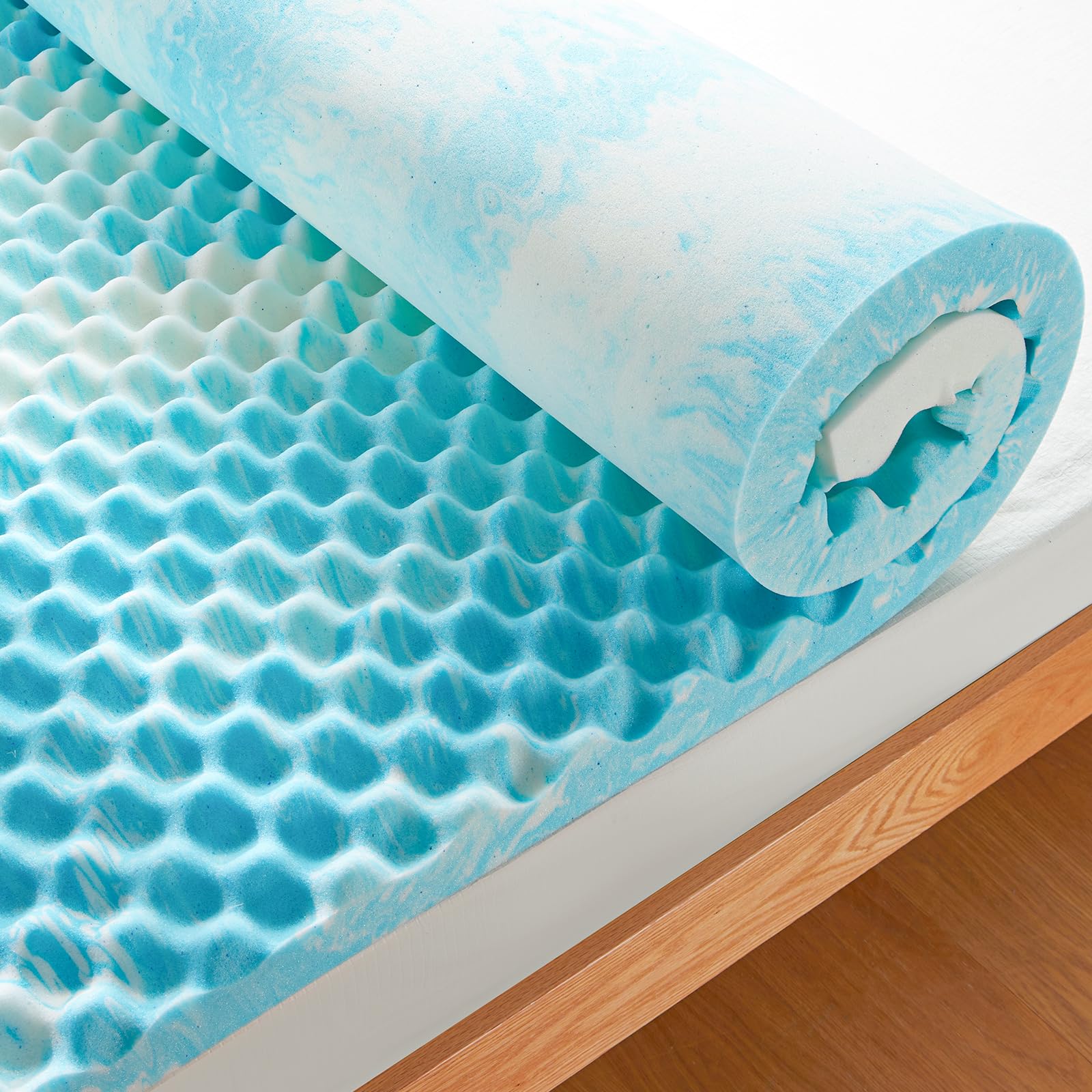
Material composition dictates how effectively this pressure relief is maintained. Traditional polyurethane egg crate foam relies purely on mechanical deformation; it bends because of its shape, not its chemical memory. Memory foam egg crate toppers, by contrast, use viscoelastic polymers that soften in response to body heat, contouring precisely to individual body geometry. Latex foam options introduce natural elasticity and rapid bounce-back, ensuring that the topper resets instantly when you change positions, eliminating the "stuck" feeling common in cheap memory foam.
Thermal Dynamics and Airflow Engineering in Full Size Toppers
Heat retention is the Achilles' heel of traditional foam mattresses. Because solid polyurethane and dense memory foam are excellent thermal insulators, they trap body heat, creating a warm microclimate that frequently causes night sweats. The distinctive peak-and-valley geometry of an egg crate design was actually engineered, in part, to solve this exact thermodynamic dilemma.
The open valleys between the foam peaks act as continuous ventilation ducts. As you shift during sleep, your body acts like a bellows, pumping warm air out through the sides of the topper while drawing cooler ambient air inward. This passive convective airflow drastically reduces heat accumulation compared to flat, solid foam slabs of equivalent thickness. Manufacturers have further optimized this thermal performance by introducing open-cell foam structures and gel infusions that actively dissipate heat away from the body.
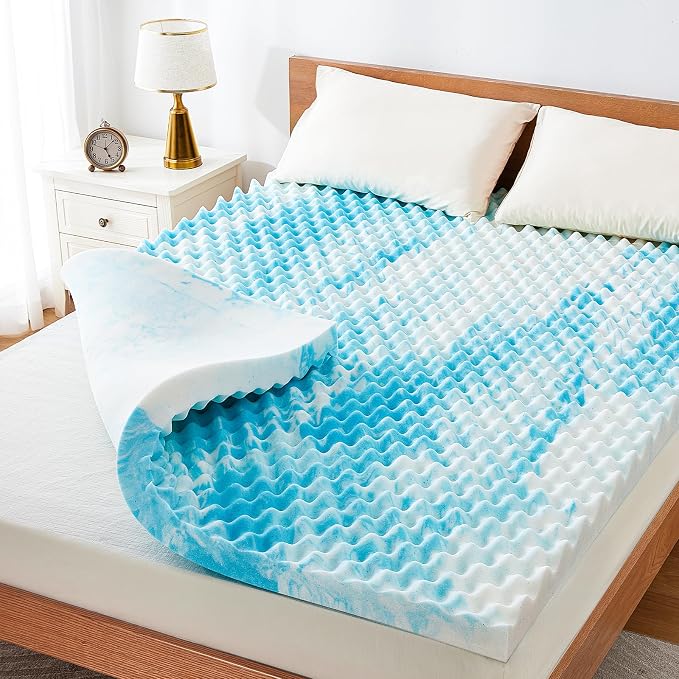
For sleepers using a full size bed—frequently shared by couples or utilized in smaller rooms with restricted air circulation—managing this microclimate is essential. Copper, graphite, or phase-change material (PCM) gel infusions are frequently blended into modern egg crate toppers to pull thermal energy away from the skin. When evaluating these cooling claims, look past the marketing jargon. True cooling performance depends on the density of the foam and the depth of the convoluted channels. A shallow 1-inch egg crate profile provides minimal airflow, whereas a robust 3-inch profile with deep, wide valleys maintains optimal convective cooling throughout the night.
Choosing Your Topper Through Systematic Evaluation
Selecting the ideal full size egg crate mattress topper requires a methodical approach that matches your physical dimensions, sleeping posture, and mattress baseline. A collegiate dorm mattress that feels like a brick requires a very different intervention than a sagging guest bed that swallows your hips.
To determine the right specification, evaluate your primary sleep style and body weight against these parameters:
Step-by-Step Installation and Break-In Methodology
Unboxing and setting up a rolled-up foam topper correctly dictates how long the product will retain its structural integrity. Vacuum-sealed foam requires specific handling to expand evenly and eliminate chemical odors before your first night of sleep.
Navigating Pitfalls and Field-Tested Workarounds
Even high-grade egg crate toppers can present operational challenges if not maintained or installed correctly. Anticipating these common missteps saves you from premature replacement and restless nights.
The Broader Impact of Sleep Ergonomics and Topper Longevity
Upgrading your sleep surface with an egg crate topper is more than a temporary Band-Aid; it is an exercise in resource conservation and personal health optimization. Discarding an entire mattress because the comfort layer has degraded contributes significantly to global landfill waste, where synthetic foams take centuries to break down. Extending the functional lifespan of an existing mattress by three to five years through the strategic addition of a recyclable or certified eco-friendly foam topper represents a major win for both personal finance and environmental sustainability.
Furthermore, the macroeconomic value of restorative sleep cannot be overstated. Chronic musculoskeletal discomfort from poor spinal alignment cascades into daytime fatigue, reduced productivity, and elevated stress hormones. By dialing in the precise interface between your body and your bed, a modest investment in a supportive full-size topper pays dividends in daily physical well-being. Modern manufacturers are increasingly utilizing plant-based polyols and bio-foams to reduce petroleum dependence, aligning consumer comfort with ecological responsibility.
Practical Recommendations for Long-Term Maintenance
Maximizing the lifespan of your full-size egg crate topper requires a disciplined maintenance routine. Unlike traditional mattresses that feature sturdy internal coil networks, convoluted foam is delicate and susceptible to tearing if handled improperly during cleaning or bed-making.
Incorporate these actionable frameworks into your bedroom care schedule:
The search for restorative sleep often leads us down complex, expensive paths involving luxury mattress replacements and high-tech sleep trackers. Yet, sometimes the most profound improvements come from mastering the fundamentals. A quality full-size egg crate mattress topper bridges the gap between an unsupportive sleep surface and ergonomic perfection, delivering targeted pressure relief and thermal regulation without requiring a major financial investment.
As material science continues to refine cooling infusions, plant-based foams, and zone-specific convolution patterns, the humble egg crate design remains a timeless staple of sleep comfort. By approaching your purchase with a clear understanding of density, thickness, and material composition, you take direct control of your nocturnal environment. Treat your sleep surface with the technical precision it deserves, and your body will reward you with deep, uninterrupted rest for years to come.