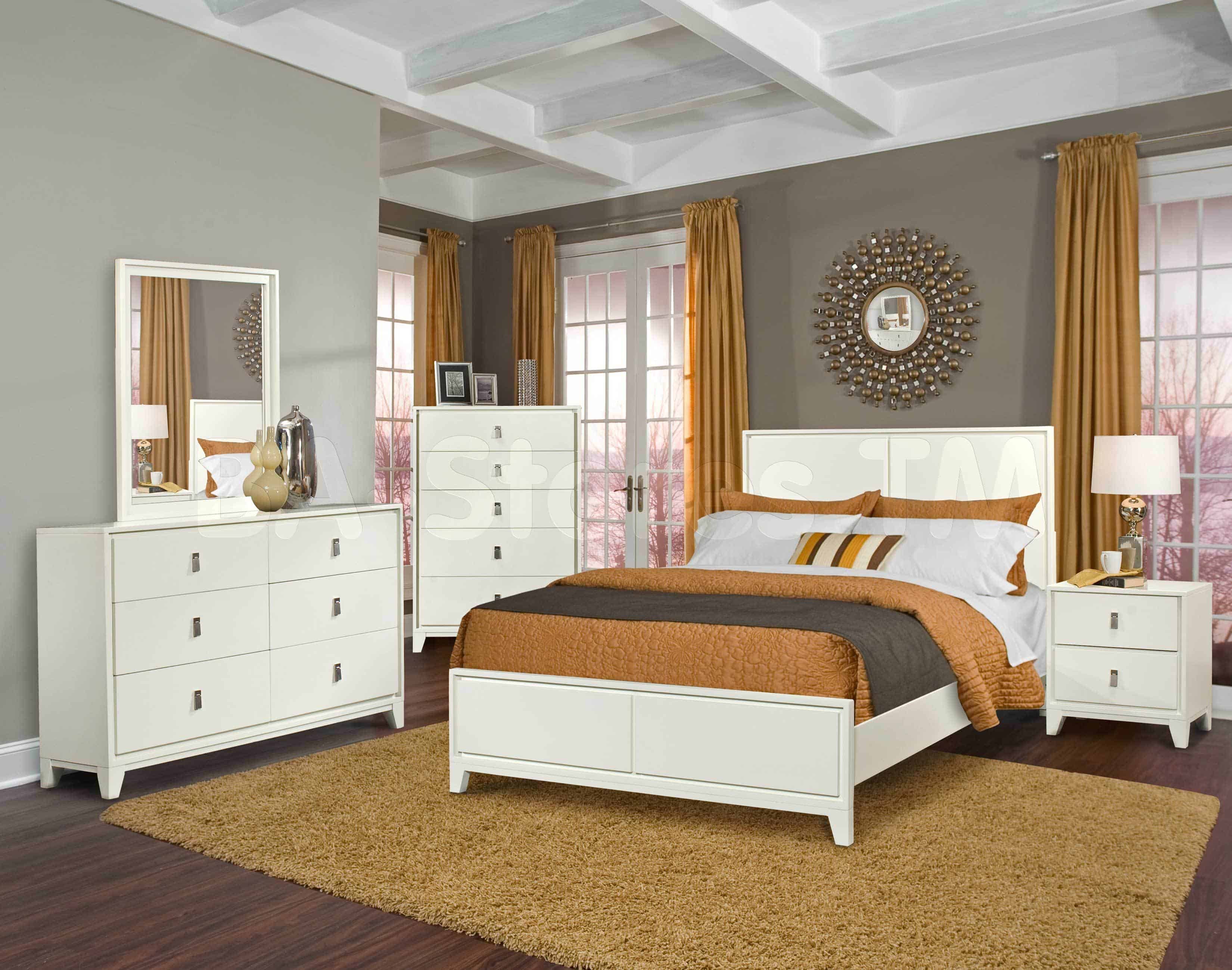
Picture walking into a luxury hotel suite. Everything feels grounded, intentional, and visually balanced. Now, picture walking into a bedroom where a massive, sprawling king bed is flanked by two tiny, fragile-looking accent tables that look like they belong in a college dorm room. The sense of scale is jarringly off. The eye stumbles. What should feel like a sanctuary suddenly feels awkward and unanchored.
Scaling furniture for a standard king-size bed—which measures a commanding 76 inches wide by 80 inches long—is one of the most common stumbling blocks in residential interior design. Because a king bed dominates the visual landscape of a room, every surrounding element must pull its weight. A tiny table gets swallowed whole by the vast horizontal expanse of the mattress, while a monstrously oversized chest of drawers blocks pathways and makes nighttime navigation hazardous.
Getting this balance right requires more than guessing with a tape measure. It demands an understanding of proportions, ergonomics, and how daily rituals interact with physical space. Whether you are outfitting a newly renovated primary suite or simply replacing mismatched bedroom furniture, mastering the nuances of scale ensures your sleep environment feels both deeply functional and effortlessly stylish.
Bedrooms have evolved from purely utilitarian spaces for sleep into multi-functional retreats where we read, work on tablets, charge devices, and decompress from the friction of modern life. The humble nightstand has transformed alongside these shifts. It is no longer just a resting place for an analog alarm clock and a paperback novel; it is an integrated command center holding multi-port charging stations, ambient lighting, humidifiers, and personal essentials. Sizing this piece correctly for a king bed dictates whether your bedroom functions like a well-oiled machine or a cluttered obstacle course.
The Architectural Anatomy of King Bed Proportions
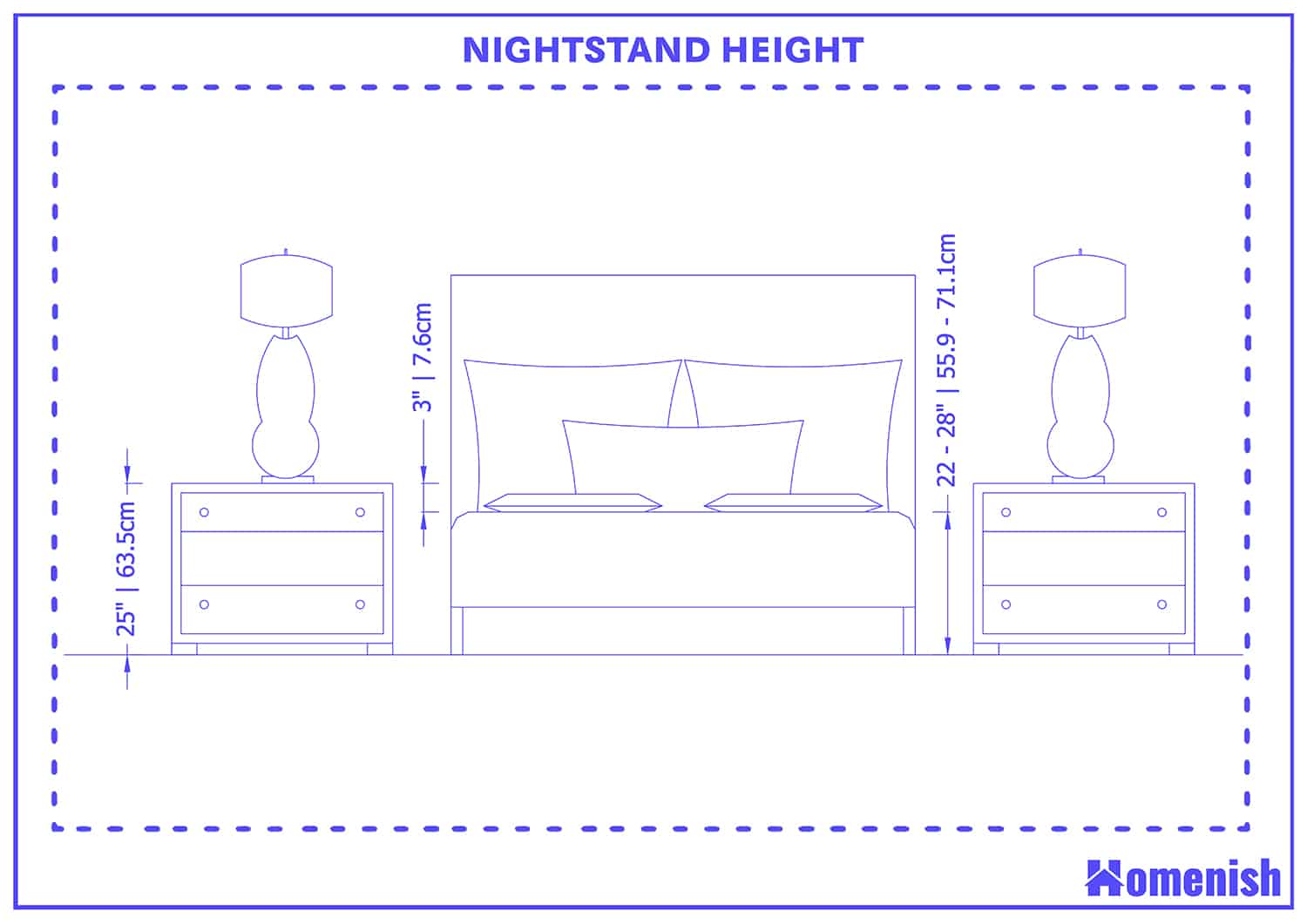
Sizing furniture for a king bed starts with understanding the sheer footprint of the mattress itself. At 76 inches across, a king bed requires furniture companions that possess enough visual weight to hold their own. When designers talk about proportion, they are referring to the harmonious relationship between the size of the bed and the size of the objects flanking it. If your nightstands are too narrow, the bed will look like an oversized ship stranded in a dry dock. If they are too wide, they will crowd the wall and dwarf the headboard.
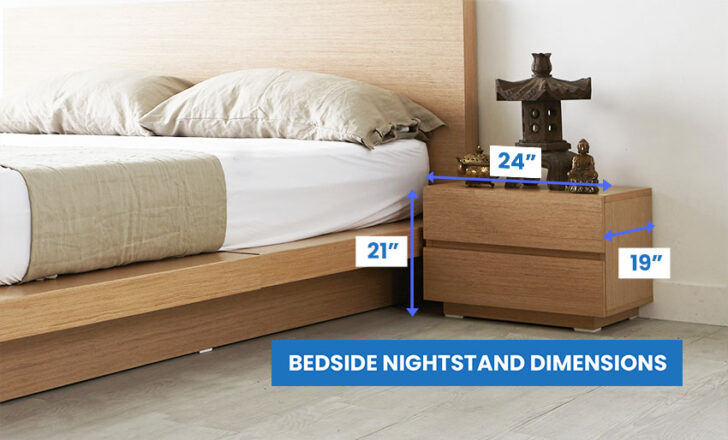
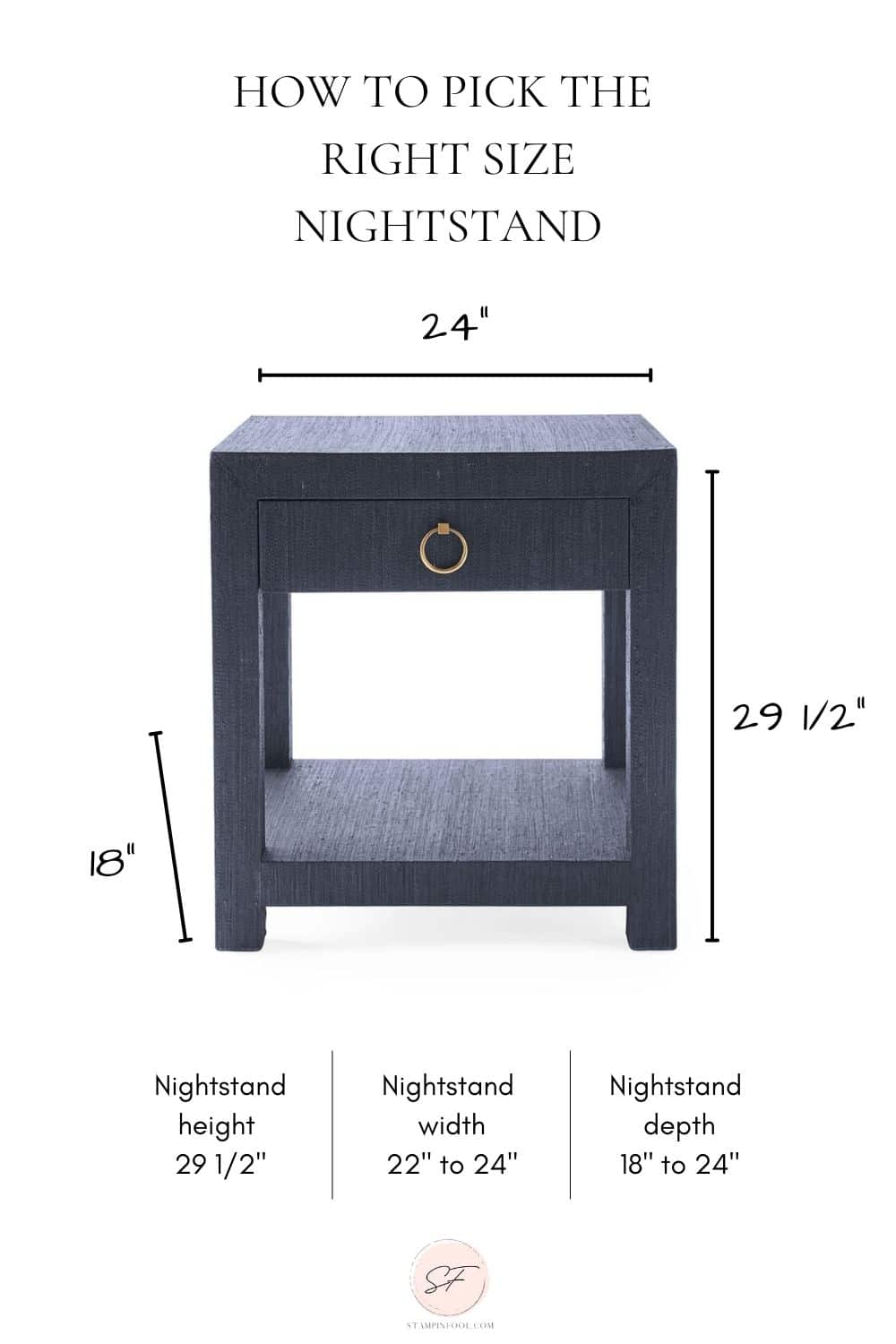
Width is the primary battlefield when shopping for nightstands. For a standard king bed, industry standards dictate that a nightstand should measure anywhere from 24 to 36 inches wide, with 28 to 30 inches often hitting the absolute sweet spot. Anything under 22 inches wide typically looks undersized next to a king mattress, especially if you have a substantial upholstered or wooden headboard. The goal is to create a continuous, anchored horizontal line across the head wall.
Depth is another critical metric that often gets overlooked in favor of surface area. Most standard nightstands range from 18 to 22 inches in depth. You want to ensure the front edge of the nightstand roughly aligns with the edge of the mattress or sits slightly recessed. If a nightstand juts out too far past the mattress, it becomes a literal bruised-shin hazard every time you slip out of bed in the dark. Conversely, a nightstand that is too shallow limits storage capacity and makes it difficult to reach items without awkwardly stretching sideways.
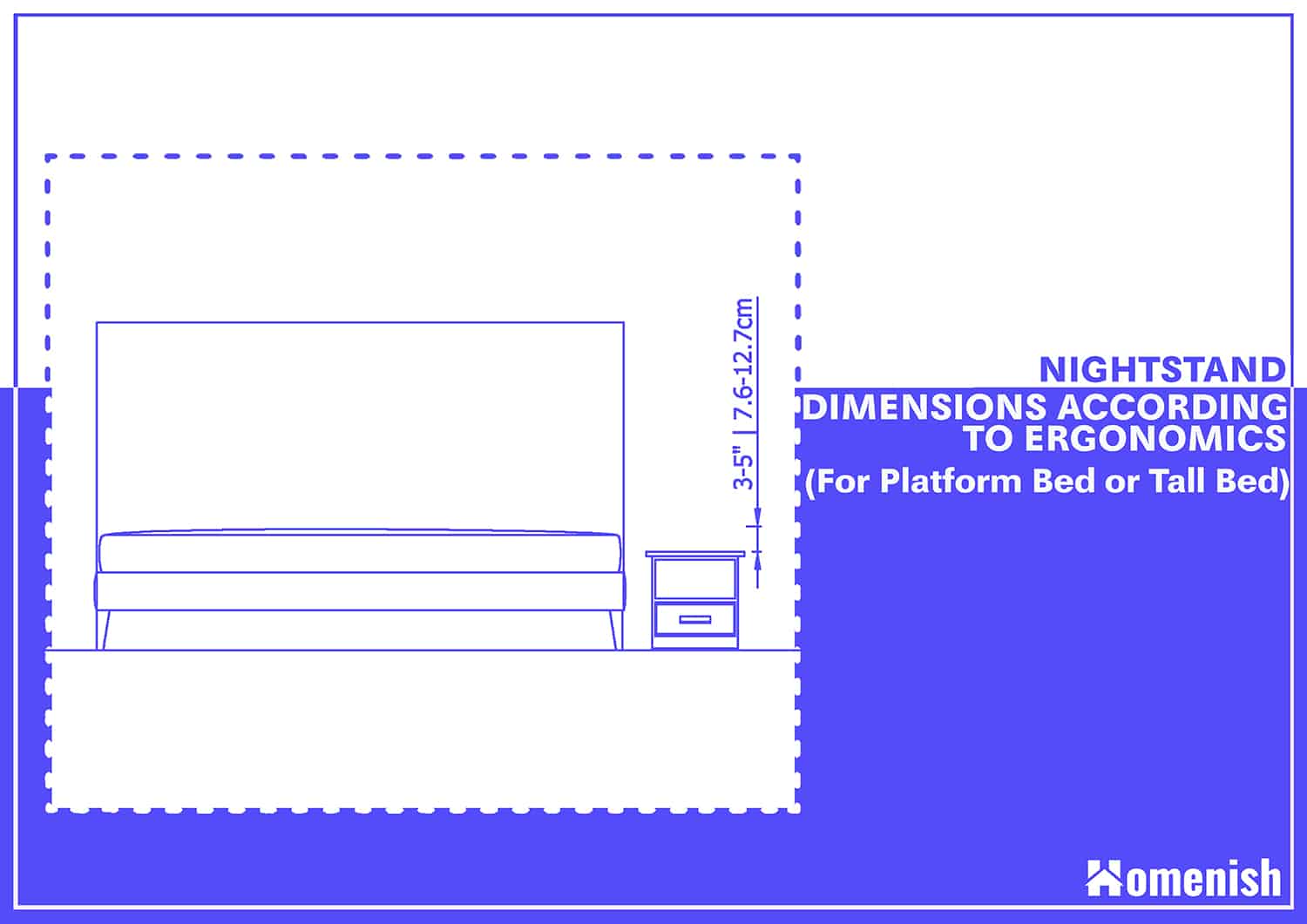
Height is arguably the most critical ergonomic factor in the entire equation. A standard king mattress sits roughly 24 to 25 inches off the floor once you factor in a modern bed frame, box spring or foundation, and a thick memory foam or hybrid mattress. Your nightstand surface should ideally sit flush with the top of your mattress, or at most, sit within 2 to 4 inches above or below it. This ensures that when you roll over in the middle of the night, reaching for a glass of water or turning off the reading lamp is a fluid, natural motion rather than an athletic reach.
Mastering the Ergonomics of Height, Width, and Clearance
To translate design theory into real-world comfort, you must examine how your body moves within the bedroom space. Ergonomics in furniture design is all about minimizing physical strain and maximizing intuitive interaction. When a nightstand is significantly lower than the mattress, you risk knocking items off the surface when blindly searching for your phone. When it is too high, it blocks your peripheral vision when lying down and creates an oppressive wall-like effect right beside your head.
Measuring your specific setup is a non-negotiable first step before browsing furniture catalogs. Grab a steel tape measure and record the exact height from the finished floor to the top surface of your made bed. Keep in mind that plush mattresses compress under weight, but you want to measure the resting, uncompressed height for sizing purposes. Once you have that baseline number, target nightstands whose surface height matches that measurement within a two-inch tolerance. If your mattress sits at 26 inches, look for a nightstand between 24 and 28 inches tall.
Clearance is the final metric in this ergonomic triad. You must account for the space between the nightstand and surrounding architectural elements, such as side walls, bedroom doors, and closet entryways. Ideally, you want to leave at least 24 to 30 inches of walking clearance on either side of the bed. If your bedroom is on the tighter side, opting for a wall-mounted floating nightstand can reclaim valuable floor space while maintaining the illusion of roominess.
Material weight also plays a subtle psychological trick on our perception of size. A heavy, dark-stained solid oak nightstand with thick block legs will feel much more substantial than an acrylic or wire-framed table of the exact same dimensions. If you are working with a smaller room where a 30-inch-wide wooden nightstand feels too visually heavy, you can compensate by choosing a piece with open shelving, glass doors, or slender metal legs that allow light to pass underneath.
Step-by-Step Methodology for Selecting Your Ideal Nightstand Setup
Navigating the vast market of bedroom furniture can feel overwhelming without a clear game plan. By breaking the selection process down into logical, sequential phases, you eliminate guesswork and ensure a cohesive end result.
This structured workflow prevents impulse buys that look stunning online but fail miserably in the physical dimensions of your actual bedroom. Taking the time to map out the spatial relationship between bed and nightstand pays dividends in everyday comfort.
Common Pitfalls and Field-Tested Workarounds
Even seasoned home decorators occasionally miscalculate bedroom proportions. Recognizing common mistakes before they happen saves you the headache of returns, restocking fees, and living with a poorly laid-out space.
Anticipating these friction points ensures your bedroom remains a calm, uncluttered retreat rather than a source of daily frustration. Practical problem-solving beats aesthetic idealism every single time.
Holistic Perspectives on Bedroom Architecture and Flow
A bedroom is more than just a collection of individual furniture pieces; it is a holistic ecosystem designed to promote psychological recovery and restorative sleep. When sizing nightstands for a king bed, you are ultimately shaping the energy and flow of the entire room. Environmental psychology shows that cluttered, poorly proportioned spaces elevate cortisol levels, making it harder to unwind at the end of a demanding day.
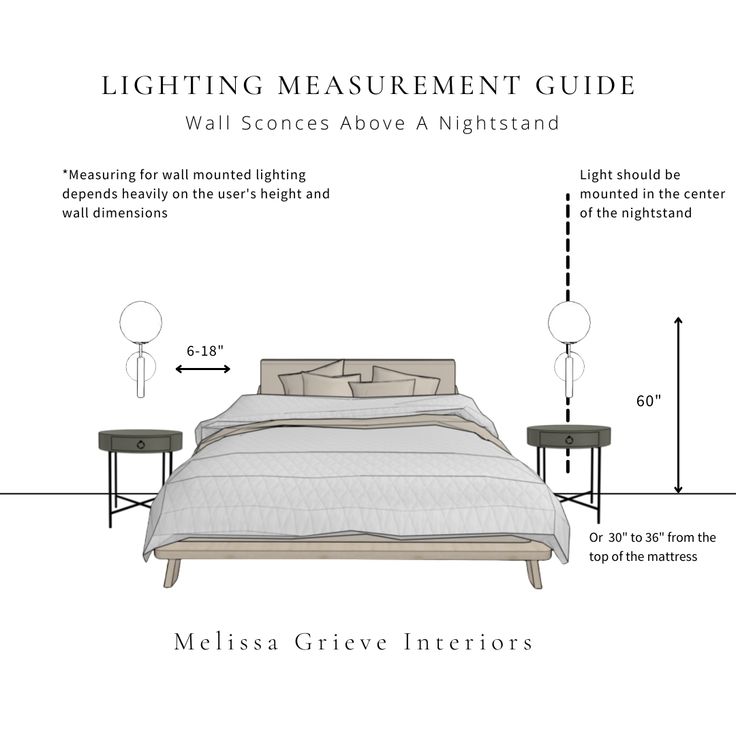
Lighting architecture is heavily dictated by your nightstand choices. A king bed requires substantial lighting coverage. Tiny nightstands force you to use miniature lamps that cast weak, uninspiring pools of light, or worse, leave no room for a lamp base at all, forcing you to rely entirely on harsh overhead lighting. Properly proportioned nightstands easily accommodate a well-sized table lamp with a shade diameter that fills out the visual space without overwhelming it, creating warm, layered ambient lighting essential for circadian down-regulation.
Furthermore, consider the longevity and adaptability of your investment. Furniture trends shift rapidly, but classic proportions remain timeless. Opting for solid wood construction with durable joinery ensures that your nightstands will survive moves, mattress upgrades, and stylistic evolutions over the decades. When you anchor a king bed with robust, well-scaled nightstands, you build a foundation of quality that elevates the aesthetic of the entire sleeping quarters.
Strategic Summary for Selecting King Bed Nightstands
To synthesize the core principles of outfitting a king bed with the perfect companions, keep this quick-reference framework close at hand:
Applying these benchmarks transforms the daunting task of furniture shopping into a precise, satisfying exercise in spatial design.
Designing the ultimate bedroom sanctuary is an exercise in intentionality. A king bed is an unapologetic statement piece that commands authority within a room, and it deserves companion furniture that respects its scale. By refusing to compromise on dimensions, height, and ergonomic flow, you bridge the gap between high-end interior design and practical, everyday comfort.
As living spaces continue to adapt to our changing needs—incorporating integrated technology, wellness tools, and multi-functional zones—the furniture we choose must be both beautiful and hardworking. Take your measurements twice, map your floor space with care, and invest in pieces that ground your sleep sanctuary in timeless proportion. The reward is a bedroom that not only looks like it was pulled from the pages of a design journal, but feels like an absolute exhale the moment you walk through the door.