The light slips through the window slats at an angle that reveals dust motes dancing in the quiet air of a Sunday morning. You lean back against the wall, propped up by a mountain of pillows, trying to read a dog-eared novel. Ten minutes later, your neck aches, your lower back complains against the cold, unyielding drywall, and the bed itself looks strangely lost in the center of the room—dwarf-like under a high, empty expanse of wall.
It is a silent bedroom frustration that millions face. Standard bed frames and low-profile headboards leave vast vertical real estate unaddressed, turning what should be a personal sanctuary into a space that feels unfinished, temporary, and unanchored.
Enter the tall headboard for a queen bed—an architectural intervention that completely alters the geometry and atmosphere of a sleeping space. Moving beyond mere decoration, an elevated vertical silhouette redefines bedroom proportion, transforms acoustics, and offers ergonomic support for evening reading or late-night scrolling. Yet, buying and installing a towering headboard is not as simple as picking a fabric color from an online swatch. It requires a precise understanding of wall clearance, ceiling height, bed frame compatibility, and structural stability.
The Anatomy of Vertical Proportion: Why Height Changes Everything in Bedroom Design
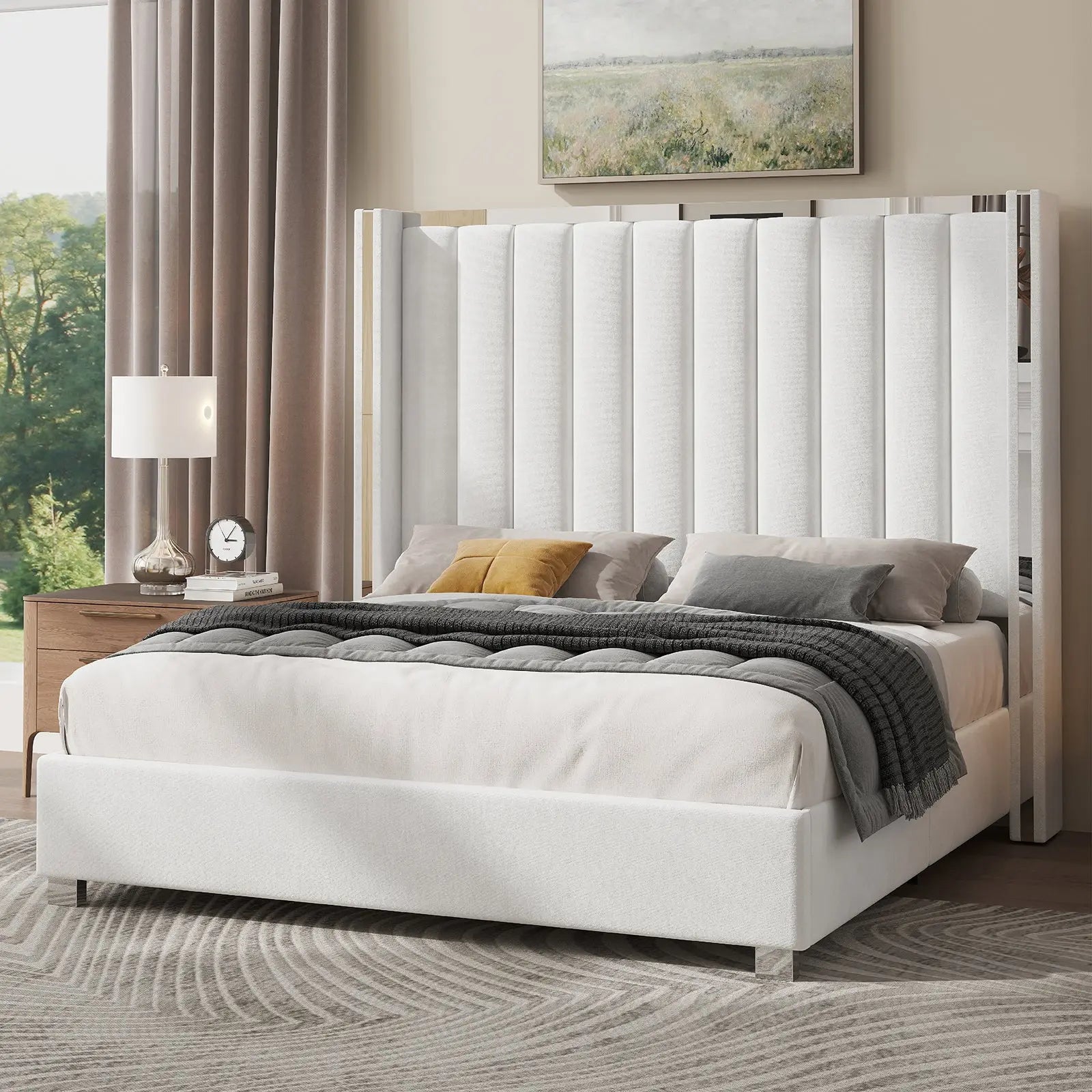
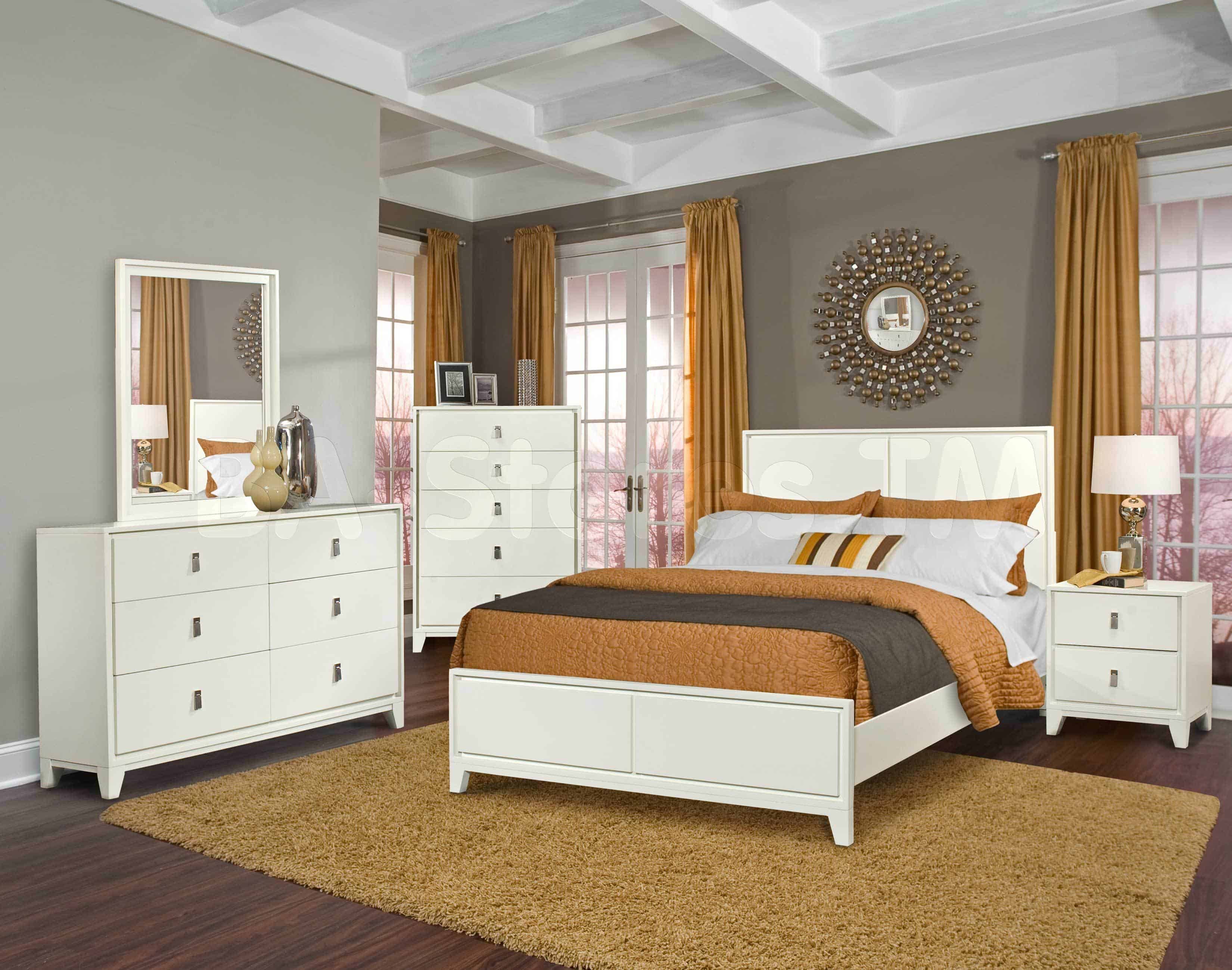
When interior designers walk into a bedroom, they evaluate more than just floor space; they calculate volume. A standard queen bed measures roughly 60 inches wide by 80 inches long, but standard headboards often hover a modest 45 to 50 inches off the floor. In a room with standard 8-foot or soaring 10-foot ceilings, this leaves an enormous visual void above the bed. Tall headboards—typically ranging from 54 to over 70 inches in total height—fill this volume, acting as an architectural anchor that balances the horizontal plane of the mattress with a commanding vertical presence.
Scale is the hidden engine behind room psychology. When a headboard rises significantly higher than the mattress, it creates an immediate sense of enclosure and safety, a primal design principle often referred to as prospect-refuge theory. You feel protected from behind, which subconsciously promotes deeper rest. Furthermore, tall headboards manipulate perspective. In rooms with low ceilings, a vertically fluted or channeled tall headboard draws the eye upward, tricking the brain into perceiving the walls as taller than they actually are. In expansive, high-ceilinged lofts, a grand headboard prevents the bed from looking like a postage stamp lost on a vast expanse of drywall.
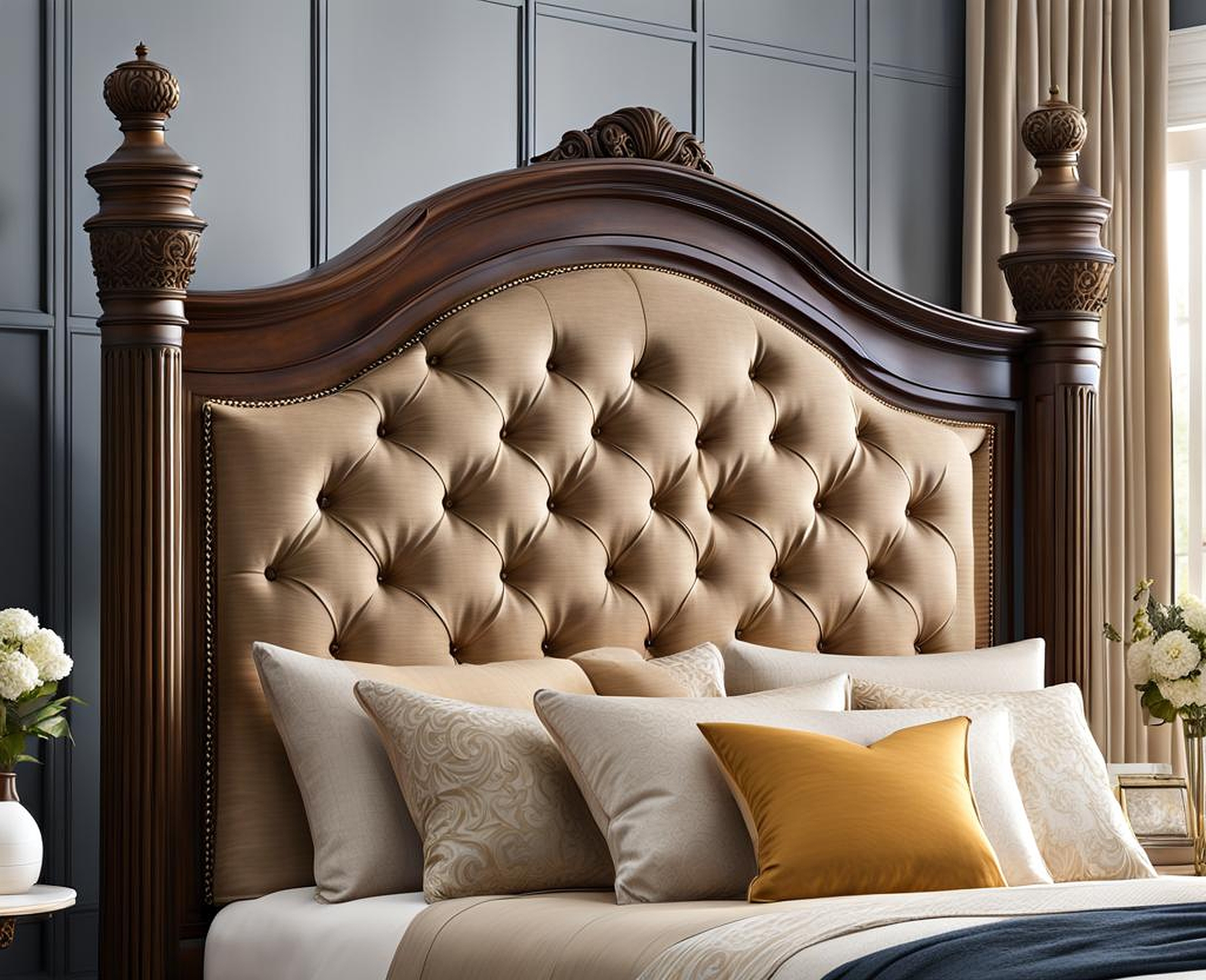
Materiality plays an equally critical role in how this height is perceived. A soaring solid wood slab brings organic warmth and heavy gravitas, while a velvet-upholstered wingback design absorbs light, muting ambient noise and adding a cocoon-like intimacy. The modern appetite for bedroom comfort has elevated ergonomic considerations as well. Modern tall headboards are no longer flat wooden boards meant to be completely hidden by pillows; they are engineered with dense high-resilient polyurethane foam, angled slants, and lumbar curves designed specifically to support the human spine in an upright, seated position.
Navigating Styles, Materials, and Engineering Standards
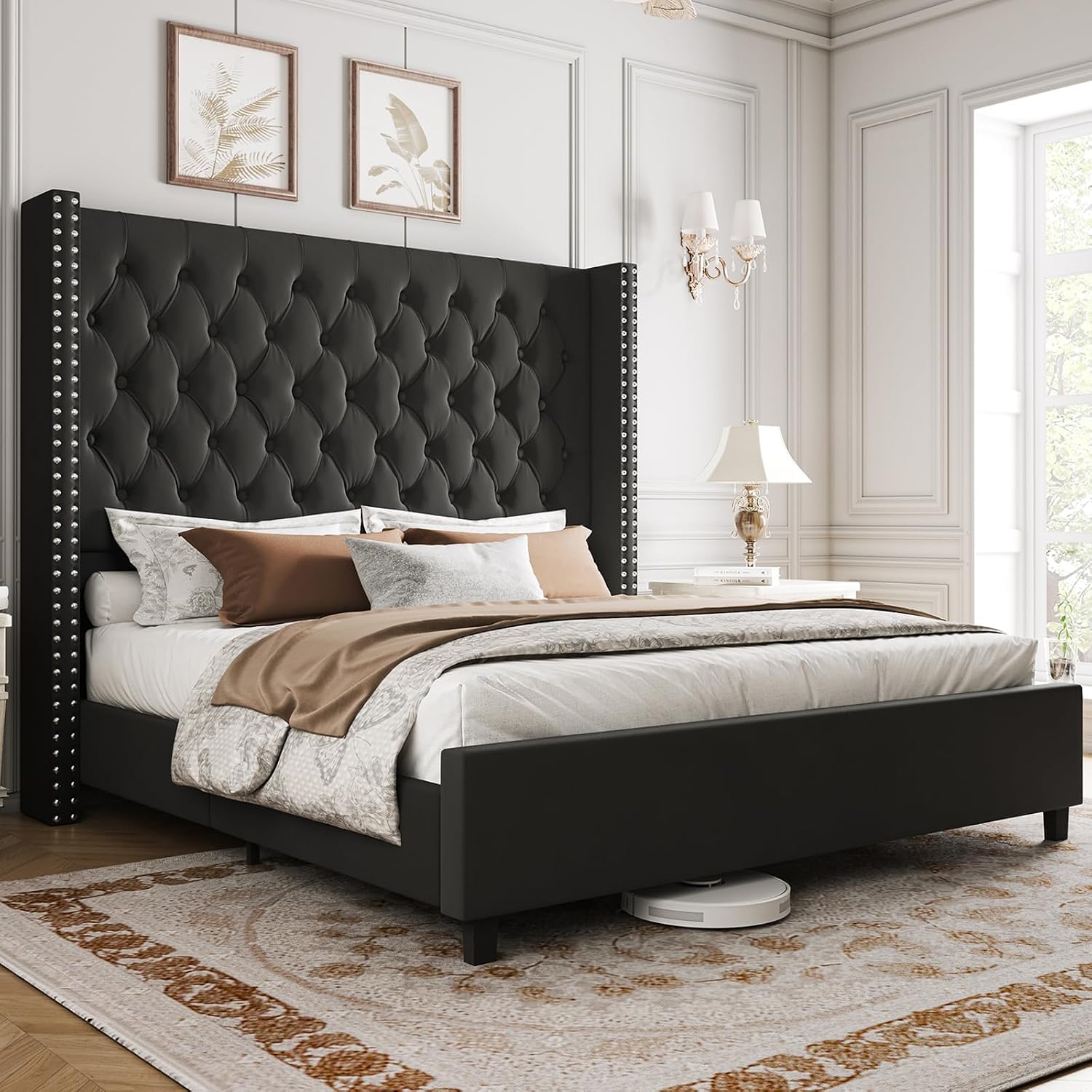
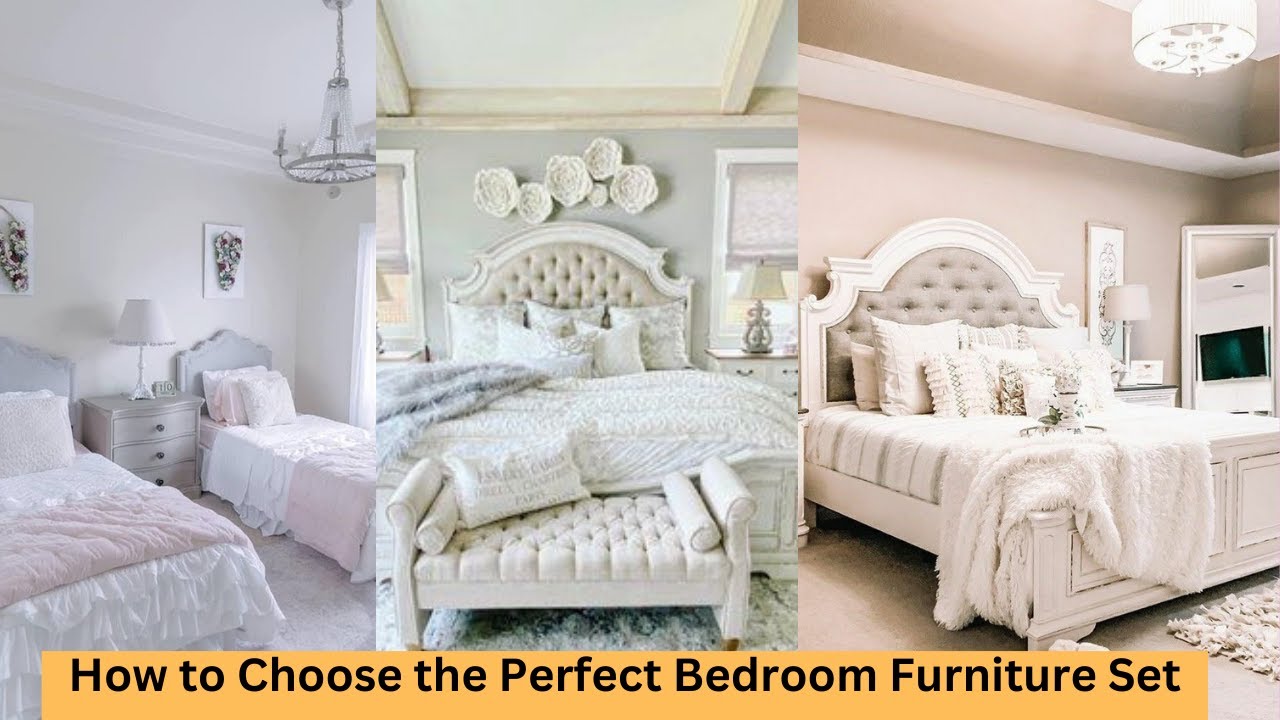
Selecting the right tall headboard demands a close look at how construction materials influence longevity, weight, and daily maintenance. Upholstered options dominate the market for their plush comfort and sound-dampening qualities, but the internal framework matters immensely. Cheap particle board frames often bow or creak under pressure when leaning back, whereas kiln-dried hardwood or reinforced steel frames ensure the piece remains rigid and silent over years of use. Fabrics range from performance linens that resist pet claws and stains to rich mohair and chenille that invite tactile interaction.
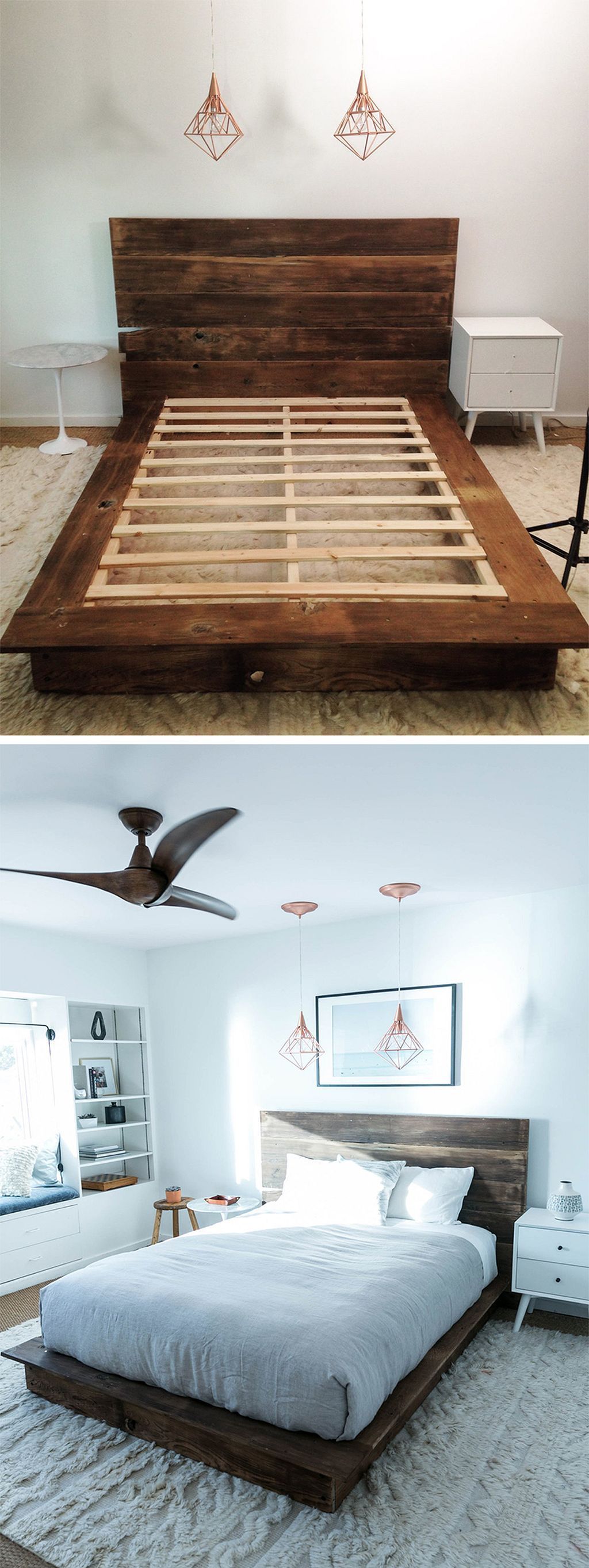
Wood headboards offer a different set of advantages. Solid oak, walnut, or reclaimed pine bring natural grain patterns and zero-maintenance surfaces that require nothing more than a damp microfiber cloth. However, they lack the forgiving softness of upholstery, meaning you will still rely on decorative pillows for comfort during long reading sessions. Metal headboards, featuring wrought iron or brushed brass tubular frames, lean heavily into industrial, vintage, or minimalist aesthetics. While incredibly durable and airy—allowing wall color to show through—they offer minimal ergonomic support unless paired with custom leather sling cushions.
Integrated features have also evolved rapidly. Contemporary tall headboards frequently incorporate recessed LED ambient lighting strips along the back perimeter, transforming a harsh reading light into a warm, circadian-friendly glow. Others feature concealed USB-C charging ports built directly into the side wings, keeping tangled cords off the nightstands. Understanding these material properties and tech integrations ensures that your investment bridges the gap between high fashion and everyday utility, surviving shifting interior trends while meeting your exact lifestyle demands.
Step-by-Step Methodology for Sourcing, Measuring, and Installing Your Tall Headboard
Purchasing and mounting a tall headboard is an exact science. A miscalculation of two inches can block a power outlet, clash with a window frame, or prevent the headboard from attaching securely to your bed frame. Follow this structured blueprint to ensure a seamless installation process from start to finish.
Avoiding Common Pitfalls: Structural Traps and Styling Mistakes
Even experienced DIYers and interior enthusiasts stumble when dealing with oversized bedroom furniture. Tall headboards introduce unique mechanical and aesthetic challenges that can turn a weekend upgrade into a frustrating ordeal if overlooked.
The Broader Impact: Sleep Hygiene, Acoustics, and Long-Term Value
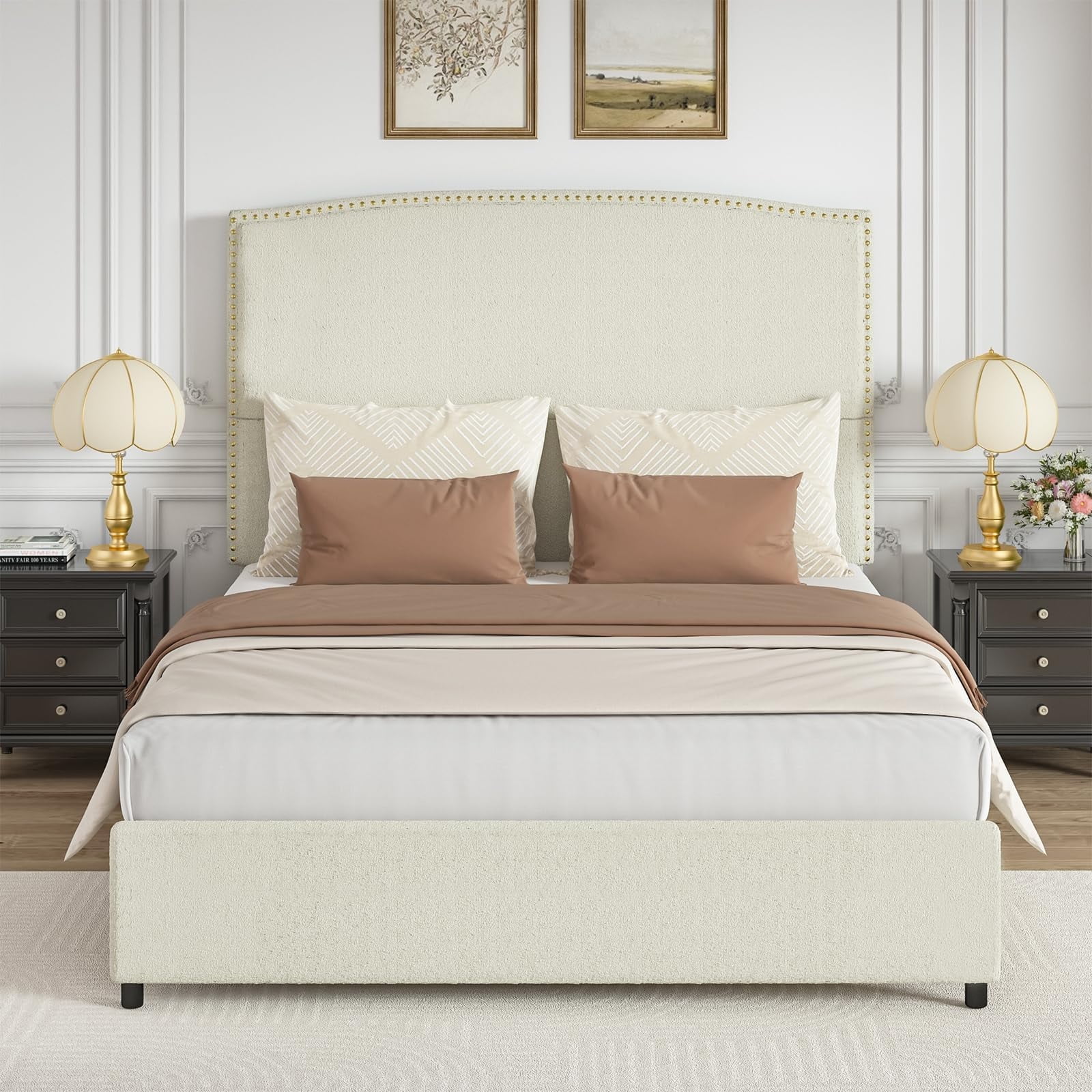
Investing in a high-end tall headboard yields dividends that extend far beyond aesthetics, directly influencing sleep hygiene and environmental acoustics. Modern bedrooms often suffer from hard flooring surfaces, uncurtained windows, and bare drywall, causing sound waves to bounce and amplify minor noises that disrupt REM sleep. A plush, densely upholstered tall headboard acts as an effective sound-absorption panel right at the head of the bed, dampening ambient noise from adjacent rooms or the street outside.
From an ergonomic standpoint, a supportive upright surface transforms the bed from a mere sleeping platform into a versatile living zone. Whether you are reviewing work documents on a laptop, meditating before dawn, or reading to children, an angled, cushioned backrest prevents slouching and repetitive strain injuries to the lumbar spine. This multifunctionality maximizes the utility of a bedroom, turning a compact urban apartment into a multi-use sanctuary without cluttering the floor with extra armchairs.
Economically, quality headboards represent a smart, sustainable investment in home furnishings. Because mattresses wear out and require replacement every 7 to 10 years, buying an independent headboard rather than an integrated all-in-one bed suite allows you to upgrade your mattress size or model in the future while retaining your favorite statement furniture piece. High-grade materials and timeless silhouettes ensure that a well-crafted tall headboard outlives multiple mattress cycles, anchoring your interior design through shifting trends.
Actionable Recommendations for Choosing and Styling Your Statement Piece
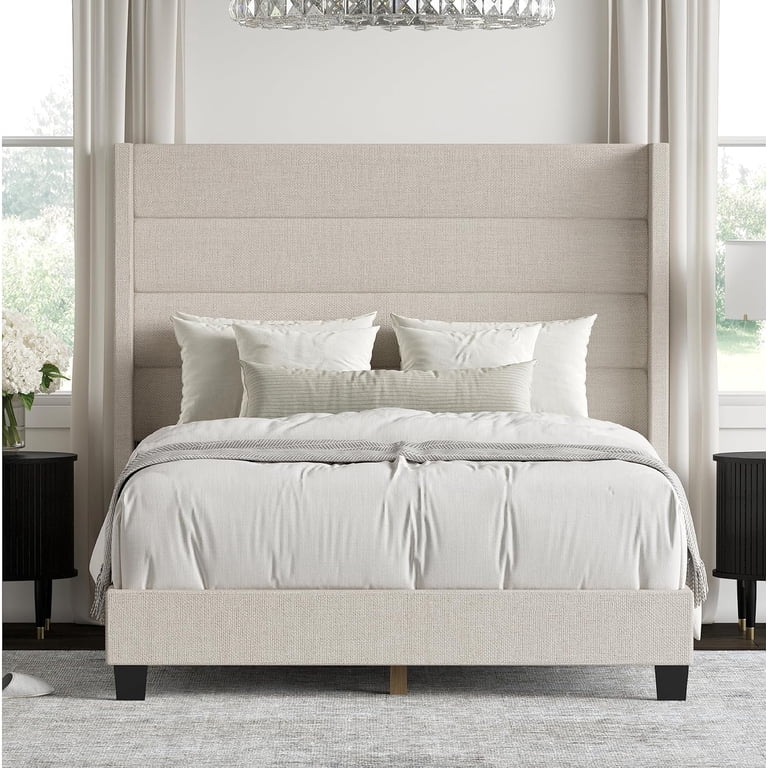
To distill these insights into a practical purchasing framework, evaluate your bedroom through three specific lenses: architecture, lifestyle, and structural capacity. Do not rush the selection process based on a single inspirational photograph; instead, analyze your specific room dimensions.
If you have low ceilings (under 8 feet), look for vertical paneling or vertical channel-tufting rather than heavy horizontal wings, as vertical lines elongate the space. If your room is bathed in natural sunlight, consider rich velvet or textured bouclé fabrics that catch and diffuse light dynamically throughout the day. Conversely, if your bedroom is dark or compact, lighter wood grains or crisp performance cottons will keep the room feeling airy and open.
Finally, style the surrounding vertical space with intention. Once your tall headboard is securely mounted, use the newly established vertical axis to hang a single oversized piece of art centered above the headboard, or leave the wall clean and minimalist to let the architectural silhouette speak for itself. Pair your setup with layered lighting—such as swing-arm wall sconces mounted directly to the headboard wings—to eliminate the need for clumsy nightstand cords and complete a polished, custom-designed aesthetic.
The bedroom remains the final frontier of personal sanctuary in an increasingly loud and fast-moving world. When you take the time to anchor your sleeping space with a thoughtfully chosen, impeccably engineered tall queen headboard, you are doing more than just redecorating. You are investing in your daily comfort, shaping the acoustic and visual calm of your environment, and building a room that welcomes you back at the end of every demanding day.
As furniture design continues to evolve toward smart integration and ergonomic wellness, the tall headboard stands out as a timeless architectural bridge between form and function. By respecting the rules of scale, prioritizing secure installation, and selecting materials that match your lifestyle, you create a space that feels deeply personal, enduringly stylish, and profoundly restorative.