The floorboards of the guest bedroom groan softly under the weight of three over-excited cousins, a stray golden retriever, and a pile of miscounted pillows. It is midnight during the winter holidays, and the perennial real estate dilemma of modern living is on full display: square footage is an expensive luxury, yet hospitality demands shelter for all. For decades, the standard response was either a sagging pull-out sofa that left guests waking up with chiropractors on speed dial or a cramped twin bed that felt like an afterthought.
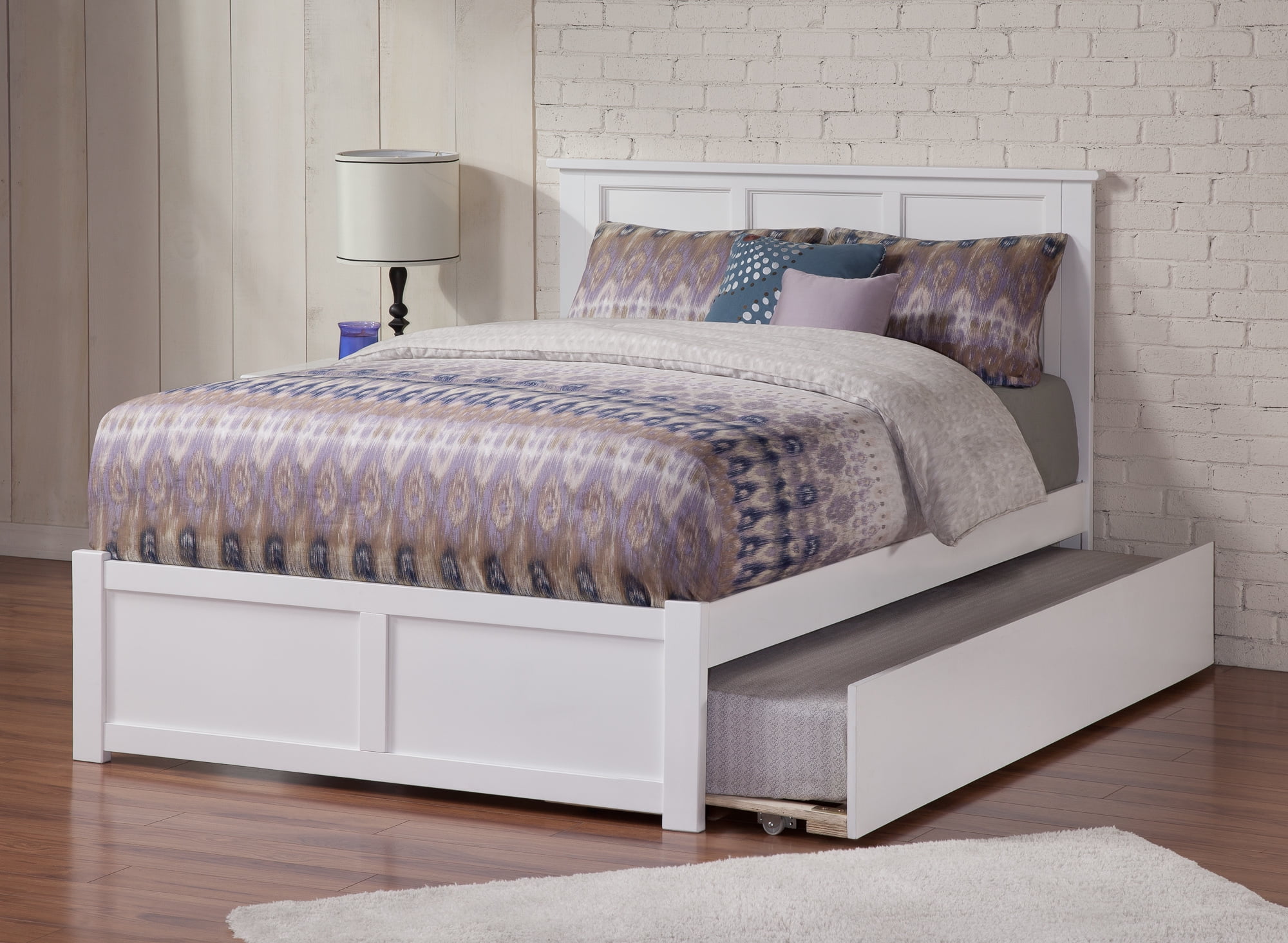
Enter the architectural evolution of dual-purpose sleeping furniture—specifically, the full size bed paired with an integrated trundle. This configuration bridges a critical gap in home design. It marries the sprawling, adult-friendly comfort of a double (full) mattress on top with a hidden secondary sleeping bay or rolling drawer system below. Yet, integrating this furniture archetype into a real home requires more than a simple click-and-buy online order. It demands a rigorous understanding of floor clearances, mechanical glide systems, mattress height physics, and material science.
Navigating the market for multi-tier sleeping systems forces a reckoning between structural integrity and spatial economics. A standard full-size mattress measures fifty-three inches wide by seventy-five inches long, providing generous sprawl room for a single adult or a cozy setup for two. When you anchor a trundle beneath it, the spatial footprint doubles without expanding the room's permanent perimeter. However, physics does not negotiate. The hidden lower tier requires clear operational channels, and failing to account for nightstands, closet doors, or heating vents can render a high-end investment functionally useless within twenty-four hours of assembly.
The Architectural Anatomy of Dual-Tier Sleep Systems
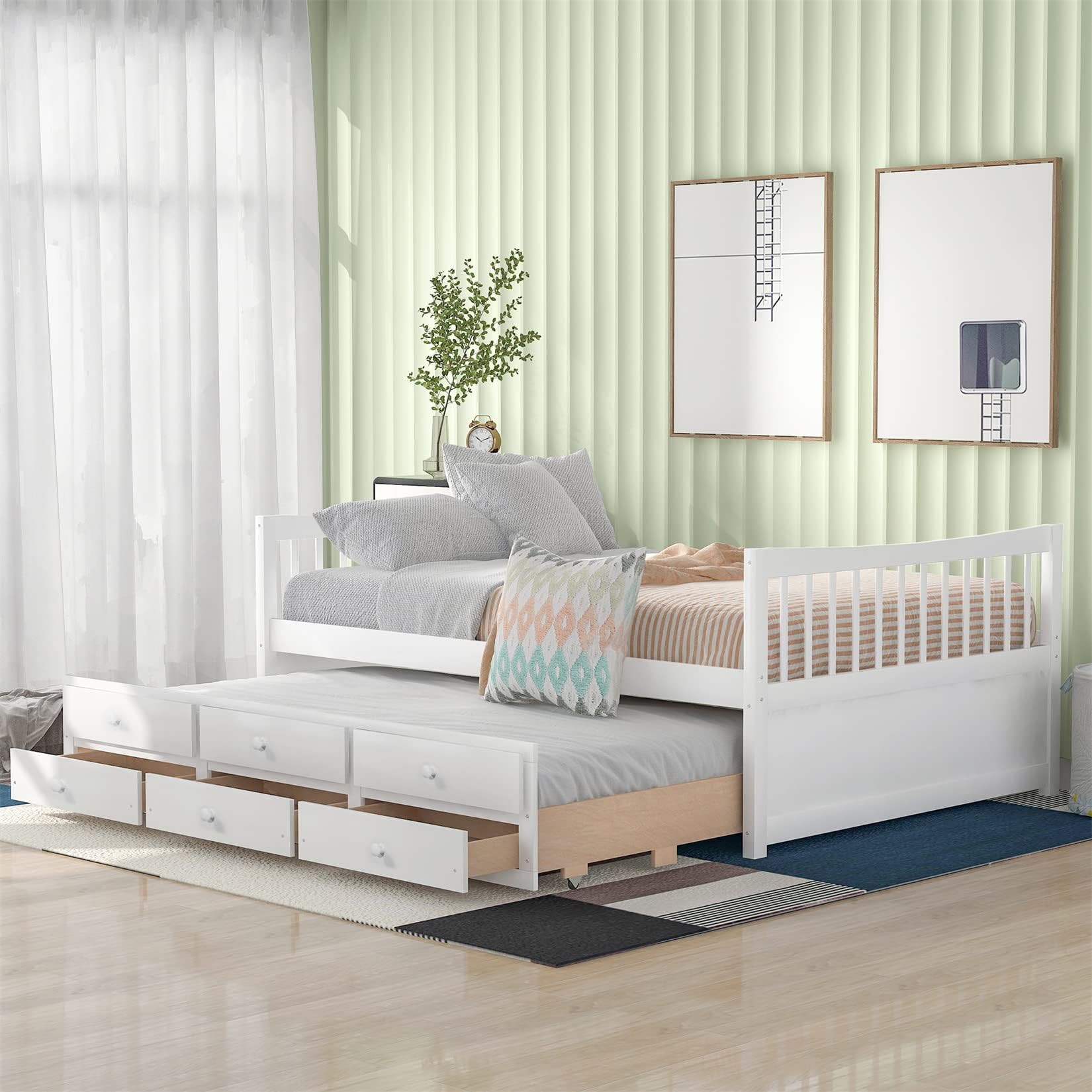
Understanding what makes a full size bed with trundle system successful begins beneath the surface slats. Unlike standard platform beds that simply support static weight downward, trundle frameworks endure complex kinetic forces. The upper deck must safely distribute the static load of primary sleepers, while the lower subsystem requires reinforced casters, sliding tracks, or pop-up scissor mechanisms designed to withstand repeated lateral pulling and vertical stress.
Materials matter immensely in this category. Budget-conscious manufacturers often rely on low-density medium-density fiberboard (MDF) or hollow pine, which tends to warp under fluctuating relative humidity. Professional-grade units utilize kiln-dried hardwoods such as rubberwood, birch, or acacia, supplemented by steel-reinforced joinery. When evaluating frames, examine the connection points where side rails meet the headboard and footboard. High-end models employ heavy-duty metal brackets with threaded bolts rather than simple wood screws that strip out after a single cross-country move or seasonal repositioning.
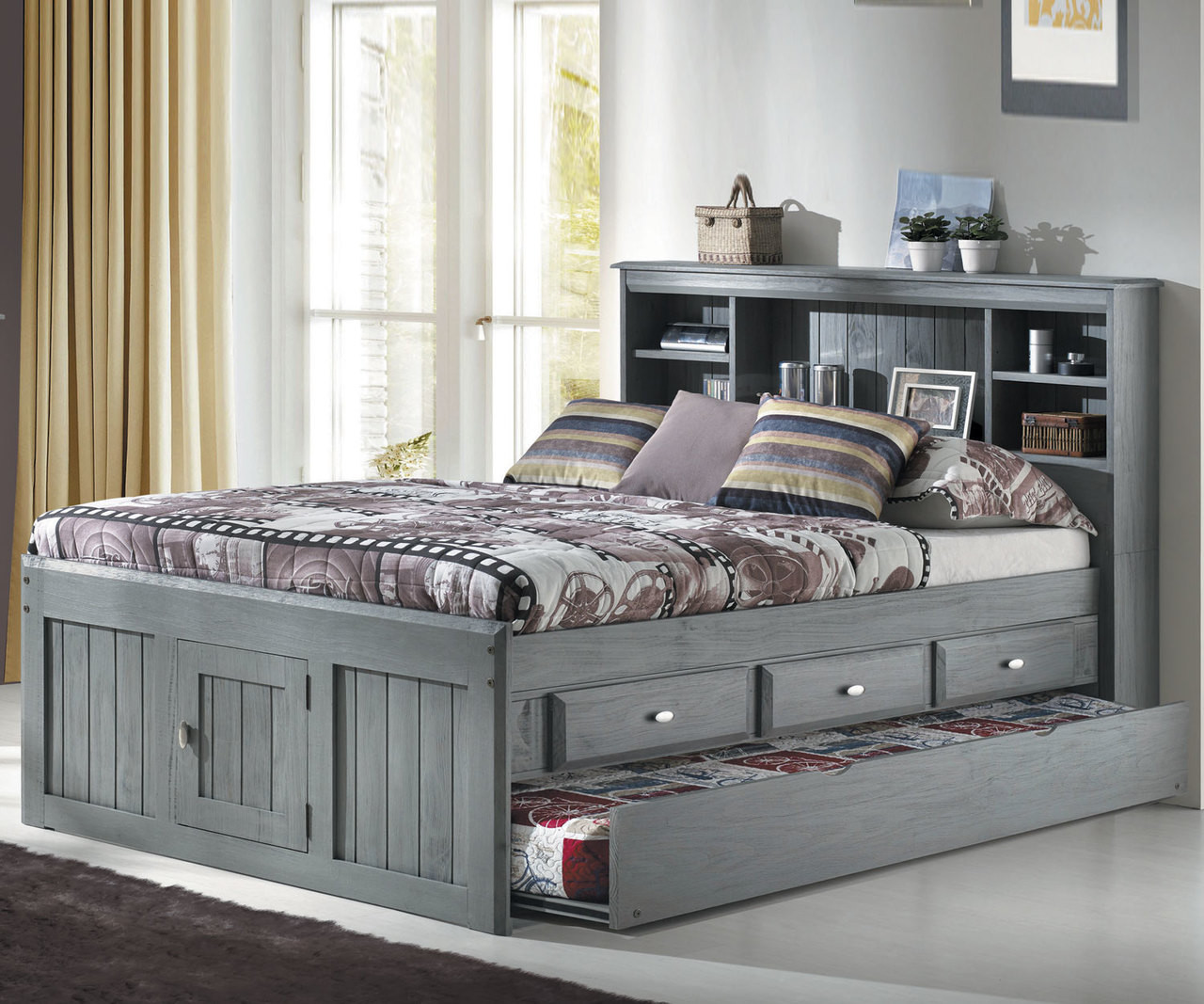
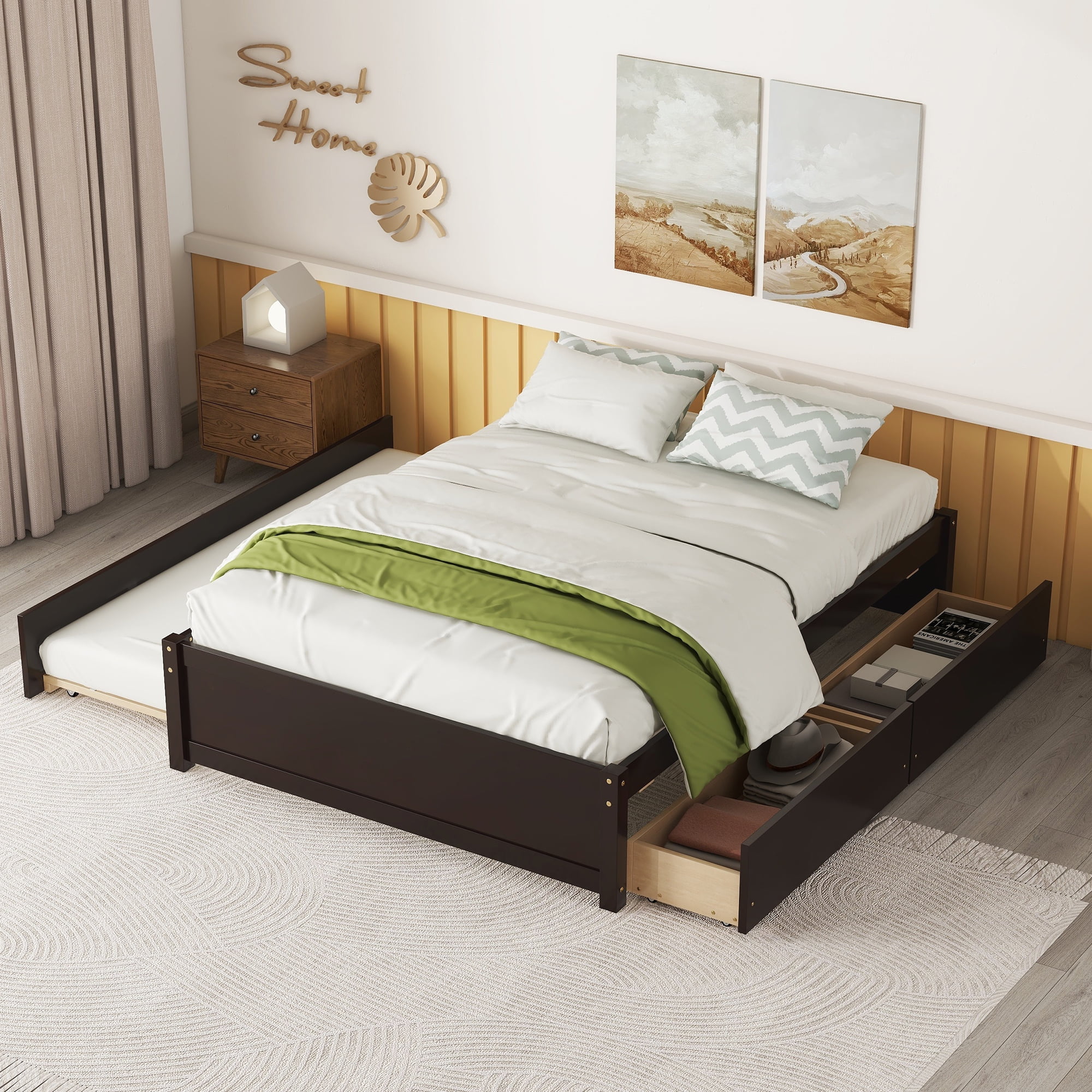
The engineering of the trundle itself typically follows one of two distinct paths: the drawer-style roll-out bed or the pop-up trundle. Drawer models sit low to the ground, rolling smoothly on heavy-duty thermoplastic or rubberized casters. They serve as exceptional low-profile solutions for children's rooms or casual sleepovers. Pop-up trundles, conversely, utilize spring-assisted or gas-piston mechanisms that elevate the lower mattress to the exact height of the upper deck. Once locked into place, the two separate surfaces can be pushed together, effectively transforming a twin configuration into a massive king-equivalent sleeping platform.
Spatial Physics and Room Layout Optimization
Integrating a dual-tier bed into an existing floor plan requires meticulous spatial calculations. Most homeowners drastically underestimate the operational clearance needed to deploy a trundle bed safely. A standard full mattress is seventy-five inches long, and the trundle drawer underneath typically adds another inch or two of frame border. Pulling that lower unit out requires a minimum of seventy-eight to eighty inches of unobstructed floor space extending directly outward from the side of the bed.
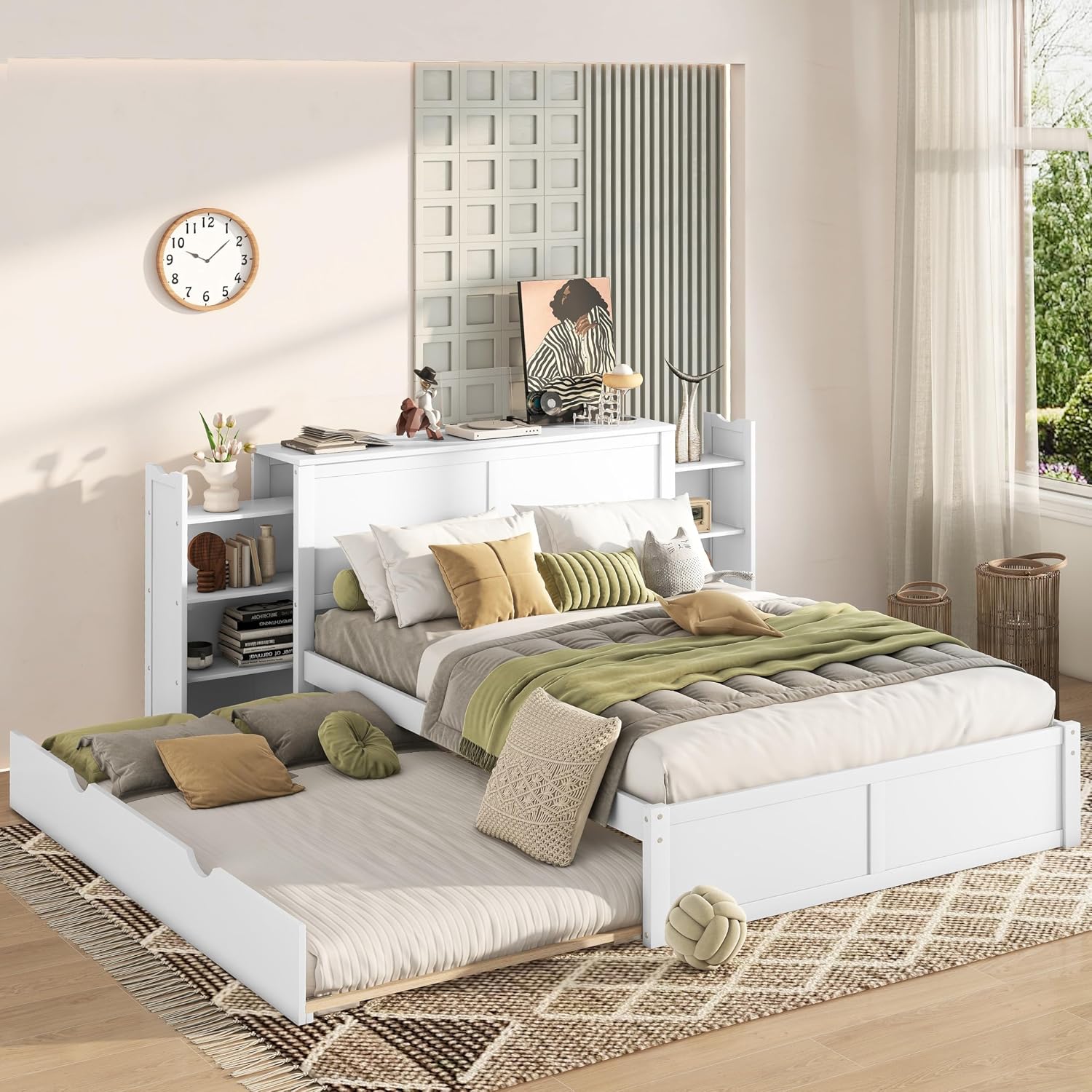
Consider the rotational swing of bedroom doors, the projection of closet sliders, and the placement of stationary furniture like heavy oak dressers or corner desks. If a bedside nightstand sits directly in the path of the rolling trundle, every single sleepover requires intensive furniture rearranging. Mapping the room using painter's tape on the floor before purchasing prevents costly logistical nightmares. Furthermore, ceiling height enters the equation if opting for a pop-up trundle or a daybed configuration, ensuring that seated guests do not bump their heads against sloped attic walls or low-hanging pendant fixtures.
Traffic flow remains another vital consideration. Interior design principles dictate maintaining at least twenty-four to thirty inches of walking clearance around primary furniture paths. When the trundle is fully extended, it effectively consumes the entire floor area of a standard ten-by-ten-foot secondary bedroom. Evaluating how the room functions during the day—when the trundle is stowed—versus late at night ensures the space remains breathable, functional, and aesthetically balanced rather than feeling like an over-stuffed storage locker.
Step-by-Step Implementation and Configuration Methodology
Navigating Common Pitfalls and Field-Tested Workarounds
Economic Value, Longevity, and Sustainable Design
Investing in a high-quality full size bed with trundle system fundamentally alters the long-term utility of a home. From a purely economic standpoint, outfitting a secondary bedroom with this configuration eliminates the need to purchase separate twin beds, bulky sleeper sofas, or expensive Murphy bed installations. Families with growing children find that a full-size upper bed transitions effortlessly from toddler years through teenage independence and eventually into a permanent guest suite for visiting relatives or returning college students.
Sustainability in furniture manufacturing increasingly relies on modularity and repairability rather than disposable consumption. When evaluating brands, prioritize manufacturers who source lumber from certified sustainable forests (such as FSC-certified operations) and utilize non-toxic, low-VOC finishes that do not off-gas harmful chemicals into enclosed bedroom environments. A well-constructed hardwood frame can be disassembled, moved across multiple relocations, and refinished over decades, representing a stark contrast to flat-pack furniture destined for landfills after a single move.
Furthermore, the versatility of these systems impacts real estate staging and property flexibility. In an era where home offices frequently double as guest quarters, maintaining a clean, orderly aesthetic is paramount. A neatly tucked trundle bed completely disappears from view, leaving the room styled for remote work, yoga practice, or creative hobbies. When evening arrives, the hidden infrastructure deploys in less than sixty seconds, proving that efficient design can accommodate complex lifestyle demands without sacrificing aesthetic elegance.
Actionable Recommendations for Savvy Buyers
Approaching the furniture market requires a disciplined filtering process to separate marketing hype from genuine engineering quality. Start by inspecting the slat system of the upper full bed. Slats should be spaced no more than two and a half to three inches apart to provide adequate support for modern foam or hybrid mattresses, preventing sagging and preserving warranty coverage. Avoid beds that rely on flimsy, thin plywood rolls attached with cheap nylon straps; instead, look for bolt-in wooden or metal slats featuring central support legs.
Consider your primary user demographic when selecting mattress combinations. If the lower trundle will be occupied primarily by adults, prioritize a high-density memory foam or latex core that offers superior lumbar support despite its thinner profile. For children's sleepovers, a medium-firm reflex foam strikes an ideal balance between comfort and durability. Additionally, evaluate whether you prefer a headboard with integrated shelving or charging ports, which adds exceptional functional value to small bedrooms lacking surface space for extra nightstands.
Finally, prioritize warranty coverage and customer service reputation. Reputable furniture makers stand behind their mechanical trundle glides and structural frames with multi-year or limited lifetime warranties. Inspect the fine print regarding hardware replacements and shipping policies, as heavy furniture components can be costly to return if manufacturing defects arise. Taking these measured steps ensures your investment delivers dependable comfort, flawless mechanical operation, and timeless style for years to come.
The humble bed remains the anchor of human sanctuary, a quiet retreat where we recover from the demands of daily life and welcome those we care about most. Choosing a full size bed with trundle is an acknowledgement that our homes must adapt fluidly to changing seasons, growing families, and the timeless human desire for connection and hospitality. By looking past surface-level aesthetics and focusing on structural integrity, spatial geometry, and mechanical reliability, you transform a simple piece of furniture into an enduring asset.
As residential architecture continues to trend toward efficient, multi-functional living spaces, innovative engineering in dual-tier sleep systems will only accelerate. The future points toward lighter aerospace-grade alloys, whisper-quiet magnetic glide tracks, and even more intuitive deployment mechanisms that eliminate physical strain entirely. Yet, the core mission remains unchanged: creating a safe, comfortable space for a tired traveler, a sleepy child, or a cherished friend to rest their head when the day is done. Arming yourself with professional knowledge ensures your choices stand the test of time, grounding your home in thoughtful design and enduring hospitality.