Imagine walking into a bedroom that feels instantly grounded yet remarkably weightless. The eye is pulled upward, tracing four vertical posts that anchor the corners of the room, while a soft overhead frame defines a private sanctuary within the larger space. There is a psychological shift that happens when you introduce vertical architecture into a sleeping quarter. It transforms a standard piece of furniture into an imposing, elegant room centerpiece that dictates the entire aesthetic tone of the home.
For centuries, four-poster beds and their overhead canopies served a practical purpose: heavy wool curtains kept out drafts in drafty stone castles, while netting warded off insects in tropical climates. Today, the 4 poster bed canopy frame functions primarily as a masterclass in interior design. It bridges the gap between raw structural engineering and ethereal textile styling. Whether you are looking to upgrade an existing four-poster frame with a custom overhead kit or purchasing a completely integrated system, navigating the market requires a keen eye for materials, weight distribution, and assembly tolerances.
Building or buying a canopy frame is not merely about tossing some fabric over a metal or wooden skeleton. It requires balancing the gauge of the steel or the density of the hardwood against the visual weight of your drapes. A flimsy frame will creak with every shift in sleep, while an over-engineered industrial steel beam might overpower a modest, low-ceilinged suburban bedroom. Balancing these architectural elements requires understanding how vertical lines interact with room proportions, how different joints manage lateral torque, and how to execute an installation that stays rock-solid for years.
The Structural Anatomy of Four-Poster and Canopy Frameworks
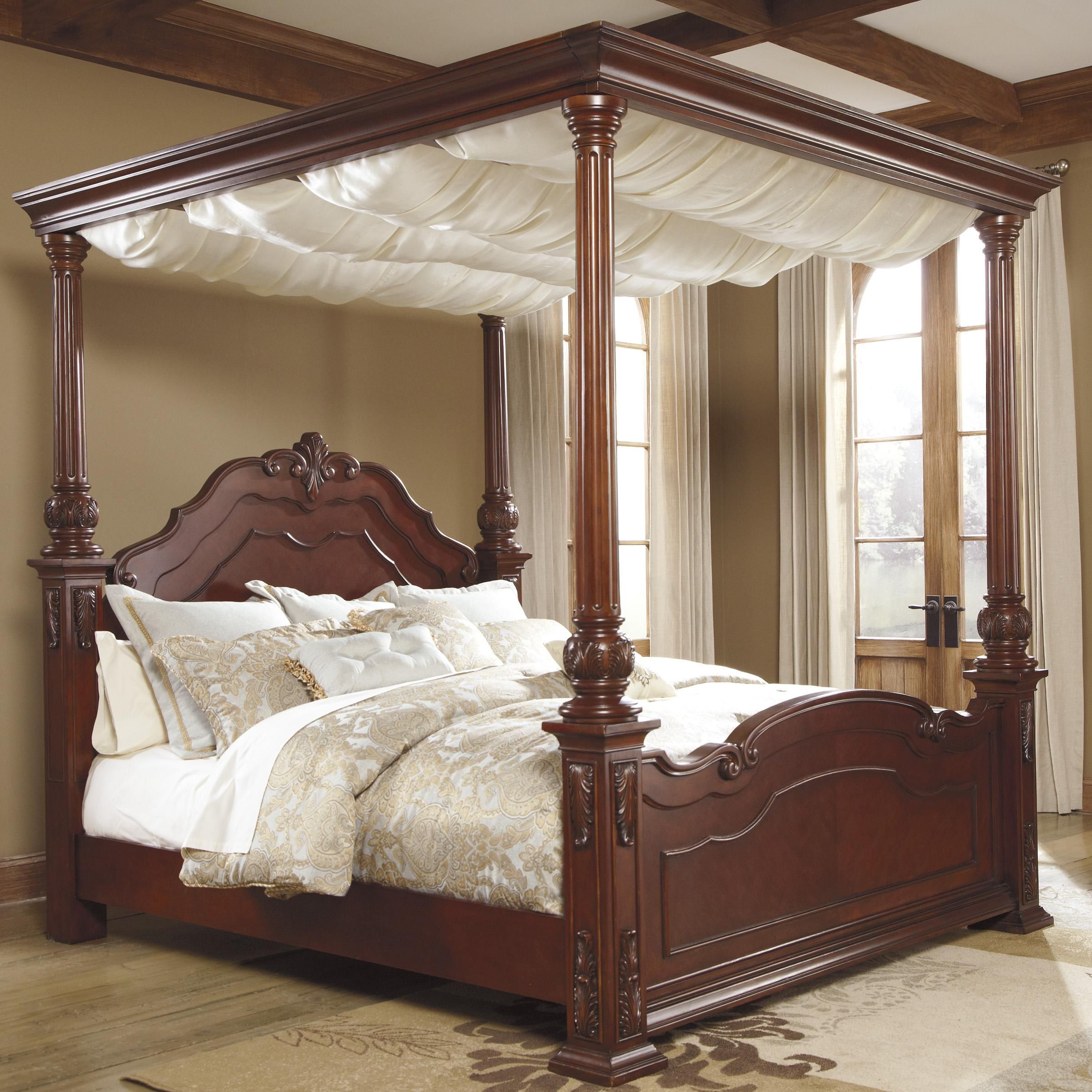
At its core, a 4 poster bed canopy frame relies on vertical load distribution and rigid corner geometry. The four posts act as primary load-bearing columns, rising from the floor to support either an open-air rectangle or an ornate arch overhead. When evaluating these frames, material composition is your first line of defense against structural failure. Heavy-duty options typically feature 16-gauge or thicker carbon steel tubing, or dense, kiln-dried hardwoods like solid white oak, walnut, and plantation-grown pine. Cheaper hollow-tube alternatives often rely on thin, stamped steel that twists under uneven loads or loosens at the joints over time.
Beyond the posts and top rails, joint integrity dictates the longevity of the entire assembly. Traditional woodworking utilizes mortise-and-tenon joinery secured with wooden pins or heavy steel bed bolts, ensuring that lateral forces—such as leaning against a post or getting into bed—do not rack the frame out of square. Modern metal frames rely on internal threaded inserts, interlocking corner brackets, and heavy-duty hex bolts. Many premium 2026 metal canopy frames now incorporate anti-noise strips, usually dense rubber or EVA foam gaskets placed between joint interfaces, to completely eliminate the midnight creaking and squeaking that plagued older models.
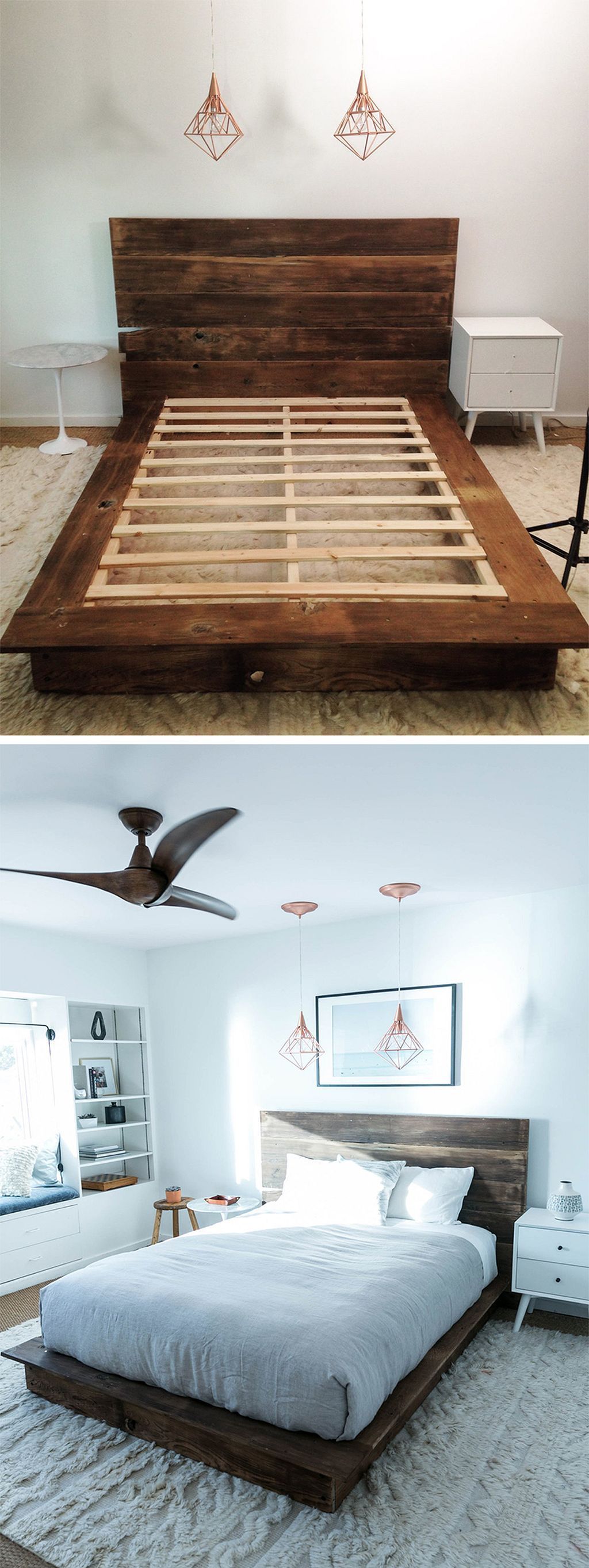
Another critical component is the elimination of the traditional box spring. Most contemporary 4 poster canopy frames are engineered with heavy-duty wooden slats or steel platform cross-bars spaced no more than three inches apart. This modern spacing provides continuous, unyielding support for high-density foam and hybrid mattresses, improving airflow underneath the bed while lowering the overall profile. By removing the bulky box spring, the mattress sits lower within the frame, allowing a greater portion of the vertical posts to remain exposed, which accentuates the dramatic height of the canopy.
Evaluating Materials, Finishes, and Aesthetic Versatility
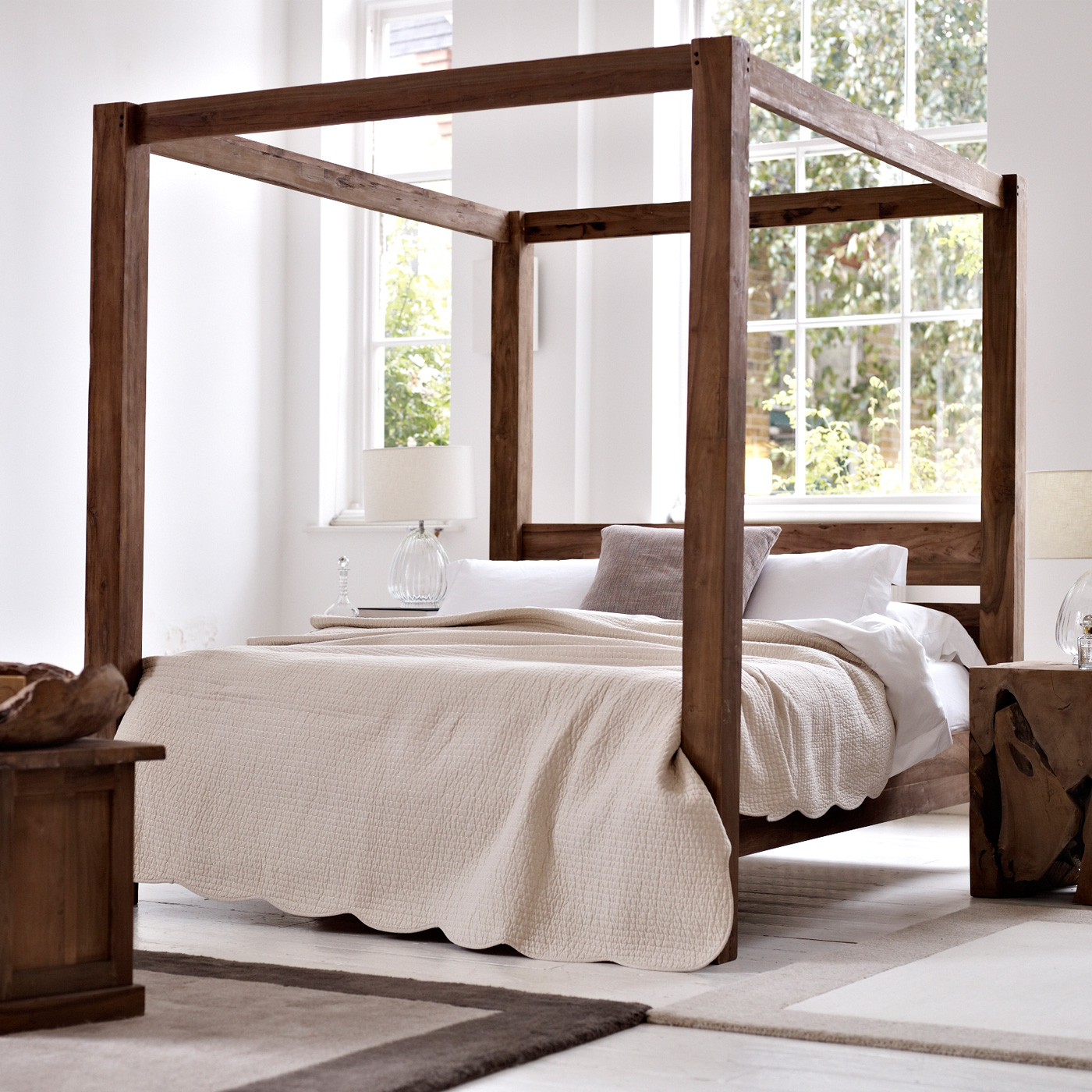
Choosing the right material for your canopy frame involves a delicate trade-off between visual weight, maintenance, and environmental durability. Solid wood frames bring organic warmth, natural grain patterns, and an undeniable sense of timeless luxury into a room. Oak and walnut absorb ambient light, creating a cozy, intimate atmosphere that leans toward traditional, rustic, or modern farmhouse aesthetics. However, solid wood is sensitive to drastic humidity fluctuations, which can cause minor expansion or contraction in the joints over several seasons.
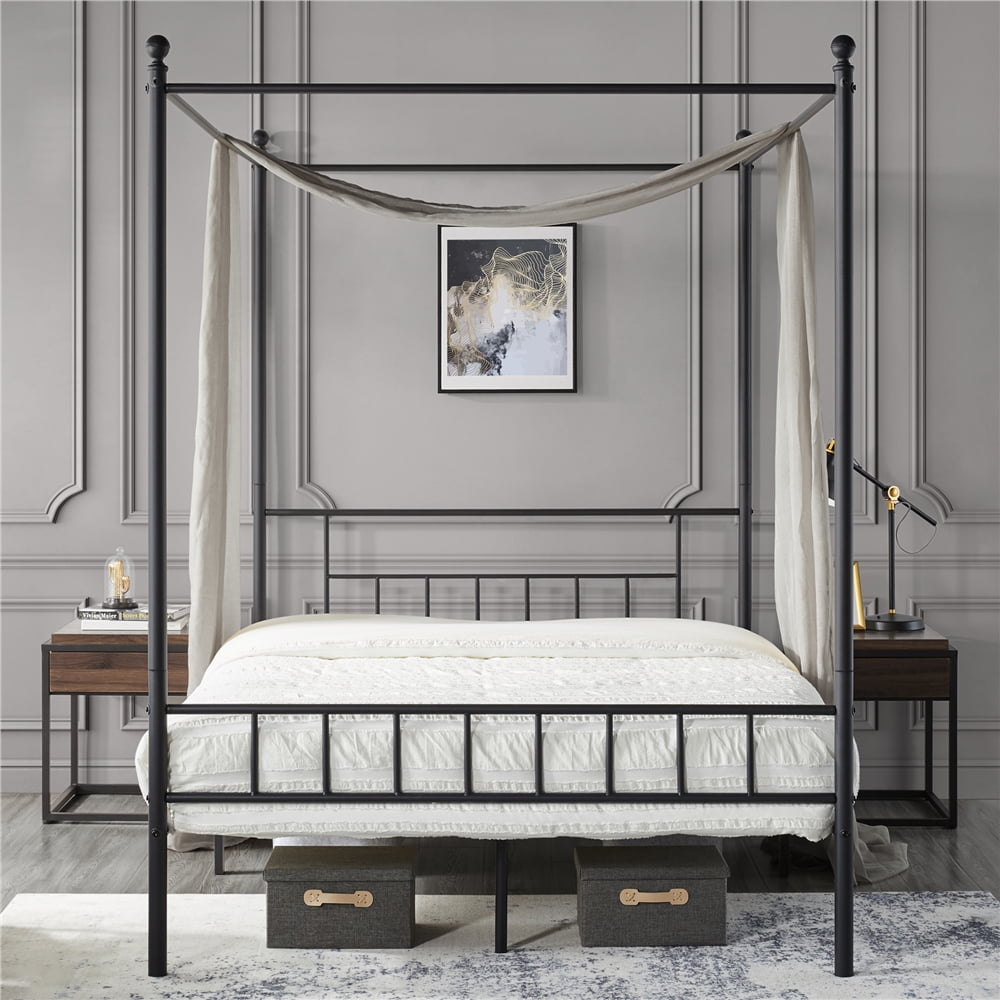
On the other end of the spectrum, powder-coated steel and wrought iron frames offer clean, razor-thin profiles that dominate contemporary, industrial, and minimalist spaces. A matte black steel canopy frame introduces striking geometric contrast against light-colored walls, drawing the eye upward without making a small room feel boxed in. Powder-coating provides a durable, scratch-resistant finish that resists chipping and rust, making it exceptionally low-maintenance compared to raw metals or polished brass. Brass and brushed nickel finishes, meanwhile, introduce a touch of mid-century glamour or art deco sophistication, reflecting natural light from windows and table lamps.
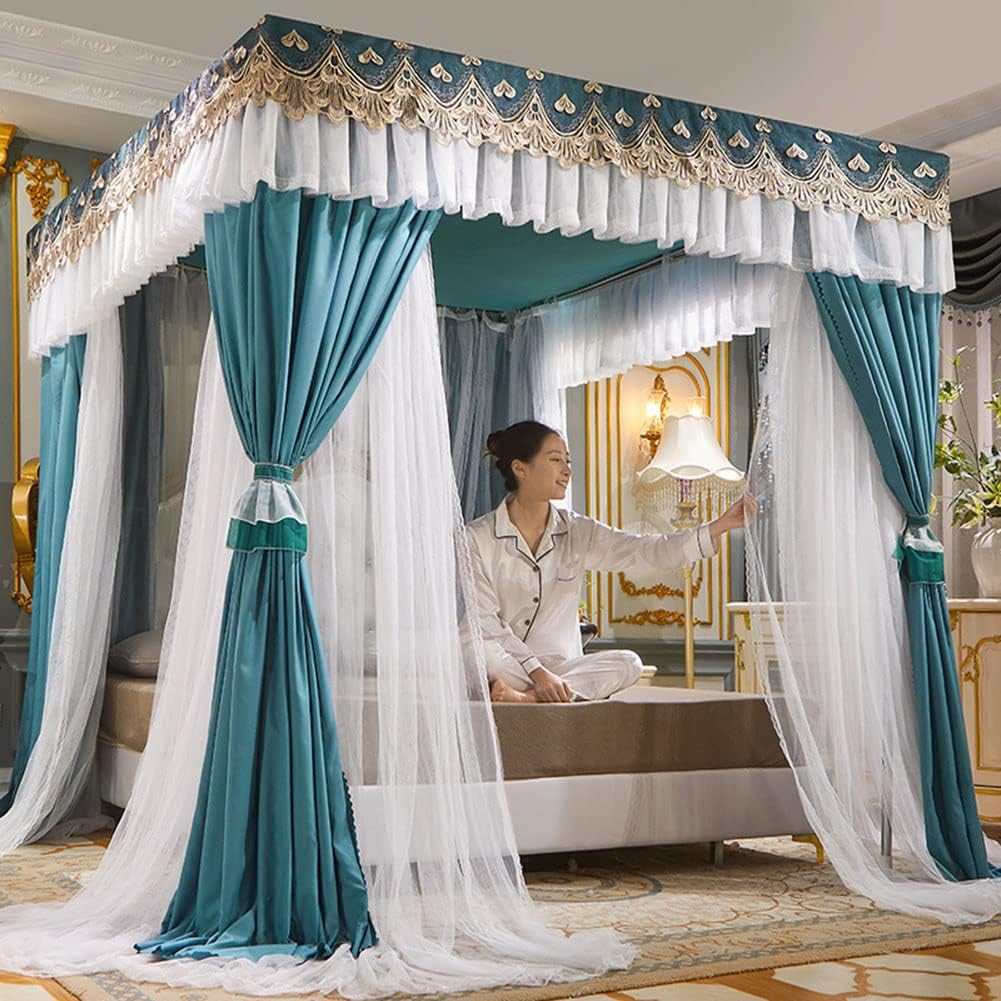
Styling the frame requires understanding how the skeleton interacts with soft furnishings. An open-air metal frame looks entirely intentional left completely bare, highlighting its architectural lines like a piece of modern sculpture. Conversely, heavy wooden frames practically demand textiles to soften their visual impact. Draping sheer linen, textured cheesecloth, or heavy velvet panels across the top rails transforms the bed into a cocoon of privacy. The secret lies in the hardware selection: curtain rings that glide silently on polished rods, or integrated fabric channels that completely conceal the top frame for a seamless, cloud-like drape.
Step-by-Step Methodology for Installing and Draping Your Canopy Frame

Executing a flawless canopy setup requires methodical preparation, patience, and ideally a second pair of hands. Rushing through the mechanical assembly often results in an out-of-square frame that binds when you try to lock the final corner bolts. Follow this field-tested blueprint to ensure a safe, rigid, and aesthetically balanced installation from the floor up.
Common Pitfalls and Field-Tested Workarounds
Even experienced DIYers and interior enthusiasts occasionally stumble when wrestling with tall, rigid furniture structures. Recognizing these common traps before you pick up a wrench will save you hours of frustration and prevent structural damage.
The Broader Impact: Spatial Psychology and Bedroom Architecture
The resurgence of the four-poster canopy bed in modern interior design points to a deeper psychological shift. In an era dominated by screens, open-concept living, and constant digital connectivity, the bedroom has evolved into the ultimate sanctuary. A canopy frame physically delineates a room within a room, establishing a psychological boundary that signals to the brain it is time to unwind. By creating a distinct overhead ceiling above the bed, the frame mimics the evolutionary comfort of a sheltered sleeping alcove, drastically lowering cortisol levels and promoting deeper, more restorative rest.
From an architectural perspective, canopy beds act as vertical anchors in otherwise horizontally-oriented rooms. Modern architecture often emphasizes sprawling floor plans, wide windows, and low-slung furniture. Introducing four soaring vertical posts restores a vertical rhythm to the space, balancing out the room's proportions. This architectural trick is particularly effective in spaces with vaulted or high ceilings, where an ordinary bed can look lost and insignificant. The canopy bridges the vast gap between the mattress and the ceiling, pulling the entire room together into a cohesive visual composition.
Furthermore, investing in a high-quality, modular 4 poster bed canopy frame is a sustainable design choice. Unlike trendy, fast-furniture pieces that end up in landfills after a couple of moves, a well-built steel or solid hardwood frame can be disassembled, transported, and reconfigured across multiple homes and design eras. Changing the aesthetic is as simple as swapping out raw linen drapes for moody velvet panels, or removing the fabric entirely to reveal a sleek, minimalist industrial skeleton. This longevity makes the canopy frame a foundational investment piece that adapts to your changing tastes over decades.
Actionable Recommendations and Key Takeaways
To ensure your investment in a 4 poster bed canopy frame yields both aesthetic brilliance and long-term durability, keep these core principles at the forefront of your decision-making process:
The journey of selecting and installing a 4 poster bed canopy frame is ultimately about intentional living. It is about taking a utilitarian necessity—a place to sleep—and elevating it into a personal architectural monument. By paying close attention to the structural integrity of your frame, honoring the spatial proportions of your room, and thoughtfully selecting your materials, you create a space that feels deeply personal, protected, and timeless.
As interior trends continue to champion sanctuary-style living and multi-functional spaces, the canopy bed remains an undisputed master of bedroom design. It is a bold declaration that your resting space deserves the same architectural consideration and artistic reverence as the finest rooms in your home. Take your time with the measurements, respect the assembly instructions, and enjoy the transformative power of vertical design.