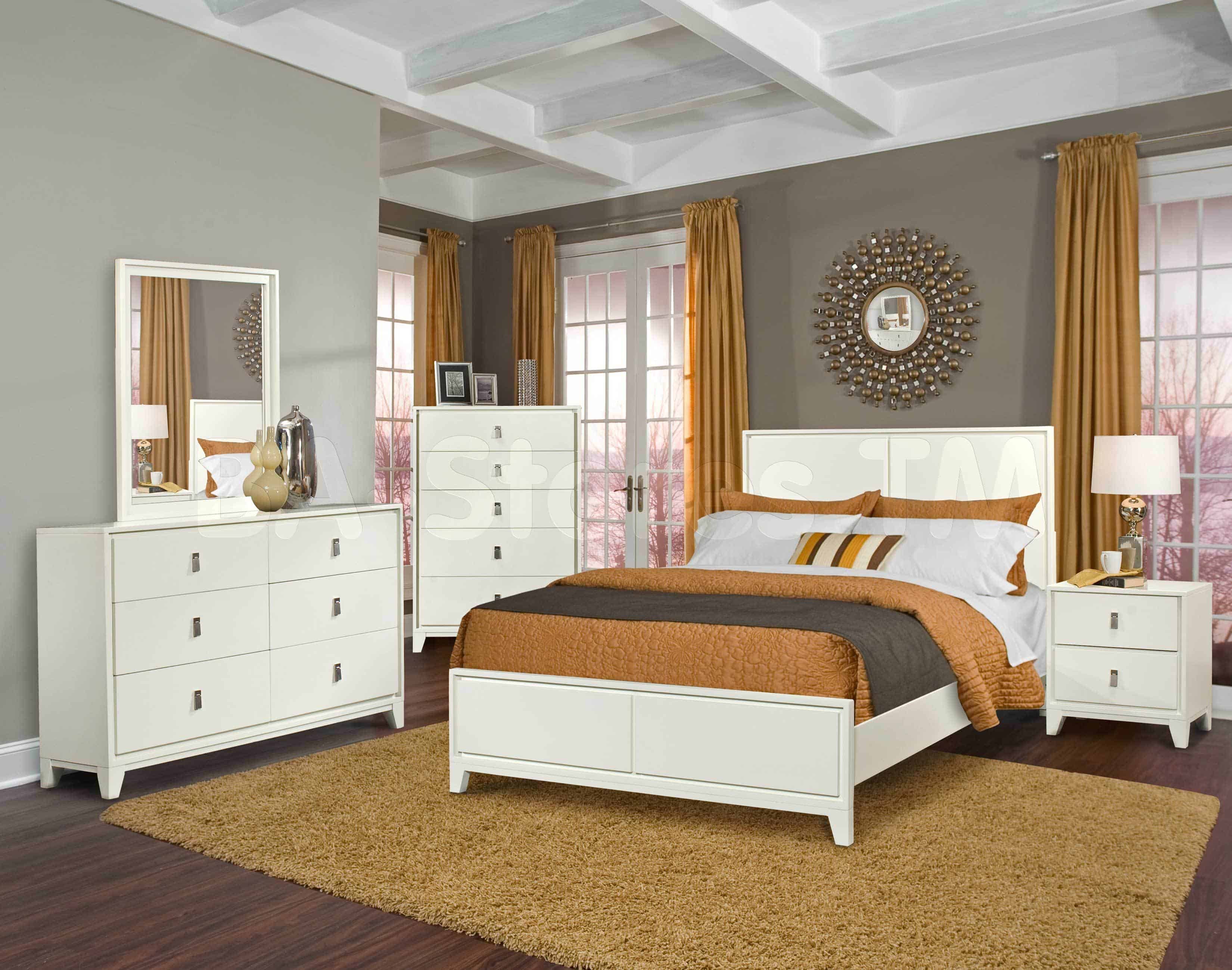
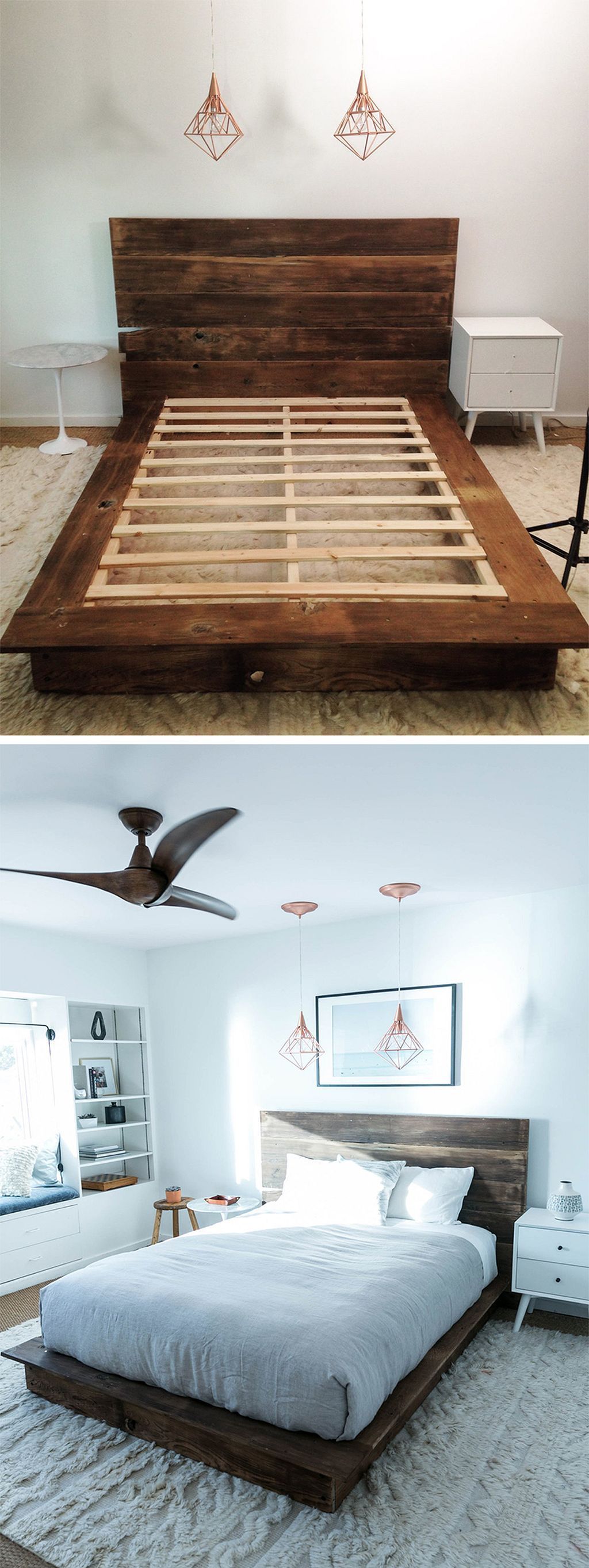
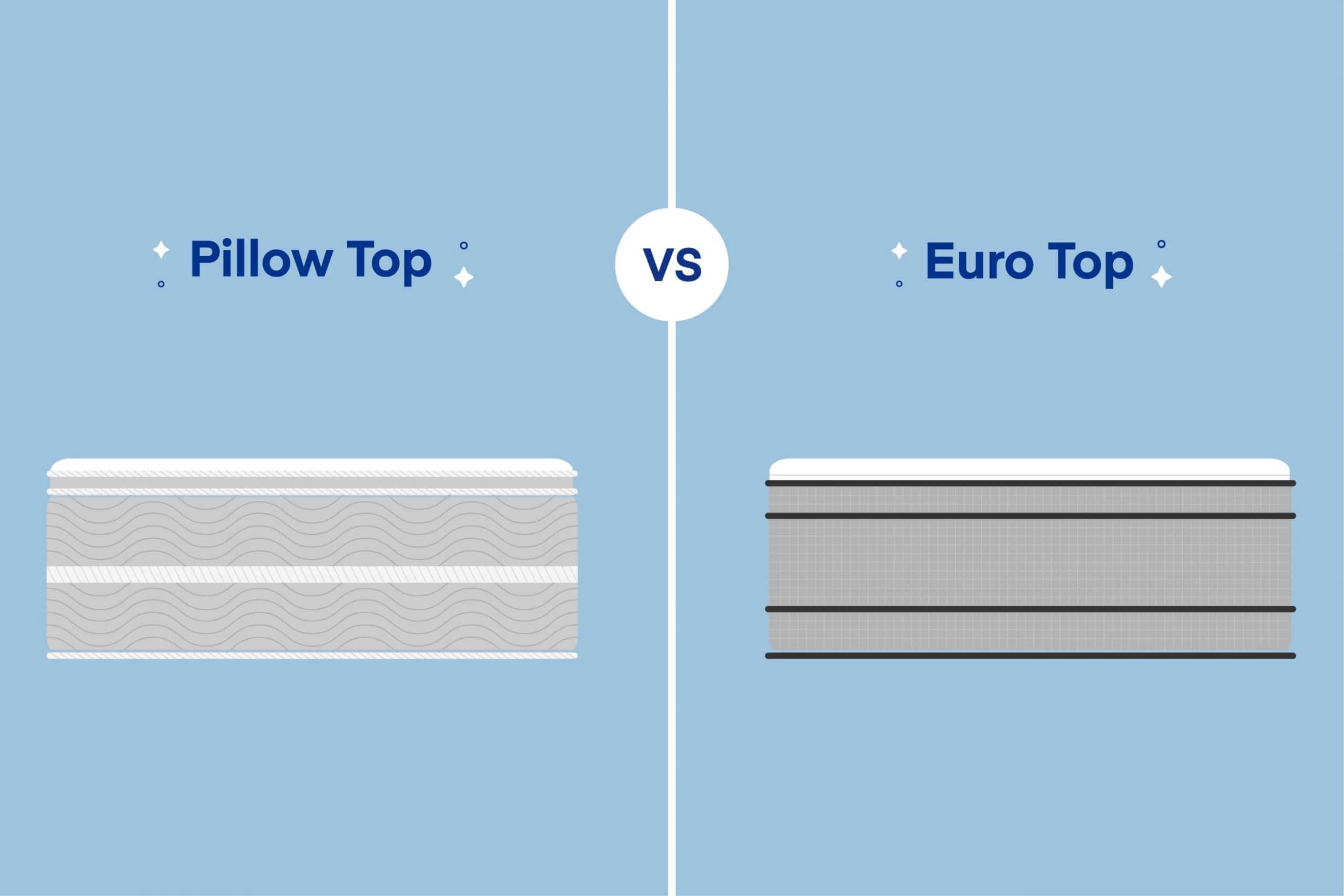
Late on a Tuesday night, bedroom ergonomics usually boil down to a simple, frustrated calculation: how to fit sanity, comfort, and a functional aesthetic into 120 square feet of rented floor space. The full-size bed—historically known as the double bed—occupies a unique sweet spot in modern interior design. It respects tight footprints while granting enough lateral room for an adult to sleep without hugging the centerline. Yet, the literal bones of this sleep sanctuary, the bed frame itself, often get treated as an afterthought. Boxed furniture arrives on the doorstep in heavy cardboard cartons, promising effortless weekend assembly, only to wobble, creak, or clash violently with existing hardwood floors the moment the hex wrench hits the final screw.
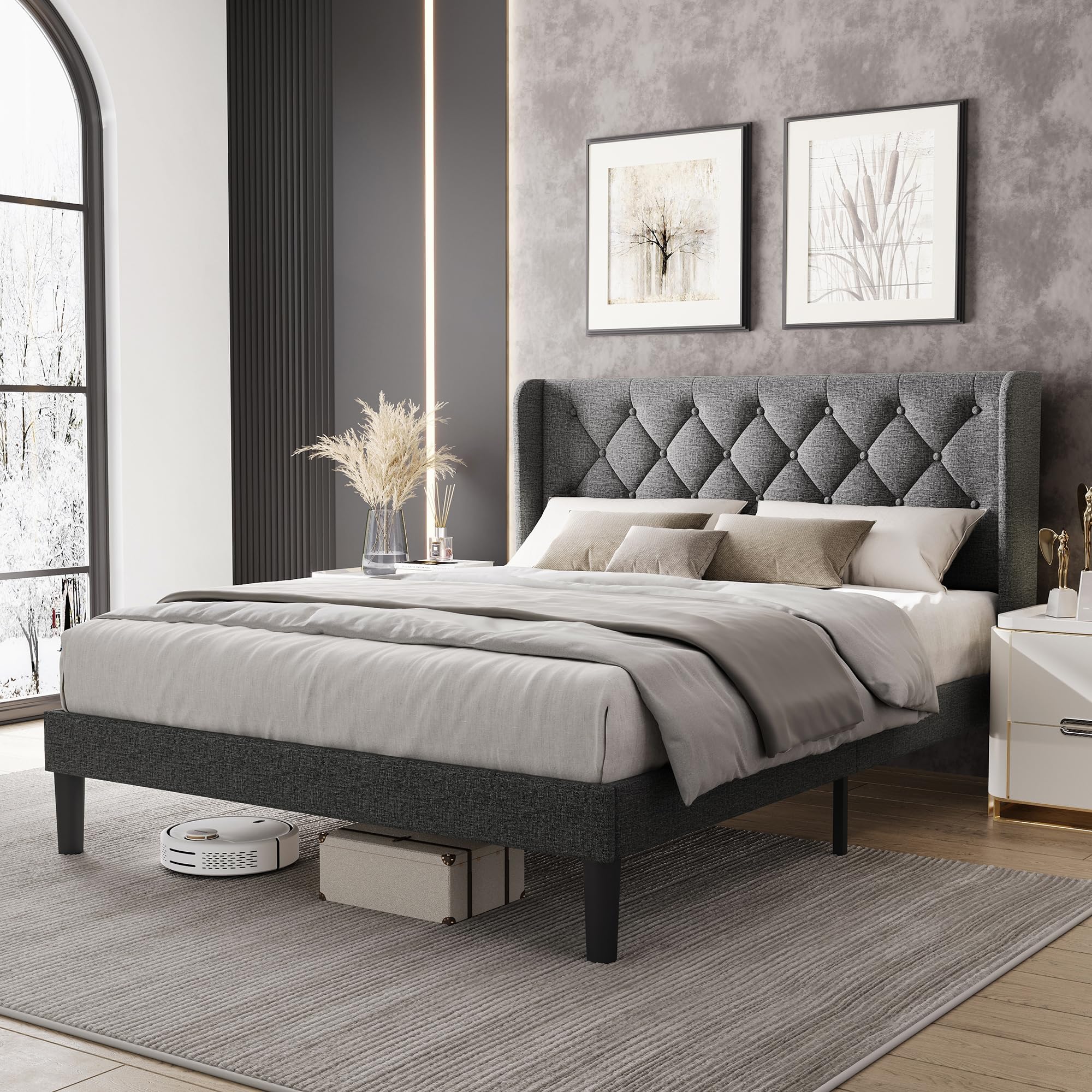
Enter the grey full size bed frame. Far from a boring, institutional compromise, grey has evolved into the reigning neutral of contemporary residential design. It bridges the stark coldness of industrial black iron and the fleeting warmth of dated wood stains. Whether rendered in textured charcoal tweed, cool slate velvet, or matte industrial powder-coated steel, a grey foundation acts as a visual anchor. It flexes effortlessly across design eras—from mid-century modern to Scandinavian minimalist to urban industrial. However, navigating the modern marketplace of online furniture retailers, big-box home improvement stores, and specialty sleep brands requires more than just picking a pretty fabric swatch online.
Understanding the structural anatomy, material integrity, and spatial geometry of a full-size frame changes the entire buying process. A standard full-size mattress measures precisely 54 inches wide by 75 inches long, but the footprint of the frame can fluctuate wildly depending on whether you choose a low-profile platform, a winged upholstered headboard, or a heavy-duty storage base with under-bed drawers. Weight capacities range from a fragile 300 pounds to a robust 1,000 pounds reinforced by center support legs and heavy-gauge steel slats. Sorting through these specifications prevents squeaky joints, sagging mattresses, and costly returns.
Deconstructing the Anatomy of a Modern Full-Size Bed Foundation
The structural reliability of any bed frame depends entirely on how load is distributed from the mattress down to the subfloor. A full-size mattress concentrates weight over a 54-by-75-inch surface area, but human movement introduces dynamic forces—rolling, sitting on the edge, or climbing in at the end of a long day. Traditional frames relied heavily on a separate box spring to absorb these shocks, but contemporary grey full size bed frames increasingly favor platform designs with built-in wooden or metal slat systems. These slats eliminate the added expense and height of a box spring, lowering the overall profile of the bed while improving airflow beneath the mattress to prevent moisture accumulation.
Material selection dictates both the physical lifespan and the visual weight of the furniture piece within a room. Upholstered frames wrapped in woven polyester, linen-look fabrics, or performance velvets offer tactile comfort, softening the acoustics of bedrooms with hard flooring by absorbing sound waves. The underlying framework for these upholstered options typically consists of kiln-dried pine, engineered plywood, or tubular steel. Steel frames, finished in matte or gunmetal grey powder coats, lean heavily into industrial aesthetics while providing exceptional resistance to humidity and warping. Solid wood frameworks stained in weathered grey washes offer a hybrid appeal, showcasing natural grain patterns while maintaining a cool, neutral palette.
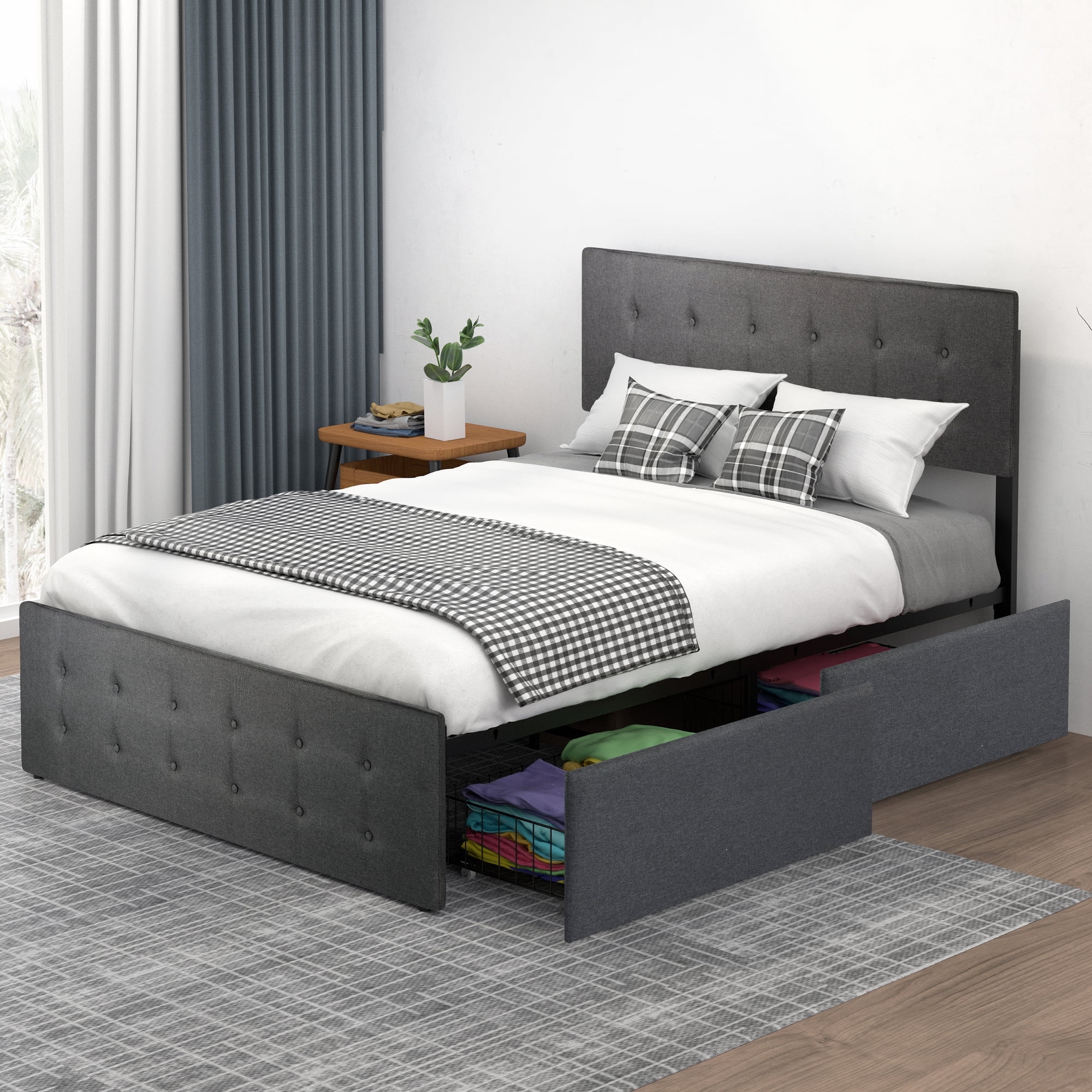
Center support legs are non-negotiable structural components for full-size frames. Unlike twin beds, which span a narrower width and rarely suffer from sag, full beds can dip in the middle over time if the slats lack a vertical center rail supported by adjustable feet. When evaluating options, look for frames featuring heavy-duty steel center beams tied into at least two or three vertical floor-touching legs. This prevents the frame from twisting under uneven loads and preserves the structural integrity of both memory foam and inner-spring mattresses.
Navigating Materials, Finishes, and Spatial Geometry in Small Spaces
Selecting a grey frame requires a nuanced understanding of tone and texture. Grey is rarely a single flat color; it possesses distinct undertones. Warm greys lean toward taupe and brown, harmonizing with honey oak floors, warm brass hardware, and terracotta accents. Cool greys carry blue or green undertones, pairing brilliantly with brushed nickel, crisp whites, and charcoal textiles. Charcoal and slate finishes project a dramatic, grounding presence, making a bedroom feel intimate and cocoon-like. Light dove grey or heather grey frames reflect ambient light, making cramped rooms feel noticeably more expansive and airy.
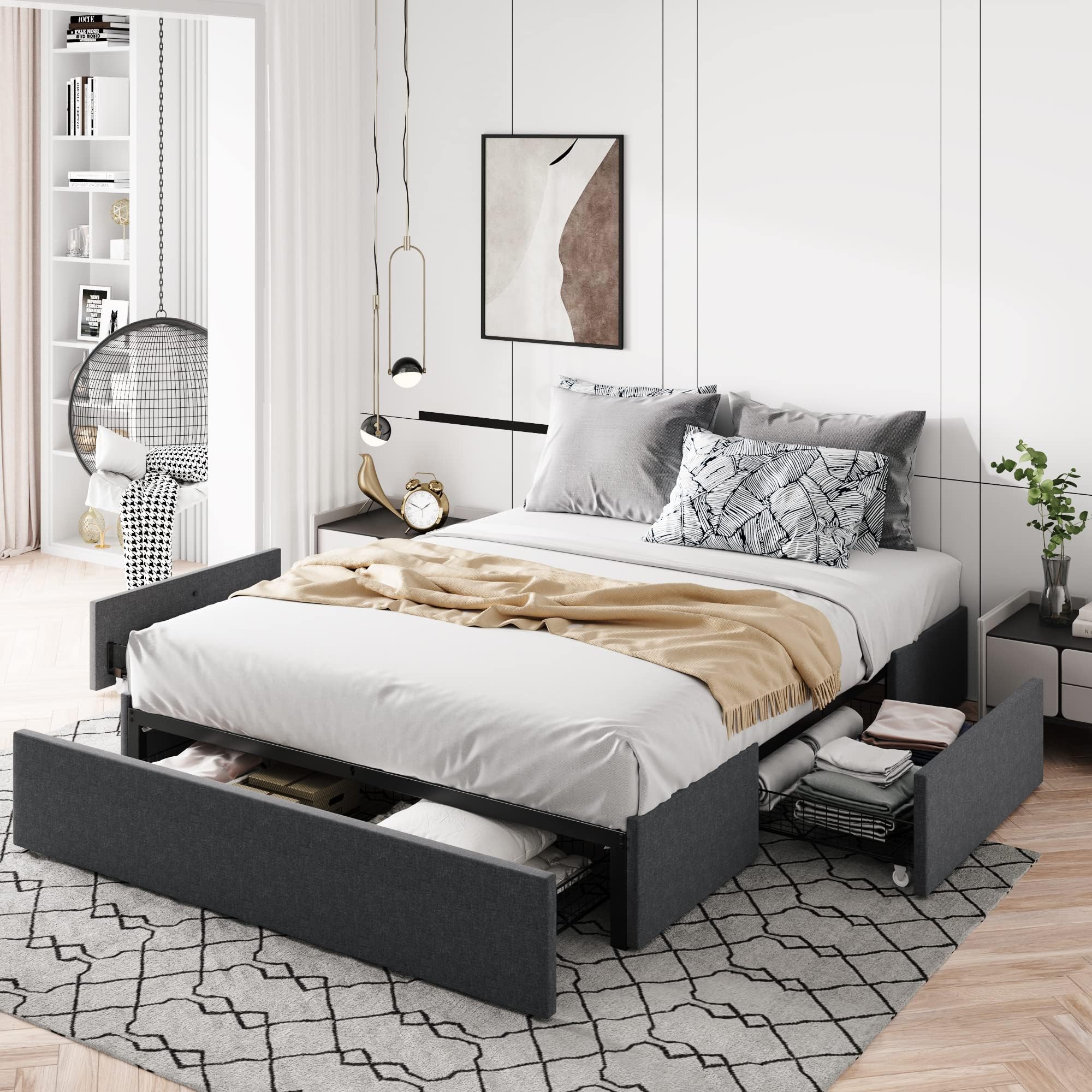
Spatial geometry dictates how the bed interacts with doors, windows, and closets. A full-size bed frame requires a minimum bedroom size of roughly 10 by 10 feet to allow comfortable clearance for walking paths and opening nightstand drawers. When measuring your room, account for the frame's headboard thickness and footboard projection. Low-profile platform frames with recessed legs eliminate bruised shins in tight quarters, while platform styles featuring integrated hydraulic storage lifts or pull-out drawers reclaim the dead space underneath the mattress. This under-bed real estate proves invaluable for storing seasonal wardrobes, spare duvets, or luggage without crowding closet space.
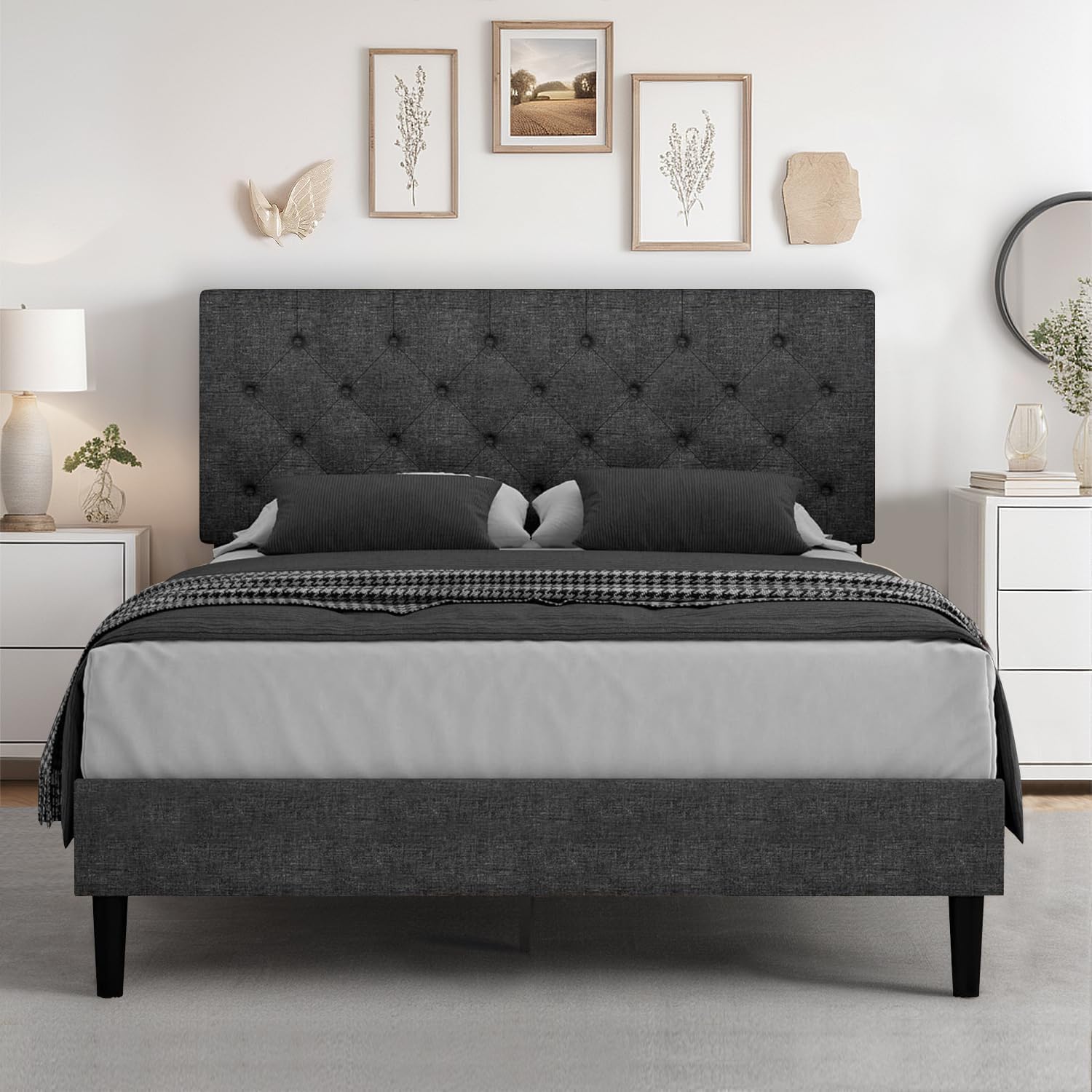
Visual weight also plays a psychological role in room layout. An upholstered wingback grey bed frame with deep diamond tufting commands visual attention, functioning as the undisputed focal point of the room. Conversely, a minimalist grey metal wire frame practically disappears against a white or pale grey wall, maintaining an open sightline that enhances the perception of square footage. Aligning the physical scale of the bed with the architectural proportions of the room prevents the furniture from overwhelming the space or looking lost in a cavernous master bedroom.
Step-by-Step Methodology for Selecting and Setting Up Your Bed Frame
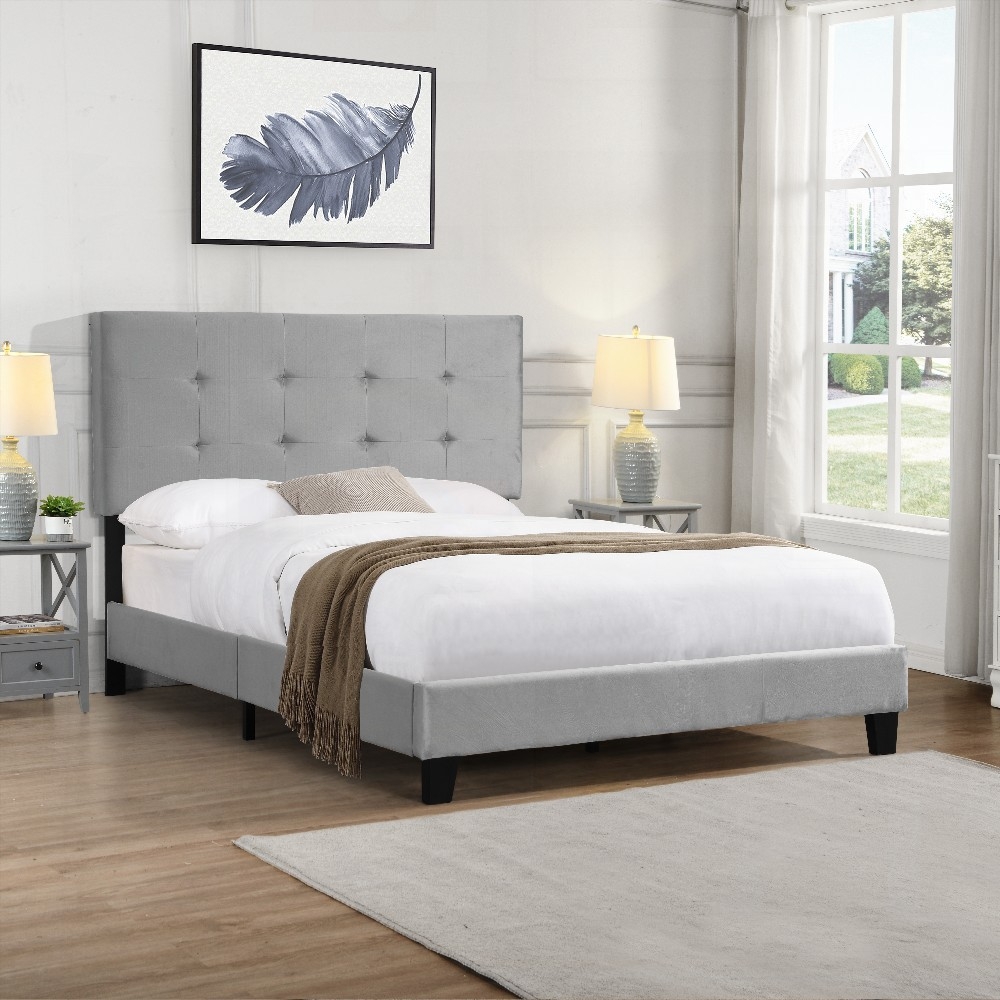
Bringing a new bed frame into your home demands a methodical approach, from initial dimensional auditing to final hardware tightening. Skipping steps often leads to structural instability, cosmetic damage, or the dreaded midnight squeak.
Identifying Common Pitfalls and Implementing Field-Tested Workarounds
Even high-end furniture can present assembly challenges or develop annoying operational quirks over time if certain preventative measures are ignored during setup.
The Broader Context of Bedroom Ergonomics, Material Sustainability, and Longevity
Investing in a quality bed frame extends far beyond simple interior styling; it directly impacts sleep hygiene, indoor air quality, and consumer sustainability. Poorly constructed frames manufactured with high-VOC particle board and toxic glues off-gas volatile organic compounds into enclosed bedroom spaces where sleepers spend a third of their lives. Selecting frames certified by organizations such as GREENGUARD or constructed from solid FSC-certified pine, reclaimed hardwoods, and heavy-gauge recyclable steel mitigates indoor air pollution while supporting responsible forestry practices.
Ergonomics also plays an understated role in daily well-being. A bed frame positioned at an optimal height—typically between 18 and 24 inches from floor to mattress top—simplifies the biomechanics of getting in and out of bed, reducing strain on lumbar and knee joints. Furthermore, elevated platform designs promote continuous air circulation beneath the mattress. Trapped body heat and nocturnal perspiration require adequate ventilation to prevent mold, dust mite proliferation, and structural degradation of foam cores.
The economic lifecycle of furniture deserves equal consideration in an era dominated by disposable flat-pack goods. Choosing a robust grey full size bed frame engineered with bolted mechanical joints rather than cam-locks or plastic brackets ensures the piece can withstand multiple apartment moves, disassembly cycles, and re-configurations. This durability represents a shift away from fast-furniture culture toward enduring utility, reducing landfill waste and offering long-term financial value.
Actionable Recommendations for Curating Your Sleep Sanctuary
Maximizing the impact of a grey full-size bed frame requires a deliberate approach to textile layering, lighting integration, and spatial flow. Because grey acts as a chromatic chameleon, it invites experimentation with seasonal color palettes and contrasting textures that elevate the bedroom from a purely functional room to a restorative retreat.
The humble bed frame remains the silent workhorse of domestic life, bearing the weight of our rest, recovery, and private moments. Choosing a grey full size bed frame is an exercise in balancing timeless utility with modern design sensibilities. By prioritizing structural integrity—such as robust center support legs and squeak-mitigating slat systems—you transform a basic piece of furniture into a reliable foundation for daily wellness.
As residential spaces continue to shrink and evolve, versatile furniture that respects both human ergonomics and environmental sustainability will define thoughtful interior design. Armed with a clear understanding of materials, dimensions, and assembly mechanics, you can curate a bedroom sanctuary that is as structurally sound as it is visually grounding. The right frame does not merely hold a mattress; it anchors the room, offering a quiet, steadfast refuge at the end of every demanding day.