Crawling up an aluminum or wooden ladder in the pitch dark to wrestle a sprawling, heavy king-sized comforter onto a top bunk is a uniquely frustrating domestic ritual. Anyone who has ever tried to tuck oversized hospital corners on a narrow mattress suspended five feet in the air knows the physical strain involved. You sweat, you stretch, and twenty minutes later, you step back to look at your handiwork, only to watch the heavy duvet slide off the edge and drape awkwardly over the ladder rungs.
Standard bedding simply refuses to cooperate with the unique geometry of elevated sleeping platforms. Bunk beds, loft setups, trundles, and tight camper quarters demand an entirely different approach to textile management. The mattress dimensions are often non-standard, the clearance to the safety rails is minimal, and the physics of gravity working against loose fabric create a perpetual mess. Solving this puzzle requires moving away from traditional, oversized department store linens and embracing specialized bed covers engineered specifically for the vertical architecture of modern shared rooms.
The evolution of bunk bed accessories over the past few years reflects a broader design shift toward functional minimalism and spatial efficiency. Whether you are outfitting a vacation rental cabin, designing a compact children's bedroom, or maximizing square footage in an RV, selecting the right bed covers changes everything. This comprehensive guide explores the structural mechanics, material sciences, and practical installation methods required to keep bunk beds looking immaculate and sleeping comfortably.
Why Standard Bedding Fails on Elevated Platforms and How Specialized Covers Fix the Problem

The fundamental mismatch between conventional bedding and bunk beds lies in standard sizing metrics and drape physics. Traditional comforters and flat sheets are intentionally oversized to hang down the sides of a box spring and floor-standing frame. On a standard bed, this generous overhang adds a plush, luxurious aesthetic. On a bunk bed, however, that exact same overhang becomes a dangerous safety hazard and a major visual nuisance. Excess fabric drapes directly into the face of whoever is sleeping on the bottom bunk, blocks airflow, creates tripping hazards around access ladders, and gets perpetually trapped in wooden guardrail gaps.
Furthermore, the physical act of tucking in sheets on a top bunk is severely restricted by perimeter walls and safety rails. You cannot walk around the bed. You are forced to lean awkwardly over a narrow barrier, tugging blindly at stubborn corners that slip loose the moment weight is applied to the mattress. This is where specialized bed covers, such as fitted comforters, bunk huggers, and zippered bedding sets, completely revolutionize the space. These products are engineered with tailored corners, elasticized hems, or integrated zippers that lock the textile skin directly to the mattress perimeter.
By eliminating loose fabric wings, specialized bed covers stay rigidly in place even when children toss and turn violently throughout the night. The reduction in loose fabric also drastically cuts down the time required to make the bed each morning. Instead of a grueling ten-minute wrestling match involving heavy blankets and multiple layers of unmanageable sheets, making a top bunk becomes a simple, thirty-second task of pulling a tailored cover or zipping a unified system into place. This structural shift not only saves time but fundamentally changes how clean and orderly a shared bedroom feels on a day-to-day basis.
Anatomy of Superior Bunk Bed Protection: Materials, Waterproofing, and Breathability

Selecting a bed cover for an elevated sleeping platform involves balancing two competing priorities: robust mattress protection and skin-friendly breathability. Because bunk beds are frequently utilized in children's rooms, college dormitories, and multi-use guest spaces, the underlying mattresses face heavy exposure to spills, sweat, allergens, and general daily wear. A high-quality mattress cover acts as the first line of defense, but cheap synthetic protectors often trap body heat, creating a clammy, uncomfortable sleep environment that disrupts restorative rest.
Modern material science has addressed this issue through advanced composite textiles. The gold standard for bunk bed protection typically features a multi-layered design. The top surface consists of a soft, moisture-wicking knit—such as organic cotton terrycloth or bamboo-derived rayon—that feels luxurious against the skin and absorbs ambient perspiration. Beneath this comfort layer lies a micro-porous waterproof membrane, often constructed from polyurethane. Unlike old-school vinyl backings that crinkle loudly with every movement and trap 100 percent of body heat, high-grade polyurethane membranes allow microscopic air vapor molecules to escape while completely blocking liquid moisture, dust mites, and pet dander from penetrating the mattress core.
When evaluating material options, it is also essential to consider institutional-grade durability. Bunk bed covers undergo aggressive washing cycles, especially in rental properties or large families. Look for textiles featuring reinforced serged seams, heavy-duty industrial elastic bands measuring at least one inch in width, and shrink-resistant pre-shrunk cotton or polyester blends. Checking for certifications like OEKO-TEX Standard 100 ensures that the fabrics are free from harmful chemical residues, safeguarding sensitive skin during hours of close contact.
Step-by-Step Installation and Custom Fitting Methodologies for Tighter Spaces
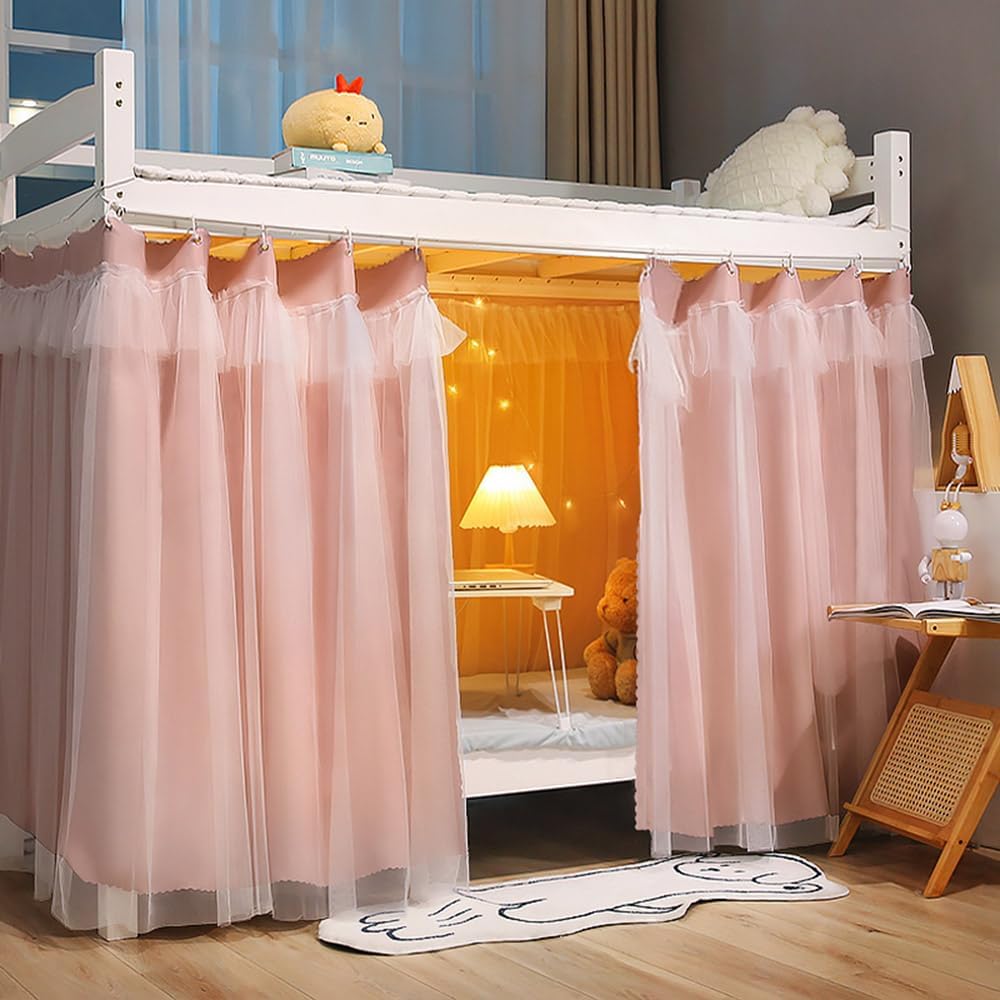
Achieving a crisp, hotel-quality aesthetic on a bunk bed requires precise measurement and strategic installation techniques. Because mattress thicknesses on bunks vary wildly—ranging from slim four-inch foam pads in RVs to standard eight-inch innersprings in residential homes—off-the-shelf covers often bunch up or slide off if pocket depths are miscalculated. Follow this structured methodology to achieve a permanent, snug fit that never shifts out of alignment.
Common Pitfalls, Sizing Traps, and Field-Tested Practitioner Workarounds
Even experienced homeowners frequently make predictable mistakes when outfitting bunk beds. Understanding these common traps saves both money and frustration, ensuring that your bedding investment lasts for years without premature failure or functional headaches.
Long-Term Maintenance, Hygiene Protocols, and Material Longevity

Maintaining a clean and hygienic sleep environment on bunk beds requires a proactive, structured maintenance schedule. Because upper bunks naturally trap warmer air rising within a room, mattresses in these positions are more susceptible to ambient moisture accumulation and dust mite proliferation than ground-level beds. Establishing a consistent washing routine protects your financial investment in high-end bedding and ensures a healthier sleeping space for children or guests.
Protective mattress covers and fitted huggers should ideally be laundered every two to three weeks, while full mattress encasements should be unzipped, inspected, and wiped down or washed every three to six months. When laundering waterproof covers, strict adherence to manufacturer care instructions is paramount. High heat is the primary enemy of polyurethane waterproof membranes; tumble drying on high or ironing will melt the microscopic pores, permanently destroying the waterproof barrier. Always tumble dry on low or line-dry in the shade.
Beyond washing frequency, rotating the mattresses every six months prevents uneven compression, especially in multi-user environments where younger or lighter sleepers occupy one bunk while heavier guests utilize another. Pairing regular rotation with breathable, antimicrobial bed covers ensures that the underlying support core remains fresh, supportive, and free from unpleasant odors for a decade or more.
Strategic Buying Frameworks: Balancing Cost, Aesthetics, and Practicality
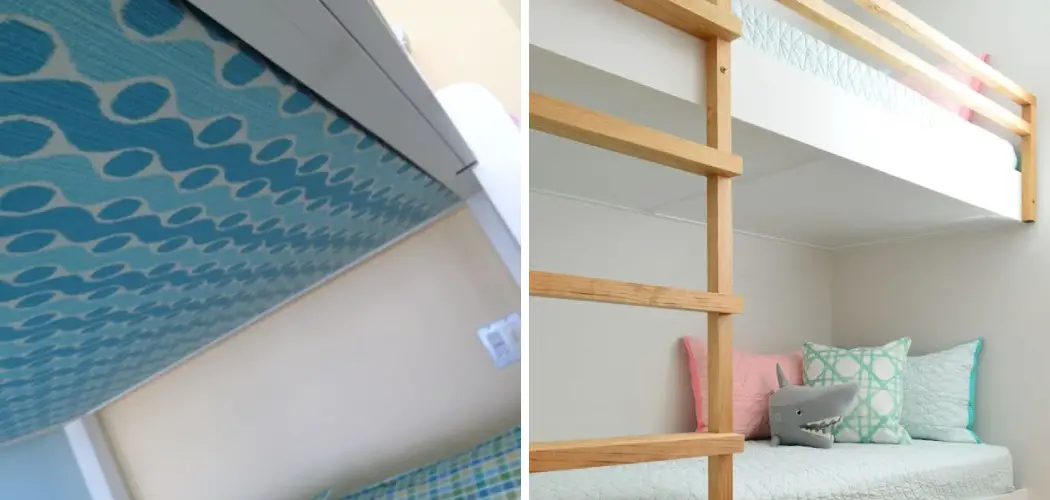
Navigating the crowded market of bunk bed accessories requires a clear decision-making framework. When shopping for bed covers, prioritize utility and safety over purely decorative aesthetics. A gorgeous decorative quilt is useless if it creates a safety hazard by draping over ladder rungs or slips off the mattress every single night.
Begin your selection process by assessing the primary user demographic. If the bunk beds are intended for young children, prioritize heavy-duty waterproofing, stain-resistant treatments, and simple slip-on designs that make midnight sheet changes effortless for parents. If the bunks are located in a vacation rental or guest cabin, focus on commercial-grade durability, neutral color palettes that hide minor wear, and wrinkle-resistant microfiber or percale cotton blends that look pristine without requiring ironing.
Finally, evaluate the total cost of ownership. While specialized bunk huggers and custom fitted bedding systems often carry a slightly higher upfront price tag than standard retail twin sheets, their ability to stay securely in place, reduce physical strain during bed-making, and extend the lifespan of expensive mattresses makes them a deeply cost-effective investment over the long run.
Transforming a frustrating, cluttered bunk bed setup into a streamlined, low-maintenance sleeping station is entirely achievable when you apply the right structural tools and material knowledge. By swapping out oversized, unmanageable linens for precision-engineered fitted covers, bunk huggers, and breathable protectors, you eliminate daily bed-making friction and drastically improve room safety.
As shared spaces continue to evolve in modern home design, prioritizing smart, functional textiles ensures that every square foot of your living environment works harder and smarter for you. Take a moment to evaluate your current bunk bed setup today, measure your mattress profiles accurately, and make the switch to specialized covers that combine effortless maintenance with uncompromising comfort.