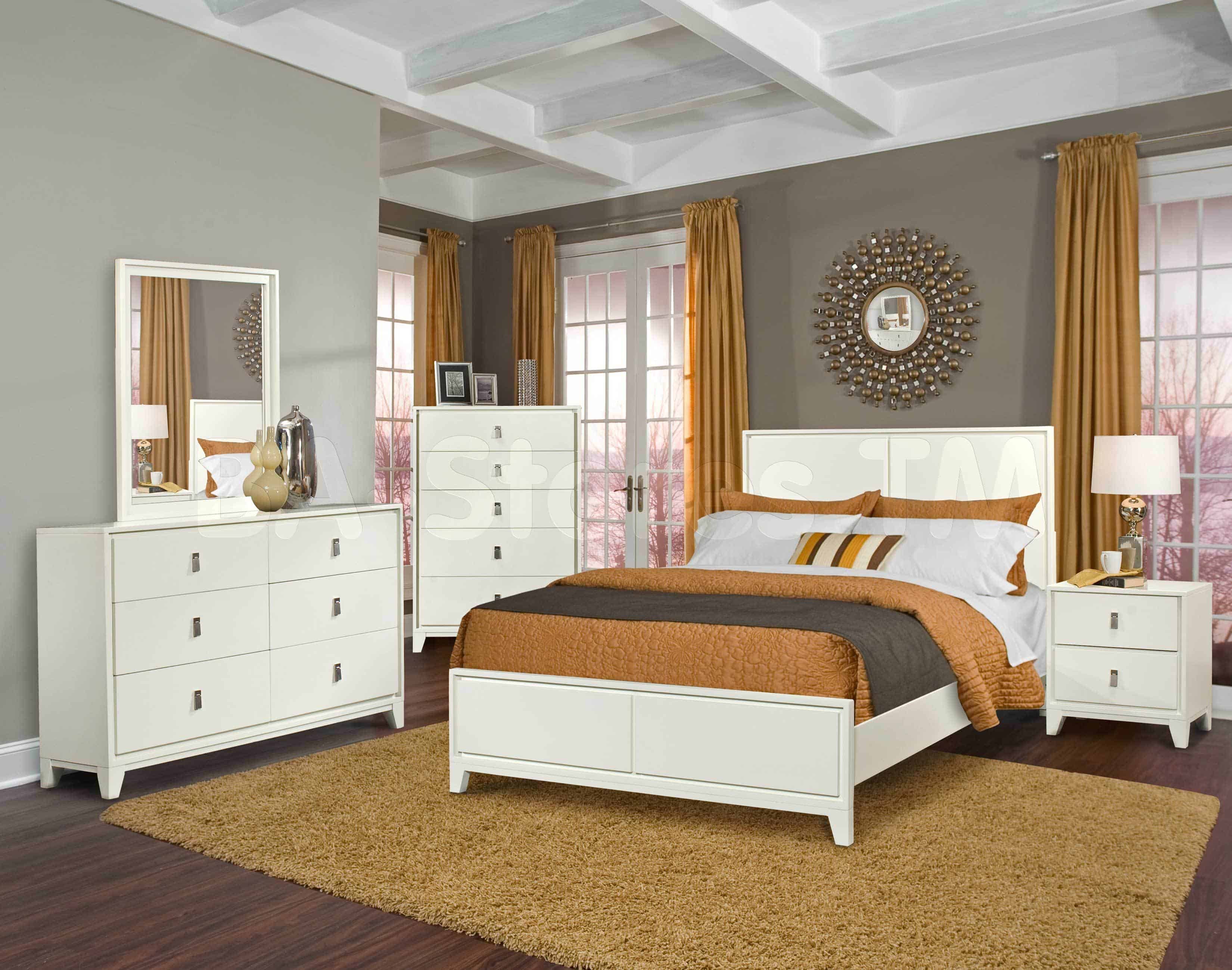
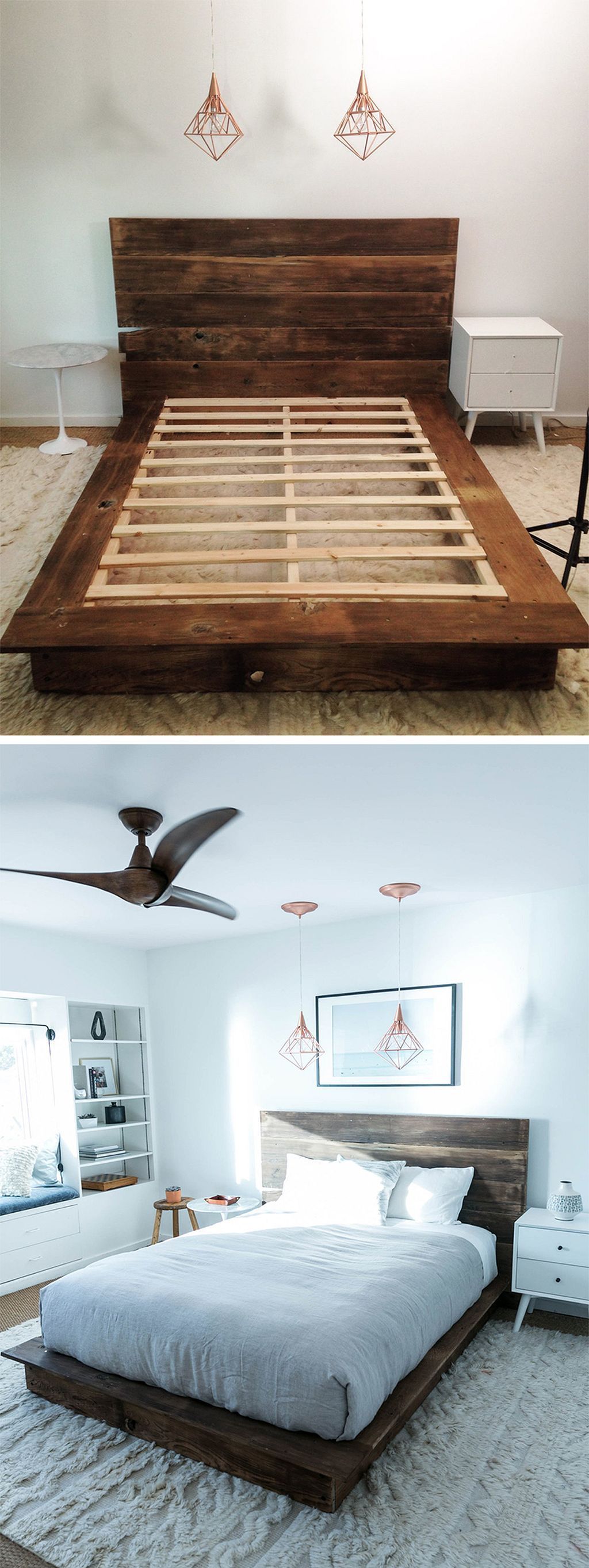
The rhythmic creak of an aging bed frame at three in the morning is more than just a minor annoyance; it is a mechanical distress signal. For anyone tasked with outfitting, upgrading, or building a full-size bed, the side rails represent the silent load-bearers of the entire assembly. They shoulder lateral stress, anchor the headboard and footboard, and maintain the precise geometric squareness required to keep a mattress from sagging. Yet, when people think of bed rails, their minds often split into two distinct camps: decorative timber frames meant to anchor a bedroom set, or clinical metal safety assist bars designed to prevent midnight falls for children or older adults.
Navigating this dual definition requires a shift in perspective. Whether you are a woodworker crafting heirloom-quality side rails from scratch, a homeowner hunting for the right retail safety guard, or a caregiver trying to secure a loved one's sleeping environment, the physics remain identical. A full-size mattress measures precisely 54 inches wide by 75 inches long. That specific footprint demands exact load distribution, precise hardware selection, and an unwavering commitment to structural rigidity. When these components fail, the consequences range from annoying structural squeaks to catastrophic joint failure and safety hazards.
Bed frames have evolved from simple rope-laced platforms of the colonial era to sophisticated, multi-material engineered systems designed for modern foam and hybrid mattresses. Today's mattresses are heavier, thicker, and denser than their predecessors, placing unprecedented shearing forces on traditional side rail hardware. Understanding how to choose, install, or build full-size side bed rails requires moving past aesthetic superficialities and examining the raw mechanics of wood science, steel fastener engineering, and human ergonomics.
Anatomy of a Full-Size Bed Rail System and Structural Mechanics
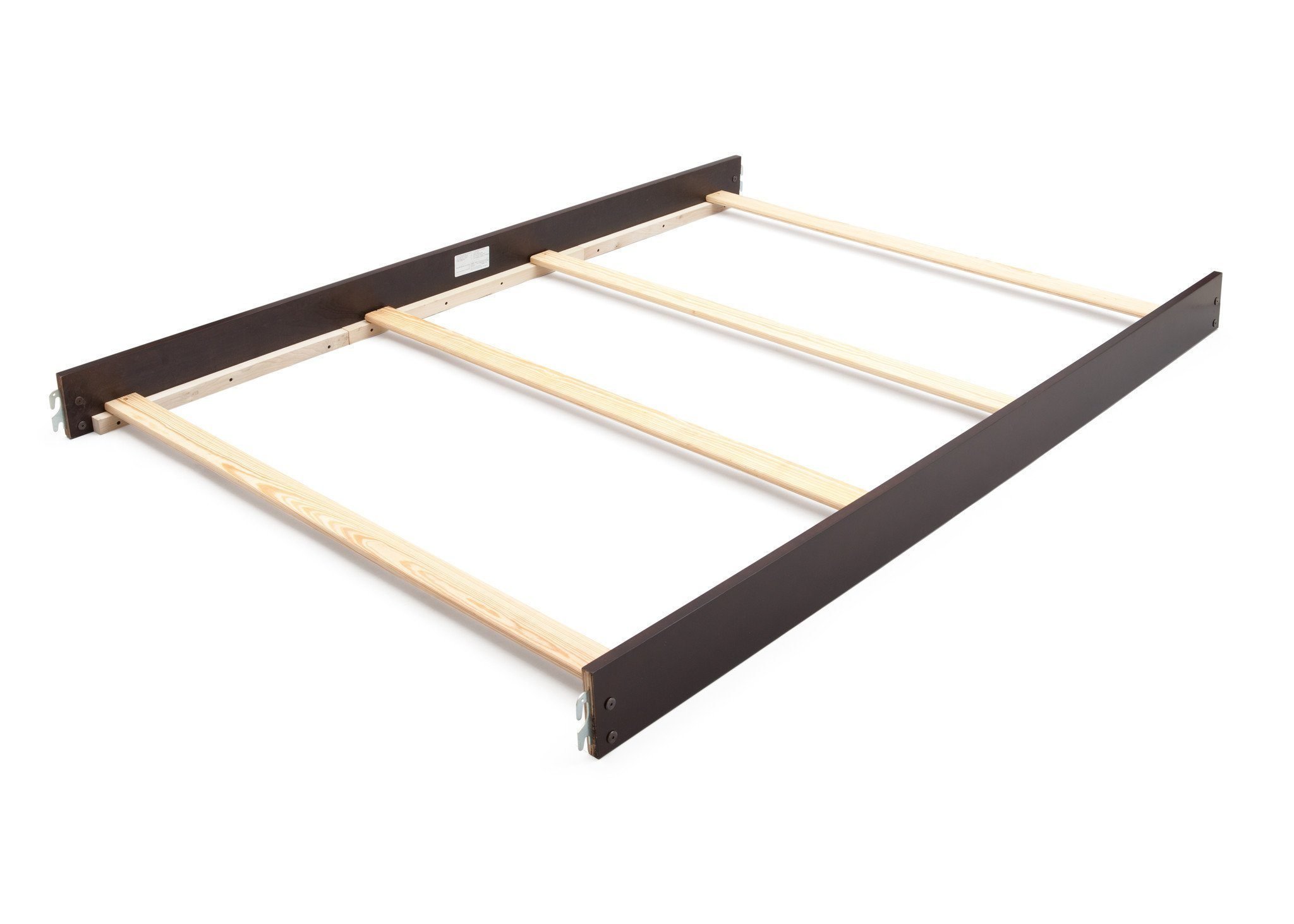
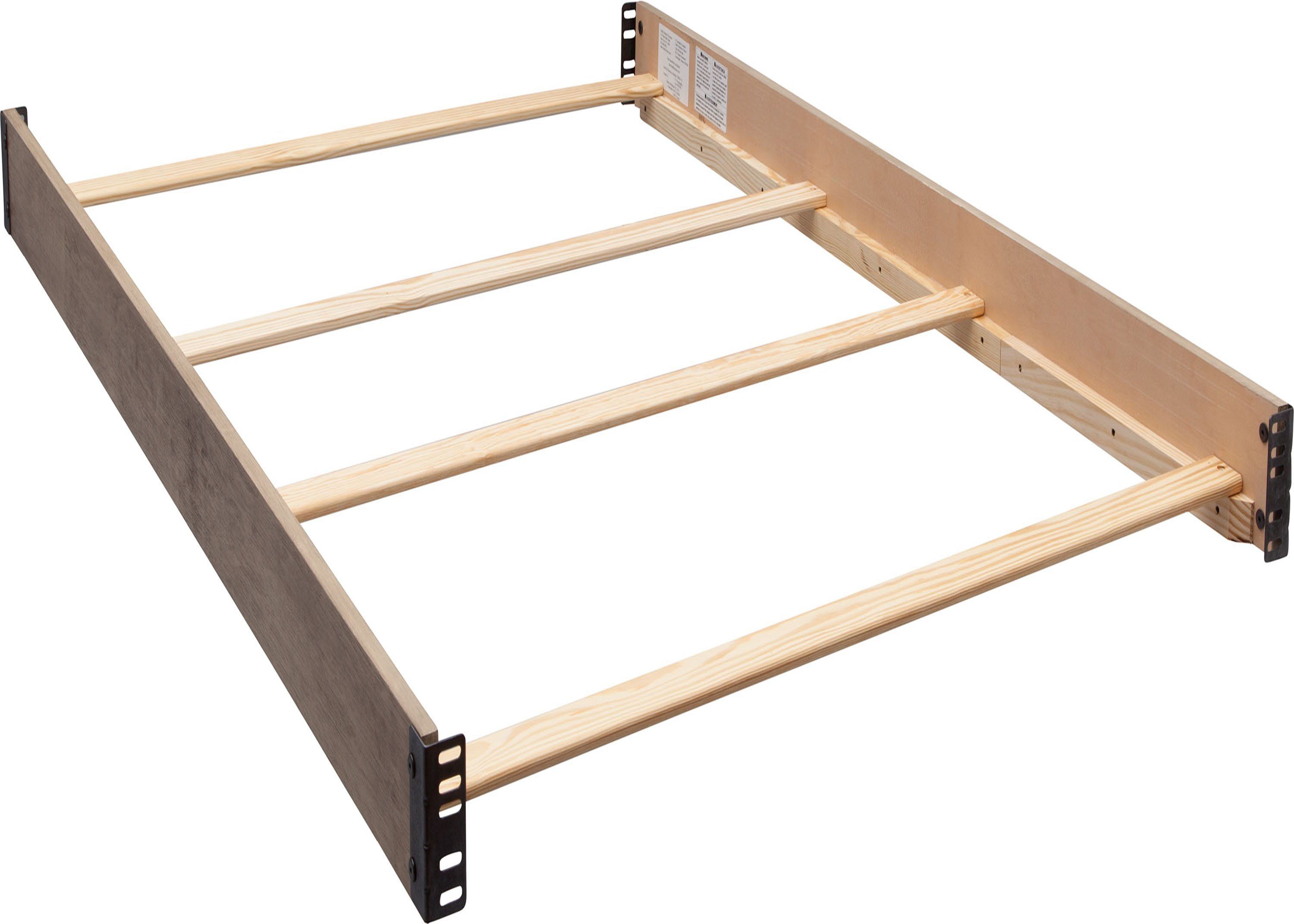
At its structural core, a full-size side bed rail is a horizontal beam subjected to continuous downward and outward forces. When an adult sits on the edge of a full-size bed, the side rail acts as a cantilevered beam, transferring load directly into the headboard and footboard posts via connecting hardware. If the rail lacks adequate thickness or if the joinery is substandard, the wood will cup, twist, or split under the cyclic fatigue of daily use.
Standard full-size rails typically span 75 inches, matching the exact length of the mattress. However, the finished rail length must account for the thickness of the headboard and footboard posts, as well as the setback of the connecting brackets. Material selection dictates longevity. Softwoods like pine or fir are affordable and easy to machine, but they lack the dense cellular structure required to resist bolt elongation over years of humidity shifts. Hardwoods such as white oak, hard maple, walnut, or sapele offer superior shear strength and dimensional stability, ensuring that your side rails remain rigid and quiet.
Hardware integration is where most bed rail projects succeed or fail. Surface-mounted bed rail brackets, mortise-and-tenon knock-down hardware, and heavy-duty concealed hooks dictate how tightly the rail locks against the bed posts. A loose connection creates leverage, and leverage translates to wallowed-out screw holes and wobbling frames. Professional-grade builds often incorporate structural bed bolts paired with barrel nuts embedded deep within the rail stock, creating a mechanical clamp that can be retightened as the wood seasons and settles into its environment.
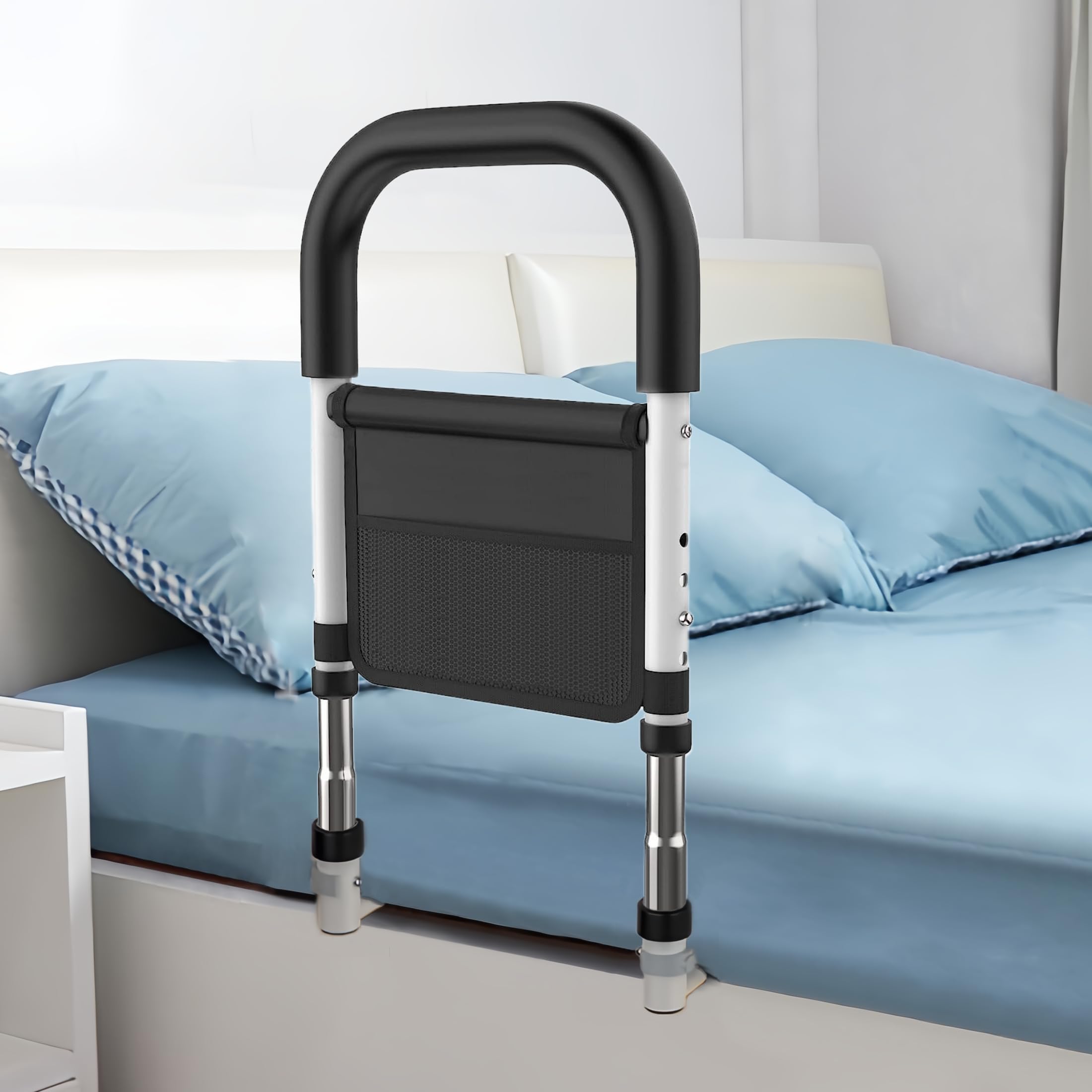
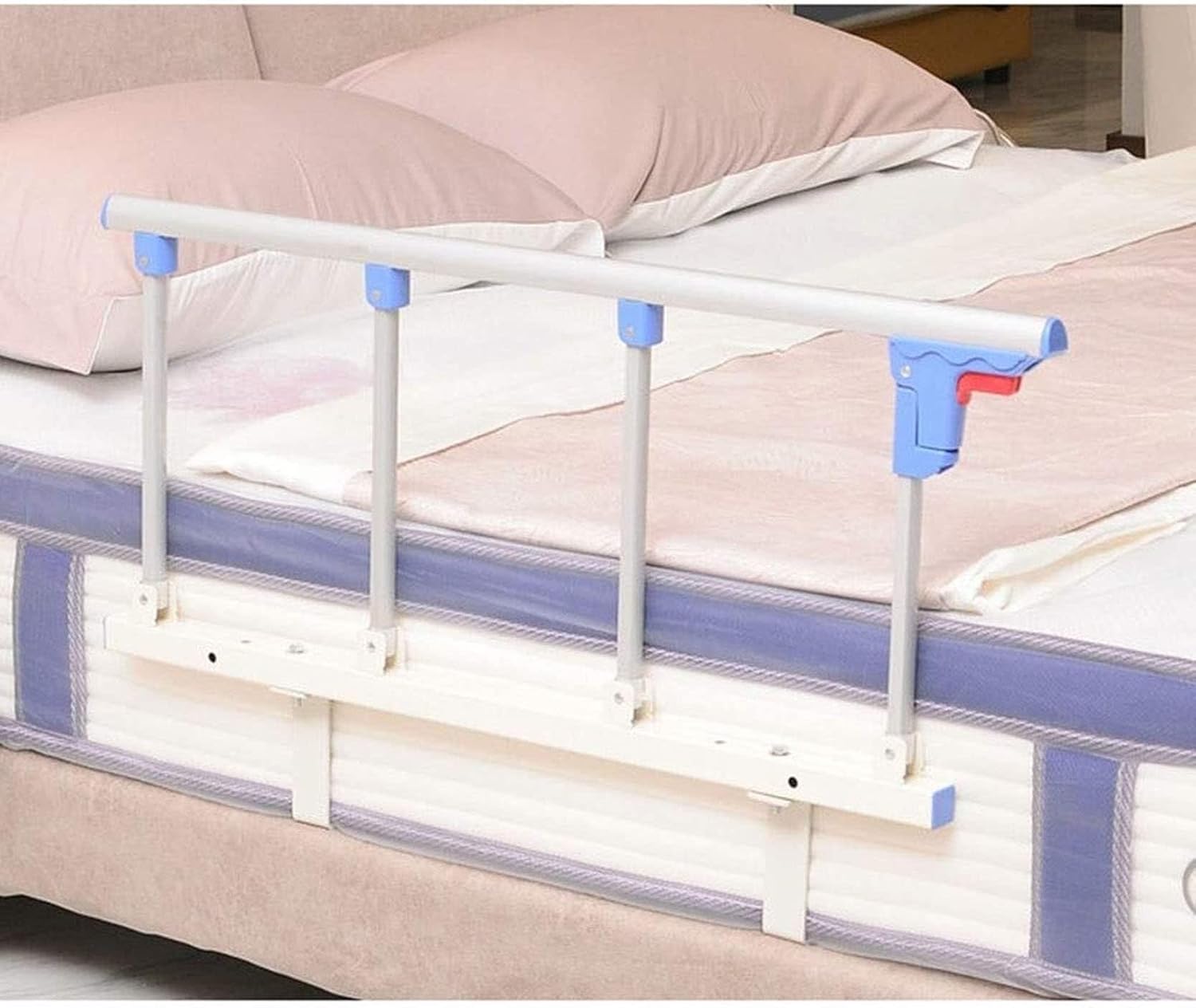
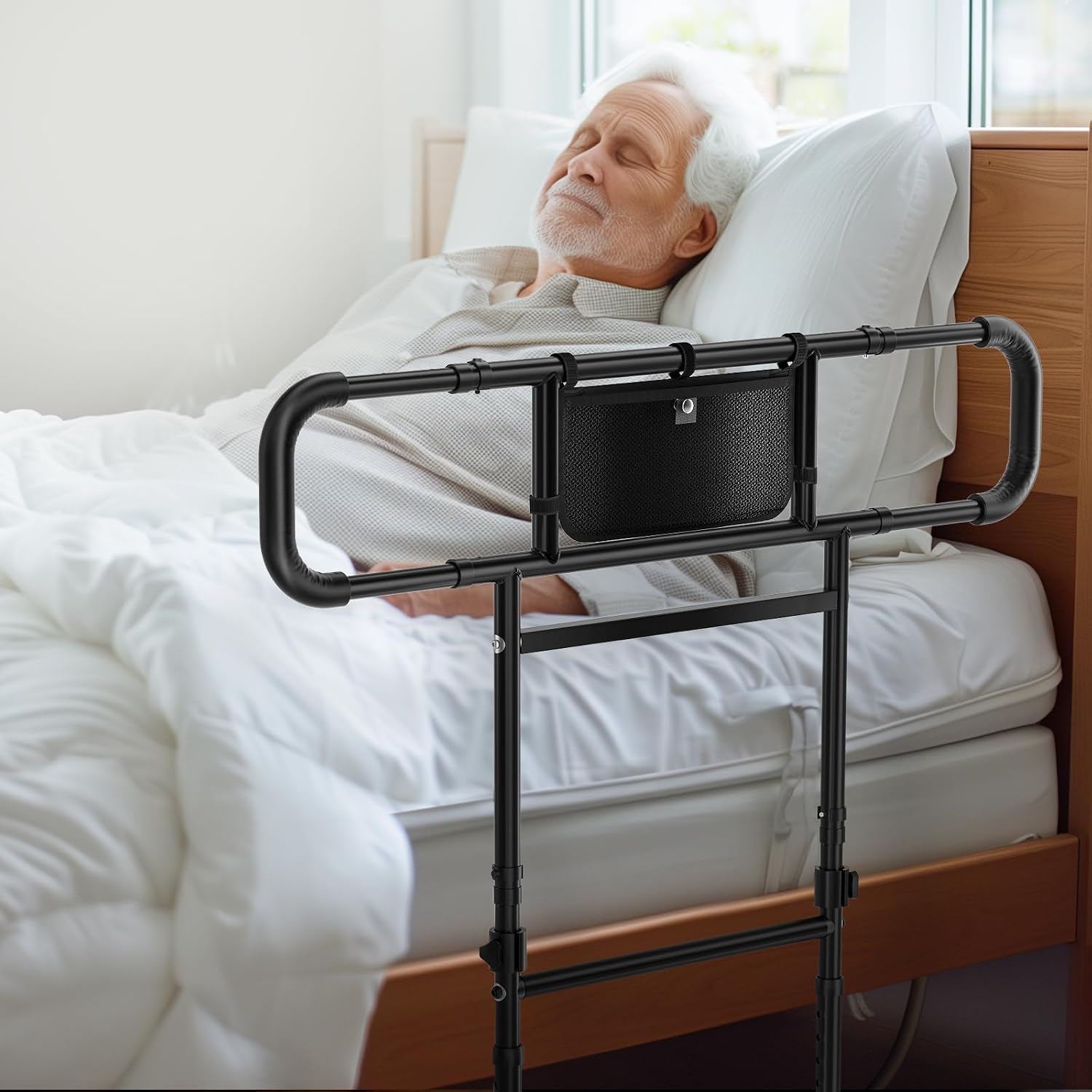
Beyond the frame rails themselves, side rails also encompass safety guardrails and mobility assist bars. These devices introduce an entirely different set of mechanical challenges. They must withstand sudden horizontal impacts and pull forces without slipping, rotating, or detaching from the mattress foundation. Understanding the interplay between the mattress thickness, box spring height, and the top edge of the guardrail is critical for compliance with safety standards and preventing entrapment hazards.
Material Selection, Wood Science, and Hardware Engineering
Building or selecting a durable full-size side bed rail starts deep in the lumber yard. Wood is a hygroscopic material, meaning it constantly absorbs and releases moisture relative to the relative humidity of the bedroom. This dimensional movement occurs primarily across the grain, not along its length. When designing a 75-inch rail, wood movement along the grain is negligible, but seasonal cupping or bowing across its width must be mitigated by choosing straight-grained, quarter-sawn stock when possible.
White oak and hard maple are the gold standards for traditional wooden bed rails. White oak possesses closed cellular structures and natural tannin content that resists moisture decay and offers immense tensile strength. Hard maple provides a dense, shock-resistant matrix that holds heavy machine screws and threaded inserts exceptionally well without stripping out. When milling rough lumber into finished rails, stock thickness should ideally finish at a minimum of 3/4 inch to 1 inch, with a vertical height ranging from 5 to 8 inches depending on whether the rail needs to conceal a box spring or support slat ledges directly.
For those evaluating metal safety rails or structural steel reinforcement plates, gauge thickness and alloy composition matter immensely. Cold-rolled steel brackets should be at least 1/8 inch thick to prevent bending under heavy loads. Powder-coated finishes protect against oxidation and eliminate the metal-on-metal screeching common in poorly fitted hardware. Furthermore, fastener selection is non-negotiable. Standard wood screws have low shear strength and will snap under lateral bed movement. Structural lag bolts, machine screws threaded into brass cross-dowels, or heavy-duty steel bed rail hooks with locking pins provide the industrial-grade retention necessary for a lifetime of service.
Adhesives and finishes also play an underrated role in rail longevity. Polyurethane glues and modern cross-linking polyvinyl acetates (PVA) create bonds stronger than the wood itself, which is vital if you are laminating multiple boards to achieve custom rail thicknesses. For finishing, hard-wax oils or conversion varnishes seal the wood fibers against ambient humidity fluctuations, reducing the internal stresses that cause warping and joint separation over time.
Step-by-Step Guide to Crafting and Installing Custom Wooden Side Rails
Executing a flawless installation or custom build of full-size side bed rails requires precision measurement, sharp tooling, and a methodical workflow. Whether fabricating from rough lumber or installing pre-machined retail components, adhering to a strict sequence prevents costly alignment errors.
Navigating Common Pitfalls, Squeaks, and Structural Failures
Even meticulously built bed frames can develop aggravating issues over time if certain engineering realities are ignored. Recognizing these pitfalls before they compromise your furniture saves hours of troubleshooting and prevents premature material failure.
Broader Implications: Safety Standards, Accessibility, and Longevity
The conversation surrounding full-size side bed rails extends far beyond basic carpentry; it intersects deeply with home healthcare, ergonomics, and interior longevity. As multi-generational living becomes more common, the bed is increasingly utilized not just as a sleeping vessel, but as a transitional seating area for reading, dressing, and physical therapy staging. This expanded utility places complex demands on side rails that traditional furniture designers rarely anticipated.
From a regulatory standpoint, safety guardrails and medical assist bars are subject to rigorous manufacturing standards regarding entrapment zones, weight capacities, and structural deflection limits. When selecting or building rails for vulnerable populations—such as toddlers transitioning out of cribs or older adults managing mobility limitations—the geometry of the rail must balance fall prevention with safe exit access. A rail that covers the entire length of a 75-inch full-size bed can trap an individual who needs to exit quickly, whereas a partial-length rail (typically 20 to 30 inches) provides a safe handhold while leaving an un-obstructed egress path.
Furthermore, investing in high-end, robustly engineered side rails reflects a broader cultural shift away from disposable flat-pack furniture toward sustainable, repairable home goods. A well-built hardwood bed frame featuring serviceable, heavy-duty mechanical hardware can last for generations, adapting to changing mattresses, room decors, and human life stages without ever needing replacement. This longevity reduces environmental waste and ensures that a fundamental piece of domestic architecture remains rock-solid year after year.
Actionable Frameworks for Selection, Maintenance, and Upgrades
To ensure your full-size side bed rails deliver optimal performance over their lifespan, adopting a structured maintenance and evaluation framework is essential. Whether you are auditing an existing bedroom setup or planning a brand-new build, the following checklist provides an immediate path to long-term reliability.
The humble full-size side bed rail is a masterclass in functional engineering disguised as domestic furniture. It requires a delicate balance of aesthetic grace, material science, and mechanical resilience to perform its daily duty without complaint. By looking past surface-level appearances and focusing on the core mechanics of wood movement, fastener physics, and structural geometry, you transform a simple bedroom accessory into an heirloom-quality anchor of your living space.
Whether you spent your weekend milling rough white oak in a dusty woodshop or meticulously securing a certified safety rail for a family member, the investment of care and precision pays dividends in peace of mind. A quiet, rock-solid bed frame changes the entire sensory experience of rest. As you tighten that final bolt and test the rigidity of your finished assembly, remember that durability is never an accident—it is the direct result of deliberate design, quality materials, and expert execution.