The clinical antiseptic hum of a standard institutional hospital bed can instantly drain the warmth from a cherished family bedroom, turning a sanctuary into a sterile ward. For decades, families facing long-term home care, rehabilitation, or progressive aging-in-place were forced into an agonizing compromise: choose between clinical utility that saved lives or domestic tranquility that preserved human dignity. A cold, industrial steel frame with rattling side rails often stands in jarring contrast to walnut dressers, soft carpeting, and heirloom quilts.
That clinical paradigm has fundamentally shifted. Today's high-end home care environment demands a fusion of advanced medical engineering and residential interior design. Premium manufacturers have rewritten the rules of medical furniture, crafting beds that deliver ICU-level positioning, multi-axis articulation, and therapeutic pressure management while hiding beneath rich hardwoods, upholstered headboards, and designer textiles. This evolution reflects a growing cultural insistence on aging with grace, comfort, and uncompromising aesthetic standards.
Stepping into the world of luxury medical beds requires navigating a complex intersection of biomechanics, interior architecture, and healthcare economics. Whether you are outfitting a primary suite for a recovering loved one or proactively designing a multi-decade home for your own future, understanding the nuances of these sophisticated systems is paramount. This guide provides an exhaustive, field-tested roadmap to selecting, integrating, and maintaining a luxury hospital bed that honors both physical well-being and personal style.
Deconstructing the Anatomy of a Luxury Home Care Bed

To appreciate what sets a luxury hospital bed apart from its institutional counterpart, one must look beneath the mattress deck to examine the underlying mechanical architecture. Standard hospital beds rely on exposed scissor lifts, clunky pendant controllers, and utilitarian plastic endboards designed primarily for easy chemical sterilization in a high-turnover ward. Luxury models, by contrast, utilize whisper-quiet DC linear actuators concealed within furniture-grade chassis crafted from solid oak, cherry, European beech, or custom-upholstered paneling. These hidden motors coordinate silent, synchronized movements that allow the frame to articulate without waking a sleeping partner or rattling the floorboards.
Functionality in a high-end medical bed is measured in axes of movement and actuation range. While basic home care beds offer three primary functions—head elevation, knee gatch, and overall height adjustment—luxury models feature five or more functions, including Trendelenburg and reverse Trendelenburg positioning, lateral tilt, and absolute zero-gravity weightlessness profiles. The vertical travel range is another critical differentiator. True hi-low luxury beds can drop down to a safe, low-profile height of just seven to nine inches off the floor to mitigate fall risks, then elevate smoothly to standard nursing height to save caregivers from debilitating lower-back strain during transfers or linen changes.
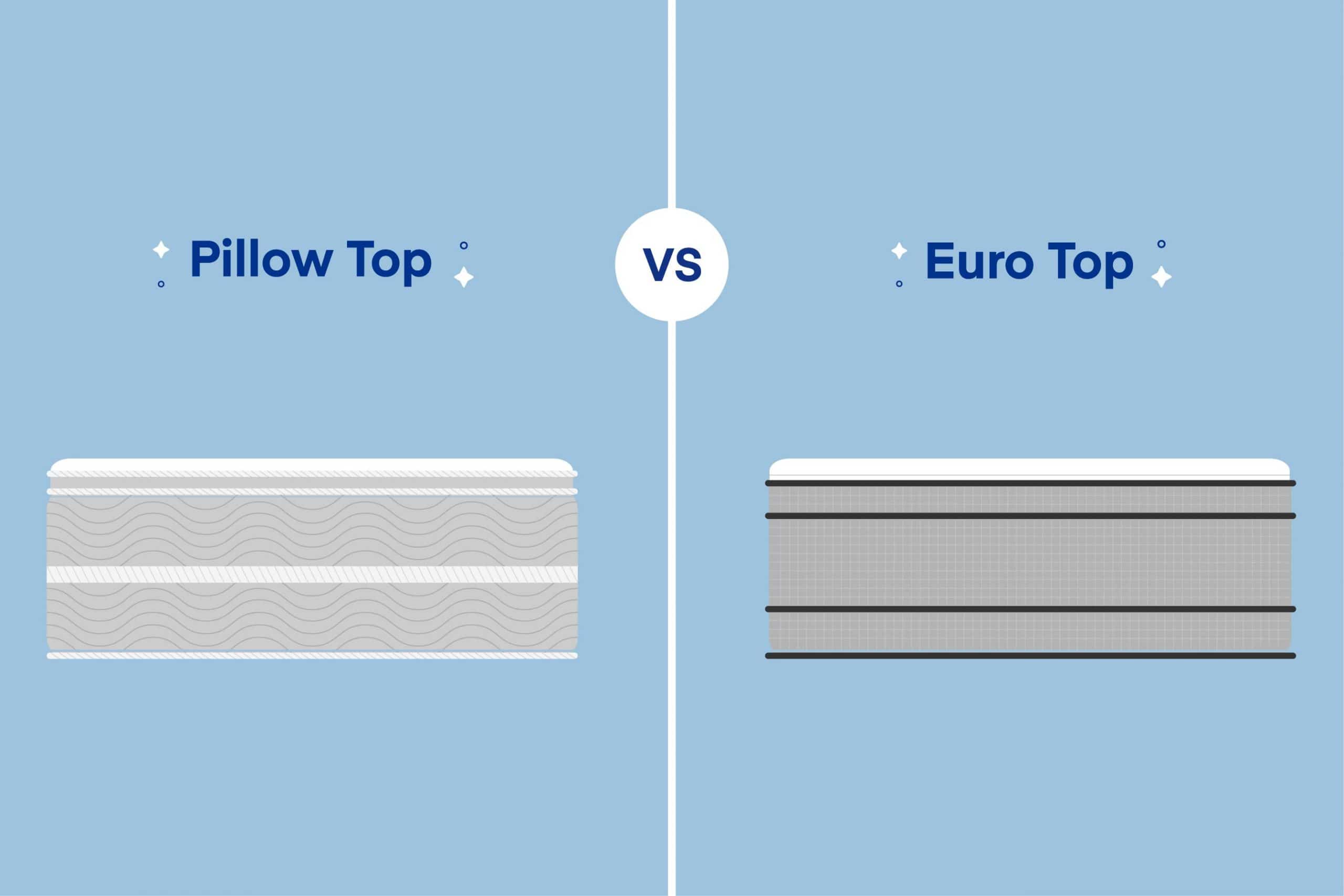
The mattress interface on these elite frames is equally sophisticated, moving far beyond basic foam slabs to incorporate therapeutic air-cell alternating pressure systems, visco-elastic memory foams, and micro-climate management covers. Modern luxury mattresses actively combat pressure injuries by shifting support profiles beneath the patient every few minutes, all while remaining completely silent and imperceptible through premium sheets. The integration of zero-clearance wall-hugging technology ensures that when the head section elevates, the user remains within arm's reach of their bedside table rather than drifting away from lamps, controls, and personal belongings.
Architectural Harmonization and Bedroom Integration

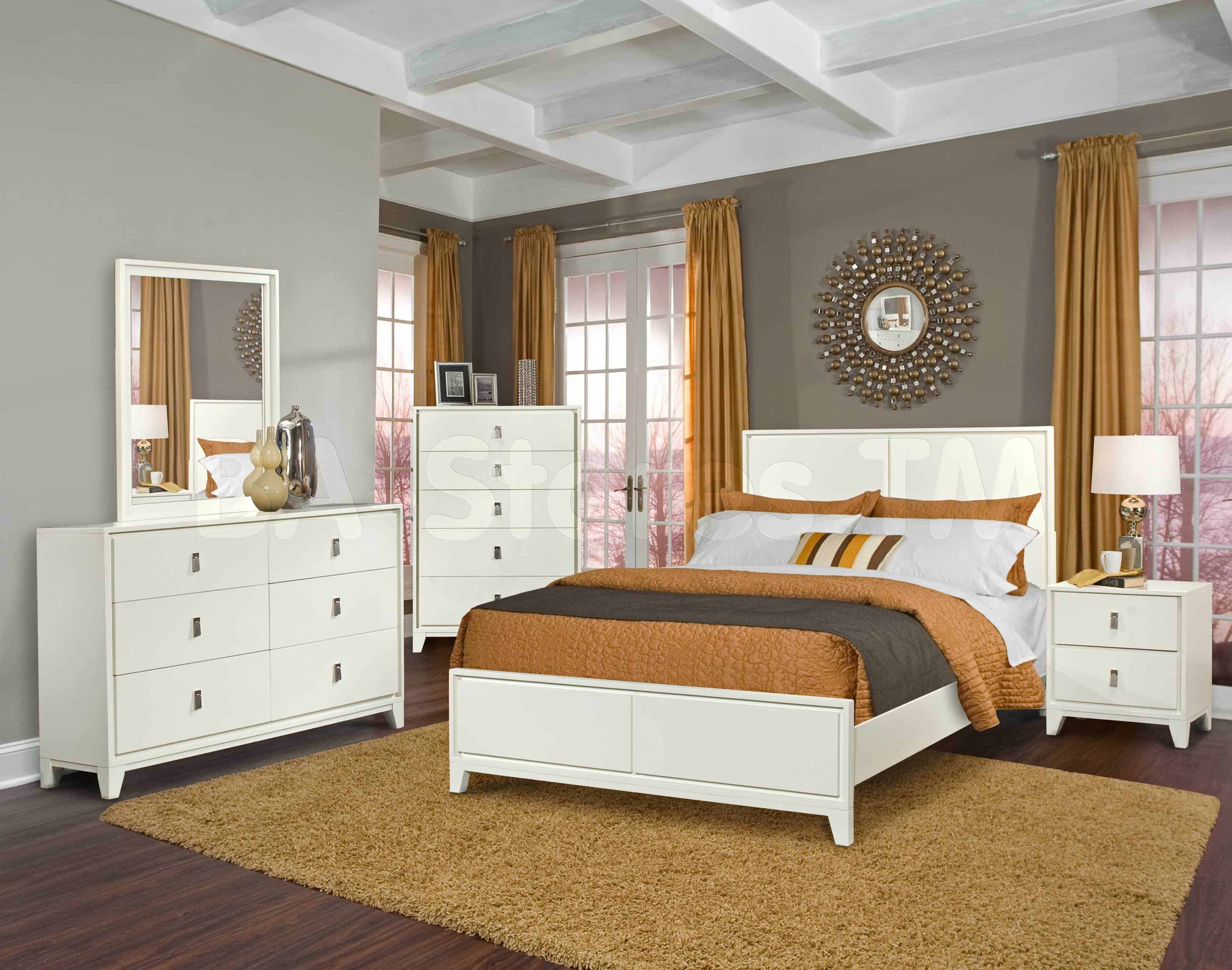
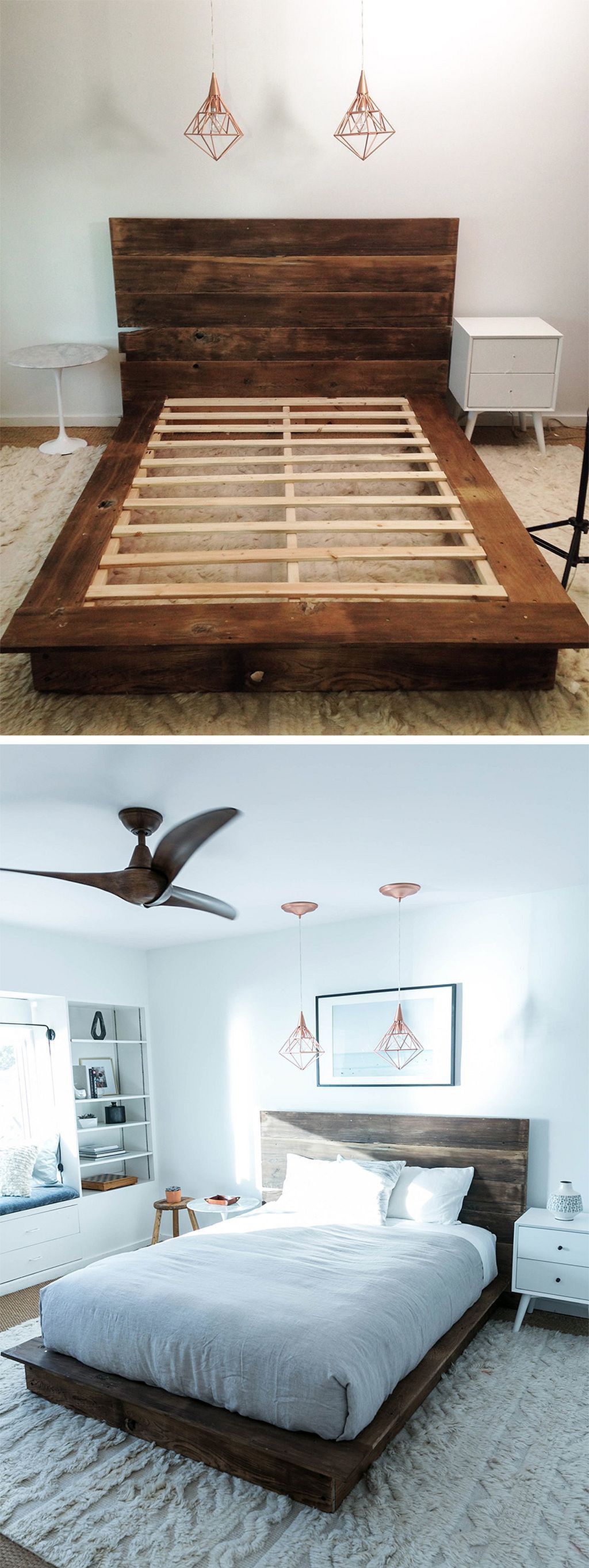
Integrating a medical device into an established luxury interior requires deliberate spatial planning and a rejection of the one-size-fits-all mentality. The primary challenge lies in scaling the footprint. Hospital beds often feature extended bumpers, side rail mechanisms, and heavier frames that can dwarf standard bedroom furniture if not properly balanced. Choosing a model with furniture-grade cabinetry, custom wood veneers, and coordinated bedside companion pieces ensures the bed anchors the room rather than dominating it as an unwelcome intruder.
Color palettes, fabric choices, and hardware finishes must harmonize with the existing architectural language of the home. If the master suite features mid-century modern walnut tones or traditional wainscoting, manufacturers like SonderCare, Icare, and Transfer Master offer matching headboards, footboards, and side-rail covers that seamlessly mimic high-end residential cabinetry. Furthermore, safety accessories do not have to look institutional. Split-rail designs can be lowered completely flush with the mattress deck when not in use, and upholstered assist bars provide leverage for independent repositioning without resembling prison-style metal grates.
Lighting and spatial ergonomics play an equally vital role in creating a healing environment. Placing the bed to maintain unobstructed pathways for wheelchairs, walkers, and attending physical therapists is essential. Layered lighting schemes—combining warm indirect architectural cove lighting with directional reading lamps mounted directly to the headboard—eliminate the harsh glare of overhead fluorescent clinical fixtures. Integrating smart-home automation allows the bed's articulation, room lighting, and climate control to be managed via voice commands or sleek, programmable wireless remotes, restoring a deep sense of autonomy and control to the occupant.
A Step-by-Step Methodology for Selecting the Right System

Investing in a luxury hospital bed is a significant financial and emotional decision that demands a methodical, step-by-step evaluation process. Rushing into a purchase based solely on initial aesthetic impressions can lead to mechanical incompatibilities or unmet clinical needs down the road.
Navigating Common Pitfalls and Practitioner Workarounds
Even with premium equipment, families frequently encounter avoidable roadblocks during the acquisition and daily operation of a home hospital bed. Anticipating these missteps saves both time and physical strain.
The Economic and Psychological Value of Aging in Place

The decision to invest in a luxury hospital bed is frequently evaluated through a purely medical lens, yet its true value is deeply psychological and economic. Institutional care facilities carry staggering monthly costs that drain generational assets while often failing to provide individualized emotional comfort. Equipping a primary residential suite with elite home-care infrastructure shifts the balance of power back to the individual and their family, transforming the home into a dignified, secure base for long-term recovery or palliative care.
From an economic standpoint, purchasing a high-end home hospital bed often costs a fraction of even a single month in a skilled nursing facility. More importantly, it prevents the cascade of secondary medical complications—such as hospital-acquired pressure ulcers, severe falls, and psychological depression—that frequently trigger emergency hospital readmissions. When a patient sleeps in a familiar room surrounded by personal history, their physiological stress levels decrease, sleep architecture improves, and overall rehabilitation outcomes are measurably enhanced.
The psychological impact on the family caregiver is equally profound. Witnessing a loved one struggle to sit up or feeling helpless while trying to assist them in an unyielding residential bed breeds chronic anxiety and physical injury. A luxury medical bed equipped with intuitive controls, safe transfer heights, and silent articulation alleviates the daily friction of caregiving. It preserves the primary relationship between spouses or family members, allowing them to focus on emotional connection and shared presence rather than physical strain and mechanical frustration.
Actionable Recommendations for a Seamless Transition

Translating research into a successful home transformation requires a structured approach to execution. Begin by establishing an open dialogue with the primary user about their desires for dignity, independence, and aesthetic comfort. Involve occupational therapists early to ensure that the chosen bed dimensions and accessory ecosystem directly support the physical therapy and rehabilitation regimen.
Prioritize manufacturers that offer modular upgrades. As mobility needs evolve over time, the ability to add trapeze bars, IV poles, or advanced alternating-pressure mattress surfaces without replacing the entire furniture suite ensures long-term fiscal efficiency. Furthermore, establish a routine maintenance schedule: inspect locking casters monthly, test battery backup systems quarterly, and keep manufacturer support contact numbers readily accessible near the bed console.
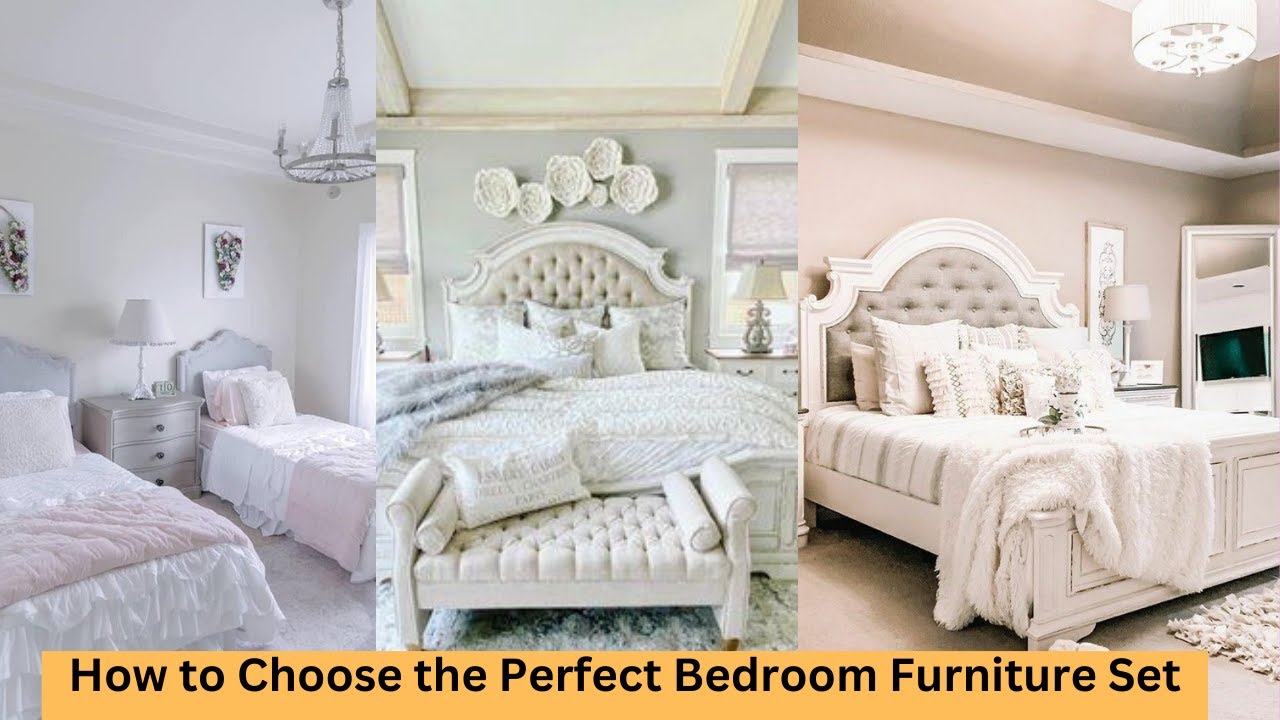
Finally, treat the installation as a holistic bedroom redesign rather than a medical installation. Incorporate soothing ambient lighting, high-thread-count breathable sheets tailored to medical dimensions, and personalized bedside accessories. By thoughtfully orchestrating these elements, you create a space where state-of-the-art healthcare engineering and uncompromised domestic elegance coexist in perfect equilibrium.
The integration of luxury hospital beds into residential spaces marks a profound maturation in how society approaches aging, rehabilitation, and long-term care. We are moving past an era where medical necessity required the surrender of personal style and domestic comfort. Today's advanced engineering proves that dignity and clinical excellence are not mutually exclusive, but rather complementary pillars of exceptional human care.
As home-care technology continues to evolve, the boundaries between medical utility and residential interior design will blur even further, driven by smart-home integration, silent drive systems, and increasingly sophisticated therapeutic materials. By approaching this investment with clear-headed planning, rigorous mechanical evaluation, and an unwavering commitment to personal dignity, families can transform their homes into enduring sanctuaries of healing, comfort, and grace.