The heavy oak frame scraped against the hardwood floor with a dry, frustrating groan, jamming tight just two inches short of its destination. You tug harder, your frustration mounting as the wheel catches a stray rug edge, leaving the secondary mattress awkwardly wedged beneath the daybed. It is a familiar, infuriating domestic scenario. Buying or setting up a trundle bed feels deceptively simple until the day you actually try to slide the lower deck out, only to discover that the plush, pillow-top mattress you bought is two inches too thick to clear the main frame's side rail.
Space optimization is an art form, especially when dealing with high-density urban apartments, multi-functional guest rooms, and growing families. A trundle bed offers an ingenious engineering solution: a hidden, auxiliary sleeping platform tucked discreetly beneath a primary daybed, captain's bed, or standard frame. Yet, unlocking that spatial efficiency requires absolute precision. A fraction of an inch can spell the difference between seamless midnight hospitality and a scratched floor or a jammed mechanism.
Navigating the nuances of furniture dimensions requires looking past marketing jargon and understanding the raw geometry of home architecture. When you introduce a rolling sub-frame into a room, you must calculate not just the footprint of the bed when closed, but the dynamic clearance required when the trundle is fully extended, popped up, or navigated around bedroom nightstands and closet doors. This guide breaks down every exact measurement, critical hardware limitation, and spatial layout rule you need to make an informed investment.

Decoding Standard Trundle Bed Sizes and Frame Footprints
The foundation of any successful layout plan starts with understanding standard US mattress dimensions and how manufacturers scale frame housings to match them. A standard twin trundle bed frame is engineered around a mattress measuring 38 inches wide by 75 inches long. However, the outer dimensions of the wooden or metal frame itself will always exceed these numbers. A typical twin trundle frame adds between 2 to 4 inches of overall width and length to accommodate side rails, caster wheels, and structural corner brackets.
When looking at larger configurations, such as twin-XL or full-size trundles, the footprint expands significantly. A twin-XL trundle maintains the 38-inch width but stretches the length to 80 inches, catering to taller guests or teenagers. Full-size trundles, measuring 54 inches by 75 inches, are less common because the sheer weight and width of a full-size pull-out frame require heavy-duty caster systems and substantial floor space to operate safely. These larger variations demand meticulous preliminary room measuring using laser tools or heavy-duty tape measures to ensure the floor plan can absorb the expanded swing radius.

Beyond length and width, the vertical dimension—specifically storage clearance—is the single most misunderstood specification in furniture retail. Storage clearance refers to the vertical gap between the floor and the underside of the main bed's slat system or lower side rail. This determines the maximum total height allowable for the trundle frame and its mattress combined. Most standard platform beds and daybeds offer a clearance of roughly 9 to 11 inches. If your trundle frame stands 3 inches tall off the ground, your mattress cannot exceed 6 to 8 inches in thickness. Ignoring this mathematical reality results in jammed drawers and ruined mattress edges.
The Critical Physics of Mattress Thickness and Vertical Clearance
Selecting the right mattress for a trundle bed is entirely different from outfitting a master bedroom mattress. In a primary bed, thickness equals plushness and multi-layer comfort technology. In a trundle environment, thickness is a strict engineering constraint. Because the lower trundle must glide effortlessly beneath the primary frame, every single vertical millimeter matters. Manufacturers universally recommend specialized low-profile mattresses, typically hovering between 5 and 7 inches thick, though some heavy-duty frames can accommodate up to 8 inches if the primary bed sits exceptionally high.

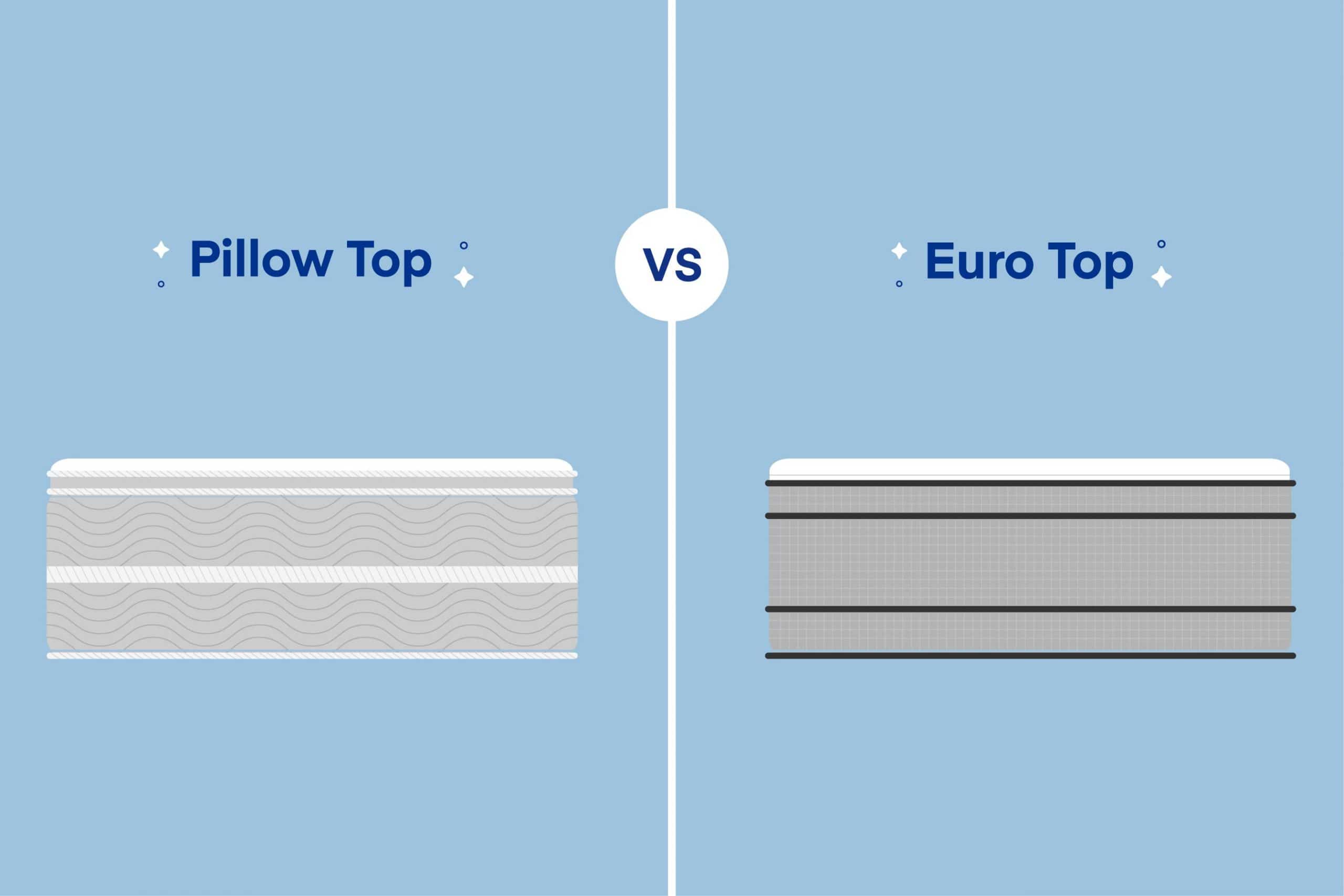
Standard memory foam, latex, and innerspring mattresses often fail the trundle test. Traditional innerspring units featuring thick steel coil layers and quilted pillow-tops easily measure 10 to 14 inches deep, rendering them completely incompatible with under-bed storage. When forcing an oversized mattress into a tight trundle clearance, the friction against the bottom of the upper bed slats strips fabric, abrades foam, and ultimately breaks the caster wheels or structural wooden lips of the trundle box.
When shopping for compatible sleep surfaces, look for high-density polyurethane foam cores or thin, high-resilience latex variants that offer robust support without excessive vertical loft. Memory foam performs exceptionally well in these low-profile formats because its cellular structure distributes weight evenly even at a modest 6-inch thickness. Furthermore, consider the compression factor: when a person lies on a thin trundle mattress, it compresses against the wooden or metal slats beneath. Choosing a density rating that prevents "bottoming out" while staying within safe vertical limits is the ultimate balancing act of trundle bed ergonomics.
Step-by-Step Methodology for Measuring Your Room and Bed Frame

Accurate spatial planning eliminates costly returns and frustrating assembly errors. Before purchasing any trundle system, execute a systematic measuring protocol to map out your room's exact geometric capabilities.
Common Pitfalls and Field-Tested Workarounds for Trundle Setup
Even with careful planning, unexpected installation hurdles often arise during the assembly and deployment phases. Recognizing these common traps saves time and protects your flooring.

Long-Term Durability, Material Science, and Structural Integrity
Evaluating a trundle bed requires looking closely at how materials behave under repetitive physical stress. Unlike a stationary platform bed that simply bears static downward weight, a trundle bed experiences dynamic friction, lateral rolling forces, and repeated mechanical manipulation. The materials chosen for the frame—solid hardwoods like rubberwood or kiln-dried pine versus engineered medium-density fiberboard (MDF) or tubular steel—dictate the lifespan of the furniture piece. Solid wood and heavy-gauge steel withstand the torque of rolling across uneven floors far better than laminated particle board, which tends to crack at the caster anchor points over time.
Consider the hardware mechanics as well. Budget trundle systems often feature unsealed metal tracks or flimsy plastic wheel brackets that warp under the weight of an adult sleeper. Premium configurations utilize ball-bearing caster tracks, locking mechanisms to prevent the bed from drifting while occupied, and reinforced corner gussets that maintain structural squareness. Investing in robust hardware ensures that the rolling mechanism remains smooth and silent, preventing the jarring squeaks and grinding noises that plague poorly constructed guest beds.
Environmental factors also play a subtle role in dimensional stability. Solid wood frames expand and contract with seasonal humidity fluctuations. In highly humid climates, tight-fitting wooden trundles can swell slightly, causing them to bind against the interior rails of the primary bed. Choosing kiln-dried lumber and maintaining stable indoor humidity levels prevents seasonal warping, ensuring your trundle glides effortlessly year-round regardless of weather changes.
Actionable Buying Framework and Strategic Selection Criteria
Filtering through hundreds of retail options requires a strict, objective evaluation matrix. Use this structured decision-making framework to select the ideal trundle setup for your specific living situation.
Mastering the mechanics of trundle bed dimensions transforms a potentially frustrating furniture purchase into a masterclass in spatial efficiency. By respecting the rigid geometry of vertical clearance, investing in durable rolling hardware, and selecting low-profile mattresses designed specifically for dual-frame systems, you unlock a seamless blend of comfort and utility.
As homes continue to evolve toward flexible, multi-functional living spaces, thoughtful design choices ensure that every square foot serves a distinct purpose. Whether you are outfitting a cozy guest room, a compact urban studio, or a vibrant children's bedroom, applying these rigorous measuring standards guarantees that your sleeping arrangements remain functional, beautiful, and effortlessly accessible for years to come.