At 2:00 AM, the quiet of a suburban household is occasionally punctured by the unmistakable thud of a sleepy child missing the rungs of a vertical wooden ladder. Every parent who has ever paced a hallway worried about midnight bathroom trips knows the quiet anxiety of traditional loft furniture. The vertical ladder has long been a functional evil of shared bedrooms—space-saving, yes, but unforgiving to bare feet and groggy coordination.
Enter the architectural shift toward integrated staircases. When executed in a clean, neutral finish, these structures change the entire calculus of vertical sleeping arrangements. They turn a precarious vertical climb into a stable, wide-tread ascent that doubles as a storage vault.
Choosing the right furniture piece involves far more than clicking "add to cart" on a sleek retailer photo. It requires a hard look at timber density, paint toxicity certifications, hardware engineering, and the geometry of bedroom architecture. This guide cuts through the marketing gloss to examine the mechanical reality, safety benchmarks, and interior design strategies required to integrate a white staircase bunk bed into your home successfully.
The evolution of children's bedroom furniture over the past decade reflects a broader cultural demand for multi-functional longevity. No longer viewed as temporary staging grounds for childhood, kids' rooms are expected to morph seamlessly from toddlerhood reading nooks to high school study centers. The white staircase configuration has emerged as the dominant design choice for this transition. Its neutral palette acts as a blank slate, accommodating shifting aesthetic trends from primary-colored toy rooms to muted, Scandinavian-inspired teenage dens.
Navigating Timber Quality, Hardware Engineering, and Finish Chemistry

The structural integrity of any elevated sleeping platform rests entirely on the quality of its raw materials and the engineering of its joints. When evaluating a white staircase model, the first critical distinction lies between solid hardwoods like New Zealand pine, rubberwood, or birch, and engineered alternatives like Medium Density Fiberboard (MDF) or particleboard. While solid wood commands a higher price tag, its internal grain structure offers superior screw-holding capacity. This matters enormously because children's furniture undergoes constant dynamic stress—climbing, jumping, and the rhythmic shifting of active sleepers.
Surface finishes require just as much scrutiny as the core frame. A brilliant factory white finish is achieved through either a lacquer, a conversion varnish, or water-based polyurethane coatings. Parents should prioritize low-VOC (Volatile Organic Compounds) and non-toxic certifications, ensuring the paint off-gasses no harmful chemicals into a poorly ventilated bedroom. Furthermore, look for multi-step UV-cured finishes. These provide a hard, non-porous shell that resists chipping, scratching from belt buckles or zippers, and the inevitable scuff marks from climbing sneakers.
Hardware specifications dictate whether a bed will remain silent and rigid over a decade of use or begin to creak and sway within six months. Inferior models rely on standard wood screws driven directly into soft timber or cam-lock fasteners that loosen under lateral loads. Premium manufacturing standards utilize barrel nuts, steel threaded inserts, and heavy-duty carriage bolts. These fasteners allow metal-to-metal contact points that can be re-tightened periodically. Evaluating the rail attachment system is equally vital; look for steel hook-and-pin brackets or full-length mortise-and-tenon joints rather than flimsy surface-mounted corner brackets.
Load capacity is another engineering metric frequently misunderstood by consumers. A standard twin-over-twin or twin-over-full configuration must withstand not only the static weight of a sleeping child but also the dynamic load of a parent sitting on the top bunk to read a story or changing fitted sheets. Professional-grade frames are typically rated for 400 to 500 pounds per sleeping deck. Inspect the slat roll system as well; slats should be solid wood, spaced no more than two and a half inches apart, and secured directly to the side rails with screws rather than simply unrolled into place.
Spatial Geometry, Room Layout, and the Ergonomics of Ascent

Integrating a staircase model into a bedroom requires meticulous spatial planning. Unlike traditional ladders that sit flush against the frame, integrated stairs extend the overall footprint of the furniture assembly. This staircase module typically adds between fifteen and twenty-four inches of width to one side of the bed. Before purchasing, floor planners must account for door clearance, window locations, heating vents, and the swing path of closet doors. Placing the staircase adjacent to a blank wall rather than blocking a natural pathway prevents daily friction in high-traffic rooms.
The ergonomics of the stairs themselves offer a massive upgrade in safety and comfort over traditional rungs, but design variations exist. Some models feature side-mounted stairs with deep, alternating treads, while others incorporate a full-depth staircase running parallel to the long side of the bed. Each step should feature a minimum tread depth of eight to ten inches, allowing a child's foot to rest securely rather than balancing on the ball of the foot. Non-slip grooves or anti-skid strips routed directly into the wood grain provide essential traction, particularly for children descending in socks during early morning hours.
Handrails are non-negotiable architectural elements of a safe staircase bunk. A single continuous handrail on the open side of the stairs provides stability, while vertical balusters spaced safely apart prevent accidental falls or entrapment hazards. The angle of the staircase should ideally range between fifty and sixty degrees from the horizontal. Steeper angles defeat the ergonomic purpose of stairs, while shallower angles consume excessive floor space in smaller urban bedrooms.
Storage integration beneath the steps represents one of the most practical engineering achievements in modern bedroom design. Each individual step can house a pull-out drawer operating on full-extension ball-bearing slides, or a lift-lid compartment utilizing gas-strut hinges. This hidden volumetric space easily replaces a standalone dresser for under-bed clothing, bulky winter blankets, or toy storage. When evaluating these compartments, check the drawer box construction; English or French dovetail joints joined to solid plywood bottoms far outlast stapled or glued miter joints.
The Systematic Installation and Assembly Methodology

Assembling a heavy-duty white staircase bed is a project that demands patience, mechanical precision, and the right environment. Rushing through the process or attempting it single-handedly frequently leads to structural misalignment, stripped fasteners, and cosmetic damage to the pristine white finish. Professional installers rely on a methodical, phased approach that ensures every load-bearing joint locks securely into alignment before any weight is applied.
Navigating Structural Flaws, Assembly Hazards, and Maintenance Missteps
Even the highest quality furniture can fail prematurely if subjected to common operational oversights or improper installation techniques. Recognizing these potential failure points allows homeowners to intervene before minor annoyances escalate into safety hazards. One frequent mistake involves over-tightening hardware using high-torque power drills. While electric drivers speed up initial assembly, driving steel bolts into wood at high RPMs strips internal threads and splits solid timber frames.
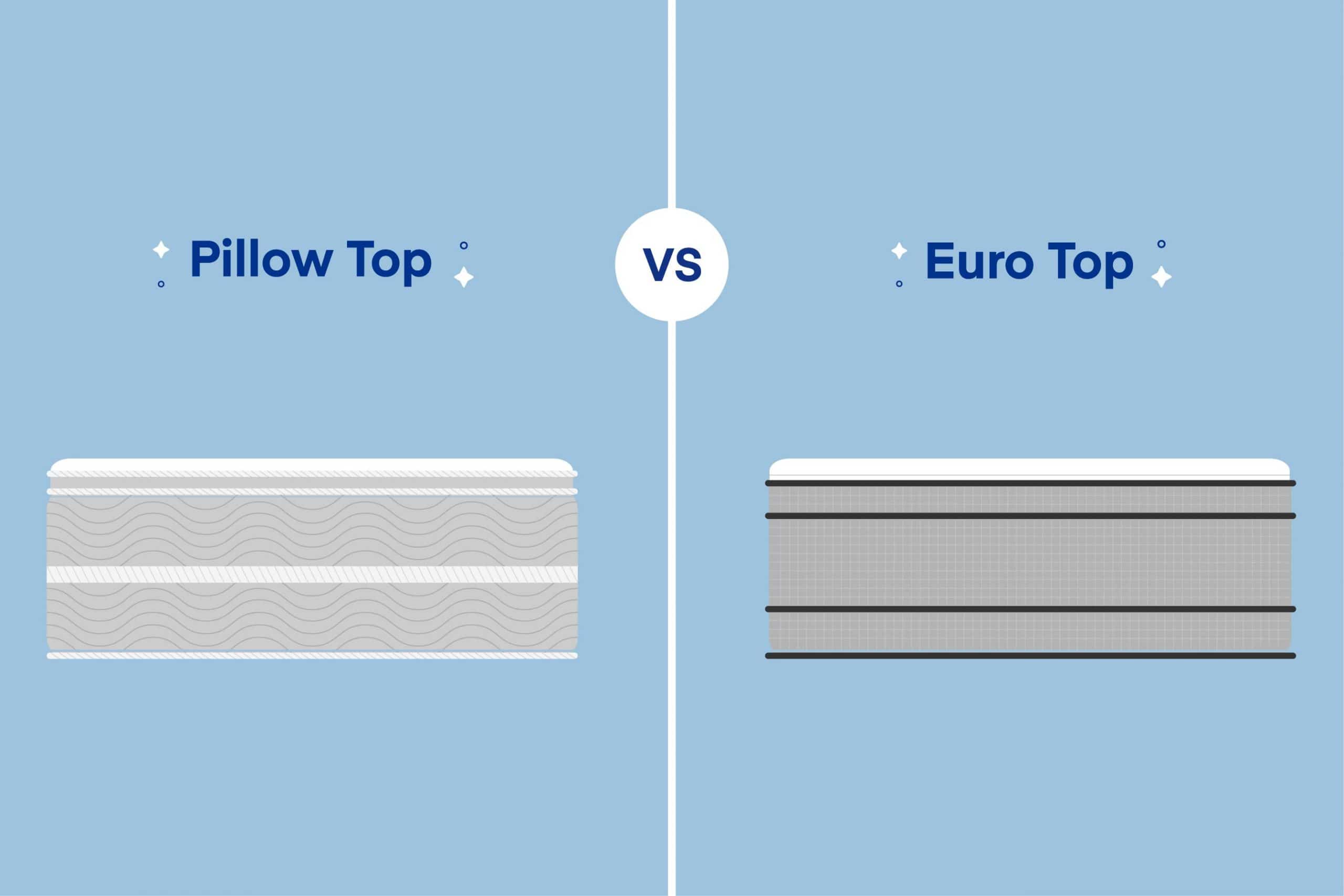
Another critical hazard involves mattress selection for the upper bunk. Parents often purchase thick, plush pillow-top mattresses for maximum comfort, failing to realize that a mattress exceeding the manufacturer's maximum thickness rating—usually six to eight inches—reduces the effective height of the safety guardrails. Federal safety standards require the top surface of the mattress to sit at least five inches below the upper edge of the guardrail. Exceeding this limit creates a severe fall hazard for restless sleepers.
Finishing maintenance is another area where standard household practices can ruin a white bed frame. Using abrasive chemical cleaners, bleach wipes, or scouring pads to clean crayon marks or sticky fingerprints strips the protective clear coat and leaves the porous white paint vulnerable to yellowing and staining. Instead, maintenance routines should rely on a micro-fiber cloth dampened with a mild solution of dish soap and warm water, followed immediately by a dry buffing cloth.

Hardware fatigue is an inevitable reality of dynamic furniture. Over the course of the first six months, seasonal humidity shifts cause wood to expand and contract, loosening bolted joints. Ignoring the annual ritual of checking and re-tightening frame bolts leads to lateral sway, which places undue stress on the joinery and causes annoying squeaking sounds. Applying a drop of removable threadlocker to metal-to-metal bolts during assembly prevents them from vibrating loose over time.
Long-Term Sustainability, Resale Dynamics, and Modular Adaptability
Investing in a premium white staircase bed is rarely viewed as a short-term purchase; it represents a multi-year infrastructural choice for the family home. The decision to buy neutral white carries significant long-term advantages, particularly regarding adaptability and resale value. Unlike brightly painted or theme-based character beds that children outgrow by age seven, a clean white finish transitions effortlessly through distinct developmental stages. It looks equally at home with pastel bedding in a toddler's room, geometric duvets in an elementary schooler's space, and minimalist monochrome styling for a teenager.
Furthermore, many professional-grade bunk systems are designed with modular disassembly in mind. When children outgrow the need to share a room or demand independent sleeping quarters, these beds can often be split into two entirely separate, full-sized twin beds. The staircase module can either remain attached to one bed as a standalone shelving unit or be removed entirely. Preserving the original assembly manual, extra hardware bags, and spare touch-up paint in a labeled zip-top bag ensures that converting or reselling the unit years later remains a frictionless process.
Environmental considerations also play a role in modern furniture selection. Choosing furniture constructed from sustainably harvested timber certified by the Forest Stewardship Council (FSC) ensures that the raw materials were sourced without contributing to destructive deforestation. Additionally, the durability of solid wood furniture counteracts the disposable culture of fast-furniture assembly lines, keeping bulky items out of landfills for decades.

Economic value, therefore, must be calculated on a cost-per-year basis rather than an initial sticker price. A cheap particleboard bed that collapses after three years requires replacement and disposal. Conversely, a solid wood frame with steel hardware and durable finishes can easily serve two generations of children or retain substantial resale value on the secondary market when childhood bedrooms are finally converted into home offices or guest rooms.
Strategic Frameworks for Accessorizing, Lighting, and Room Integration
Maximizing the utility of a white staircase bed extends beyond the physical frame into how the surrounding micro-environment is styled and accessorized. Because white furniture reflects light brilliantly, it serves as an architectural anchor that can make smaller bedrooms feel significantly more spacious and airy. However, without careful textural and lighting interventions, an all-white bed against white walls can feel sterile rather than inviting.
Lighting integration requires targeted planning before the bed is pushed against its final wall. Reading lights on both the upper and lower bunks are essential, but running cords safely away from climbing paths prevents tripping hazards. Modern USB-rechargeable magnetic LED light bars mounted under the upper bunk frame or inside the stairwell provide safe, cordless illumination for midnight descents. Textile choices—such as textured waffle-weave duvets, heavy linen throw pillows, and woven wool rugs—add tactile warmth that offsets the smooth, hard lines of the white frame.
Storage accessories can also be retrofitted to enhance the built-in functionality of the staircase frame. Clip-on bedside caddies made of felt or canvas provide accessible drop zones for glasses, books, and water bottles on the upper bunk where traditional nightstands cannot reach. Magnetic spice racks or shallow wall-mounted book ledges installed on the exterior wall beside the stairs keep frequently read bedtime stories organized without cluttering the floor space.
Finally, rug placement under and around the bed frame demands spatial logic. Placing an area rug that extends at least two feet beyond the perimeter of the bed and stairs cushions any accidental slips and dampens the acoustic echo of active children. Low-pile, stain-resistant synthetic or wool blends prevent small toy wheels from getting stuck and make routine vacuuming around the complex base of the staircase effortless.
The decision to invest in a white bunk bed with stairs is ultimately an investment in daily peace of mind, spatial harmony, and structural safety. By looking past surface-level aesthetics and evaluating timber density, hardware engineering, finish chemistry, and spatial ergonomics, you transform a simple bedroom purchase into an enduring piece of household infrastructure.
As children grow and room requirements shift, a well-chosen, expertly assembled sleeping platform adapts to the changing rhythms of family life. Approach the selection, installation, and maintenance with the deliberate care outlined in this guide, and you will create a secure, beautiful sanctuary that serves your household reliably for years to come.