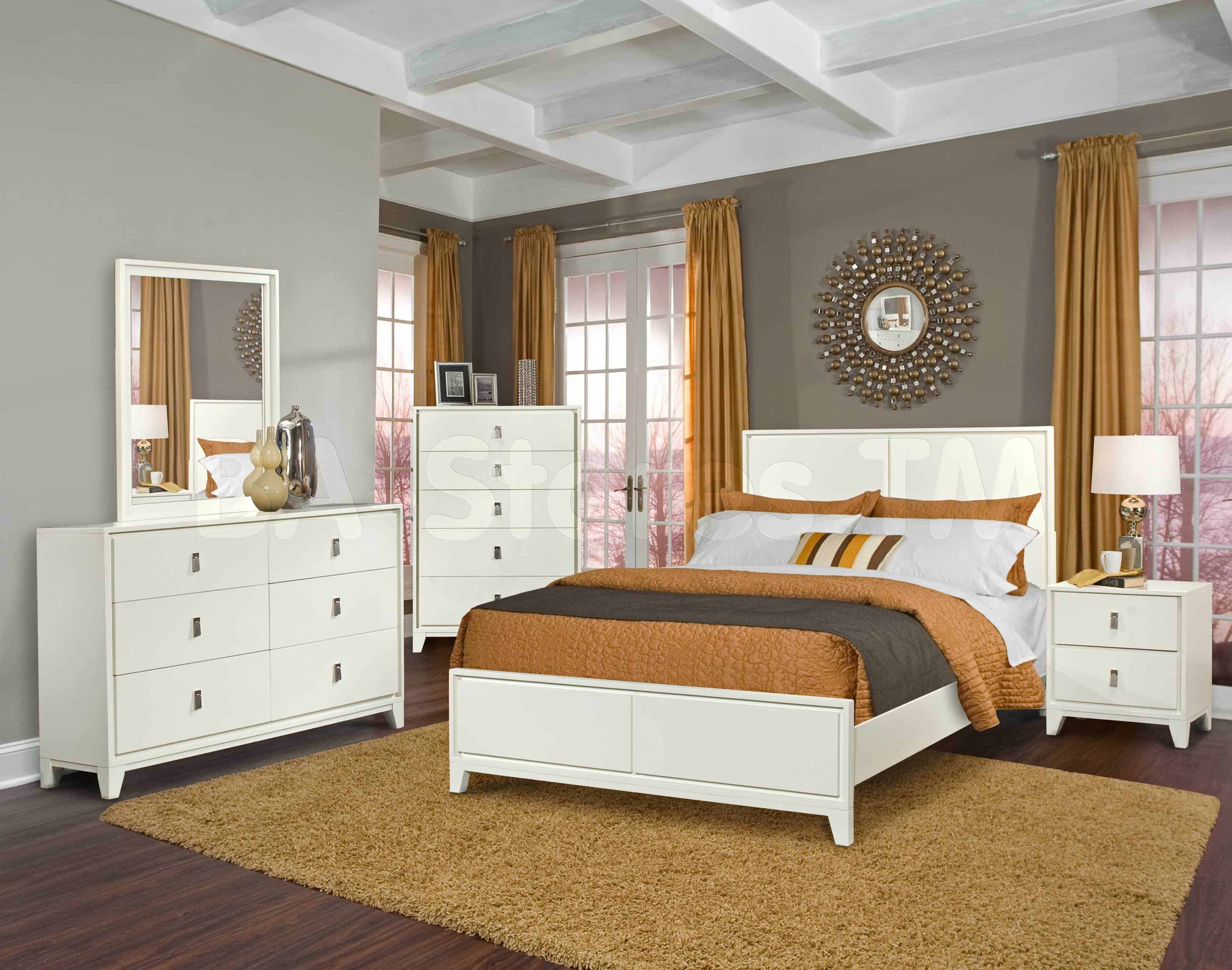
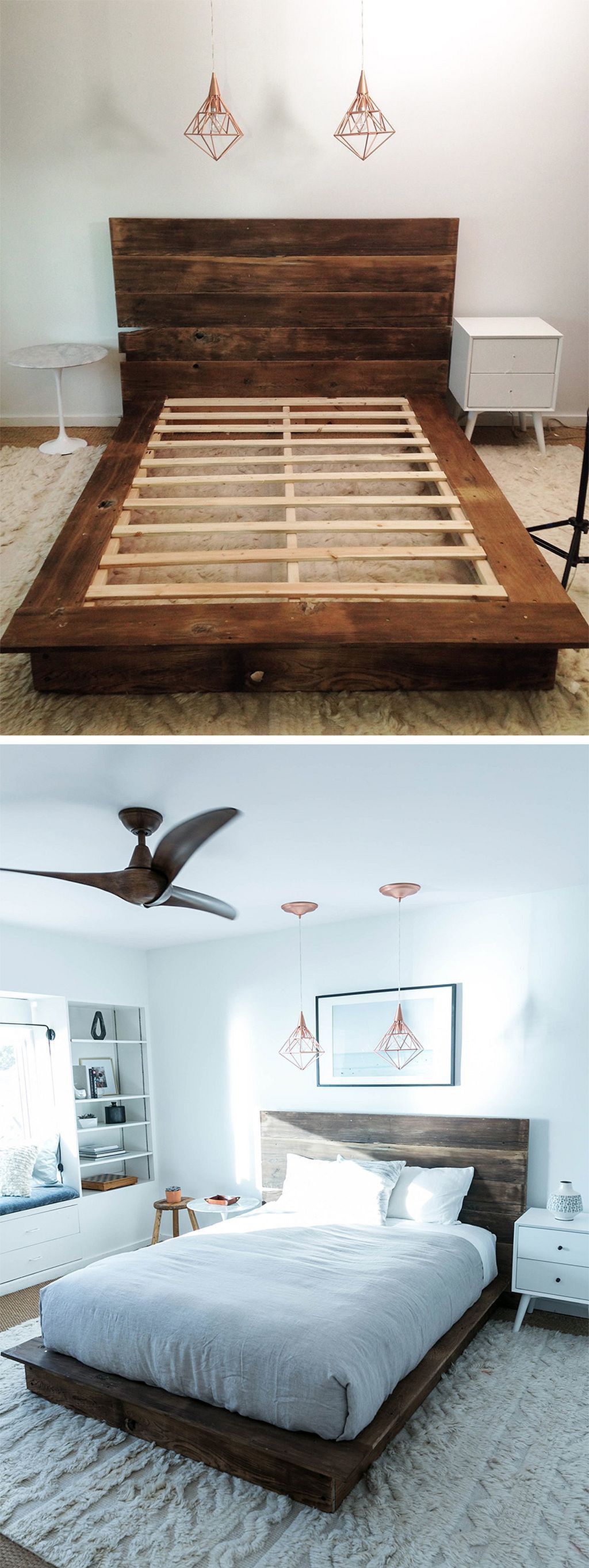
You wake up on a freezing Tuesday in January. Your feet slide off the mattress, bracing for the inevitable shock of bare hardwood. Instead, your toes sink into a dense, yielding layer of New Zealand wool. That split-second sensory shift—from bracing cold to plush insulation—changes the entire morning trajectory. Yet, achieving this sanctuary of texture isn't just about buying a soft textile. It is an exercise in geometric precision, spatial psychology, and material science. Get the sizing wrong by six inches, and your entire room looks instantly disjointed, making a massive king bed feel cramped or floating awkwardly in a void.
The master bedroom occupies a unique psychological space in modern architecture. It is no longer just a functional cell for sleeping; it has evolved into a private refuge, a personal spa, and a multi-functional anchor of the home. Within this ecosystem, the king bed reigns supreme as the heaviest visual and physical anchor. At 76 inches wide by 80 inches long (excluding the frame), a standard king requires a deliberate balancing act. Throw a standard 5x8 rug underneath it, and you commit a spatial sin that interior designers spot from across the room. The rug looks like a postage stamp, cutting off the room's proportions and making the bed look unwieldy.
Mastering the under-king rug configuration requires moving past guesswork and understanding how scale, traffic patterns, and furniture footprints interact. It requires looking at the bedroom floor plan not as empty square footage, but as a canvas of visual weight. Whether you are dealing with a sprawling open-concept primary suite or a modest suburban bedroom where every inch counts, getting this right dictates whether your room feels like an upscale boutique hotel or a cluttered afterthought. Let's break down the mechanics of sizing, material selection, placement strategy, and long-term maintenance required to get this design choice right the first time.
Decoding the Geometry of King Beds and Floor Proportions

Every great interior design choice starts with math, even if the result feels entirely emotional. A standard king-size mattress measures 76 by 80 inches, but once you add a bed frame, headboard, and potential side rails, that footprint easily expands to roughly 82 by 86 inches or more. Placing a rug beneath this behemoth requires understanding how negative space works around the perimeter of the room. If a rug is too small, it creates visual clutter. If it is too large, it swallows the room and traps dust under heavy furniture legs where vacuums fear to tread.
To anchor a king bed properly, the industry standard relies on an 8x10 rug at the absolute minimum, though a 9x12 rug is frequently the gold standard for spacious rooms. Why? Because the rug needs to extend far enough past the sides and foot of the bed to create a balanced framing effect. An 8x10 rug leaves roughly 18 inches of exposed rug on either side of a standard king frame, providing just enough soft real estate for your feet to land comfortably upon waking. Meanwhile, a 9x12 rug offers a generous 26 to 30 inches of clearance, completely transforming the scale of the room and accommodating the placement of nightstands or a bedroom bench at the foot.
Beyond raw dimensions, you must account for architectural anomalies like baseboard heaters, door swings, and closet tracks. A rug that interferes with the primary entry door swinging open will frustrate you every single day. Furthermore, consider the placement of electrical outlets. If your rug covers the only wall outlet behind the nightstand, you will be wrestling with furniture and heavy wool just to plug in your phone charger. Mapping out these physical constraints before buying a rug saves you from expensive freight return fees and endless headaches.
Materiality and Traffic: Choosing Fibers That Survive Real Life

Bedrooms might experience less foot traffic than a mudroom or a family living room, but they present their own unique material challenges. Oils from bare feet, shed skin cells, pet dander, and the sheer weight of a heavy bed frame dictate which fibers will thrive and which will flatten into lifeless mats within eighteen months. Natural fibers like wool, jute, sisal, and cotton behave entirely differently under pressure, and understanding their composition is critical to long-term satisfaction.
Wool remains the undisputed king of bedroom rugs. Its natural lanolin coating repels stains and liquid spills naturally, while its crimped staple fibers provide a natural springiness that resists crushing under heavy bedposts. If you place a king bed on a synthetic polyester or polypropylene rug, the heavy wooden legs will leave permanent, unsightly dents within weeks. Wool recovers its loft much more effectively. However, pure wool sheds during its first few months of life—a normal shedding cycle caused by staple fibers breaking free during the shearing and weaving process, not a sign of poor quality.
Alternative fibers require cautious evaluation. Jute and sisal bring incredible organic texture and coastal or bohemian warmth, but they are notoriously unforgiving in the bedroom. Sisal is stiff, rough on bare morning feet, and permanent water-spot magnets if you spill a glass of bedside water. Jute is softer, but it shreds and disintegrates under high friction, making it a poor choice for high-traffic zones or homes with shedding pets. If you love the organic look of jute, consider a wool-jute blend that captures the visual warmth of plant fibers while retaining the structural resilience of wool.
The Step-by-Step Methodology for Sizing and Placement

Achieving a professional designer look requires a methodical approach to measuring, masking, and positioning your rug. Do not eyeball it. Painters tape and a reliable tape measure are your best friends during this phase. Follow this sequential roadmap to ensure absolute precision.
Navigating Common Pitfalls and Spatial Mistakes
Even seasoned homeowners often fall into classic traps when styling a king bed. Recognizing these errors before you spend money on freight shipping protects your investment and ensures your bedroom achieves that effortless, magazine-worthy finish.
The Long-Term Impact of Quality Textiles on Home Wellness

Investing in a high-quality rug under your king bed is not merely a design whim; it is an investment in acoustic dampening, indoor air quality, and tactile wellness. Modern bedrooms are often packed with hard surfaces—hardwood floors, drywall, glass windows, and lacquered wood furniture. These materials bounce sound waves around, creating an echoey, sterile environment that hinders deep, restorative sleep. A dense wool or thick woven area rug acts as a natural acoustic trap, absorbing high-frequency ambient noise and dampening footsteps, creating a quiet, cocoon-like atmosphere essential for circadian health.
Furthermore, contrary to outdated myths, hard floors do not necessarily mean better indoor air quality than carpeted or rugged spaces. Hard floors allow dust, hair, and allergens to circulate freely with every draft or movement, lifting them into your breathing zone while you sleep. A quality rug acts as a passive particulate trap, holding onto dust and dander until your vacuum's HEPA filter safely extracts them. Choosing natural, non-toxic fibers free from synthetic chemical treatments ensures that the air you breathe during your eight hours of nightly recovery remains clean and uncompromised.
From an economic standpoint, purchasing a durable, heirloom-quality rug—such as a hand-knotted wool or vintage Oushak piece—protects your underlying flooring investment from indentations, wear patterns, and sun bleaching. While cheap synthetic rugs degrade, smell of off-gassing plastics, and end up in landfills within a few years, a well-maintained wool rug ages gracefully, developing a rich patina that enhances its character over decades of use.
Strategic Frameworks for Selecting Color, Texture, and Pile Height

Choosing the right physical dimensions is only half the battle; the visual weight of the rug must harmonize with your existing bedding, wall color, and lighting scheme. When dealing with a massive king bed, the rug acts as the grounding visual horizon. If your bedding is crisp, bright white, and minimalist, a heavily patterned vintage-inspired rug introduces warmth, history, and organic contrast. Conversely, if your walls and bedding feature bold patterns, a solid neutral rug with high textural variance—such as a loop-and-cut pile combination—adds depth without visual noise.
Pile height is another critical decision that balances luxury against practicality. High-pile shag rugs feel incredible on bare feet, but they are notoriously difficult to vacuum thoroughly, trap pet hair deep within the backing, and can make rolling a bedside bassinet or vacuum cleaner across them an exhausting chore. Medium-pile hand-knotted or low-pile flatweave rugs offer a brilliant compromise, delivering substantial underfoot softness without sacrificing ease of cleaning or door clearance.
Lighting also plays a deceptive role in how rug colors appear in a bedroom. Morning light streaming through east-facing windows will make cool grays and blues pop, while warm southern or artificial evening light will pull out golden undertones in creams, beiges, and terracotta wools. Always order physical samples or small swatch mats to test how the fiber reacts to your specific lighting conditions before committing to a room-sized investment.
Transforming your primary bedroom with a properly proportioned rug under your king bed is one of the most impactful design upgrades you can undertake. It shifts the room from a collection of isolated furniture pieces into a cohesive, intentional sanctuary. By respecting the golden rules of scaling—favoring 8x10 or 9x12 dimensions, choosing resilient natural fibers like wool, avoiding awkward furniture straddling, and prioritizing a quality rug pad—you eliminate the visual friction that makes rooms feel unsettled.
As you embark on your bedroom redesign, remember that patience is your greatest asset. Take time to measure twice, tape out your floor plan, and evaluate how the textile interacts with your daily routines and architectural quirks. Your bedroom is the final resting place of your day and the birthplace of your morning. Designing it with intention, precision, and respect for material quality ensures that every step you take inside its borders is grounded in comfort, style, and enduring craftsmanship.