Midnight rolls around, and the familiar thud echoes from the nursery. It is the sound of a toddler scaling the wooden prison bars of a traditional crib, ready to launch themselves into the dark. For decades, the standard crib has been the default milestone of infancy, but a quiet parenting revolution has been reshaping modern homes. Families are trading high-altitude crib walls for the sprawling, grounded comfort of a full size floor bed with rails, shifting the paradigm from containment to autonomy.
Transitioning away from elevated furniture is rarely just an aesthetic choice; it is a calculated leap into child development and parental sanity. Yet, when you scale up from a standard infant cot to a full-size mattress resting directly on or near the floor, the safety calculus shifts dramatically. Suddenly, you are dealing with room-wide perimeters, wall gaps, mattress breathability, and structural rigidity. Getting this setup right requires more than a quick online shopping click—it demands a deep understanding of spatial safety, material integrity, and ergonomic design.
The philosophy behind the floor bed stems from early childhood educational frameworks that emphasize independence and freedom of movement. By lowering the sleep surface, children can crawl in and out of bed on their own terms without risking a dangerous fall from a lofted frame. However, pairing a generous full-size mattress with safety rails introduces specific mechanical challenges. A full-size mattress measures a sprawling 54 by 75 inches, leaving plenty of real estate for rolling, tumbling, and hosting midnight reading sessions with exhausted parents. Navigating this landscape means balancing absolute security against the child's natural desire to explore.
Unpacking the Montessori Philosophy Behind Grounded Sleep Systems

Maria Montessori’s century-old educational tenets were never explicitly about furniture design, yet her core principles of self-directed activity and physical accessibility spawned an entire generation of low-profile sleep furniture. When a child wakes up in a traditional crib, their immediate environment is defined by vertical barriers. They cannot see the rest of the room, they cannot reach their toys, and they are entirely dependent on an adult to lift them out. A floor bed shatters this artificial boundary. The child wakes, rolls over, and stands up in a space that is entirely scaled to their small stature, fostering a quiet confidence that trickles into their daytime routines.
Opting for a full-size version rather than a standard toddler or twin variant completely changes the spatial dynamic. A full-size mattress provides ample room for a parent to lie down next to a restless child during teething phases, sleep regressions, or midnight illnesses. This eliminates the awkward contortions parents usually perform while trying to pat a sleeping toddler through narrow crib slats. It transforms bedtime from a battle of containment into a shared, comforting ritual. The sheer surface area allows the child to stretch out, roll, and find comfortable sleeping positions without bumping into hard wooden headboards or getting wedged into corners.
Yet, introducing a larger footprint demands a meticulous evaluation of the bedroom environment. Because the bed rests at or near floor level, the entire bedroom effectively becomes the crib. Every piece of furniture must be anchored to wall studs, electrical outlets must be tamper-proofed, and blind cords must be completely eradicated. The bed rails act as a transitional boundary, offering a psychological and physical cue where the safe sleeping zone ends and the broader room begins. Far from being a mere cage substitute, a well-designed rail system provides a sense of enclosure that many children still crave for a secure night's rest.
Structural Anatomy and Safety Metrics for Full-Size Bed Rails

When evaluating safety bed rails for a full-size bed frame, precise measurements are non-negotiable. Unlike a twin bed, which hugs a wall tightly on one side, a full-size mattress often sits somewhat centrally in a room or against a single wall, exposing more perimeter edges. Industry standards dictate that safety rails must rise at least 14 to 17 inches above the top surface of the mattress to prevent an active toddler from rolling over them during deep sleep cycles. Furthermore, any gaps between the mattress edge and the rail must either be less than two fingers wide or wide enough to prevent accidental head entrapment, adhering strictly to modern juvenile product safety benchmarks.
Materials matter immensely when constructing or purchasing a grounded sleep system. Solid hardwoods like birch, maple, or rubberwood offer the structural integrity necessary to withstand a toddler shaking, leaning, or kicking against the rails. Plywood and particle board composites, while budget-friendly, often lack the tensile strength required for hardware connections that endure daily physical stress. Fasteners must be countersunk, and all exposed corners must feature a generous radius-cut edge to eliminate sharp points. Non-toxic, water-based finishes and low-VOC sealants are mandatory, as teething toddlers frequently gnaw on top rails during early morning wake windows.
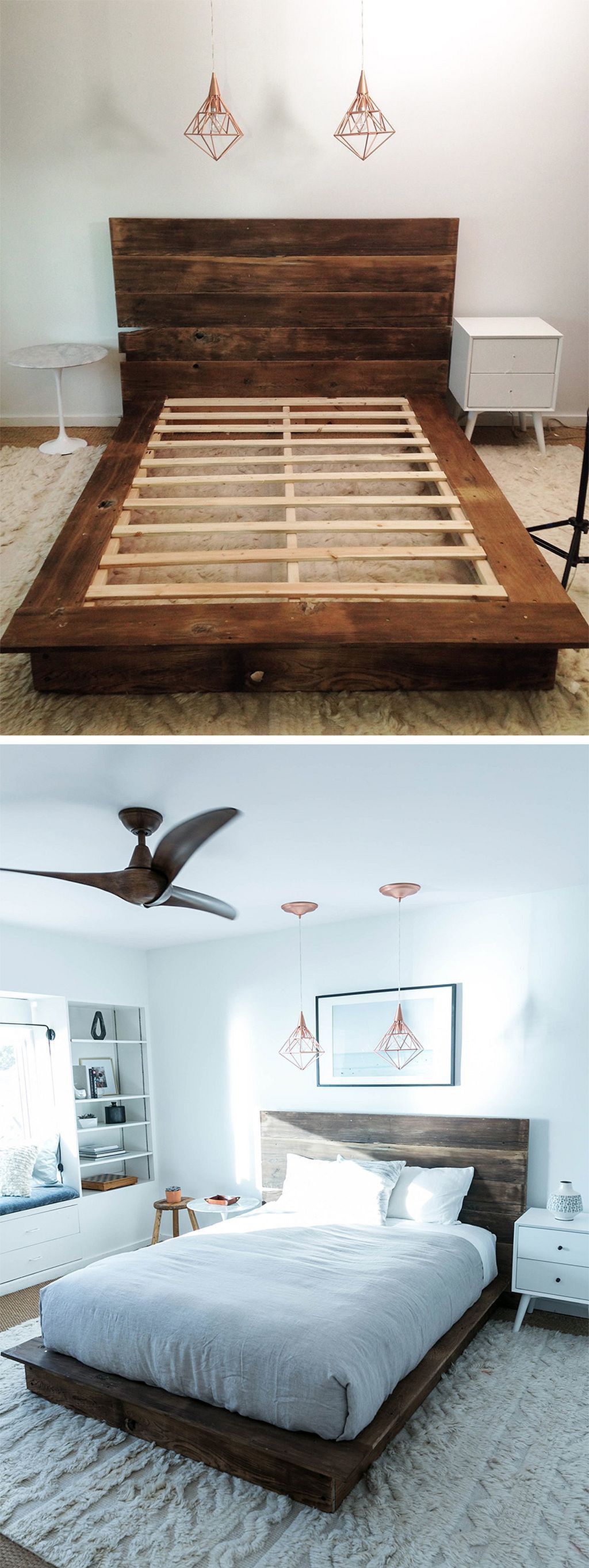
Airflow and ventilation represent another hidden engineering hurdle. Placing a mattress directly on a hardwood or carpeted floor creates a micro-environment prone to trapped body heat and moisture accumulation, which quickly breeds mold and dust mites. A proper floor bed setup incorporates a slatted wooden base or a low-profile platform frame that elevates the mattress by a mere one to three inches. This minor elevation preserves the low-slung aesthetic while allowing air to circulate freely beneath the mattress core, protecting both your investment and your child's respiratory health.
Step-by-Step Implementation Guide for Setting Up Your Floor Bed Space

Transforming a standard bedroom into a secure, Montessori-aligned floor bed sanctuary requires a methodical approach. Skipping a step can compromise the entire safety ecosystem of the room. Follow this comprehensive implementation framework to ensure a flawless setup:
Navigating Common Pitfalls and Field-Tested Workarounds
Even the most well-intentioned parents occasionally stumble into classic traps when transitioning to a floor bed system. Recognizing these hazards ahead of time saves money, frustration, and sleepless nights.
The Broader Impact on Family Dynamics, Sleep Hygiene, and Long-Term Value

Investing in a high-quality full size floor bed with rails is ultimately an investment in long-term family ergonomics. Traditional cribs have a notoriously short lifespan, typically maxing out by age two or three when children learn to climb out or outgrow the physical dimensions. In contrast, a robustly built full-size floor bed transitions gracefully through multiple life stages. It serves as a secure toddler sleep space, accommodates a growing child through their elementary school years, and easily converts into a comfortable daybed or guest room staple when visiting family members arrive.
From a sleep hygiene perspective, the psychological shift is profound. Children who control their own entry and exit from bed exhibit lower bedtime anxiety because sleep feels like a natural sanctuary rather than an enforced punishment. When midnight wakings occur, parents can slip onto the mattress alongside their child to offer immediate, low-stress comfort without having to hoist a heavy toddler out of a deep crib cage. This shared accessibility builds emotional security while preserving the parents' own physical well-being, sparing countless strained backs and sore shoulders.
Economically, while premium solid wood floor beds with integrated rails carry a higher upfront cost than cheap portable cribs, their durability offsets the expense over time. A well-crafted solid wood frame withstands years of energetic bouncing, reading sessions, and furniture rearranging without wobbling or losing structural integrity. Furthermore, because a full-size mattress accommodates standard adult bedding, you bypass the cycle of constantly buying specialty toddler-sized sheets and blankets that become obsolete within twenty-four months.
Actionable Recommendations and Frameworks for Choosing Your Setup

To distill the vast array of market options and DIY possibilities into a clear decision-making framework, evaluate your specific household needs through three core pillars: spatial layout, material sustainability, and developmental stage.
If you have a mobile infant or a very active early toddler, prioritize full-perimeter rail enclosures featuring low-entry swing gates. This ensures absolute security during the night while teaching the child how to safely enter and exit during waking hours through a designated opening. For older toddlers nearing preschool age, half-rail configurations that leave the foot of the bed open provide an ideal compromise between safety and independent freedom of movement.
When selecting hardware and wood species, insist on third-party safety certifications, such as GREENGUARD Gold or FSC-certified timber, ensuring your child breathes clean air during the eight to ten hours spent sleeping each night. Avoid complex mechanisms with pinch points or complicated latching systems that fail under pressure. Simple, robust dowels, sturdy corner brackets, and smooth interlocking wood joints always outperform gimmicky plastic hinges.
Finally, view the floor bed not as a static piece of furniture, but as the anchor of an evolving bedroom ecosystem. Pair the bed with low-level shelving units, blackout window treatments secured against pull cords, and soft area rugs to cushion accidental tumbles. By approaching the transition with intentional design and rigorous safety standards, you create a nurturing environment where independence, safety, and deep restorative sleep harmoniously coexist.
The journey from the confines of a traditional infant crib to the liberating expanse of a full size floor bed with rails marks a quiet yet profound milestone in the rhythm of family life. It is an acknowledgment that growing up is a collaborative process—one that thrives when we design our homes to respect a child's innate drive for autonomy while holding safety as an absolute, uncompromising anchor.
As parenting philosophies continue to pivot toward gentle guidance and developmental readiness, grounded sleep systems are cementing their place as a modern household staple. By taking the time to measure meticulously, source non-toxic materials, and bulletproof your room's safety perimeter, you create far more than a simple place to sleep. You build a secure sanctuary that honors your child's independence, protects their well-being, and grants your entire household the priceless gift of peaceful, uninterrupted rest.