The alarm goes off at 6:30 AM. You reach out across the dark bedroom, expecting solid ground, only to knock your favorite ceramic mug off a wobbly, mismatched nightstand that never quite fit the gap between the mattress frame and the wall. It shatters on the hardwood, instantly fracturing the morning routine. It is a frustratingly common bedroom friction point: the eternal struggle of matching loose furniture to an inflexible spatial footprint.
For years, interior architects and residential designers have grappled with the mathematical headache of bedroom geometry. Standard bed frames, freestanding dressers, and awkwardly proportioned side tables routinely battle for square footage, resulting in congested pathways, tangled power cords, and visual clutter that disrupts the psychological calm required for restorative sleep. The antidote to this domestic friction has quietly revolutionized modern interior styling: the integrated furniture ecosystem.
Enter the platform bed with attached nightstands. By anchoring the bedside surfaces directly to the structural headboard or bed frame, this engineering feat eliminates dead space, stabilizes accessories, and crafts an uninterrupted horizontal line that visually expands even the most compact urban bedroom. Whether navigating a sleek Scandinavian-inspired walnut frame or a heavy-duty steel-reinforced platform, shifting toward integrated nightstands fundamentally changes how we interact with our sleeping quarters.

Anatomy of the Integrated Sleep System: Structural Engineering Meets Minimalist Form
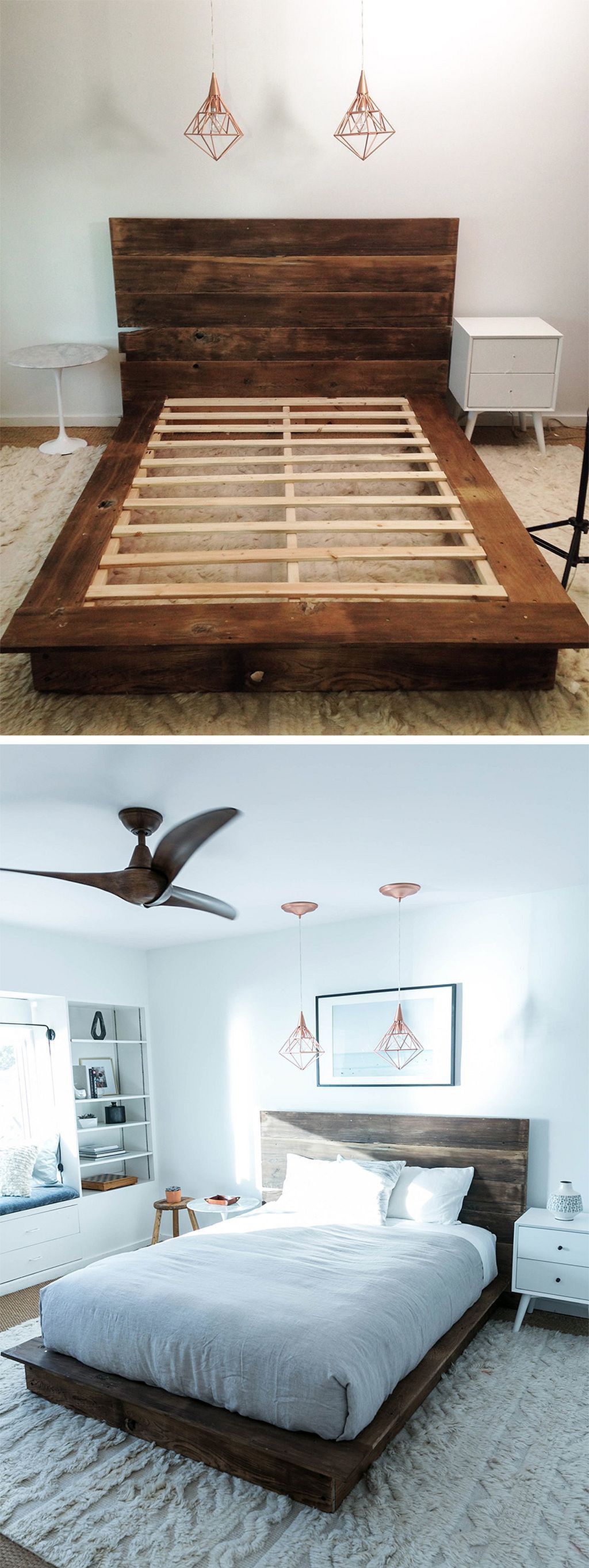
A platform bed is defined primarily by its load-bearing surface—a solid or slatted foundation engineered to support a mattress directly without the traditional, bulky crutch of a box spring. When you weld, bolt, or mechanically anchor nightstand platforms directly into this framework, the engineering demands multiply exponentially. Unlike a freestanding table that transfers its downward load entirely to the floor, an attached nightstand acts as a cantilevered beam.
Physics dictates that any downward force applied to the outer edge of a cantilevered shelf creates rotational leverage at the mounting joint. Therefore, manufacturers must utilize heavy-gauge steel brackets, mortise-and-tenon joinery, or thick engineered wood reinforcements to prevent sagging over time. If you lean your full body weight on an attached nightstand while getting out of bed, the structural integrity of the headboard connection absorbs that kinetic shock.

Material selection dictates longevity in these systems. Solid hardwoods like American walnut, white oak, and hard maple offer exceptional tensile strength, resisting the hairline fractures that frequently plague cheaper particleboard alternatives at stress points. Meanwhile, powder-coated cold-rolled steel frames provide an industrial backbone capable of supporting heavier structural loads without flexing. Understanding these foundational mechanics ensures you invest in a piece built to withstand daily wear, heavy reading lamps, and midnight stumbles for decades.
Spatial Economics: Maximizing Square Footage Without Sacrificing Surface Area
In contemporary interior design, negative space is a luxury commodity. Traditional nightstands create awkward gaps—slipping half an inch too far from the frame, trapping dust bunnies in unreachable crevices, and claiming unnecessary floor real estate that could otherwise accommodate a bassinet, a yoga mat, or simply clear walking paths. Attached nightstands solve this spatial puzzle through sheer consolidation of footprint.

By unifying the bed frame and the bedside tables into a single continuous architectural element, the room’s perimeter opens up. Floor cleaners can sweep underneath the entire assembly without navigating table legs. Visually, the eye perceives the continuous horizontal plane of the platform and attached shelves as a single cohesive unit, trickling down a psychological sense of order and tranquility. This optical illusion is particularly transformative in urban apartments and guest bedrooms where every square inch carries immense functional weight.
Furthermore, integrated nightstands streamline cable management. Without loose tables pulling away from the wall, cords for smartphones, CPAP machines, and reading lights can be routed neatly behind the headboard panel or through pre-drilled grommets. Many modern iterations even incorporate built-in USB-C charging ports, wireless inductive charging pads, and concealed raceways, banishing the chaotic nest of tangled wires that traditionally plagues the bedside zone.
Step-by-Step Strategic Selection and Professional Installation Methodology

Choosing and assembling a platform bed with attached nightstands requires a methodical approach that accounts for mattress height, wall clearances, and structural load limits. Ryping into a purchase without verifying these parameters leads to mismatched heights and ergonomic disaster. Execute the following sequence to guarantee a seamless integration:
Navigating Structural Pitfalls and Field-Tested Workarounds for Long-Term Durability
Even the highest-end integrated furniture systems present unique operational challenges. Anticipating these friction points saves you from costly repairs, structural sagging, and aesthetic disappointment down the road.

The Broader Impact: Architectural Harmony, Sustainability, and the Psychology of Rest
Furniture is rarely just functional; it acts as a silent architect shaping our daily psychological states. The bedroom is our ultimate sanctuary, a therapeutic container designed to lower cortisol levels and prepare the mind for deep sleep. Clutter is an active visual stressor. When bedside items are corralled into clean, floating architectural lines, the brain registers order, which directly correlates with reduced anxiety and improved sleep hygiene.
From an economic and environmental standpoint, integrated furniture represents a shift toward efficient material usage. By combining three distinct pieces of furniture—a bed frame and two independent nightstands—into a single manufactured SKU, factories optimize lumber yield, reduce packaging waste, and minimize carbon footprints associated with freight shipping. Furthermore, investing in high-durability hardwoods rather than disposable flat-pack alternatives aligns with sustainable consumption practices that prioritize generational longevity over fast-furniture churn.
As residential architecture increasingly embraces multi-functional micro-spaces and open-flow urban living, the platform bed with attached nightstands stands out as a masterclass in pragmatic design. It respects the physical limitations of modern square footage while honoring our innate human desire for beauty, balance, and uncompromised comfort.
Blueprint for Bedroom Transformation: Actionable Recommendations and Key Takeaways
To successfully integrate this furniture style into your home, synthesize these core takeaways into a clear action plan:
The evolution of bedroom design is anchored in a simple truth: our living spaces should adapt to our lives, not the other way around. Upgrading to a platform bed with attached nightstands does more than simply clear floor space; it recalibrates the entire atmosphere of your sanctuary, trading chaotic clutter for intentional, streamlined elegance.
As you embark on selecting or building your ideal sleep setup, remember that true luxury lies in the marriage of uncompromising structural integrity and effortless daily function. By approaching your bedroom layout with spatial mindfulness and technical discernment, you create a restorative environment that serves you faithfully every single night, long after the alarm clock fades into the background.