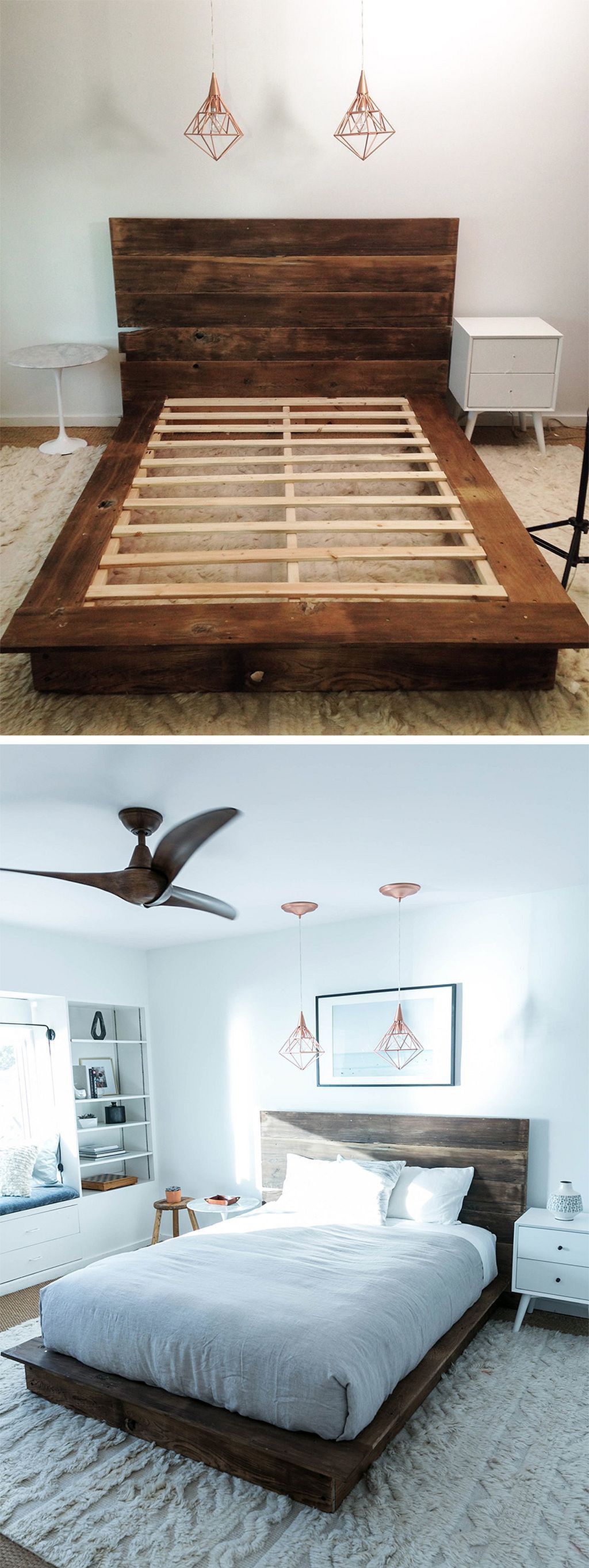
Choosing a new center piece for your bedroom can feel like a massive undertaking, especially when you are eyeing a grand king size frame. Have you ever stared at a mountain of cardboard boxes delivered to your living room and wondered how you will ever turn those loose wooden slats and heavy fabric panels into a cozy sanctuary? Putting together a large furniture item requires patience, and getting it right makes all the difference for your nightly rest.
When you upgrade to a spacious king layout, you want a piece that looks stunning and holds up over time. Upholstered platform styles bring a touch of luxury and soft texture to your sleeping space, eliminating the need for an old-fashioned box spring. But navigating the assembly process and keeping the structure sturdy through 2026 and beyond takes a bit of know-how. Let us walk through the practical strategies you need to get your setup looking and feeling like a professional showcase.
Preparation and Workspace Setup

Before you touch a single screw, clearing out enough room in your bedroom is essential. A king frame spans roughly 76 inches wide, which means you will need plenty of open floor space to lay out parts. Trying to build it in a cramped hallway or moving it after assembly is a recipe for scratched walls or loose joints.
Lay down a soft rug, old blankets, or flattened cardboard boxes to protect your hardwood floors and keep the fabric clean. Unpack all components, sort your nuts, bolts, and washers by size, and cross-reference them with the instruction manual. Taking ten minutes to organize your hardware up front saves you from frustrating mistakes later on.
Assembling the Outer Frame

Start by connecting the heavy side rails to the headboard and footboard panels. Most quality designs use a combination of metal corner brackets and sturdy bolts to lock everything into a solid rectangle. Keep in mind that you should never fully tighten any bolts until every single piece of the outer frame is loosely in place.
Leaving the hardware slightly loose gives you the wiggle room needed to align pre-drilled holes properly. If you tighten one corner all the way right away, the opposite side will likely refuse to line up. Enlisting a friend to hold the heavy upholstered pieces steady while you secure the brackets makes this step much easier and safer.
Installing Center Support Systems

A king mattress covers a wide span, and that extra width means center support is non-negotiable. Without proper vertical support down the middle, the side rails will eventually bow under pressure. Make sure your center support rail is securely attached to both the headboard and footboard brackets.
Adjust the floor-touching support legs so they bear weight evenly across the room floor. If your floors have a slight slope or carpet padding, twisting the adjustable feet on these center legs ensures they stay firmly planted. This simple adjustment prevents annoying squeaks and protects your mattress from sagging prematurely.
Managing Slat Spacing and Alignment

Platform beds rely on wooden or metal slats instead of a bulky box spring to support your mattress. When laying out your slat rolls, check the distance between each piece carefully. Most modern mattress warranties require gaps of no more than three inches to prevent the foam or innerspring core from dipping into empty spaces.
Secure the slats using the provided screws or snap-in connectors, making sure any central straps face downward toward the floor. Even spacing distributes your body weight evenly across the entire frame. Taking your time here guarantees better lower back support and preserves the lifespan of your mattress for years to come.
Attaching Upholstered Elements and Fabric Care

Once the structural skeleton is rock solid, it is time to check how your fabric elements look. Smooth out any wrinkles in the upholstery along the headboard and side rails. If your model features velcro dust covers or slipcovers, tuck them neatly underneath to hide the internal hardware.
Protecting your fabric investment involves simple routine care. Vacuum dust away from tufted buttons or textured linen using a soft brush attachment every few months. For unexpected liquid spills, blot gently with a mild water-based cleaner rather than rubbing aggressively, which can distort the fabric weave.
Even the sturdiest bedroom furniture experiences natural shifting as you sleep, move, and get in and out of bed. Temperature changes and daily use can cause metal fasteners to wiggle loose over time. Plan to inspect your frame every six months and tighten any bolts that feel slightly wobbly.
If you ever need to rearrange your bedroom layout, remember to lift rather than drag the frame across the floor. Dragging puts lateral stress on the corner joints and can snap wooden legs or warp metal brackets. A little proactive maintenance keeps your setup safe, quiet, and reliable.
Setting up a large upholstered platform bed does not have to be an overwhelming chore. By preparing your workspace, paying attention to weight distribution, and tightening hardware carefully, you create a stable foundation for restful sleep. Take pride in your handiwork, keep up with routine maintenance, and enjoy your upgraded bedroom retreat.