There is something deeply magical about hitting the open road with your home trailing right behind you. But anyone who has ever spent more than three days inside a compact camper knows that square footage is precious gold.
When you are trying to squeeze a kitchen, a bathroom, and a comfortable sleeping area into a tiny footprint, every single inch matters. That is exactly where smart engineering comes to the rescue.
Why Space Planning Changes Everything

Before you even look at a hardware catalog or dream about cozy mattresses, you have to measure twice and then measure again. RV interiors are tricky spaces filled with hidden wires, water pipes, and curved walls that do not play nice with rigid furniture.
Take a good look at your floor area and ceiling height before buying anything. If your bed frame blocks a cabinet door or interferes with your slide-out mechanism, you will find out real quick how frustrating daily life can become.
Understanding Weight Limits and Stability

Safety always comes first when you are bolting heavy objects to the inside of a moving vehicle. Modern 2026 folding bed frames are built to handle serious movement, but you still need to check the exact weight capacities for every single bunk.
Look for sturdy aluminum or steel frames that distribute pressure evenly across your wall studs. If the setup feels wobbly on level ground, imagine what happens when you drive down a bumpy dirt road.
Choosing the Right Hardware Kits

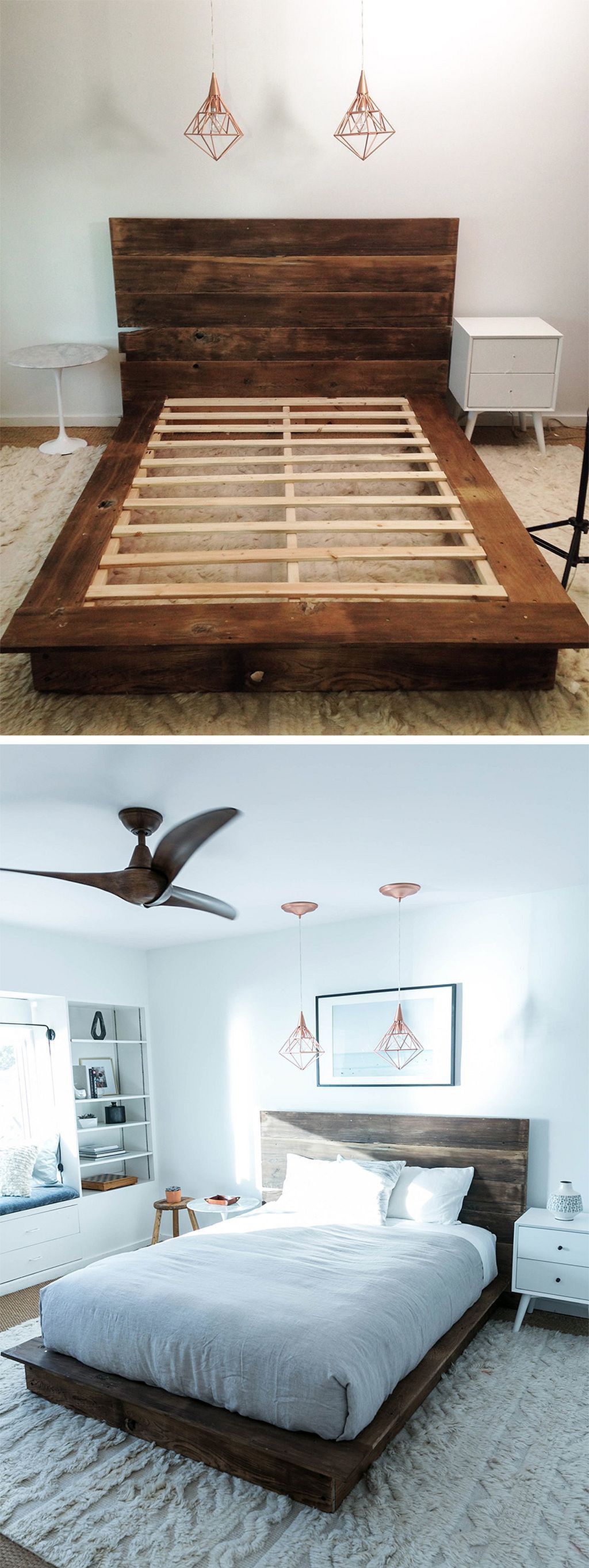
If you are handy and love a good DIY project, putting together a custom wall-mounted kit is a fantastic route. Brands featured in recent 2026 lineups offer clever folding mechanisms that make lifting and lowering the mattress feel effortless.
You want to look for kits that include reliable support legs and smooth locking hinges. A good mechanism will hold the platform securely against the wall while you are driving so it never rattles or drops unexpectedly.
Mattress Selection for Compact Comfort

Let us be honest for a second—nobody enjoys sleeping on a thin, lumpy pad that leaves your back aching by morning. Just because your bed folds up into the wall does not mean you have to sacrifice a good night's rest.
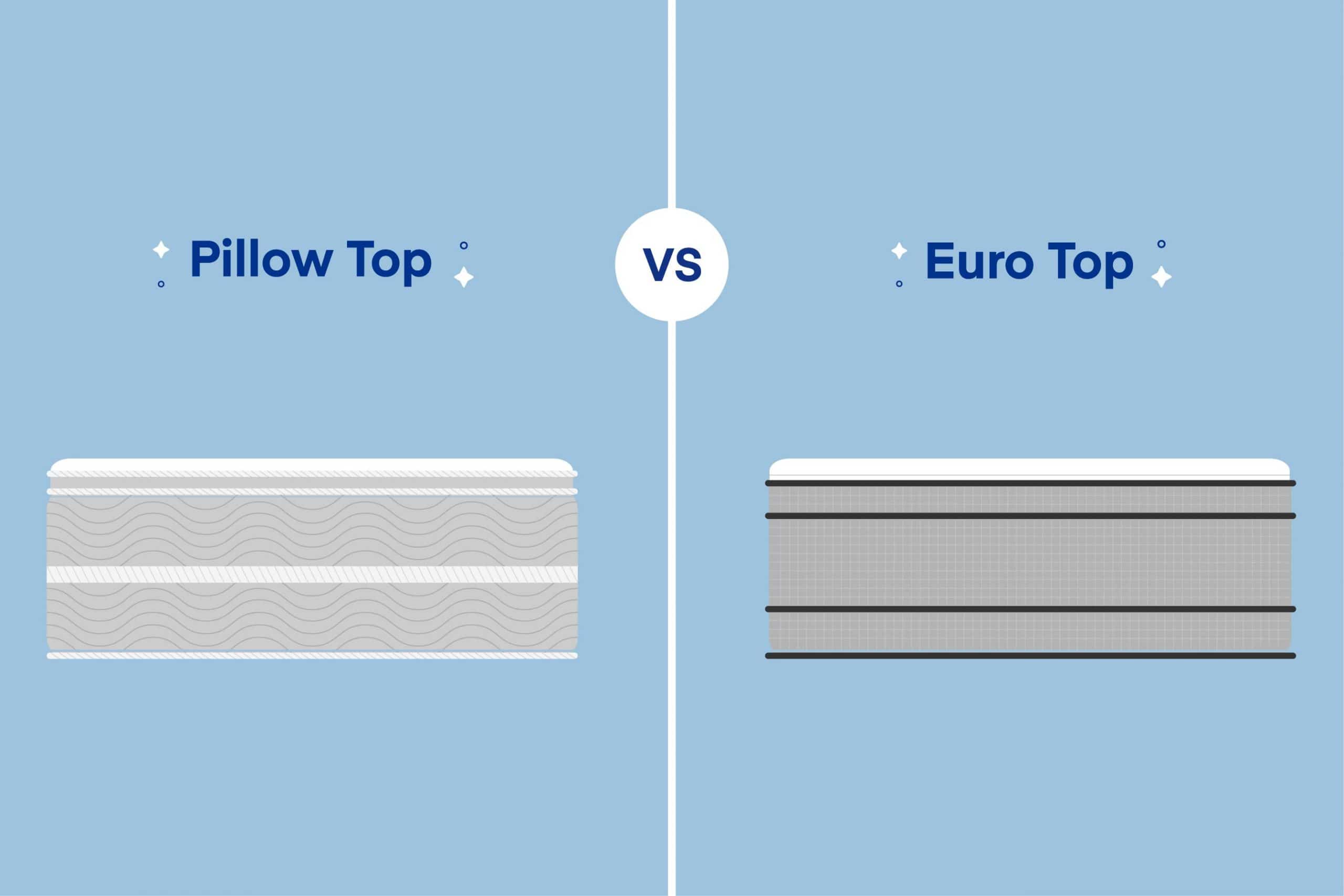
Many modern folding frames are designed to accommodate slim memory foam mattresses that fold right along with the structure. Make sure you test the thickness limits of your chosen frame so the unit still shuts properly when you pack up camp.
Straightforward Installation Tips

Bolting a heavy bed frame into an RV wall is not quite the same as hanging a picture frame in your living room. You need to anchor your hardware directly into solid structural framing rather than thin wall paneling.
Take your time locating those hidden studs and use heavy-duty fasteners that will not shake loose over thousands of miles of travel. Having a friend help hold the pieces in place makes the whole mounting process infinitely safer and easier.
The true beauty of a fold-down bed is how it transforms your living quarters throughout the day. When morning arrives, you simply stow the bed away and instantly reclaim floor space for cooking, working, or relaxing.
Some travelers even pair these wall beds with modular seating or folding desks underneath. By keeping your layout flexible, your tiny travel trailer suddenly feels twice its actual size.
Getting your RV sleeping arrangements dialed in takes a little bit of patience and careful planning. Once you have everything securely mounted and properly tested, you are ready to enjoy countless nights of comfortable rest wherever your travels happen to take you.
Remember to double check your hardware before every big trip, keep your mattress dry, and enjoy the freedom of the open highway. After all, the best part of tiny living is waking up somewhere entirely new each morning.