Ever bought a comforter labeled "Full," brought it home, pulled it over your bed, and wondered why it looked more like a tiny napkin sitting on top of a mattress? You aren't alone. Sizing bedding sounds like it ought to be simple, but the reality is surprisingly messy. Standard mattress sizes exist, sure, but blanket dimensions vary wildly across different brands.
If you are trying to figure out what size full bed comforter you actually need, you've landed in the right place. A standard full mattress measures 54 inches wide by 75 inches long. However, a comforter designed for that same mattress usually spans anywhere from 80 to 90 inches wide and 85 to 90 inches long. Why such a big gap? It all comes down to drop length, mattress thickness, and how much fabric you actually want hanging down the sides.
The Standard Dimensions (And Why They Vary)

When you start browsing online or in stores, you'll quickly notice that "Full" isn't a single set of fixed numbers. Most full-size comforters fall around 80x86 inches, 84x90 inches, or 86x86 inches. That generous extra fabric compared to the mattress dimensions is intentional—it provides the "drop," which is the overhang that hides your sheets and mattress frame.
The trouble usually begins with "Full/Queen" hybrid sizes. Many manufacturers make a single comforter designed to fit both mattress sizes to save on production costs. On a queen mattress, a Full/Queen comforter might look a bit short. But on a full mattress? It often gives you a plush, luxurious look with plenty of coverage. The downside is that if your bed sits low to the ground, a hybrid size might end up dragging on the floor and collecting dust.
| Bedding Label | Average Width (Inches) | Average Length (Inches) | Best Mattress Match | | --- | --- | --- | --- | | Standard Full | 80" – 86" | 85" – 90" | Standard 54" x 75" mattress | | Full / Queen | 88" – 90" | 88" – 94" | Deep Full or Queen mattresses | | Standard Queen | 88" – 92" | 92" – 96" | Queen 60" x 80" mattress |

Don't Forget Mattress Depth and Pillow Tops
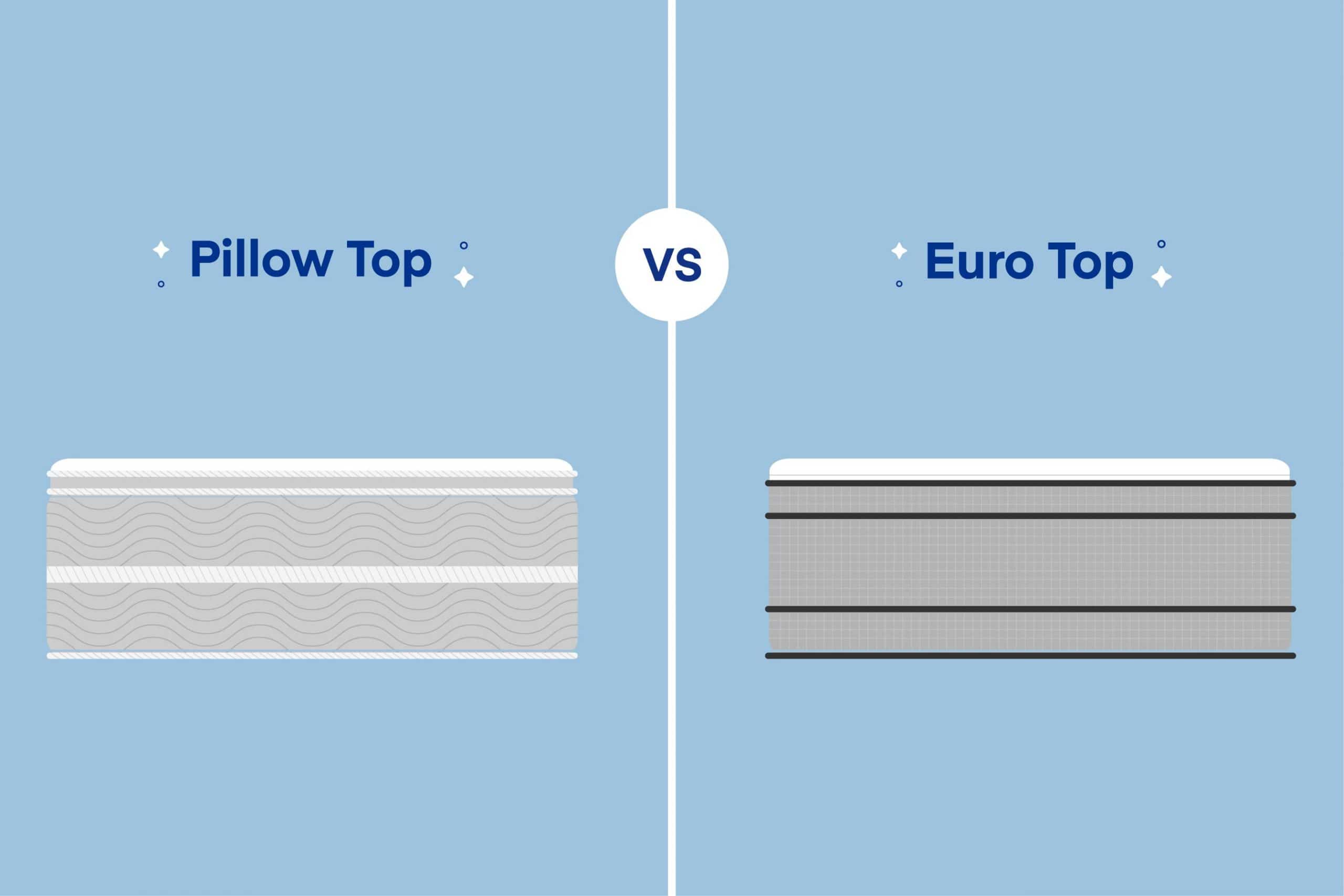
Here is a common mistake: people measure the top flat surface of their bed and forget to look at how tall it is. A standard full mattress used to be about 8 to 10 inches thick. Today, with memory foam toppers, pillow tops, and hybrid designs, it is super common for mattresses to reach 12, 14, or even 16 inches in height.
If you put an 80-inch wide comforter on a 54-inch wide mattress that is 14 inches thick, do the quick math. Subtracting 54 from 80 leaves you with 26 inches of extra width total. That means you only get 13 inches of hang on each side. If your mattress is 14 inches deep, your box spring or bottom sheet is going to show. That's why measuring mattress depth is just as important as measuring width.

How to Calculate Your Ideal Comforter Size
To figure out your exact ideal dimensions, grab a tape measure before opening your wallet. Start by measuring the total width of your mattress, the length from the top edge to the bottom edge, and the height from the top edge down to where you want the comforter to stop (like the bed frame or the floor).
Here is a simple calculation you can use:

For example, on a standard 54" x 75" mattress that is 12 inches thick, you'd want a comforter at least 78 inches wide (54 + 12 + 12) and 87 inches long (75 + 12). If you prefer a longer drop that covers the bed skirt completely, just add an extra inch or two to your depth measurement.
Full vs. Full/Queen: Which Should You Buy?
Choosing between a true Full and a Full/Queen comforter usually comes down to personal taste and how tall your bed sits. If you have a platform bed without a box spring, a dedicated Full comforter around 82x86 inches will look tailored and neat without bunching up on the carpet.

On the other hand, if you share your bed with a partner or a pet who likes to steal the covers, going up to a Full/Queen or even a standard Queen is usually a game-changer. The extra width means when one person rolls over, the other isn't left completely uncovered in the middle of the night. It also works great if you have a high-profile mattress with a deep box spring underneath.
Practical Tips for Styling and Fabric Care
Once you pick the right dimensions, how you dress the bed makes a massive difference in how the room feels. If your comforter ends up being slightly too short on the sides, don't worry. You can easily balance out the look by using a tailored bed skirt to cover the exposed frame, or layering a throw blanket horizontally across the foot of the bed.
Also, keep fabric shrinkage in mind! Natural fibers like 100% cotton tend to shrink a bit after their first run through the wash. If you buy a comforter that just barely fits your measurements, washing it in hot water might leave you with something a little too small. Always check laundering instructions, and consider sizing up slightly if you prefer machine-washable cotton bedding over dry-clean options.
The biggest mistake shoppers make is assuming terms like "Full" are universal across all brands. One brand's Full comforter might measure 80x86 inches, while another's measures 86x92 inches. Always skip the generic label on the front of the packaging and check the fine print for exact dimensions in inches.
Another issue is forgetting about your bed frame style. Sleigh beds, footboards, and framed platform structures change how a blanket drapes. If your bed has a thick footboard, a comforter that is too long will have to be tucked in tightly, which can look bulky and uncomfortable. For beds with footboards, prioritize width over length so you can tuck the end neatly without awkward bunches of fabric.
Getting the size right for your full bed isn't complicated once you know what numbers to look for. Measure your mattress height, factor in your personal bedding preferences, and check the tag for actual inch dimensions rather than just relying on the label. With these simple tips, your bed will look great and keep you comfortable all night.
What is your biggest pain point when picking out bedding for your mattress?