Imagine a living space that whispers calm, a sanctuary where every object has purpose and beauty. This isn't just a dream; it's the reality of a Wabi apartment, a perfect embodiment of the Japandi design philosophy. It's a style that’s capturing hearts worldwide, and for good reason. Let’s dive deep into what makes these spaces so special and how you can bring that same peaceful vibe into your own home.
Japandi. You've probably heard the term, right? It's a fascinating fusion, a harmonious marriage between the understated elegance of Japanese aesthetics and the cozy functionality of Scandinavian design. Think clean lines, natural materials, and a deep appreciation for craftsmanship. Now, picture this philosophy distilled into an apartment setting, a 'Wabi apartment.' The 'wabi' part itself is a nod to the Japanese concept of 'wabi-sabi,' which finds beauty in imperfection and transience. So, a Wabi apartment isn't about pristine perfection; it's about lived-in charm, authenticity, and a profound sense of peace. It's about creating a home that feels grounded, intentional, and deeply personal.
The Core Principles of Japandi Design
Before we get too deep into the Wabi apartment specifically, let's break down the pillars of Japandi itself. It’s not just about picking out furniture. It’s a way of thinking about your environment.
- Minimalism with Warmth: Unlike stark Japanese minimalism, Japandi injects a dose of Scandinavian coziness (think 'hygge'). It’s about having less, but making sure what you have is beautiful and functional. No clutter, but also no coldness.
- Natural Materials: Wood is king here, often in lighter, natural finishes. You'll also see plenty of rattan, bamboo, linen, cotton, and even stone. These materials bring the outdoors in and add a tactile, organic feel.
- Neutral Color Palettes: Think earthy tones, muted grays, soft whites, and gentle beiges. Pops of color are rare and usually come in the form of nature-inspired hues like deep greens or muted blues.
- Functionality and Simplicity: Every item should serve a purpose, and its design should be straightforward and elegant. No unnecessary embellishments. Form follows function, but with an artistic touch.
- Craftsmanship and Quality: There's a strong emphasis on well-made pieces that are built to last. This isn't about fast fashion for your home; it's about investing in items with soul and story.
Defining the Wabi Apartment: More Than Just Style
So, how does this translate into an apartment? A Wabi apartment takes these Japandi principles and applies them to smaller, often more urban living spaces. It’s about maximizing the sense of calm and openness, even when square footage is limited.
Imagine walking into a Wabi apartment. The first thing you’ll notice is the sense of calm. The air feels lighter, more breathable. The color scheme is soothing, perhaps a soft off-white on the walls complemented by warm wood tones in the flooring and furniture. A few carefully chosen pieces of art, maybe a simple ceramic vase with a single branch, add personality without overwhelming the space. There’s an intentionality to everything. Nothing is there by accident. It feels curated, but not in a stuffy, museum-like way. It feels lived-in, comfortable, and utterly serene. This is the essence of the Wabi apartment.
Key Elements of a Wabi Apartment's Interior
Let's get down to the nitty-gritty. What are the actual components that make a Wabi apartment feel so special?
- The Layout: Open-plan living is often favored to create a sense of spaciousness. Furniture is arranged to promote flow and avoid blocking natural light. Room dividers, if used, are often slatted or made of natural materials to maintain sightlines.
- Furniture Choices: Look for pieces with clean lines and natural wood finishes. Think low-profile sofas, simple wooden tables, and functional storage solutions that blend seamlessly into the decor. Danish mid-century modern pieces often fit perfectly.
- Lighting: Natural light is paramount. Sheer curtains or blinds are used to diffuse sunlight without blocking it entirely. Artificial lighting is warm and ambient, often with dimmers to control the mood. Pendant lights with natural shades are common.
- Textiles: Soft, tactile fabrics are key for warmth. Think linen cushions, wool throws, and natural fiber rugs. These add texture and comfort, softening the clean lines of the furniture.
- Decor and Accessories: This is where the 'wabi-sabi' really shines. Instead of mass-produced decor, you’ll find handmade ceramics, simple plants, and perhaps a few cherished objects that tell a story. Imperfect beauty is celebrated.
- Storage Solutions: Clutter is the enemy of serenity. Wabi apartments often feature built-in storage, minimalist shelving units, and beautiful baskets or boxes to keep essentials out of sight.
Bringing Wabi Apartment Serenity into Your Home
You don't need to live in a purpose-built Wabi apartment to cultivate this feeling. Here are some practical tips to infuse your current space with Japandi serenity:
- Declutter Ruthlessly: Start by clearing out anything you don't use, need, or truly love. The less you have, the more peaceful your space will feel. Consider the 'one in, one out' rule.
- Embrace Natural Materials: Introduce wooden elements through furniture, shelving, or even decorative items. Add textiles made from linen, cotton, or wool. A jute rug can instantly add warmth.
- Choose a Muted Color Palette: Repaint your walls in soft, neutral tones. Use accessories in earthy or muted colors to add subtle accents.
- Focus on Functional Furniture: Opt for pieces that are both beautiful and serve a clear purpose. Avoid overly ornate or trendy items. Look for quality over quantity.
- Incorporate Plants: Greenery brings life and a connection to nature. Choose simple, elegant plants and minimalist pots.
- Curate Your Decor: Display only a few meaningful items. Handmade pottery, a beautiful bowl, or a piece of art can be more impactful than a shelf full of trinkets.
- Soften the Lighting: Use warm light bulbs and consider adding dimmers. Layer your lighting with floor lamps and table lamps to create a cozy ambiance.
The Psychology of a Wabi Apartment: Why It Works
There’s a reason why Japandi and the Wabi apartment resonate so deeply with people. In our often hectic and overstimulated lives, these spaces offer a much-needed respite. The minimalist approach reduces visual noise, allowing the mind to relax. Natural materials and organic shapes connect us to the earth, providing a sense of grounding and stability. The emphasis on quality and craftsmanship encourages a slower, more mindful way of living. It’s about creating an environment that supports well-being, reduces stress, and fosters a sense of peace and contentment. It’s a sanctuary where you can truly recharge and be present. This isn't just about aesthetics; it's about creating a feeling, a state of mind.
Beyond Aesthetics: Sustainability and Longevity
A really interesting aspect of the Japandi philosophy, and by extension the Wabi apartment, is its inherent connection to sustainability. By focusing on quality, durable materials and timeless design, this style naturally encourages consumption that lasts. Instead of buying disposable decor that needs frequent replacement, Japandi promotes investing in pieces that can be cherished for years, even generations. This mindful approach to consumption reduces waste and benefits the planet. Furthermore, the use of natural, often locally sourced materials, when possible, further enhances the eco-friendly credentials. It’s a beautiful synergy of personal well-being and environmental responsibility. It’s about making conscious choices that benefit both you and the world around you.
The Wabi apartment, with its Japandi soul, offers a compelling blueprint for creating a home that is both beautiful and deeply peaceful. It’s a style that invites you to slow down, to appreciate the simple things, and to cultivate a sanctuary that nourishes your well-being. Whether you’re redesigning your entire living space or just looking to add a touch of tranquility, remember that the essence of Japandi lies in intentionality, natural beauty, and a mindful approach to living. So go ahead, embrace the imperfect, celebrate the functional, and create your own little corner of Japandi serenity. Your mind and spirit will thank you for it.


Related Posts
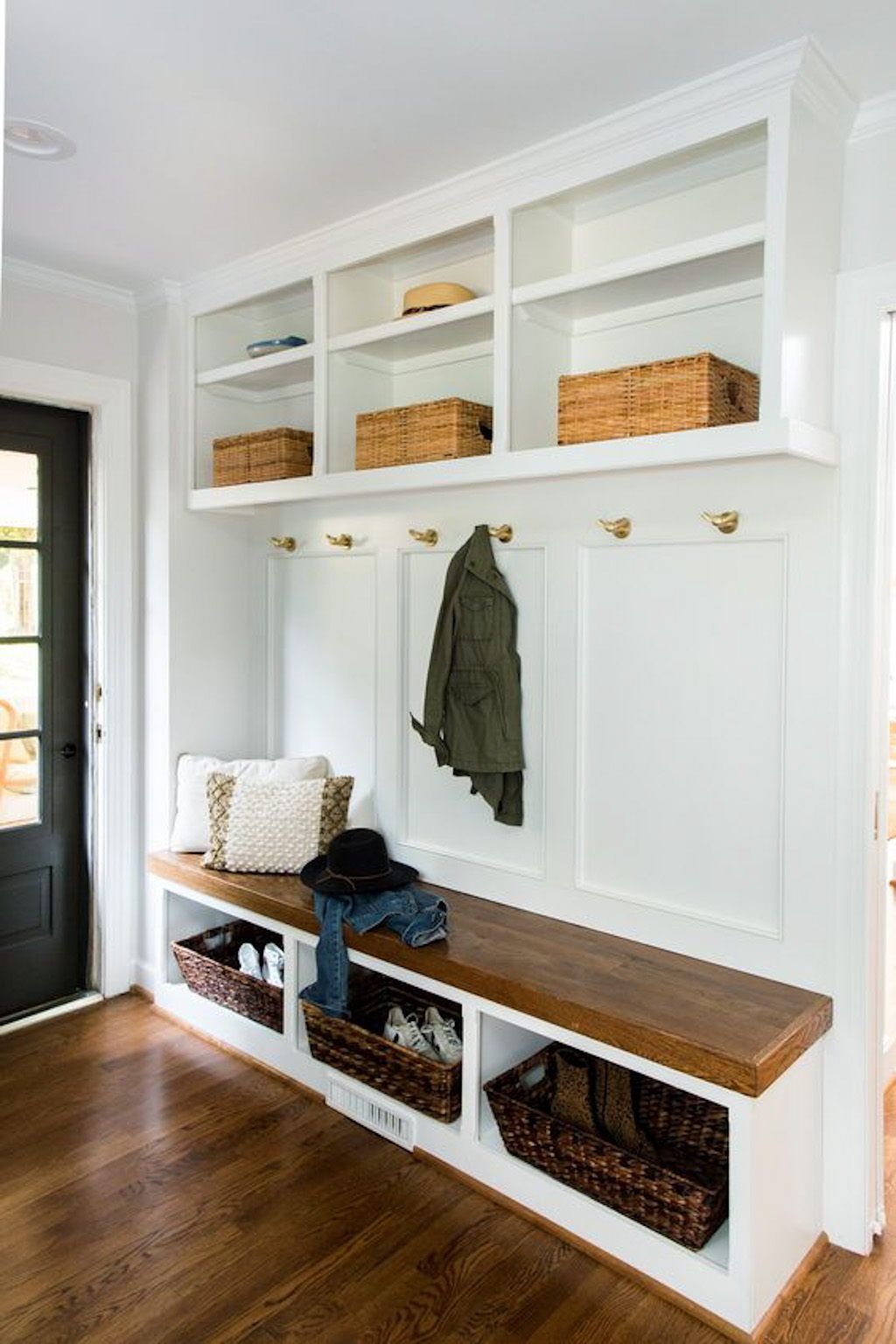
Small Space Solutions for a Mudroom Storage and Bench Without Clutter
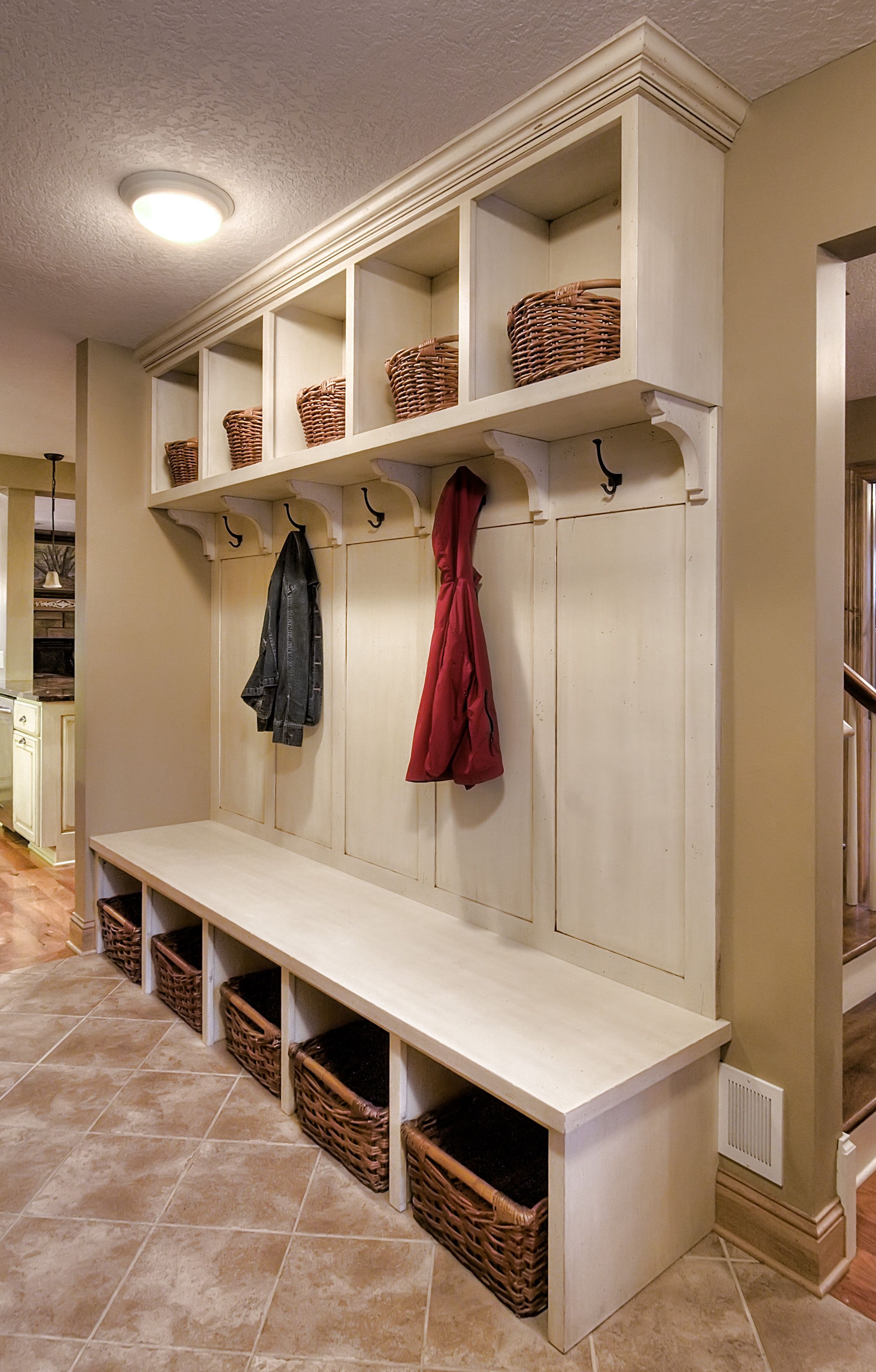
Mudroom Storage Ideas That Keep a Busy Entryway Tidy
Eco-Friendly Solutions for Common Garden Pests
Winter Glow: How Designer-Led Lighting Transforms Cold Spaces into Cozy Retreats

Transform Your Space with These Rug Layering Techniques

