There’s something undeniably striking about a bed dressed in black and white. It’s bold yet calm. Modern but classic. You walk into the room, and your eyes go straight to that crisp contrast. It feels intentional. Like you put thought into it, even if you just threw the duvet on this morning. But getting it right? That’s where things get tricky. Too much black can feel heavy, like sleeping under a cloud of midnight. Too much white? Well, it might look like a hospital sheet if you aren't careful.
In 2026, the trend isn’t just about slapping two opposing colors together. It’s about texture. It’s about the way light hits a sateen weave versus a rough linen. It’s about finding that sweet spot where luxury meets everyday practicality. Whether you are renovating a master suite or just refreshing your sleep space, king-size bedding offers a massive canvas. And when that canvas is monochrome, every detail matters. From the thread count to the stitching on the sham, each element contributes to the overall vibe. Let’s dive into what actually makes these sets work, and more importantly, how to pick one that doesn’t just look good in photos but feels incredible to sleep in.
Why Monochrome Works in Modern Bedrooms
Black and white bedding has stayed popular for decades because it’s versatile. Seriously, think about it. It fits with industrial lofts, minimalist Scandinavian designs, and even traditional homes with a twist. In 2026, interior designers are leaning harder into this duality. They call it "grounded elegance." The black anchors the room, giving it weight and sophistication. The white brings airiness and light. Together, they create a balance that colored patterns often struggle to achieve.
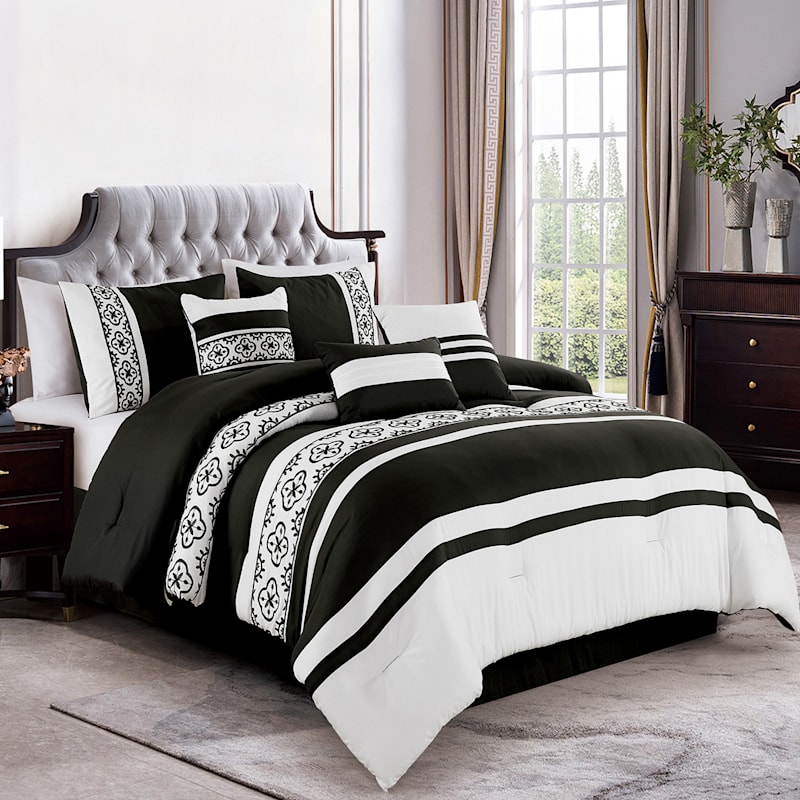
But it’s not just about aesthetics. There’s a psychological component too. Cluttered patterns can sometimes overstimulate the brain before sleep. A solid or subtly patterned monochrome scheme signals rest. It’s quiet. Visual noise is reduced. This is especially true for king beds, which dominate the visual space of a bedroom. When the largest object in the room is calm, the whole room feels calmer. Plus, it makes accessorizing easy. Want to add a pop of color? Throw a mustard yellow pillow on there. Feel like keeping it neutral? Add some gray or beige throws. The black and white base plays nice with everything.
Another reason it works is the illusion of space. White reflects light, making smaller rooms feel bigger. Black absorbs it, creating cozy nooks. By combining them, you get the best of both worlds. You don’t sacrifice brightness for drama. You get both. This is why so many people are searching for these sets online. They want a look that feels curated without feeling stiff. And let’s be honest, who doesn’t want their bed to look like it belongs in a magazine, even if they’re just scrolling through their phone before bed?
Choosing the Right Fabric for Comfort and Durability
Fabric is where the rubber meets the road. Or rather, where your cheek meets the pillowcase. You can have the most stunning geometric pattern, but if the material feels like sandpaper, you won’t care. In 2026, the top choices remain cotton, linen, and high-quality microfiber, but the nuances matter. Cotton is the gold standard for a reason. It breathes. It softens over time. Specifically, look for long-staple cotton or Egyptian cotton if your budget allows. These fibers are longer, meaning fewer ends sticking out, which results in a smoother feel and less pilling.
Linen is having a huge moment right now. It’s textured, slightly rough at first, but incredibly breathable. If you sleep hot, linen is your friend. The natural irregularities in the fiber allow air to circulate better than tight weaves. However, linen wrinkles. A lot. Some people love that lived-in, effortless look. Others hate ironing. If you’re in the latter camp, maybe skip pure linen. Or look for a cotton-linen blend. You get some of the texture and breathability of linen with the smoothness and wrinkle resistance of cotton. It’s a smart compromise.
Then there’s sateen versus percale. This is a big deal for black and white sets. Sateen has a silky, lustrous finish. It drapes beautifully and feels luxurious against the skin. Black sateen looks particularly rich, almost velvety. But it can show scratches or pulls more easily. Percale, on the other hand, is crisp. Think of a fresh button-down shirt. It’s matte and cool to the touch. White percale looks incredibly clean and sharp. For king sets, percale often holds its shape better on a large surface area, avoiding that sloppy, bunched-up look. Microfiber has improved too, offering affordability and durability, though it doesn’t breathe as well as natural fibers. Choose based on your sleep temperature and how much maintenance you’re willing to do.
Patterns and Textures: Beyond Solid Colors
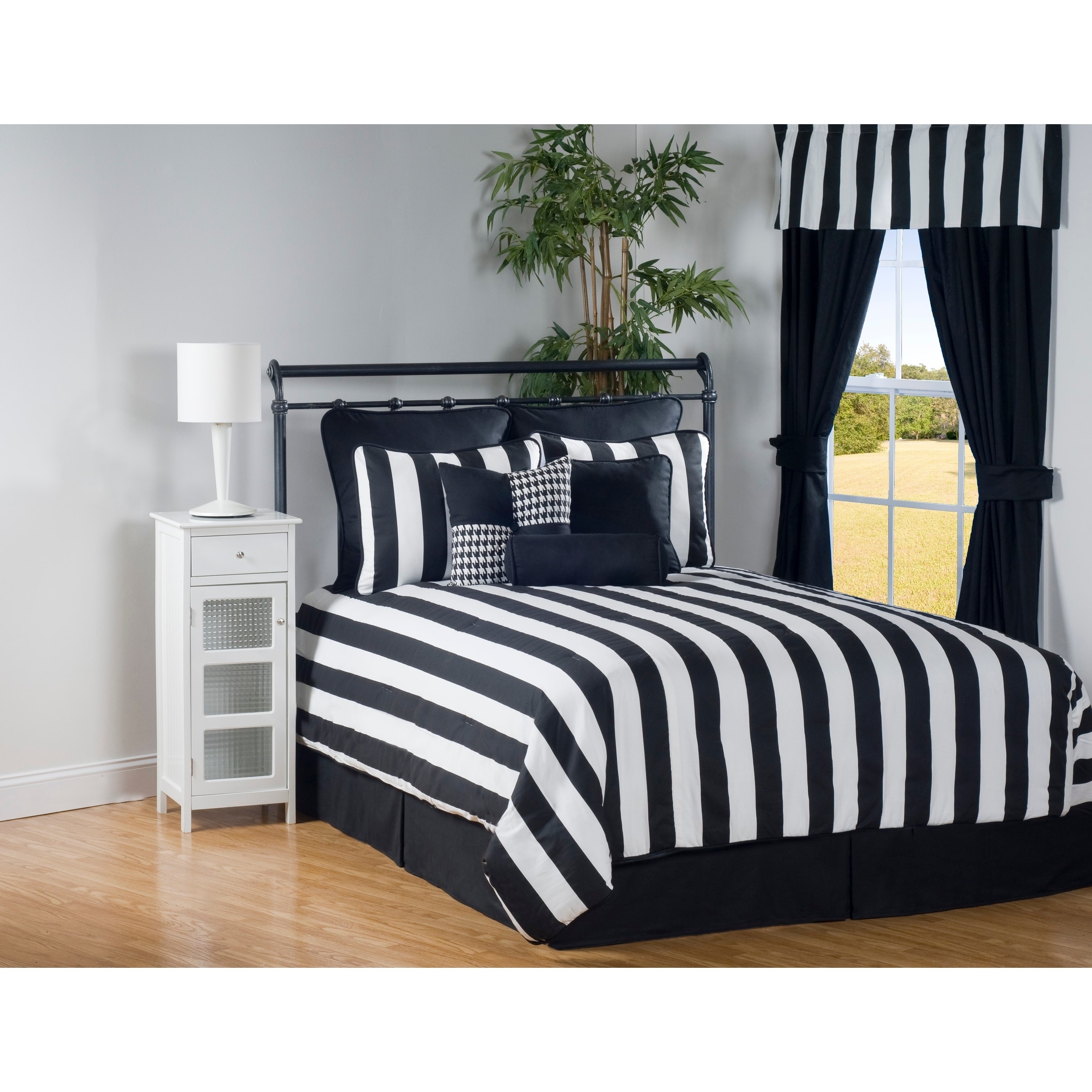
Solid black and white is safe, but it can be boring. Adding pattern or texture adds depth. Stripes are a classic choice. Vertical stripes can make ceilings feel higher, while horizontal ones widen the room. But be careful with scale. On a king bed, tiny stripes can look busy from a distance. Bold, wide stripes make a statement. Geometric patterns, like chevrons or grids, are also popular in 2026. They add a modern, architectural feel. Just ensure the pattern aligns properly when you make the bed. Nothing ruins the look faster than a misaligned grid on the duvet cover.
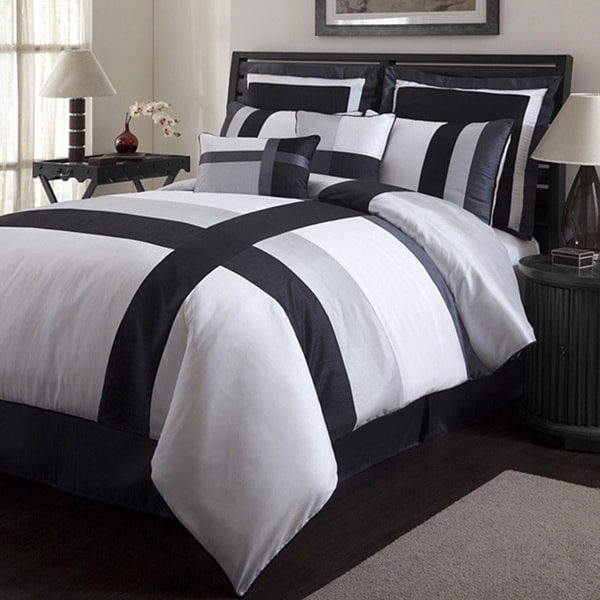
Texture is the unsung hero of monochrome bedding. Consider a quilted comforter. The stitching creates shadows and highlights, adding visual interest without adding color. A waffle weave or a jacquard pattern does the same thing. These textures catch the light differently throughout the day. Morning sun might highlight the raised parts of a jacquard design, while evening lamp light creates deep shadows in the recesses. It makes the bed look dynamic. It changes with the room.
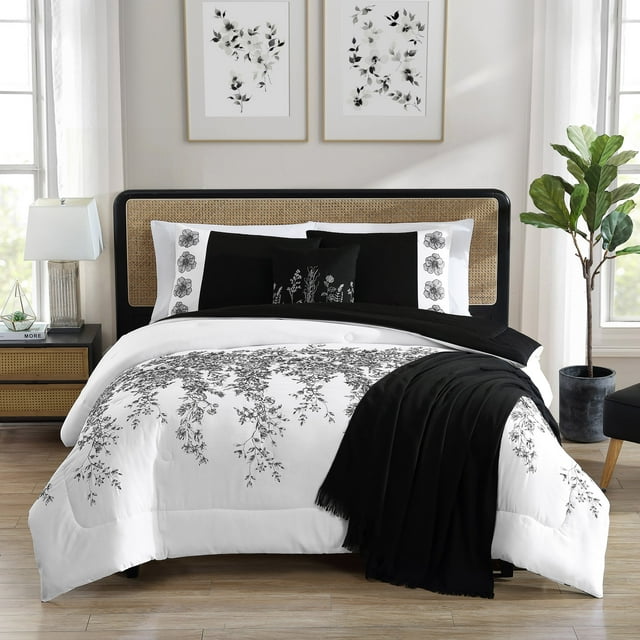
Don’t forget about mixing materials within the set. Maybe the duvet cover is smooth cotton sateen, but the shams are made of a chunky knit or a textured linen. This layering adds sophistication. It shows you didn’t just buy a boxed set and call it a day. You curated it. Even small details like piping or embroidery can elevate the look. Black piping on white sheets, or vice versa, creates a tailored appearance. It’s like the tuxedo of bedding. Sharp. Clean. Intentional. These details matter more on a king size bed because there’s so much surface area to observe. Small flaws or lack of detail become more noticeable.
Thread Count and Quality Metrics Explained
Thread count gets thrown around a lot. Marketing teams love to boast about 1000 thread count sheets. But here’s the truth: higher isn’t always better. In fact, extremely high thread counts can sometimes mean thinner, weaker threads were used to pack more in. For black and white bedding, you want a balance. A thread count between 300 and 500 is usually the sweet spot for percale. It’s durable, breathable, and gets softer with every wash. For sateen, you might go slightly higher, around 400 to 600, to get that signature silky feel without sacrificing durability.
Look at the ply too. Single-ply yarns are stronger and softer than multi-ply yarns twisted together to inflate the thread count number. When you’re buying online, read the fine print. If it doesn’t specify single-ply, assume it might not be. Also, consider the weave density. A tighter weave means less chance of the filling poking through, which is crucial for black duvet covers. Nothing looks worse than white down feathers showing through black fabric. It ruins the sleek aesthetic instantly. High-quality fabrics will have a tight enough weave to prevent this, or they’ll include a inner lining specifically for this purpose.
Durability is key for king sets. They get washed less frequently than twin sheets simply because they’re a hassle to launder, but when they are washed, they take a beating in the machine. Strong fibers and good construction mean the bedding lasts years, not months. Check the stitching on the seams. Double-stitched hems are a sign of quality. They prevent unraveling after multiple wash cycles. In 2026, consumers are more aware of sustainability too. Buying a high-quality set that lasts five years is better than buying three cheap sets that pill and fade in six months. It’s better for your wallet and the planet.
Maintenance and Care for Long-Lasting Beauty
Black and white bedding requires specific care to keep it looking sharp. The biggest enemy? Fading. Black fabric fades. It’s inevitable. But you can slow it down. Wash in cold water. Always. Hot water opens up the fibers and releases dye faster. Use a gentle detergent meant for dark colors. Avoid bleach, obviously, but also avoid harsh stain removers on the black parts. If you have a white section with a stain, treat only that area carefully. Turning the duvet cover inside out before washing can also help protect the outer surface from friction in the machine.

Related Posts
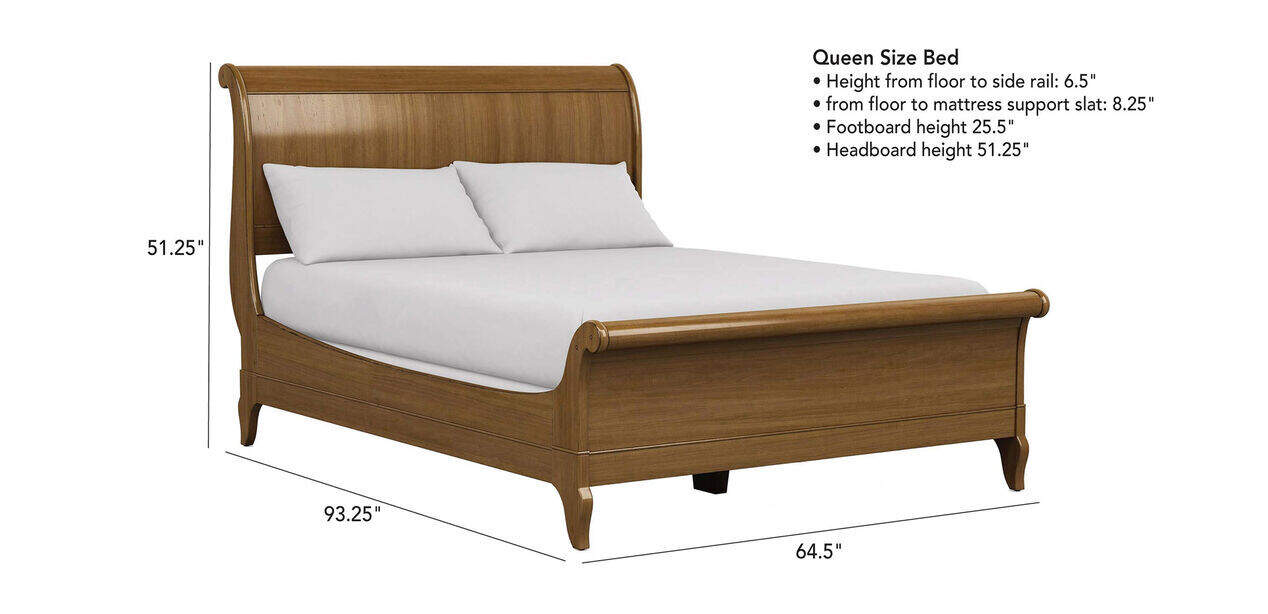
King Sleigh Bed Dimensions Decoded for a Perfect Bedroom Layout in 2026
What Designers Know About Oil Rubbed Bronze Pendants That Most Homeowners Miss

Expert Tips for Integrating a TV Lift and Fireplace into Your Bed Frame Design

How to Score a Free Adjustable Base With Your Mattress in 2026
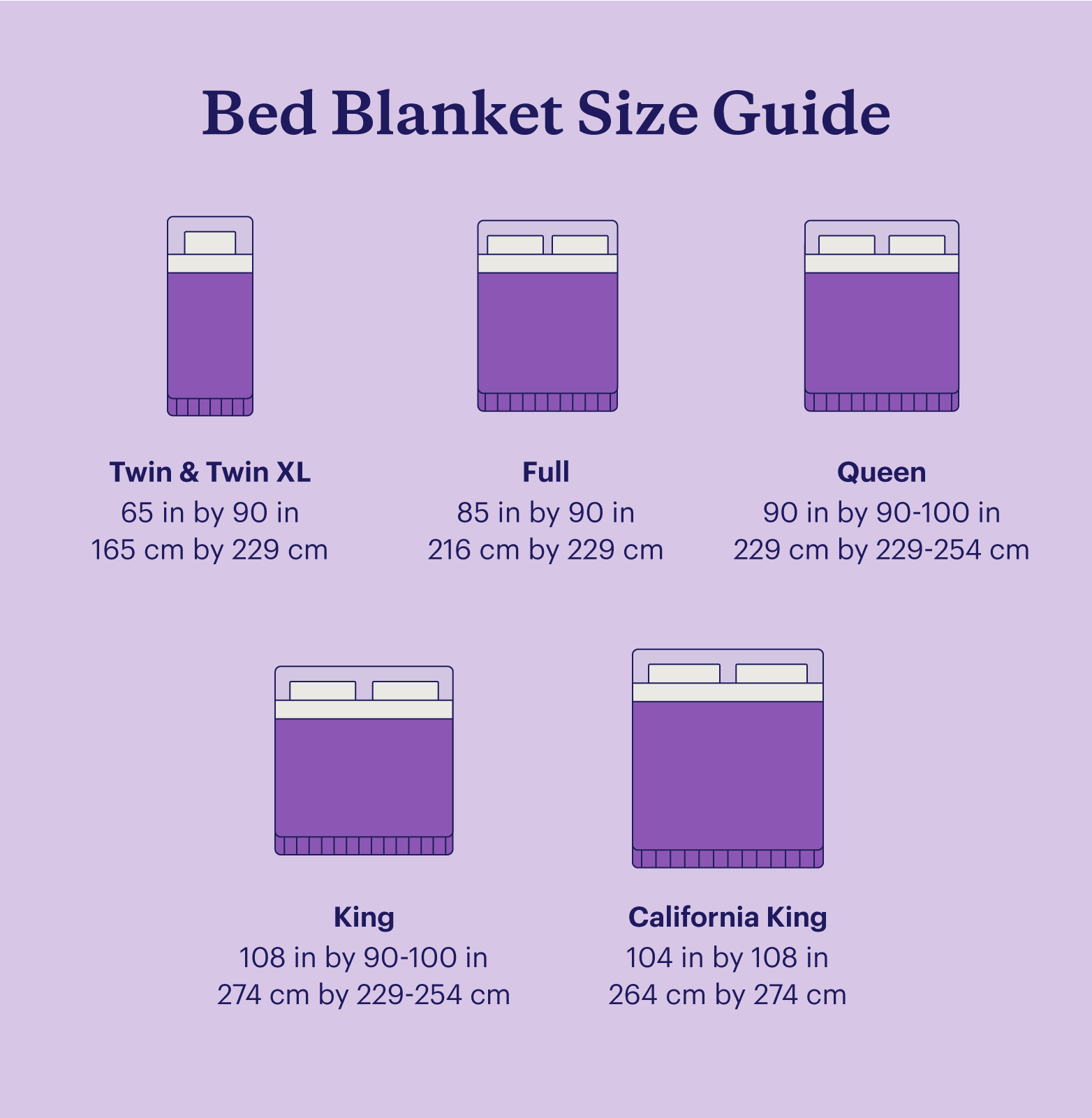
Transform Your Bedroom Aesthetic by Getting Your Full Bed Blanket Size Right

What Interior Designers Look for When Choosing a Durable Wooden Bed Frame with Drawers
Drying is another critical step. High heat is bad for elastic and fibers. It causes shrinkage and accelerates fading. Tumble dry on low or, even better, line dry if you have the space. Line drying also gives linen and cotton a fresh, natural scent that dryer sheets can’t mimic. If you must use a dryer, remove the bedding while it’s still slightly damp. This reduces wrinkles and makes ironing easier. Speaking of ironing, if you want that crisp hotel look, iron while the fabric is damp. Use the appropriate heat setting for your fabric type. Steam helps too. But remember, imperfection is part of the charm for many styles. Don’t stress if it’s not perfectly flat.
Storage matters too. Don’t stuff your king duvet into a tiny plastic bag. It needs to breathe. Store it in a cotton bag or a breathable container. Avoid attics or basements where temperature and humidity fluctuate wildly, as this can degrade fibers over time. Rotate your bedding if you have multiple sets. This gives the fibers time to recover between uses. And wash regularly. Body oils and sweat break down fibers and cause discoloration, especially on white areas. A bi-weekly wash cycle is a good rule of thumb for sheets, and monthly for duvet covers, depending on usage. Keeping them clean preserves that stark, beautiful contrast.
Styling a king bed with black and white bedding is about balance. Start with the bed itself. Layering is your best friend. Don’t just throw on the duvet. Add a throw blanket at the foot of the bed. If the duvet is black, try a white or gray throw. If the duvet is white, a black or charcoal throw adds weight. Fold it neatly or drape it casually, depending on your vibe. Pillows are next. Mix sizes. Use standard shams in the back, then Euro shams, then decorative pillows in front. Vary the textures here too. Velvet, silk, knit. This adds tactile interest.
Consider the surrounding room. Black and white bedding pops against wood tones. Warm woods like oak or walnut soften the starkness of the monochrome. Cool woods like ash or painted white furniture create a more minimalist, icy look. Both work, but they create different moods. Lighting plays a huge role too. Warm light bulbs (2700K-3000K) make the white feel creamy and the black feel soft. Cool light bulbs (4000K+) make the white look stark and the black look deeper. Choose lighting that matches the atmosphere you want. Most bedrooms benefit from warmer light for relaxation.
Finally, don’t be afraid to break the rules. Add a plant. Greenery looks amazing against black and white. It brings life and organic shapes into a structured palette. Artwork on the walls should complement, not compete. Black and white photography is an obvious choice, but a colorful abstract piece can serve as a focal point, with the bed acting as a neutral backdrop. The goal is a room that feels cohesive. The bedding shouldn’t look like it was dropped in from another universe. It should feel like an integral part of the design story. In 2026, personalization is key. Make it yours. Add items that have meaning. A handmade quilt from a grandmother, mixed with modern black sheets. That’s style.
Creating a bedroom sanctuary with black and white king bedding is easier than it seems. It starts with understanding the basics: fabric, weave, and care. But it ends with your personal touch. The right set doesn’t just cover your mattress. It sets the tone for your rest. It invites you to unwind. As we move further into 2026, the appreciation for timeless design grows. Trends come and go, but monochrome remains. It’s reliable. It’s elegant. And when done right, it’s incredibly comfortable.
Remember to prioritize quality over quantity. Invest in pieces that will last. Take care of them. Wash them properly. Store them well. And don’t be afraid to experiment with textures and layers. Your bed is the centerpiece of your private space. It deserves attention. Whether you prefer the crisp snap of percale or the silky slide of sateen, there’s a black and white combination out there for you. Let the contrast bring clarity to your space and peace to your nights. Sleep well.
