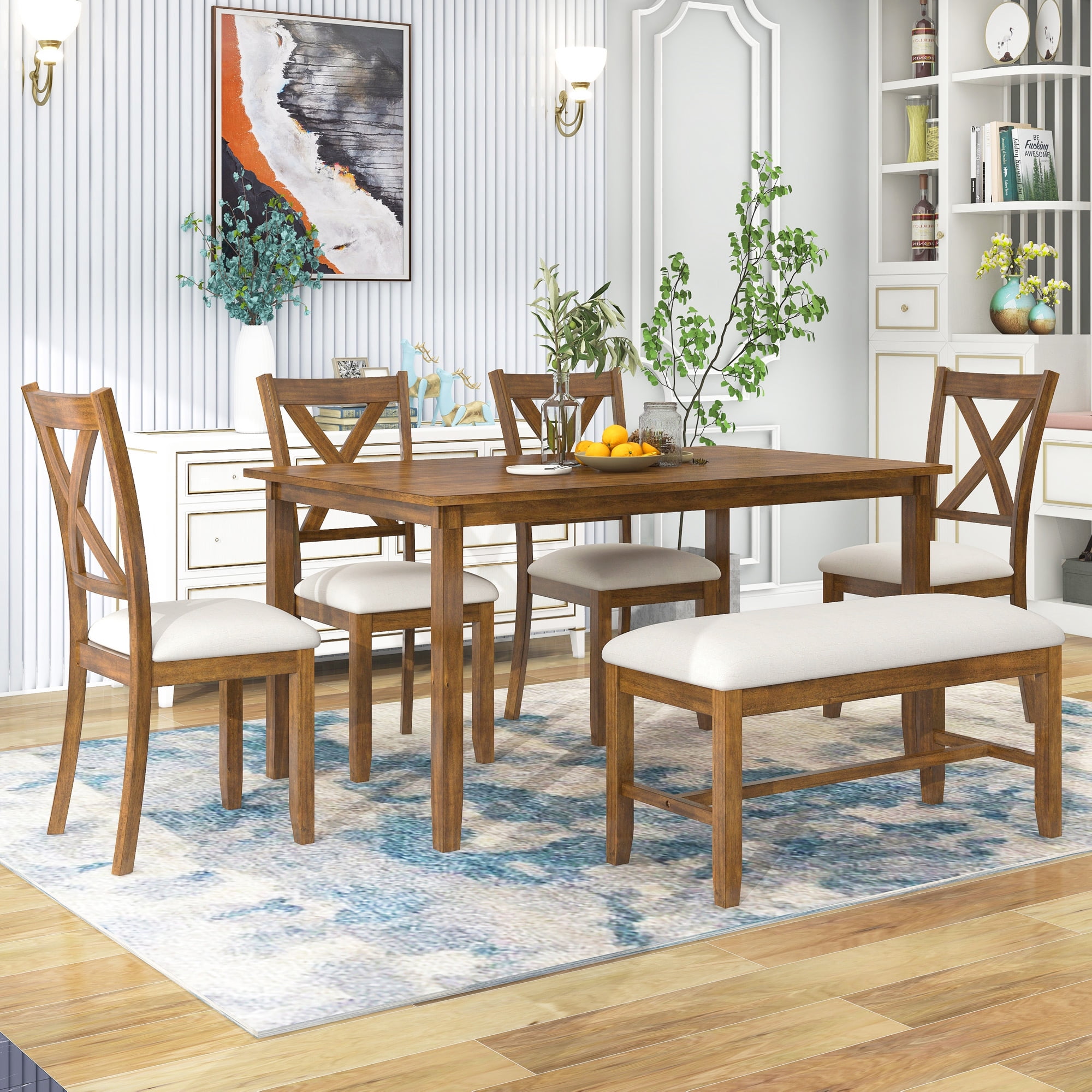
The autumn equinox arrives with a distinct physical shift—the sharp scent of woodsmoke drifting through open windows, the sudden chill that forces sweaters from cedar-scented closets, and the amber slant of afternoon light hitting the hardwood floors. For anyone who views the home as a canvas, this season offers an irresistible invitation to slow down and gather. Setting a seasonal table is not merely about tossing a few gourds down the center runner; it is an exercise in storytelling, mood curation, and hospitality.
Over the past decade of styling residential spaces and hosting long-form autumn suppers, I have watched table styling evolve from plastic maple leaves and overly rustic burlap toward something far more nuanced. We are seeing a distinct shift away from literal interpretations of the season toward moody, tactile, and highly personal expressions of nature indoors. The modern autumn table relies on a delicate tension between organic imperfection and refined composition. It bridges the gap between the wild, unruly decay of late October and the clean lines of contemporary interior design.
When you sit down at a thoughtfully composed autumn table, your senses are engaged long before the first course is served. The weight of heavy stoneware, the rough drag of un-dyed linen beneath your fingertips, the flickering amber glow of beeswax taper candles, and the earthy, faintly sweet aroma of heirloom winter squash combine to create an immersive experience. Achieving this balance requires more than aesthetic intuition; it demands an understanding of scale, color theory, texture layering, and practical functionality.
Historically, autumn tablescapes were bound to rigid holiday traditions—bright orange plastic pumpkins for Halloween, tightly coordinated cornucopias for Thanksgiving. Contemporary interior styling discards these rigid blueprints in favor of organic fluidity. We now draw inspiration from Dutch master paintings, Nordic minimalism, and the slow-living movement. This evolution respects the materials we use, sourcing elements directly from farmers' markets, woodlands, and local florists rather than big-box seasonal aisles. The objective is to craft an environment that feels collected over time, deeply welcoming, and effortlessly tied to the rhythms of the natural world.
The Anatomy of Autumn Color Palettes and Mood Curation
Building a successful tablescape starts long before you select your tableware. It begins with color psychology and the emotional baseline you want to establish for your guests. Fall color palettes are frequently reduced to bright orange and golden yellow, yet the most sophisticated autumn tables lean into complex, desaturated tertiary hues. Think bruised plum, deep olive, muted ochre, warm tobacco, antique brass, and charcoal gray. These shades mirror the natural degradation of the season—the moment chlorophyll retreats from leaves, leaving behind rich, earthy undercurrents.
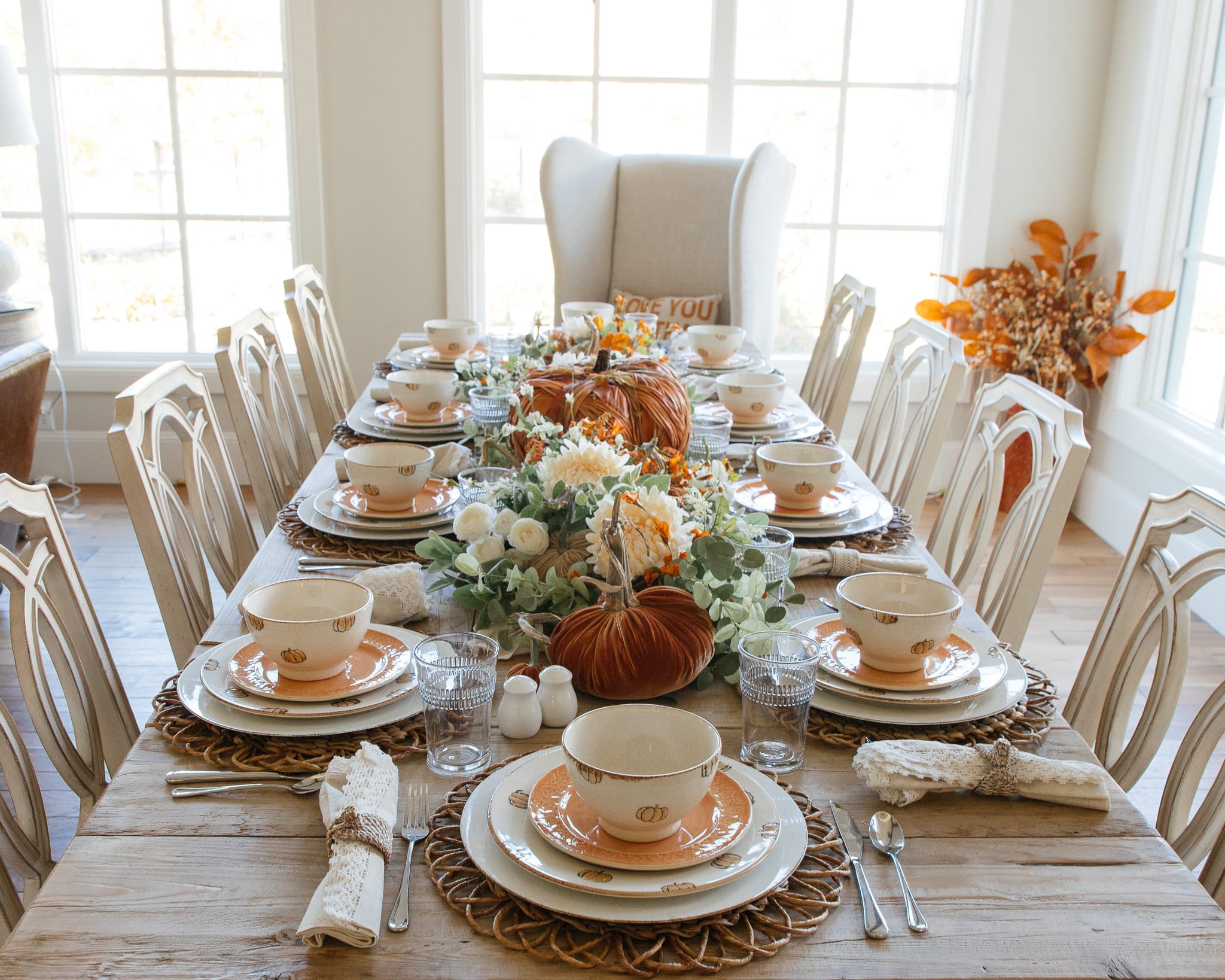
Working with a restrained color palette allows natural textures to take center stage. When your plates, linens, and vessels share a tonal family, the eye can rest, appreciating the subtle variations in finish and grain. For instance, pairing matte stoneware in a soft bone color with oxidized brass flatware and deep forest green linen napkins creates instant visual depth without feeling chaotic. The mood should feel intimate and grounded, shielding guests from the cooling temperatures outside while celebrating the harvest within.
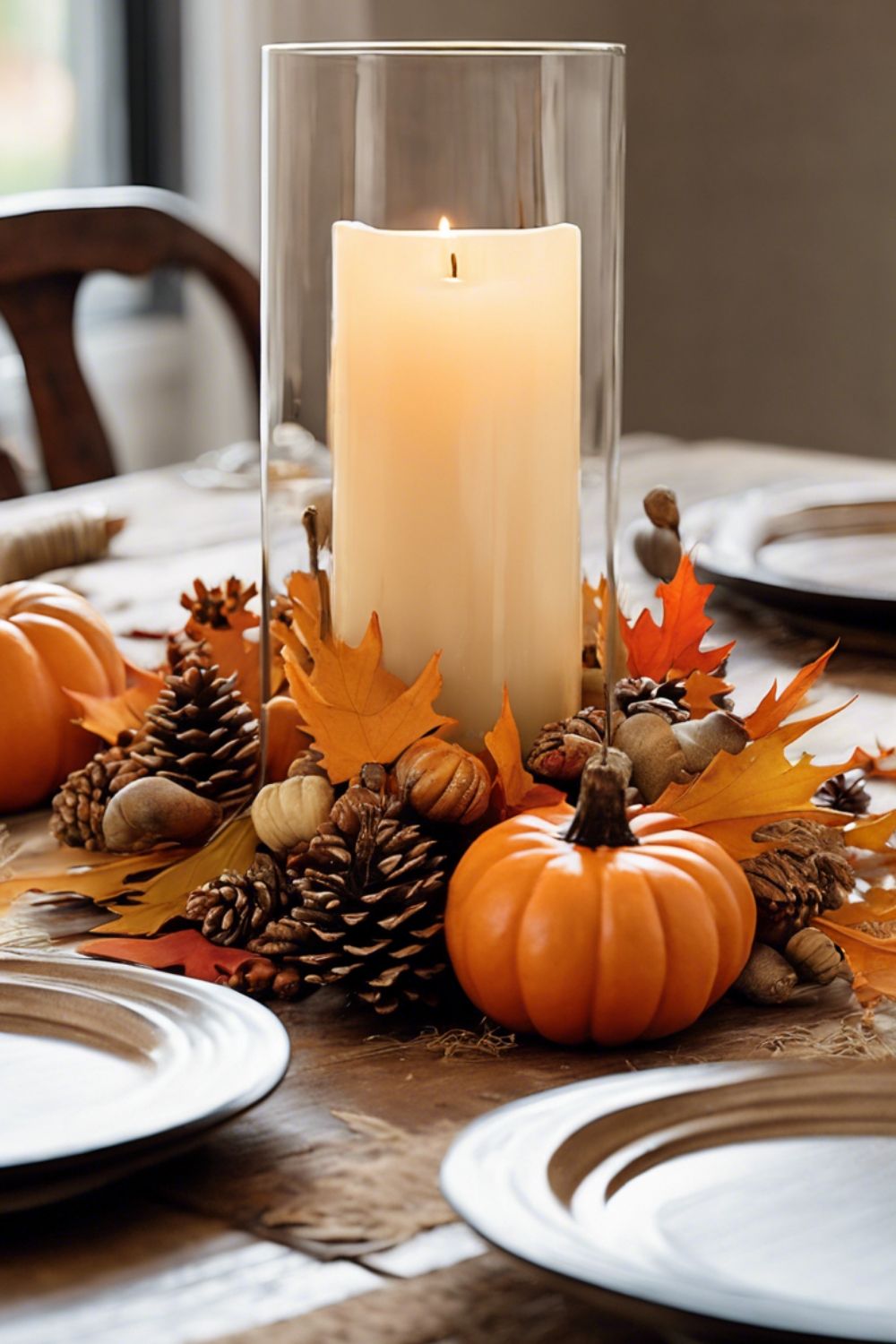
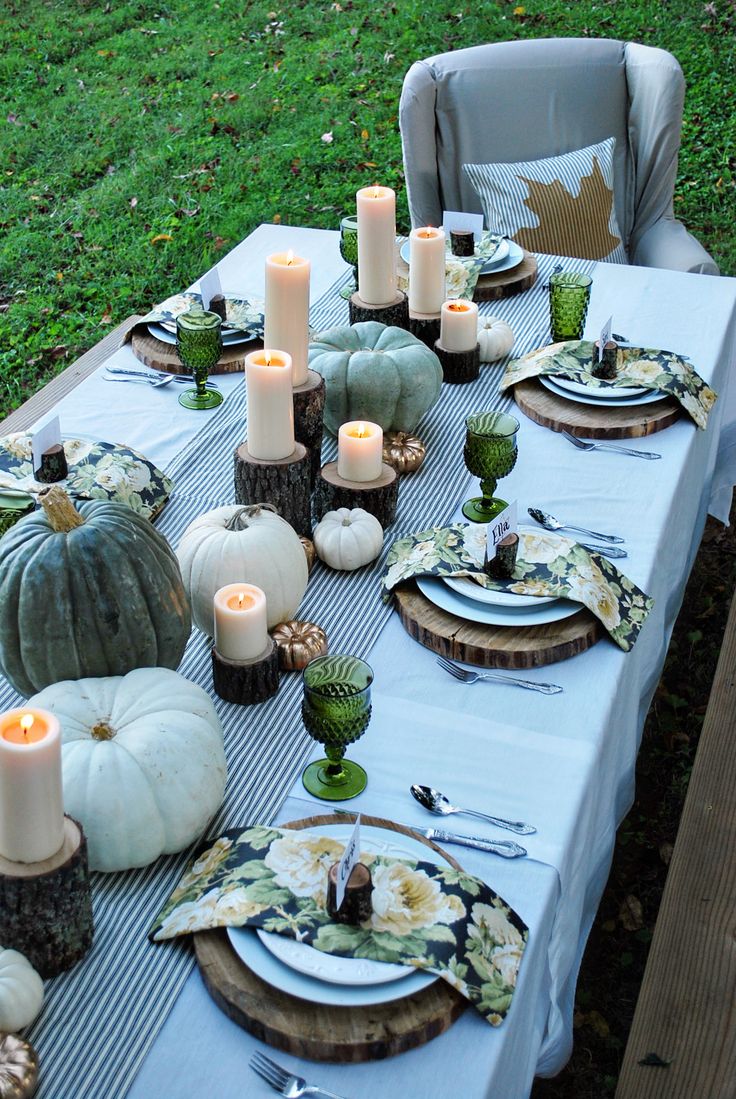
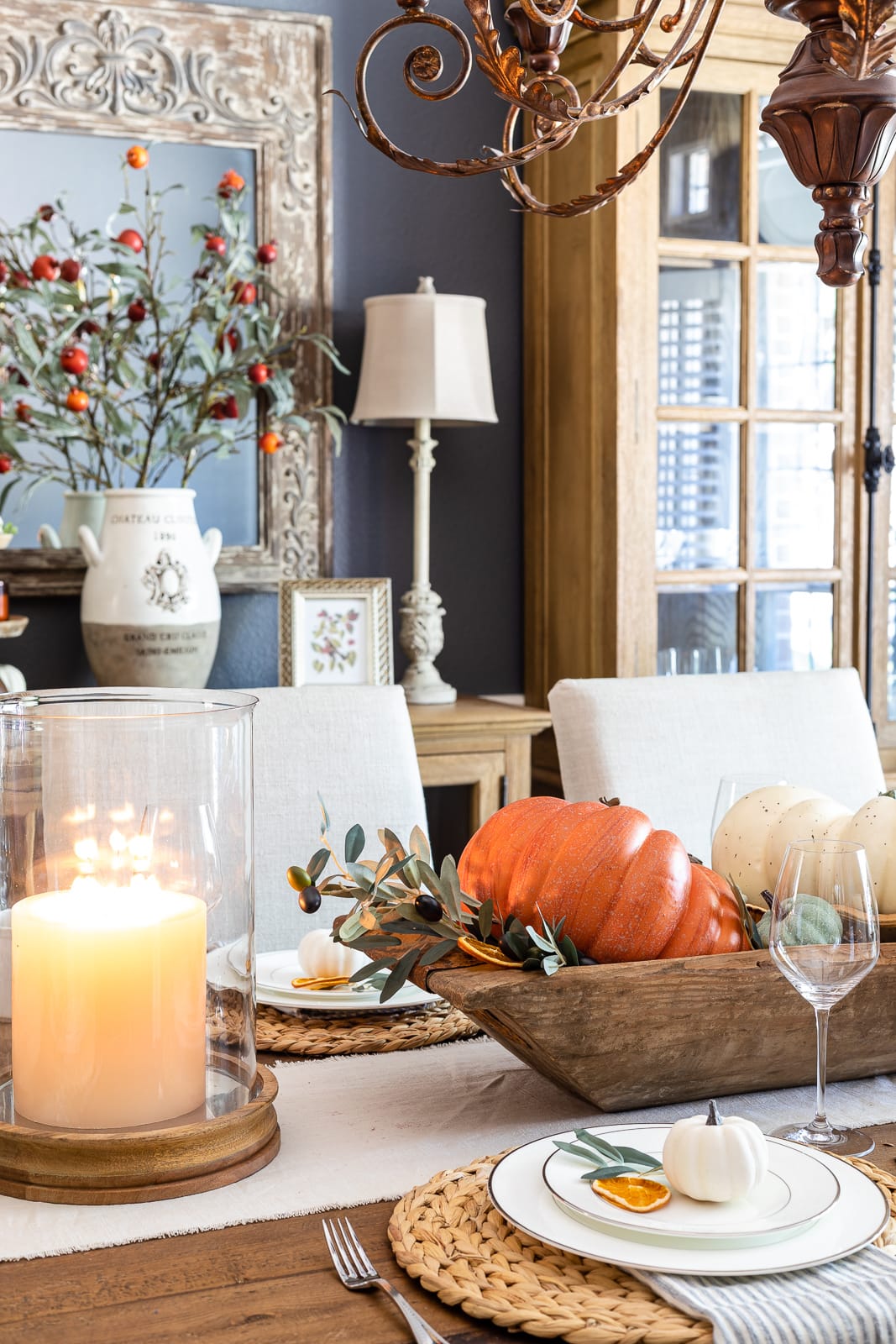
Lighting plays an indispensable role in mood curation during the darker months. As daylight savings ends earlier each year, table styling must account for artificial and natural light interaction. Overhead lighting is the enemy of an intimate autumn dinner party; it flattens textures and creates harsh shadows. Instead, rely entirely on flickering ambient sources. Taper candles in varying heights, pillar candles nestled in glass hurricanes, and low-burning hearth fires cast a warm, golden glow that flatters skin tones and highlights the natural irregularities of ceramics and wood.
Consider also the psychological impact of scent on your dining environment. While heavily perfumed candles can interfere with the enjoyment of food, subtle natural fragrances—such as the faint scent of beeswax, burning cedarwood, or a bowl of unpeeled clementines studded with cloves—anchor the experience. The goal is to orchestrate a multisensory environment where sight, touch, and smell work in quiet harmony to communicate the essence of the autumn season.
Sourcing and Styling Organic Elements Beyond the Ordinary
The hallmark of professional table styling is the avoidance of artificiality. Plastic pumpkins, silk foliage, and glitter- dusted pinecones immediately cheapen a tablescape, breaking the illusion of effortless natural elegance. Instead, look to the produce aisle, the farmer's market, and your own backyard for botanical elements that feel genuine and grounded. Heirloom pumpkins and winter squash varieties—such as 'Fairytale', 'Jarrahdale', and 'Marina di Chioggia'—offer incredible sculptural variety, stunning desaturated colorways, and remarkable longevity as table centerpieces.
When selecting botanical components, vary the heights, volumes, and textures. Pair smooth, ribbed white pumpkins with gnarled bittersweet branches, dried sorghum, feather reed grass, and heavy-headed dried hydrangeas that have faded to an antique papery mauve. Instead of arranging flowers in a conventional, tightly packed round vase, deconstruct your florals. Run a low, weathered wooden trough or a series of mismatched antique vessels down the center of the table, weaving stems so they sprawl organically across the linens as if caught by an autumn gust.
Fruit also serves as an exceptional, edible medium for autumn table decor. Pears with their stems intact, deep red pomegranates split open to reveal ruby arils, and dark Mission figs piled high in a pewter bowl bring an Old World, Renaissance-like richness to the setting. These elements are dynamic; guests can interact with them, and they soften the rigid geometry of standard place settings. Furthermore, incorporating seasonal foliage like rusted oak branches, smoke bush, and trailing ivy adds a wild, untamed quality that prevents the table from feeling too stiff or overly styled.
It is equally important to consider the sustainability and lifecycle of your decor. Sourcing locally grown florals and edible botanicals eliminates the massive carbon footprint associated with imported out-of-season blooms. Once your dinner party concludes, heirloom pumpkins can often be cooked down into soups or purees, gourds can be composted, and dried grasses can be stored carefully for future use. This closed-loop approach aligns table styling with a conscientious, sustainable lifestyle that respects the earth's seasonal cycles.
Step-by-Step Methodology for Designing a Cohesive Fall Tablescape
Executing a flawless autumn tablescape requires a systematic approach. Rushing straight to decorative accessories without establishing a foundation often leads to a cluttered, unfunctional dining experience where guests can neither see nor converse with one another across the table.
Navigating Common Pitfalls and Field-Tested Workarounds
Even experienced hosts occasionally fall into design traps that compromise the comfort and aesthetic integrity of their dining room. Recognizing these common missteps allows you to pivot quickly before guests arrive.
Embracing Sustainability, Longevity, and Slow Design Principles
The contemporary approach to interior styling rejects fast-decor culture—the impulse to buy cheap, disposable seasonal plastic items that end up in landfills by November. Instead, adopting a slow-design ethos transforms how we approach autumn entertaining. Investing in timeless, heirloom-quality tableware, artisan-crafted ceramics, and versatile natural textiles ensures that your fall table decor items remain relevant, beautiful, and durable for decades.
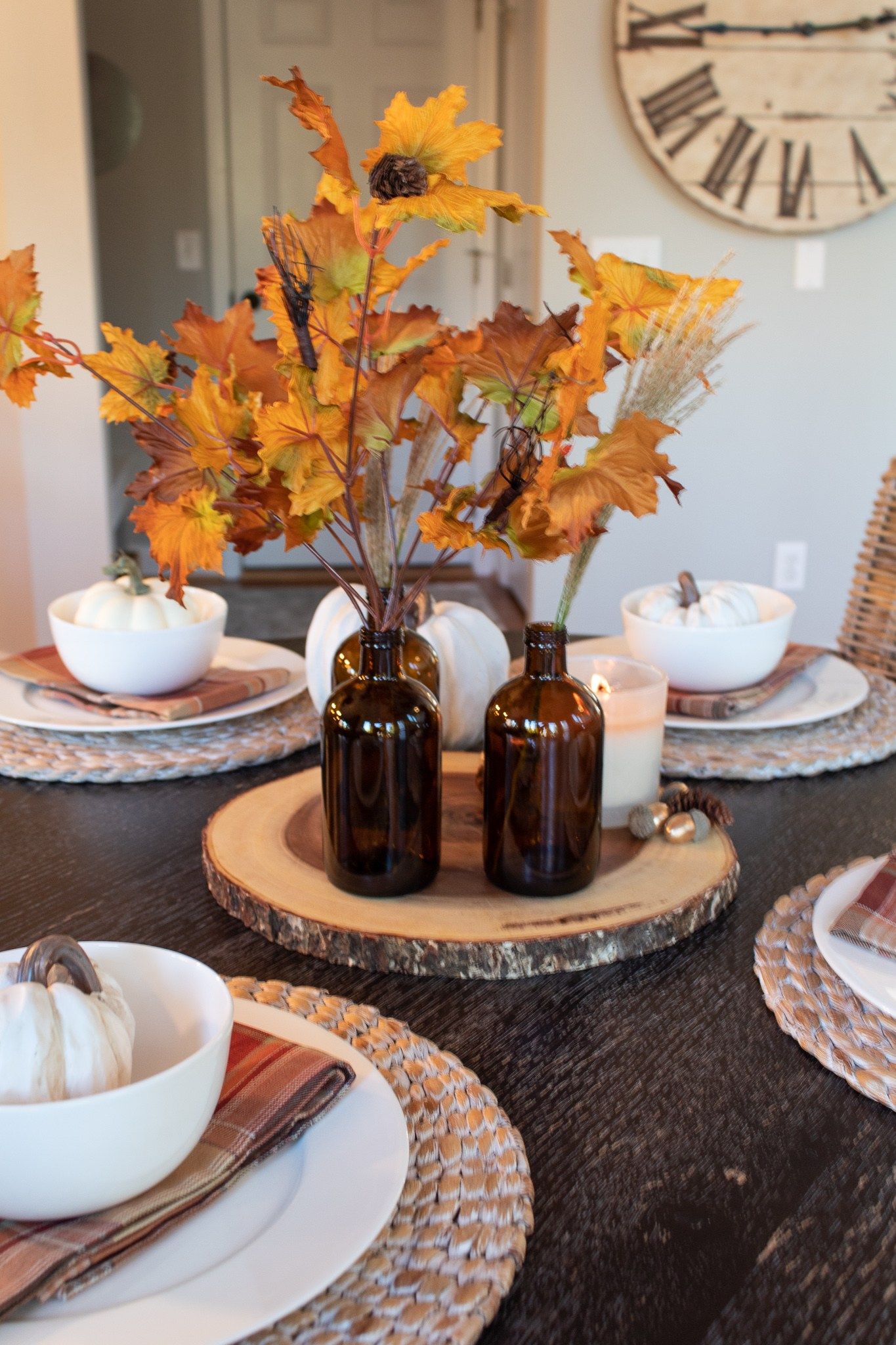
Sustainability in autumn styling also means looking closely at how we source our botanicals. Supporting local flower farmers who utilize regenerative agriculture practices ensures your table decor honors the land rather than depleting it. Furthermore, incorporating thrifted or vintage elements—such as heavy nineteenth-century ironstone platters, tarnished silver gravy boats, and amber apothecary bottles found at estate sales—infuses your dining room with a distinct narrative and character that mass-produced retail items simply cannot replicate.
When we prioritize craftsmanship and natural materials, our homes reflect a deeper connection to the changing seasons. The dining table becomes more than a place to consume meals; it transforms into a communal hearth that honors the harvest, celebrates human connection, and grounds us in the physical reality of the changing earth. This thoughtful curation turns every autumn supper into an intentional ritual of warmth, gratitude, and beauty.
Strategic Recommendations and Essential Frameworks for Autumn Hosts
To synthesize these concepts into actionable habits, keep a running design checklist that prioritizes flexibility and guest comfort. Building a versatile core collection of neutral tableware allows you to update your autumn look simply by swapping out textiles and centerpieces rather than buying an entirely new dining suite.
The beauty of styling an autumn table lies in its impermanence. Just as the leaves peak in brilliant shades of amber and crimson before falling to the earth, our seasonal dining rooms are fleeting installations designed to honor a specific moment in time. When we slow down to arrange branches, light candles, and set heavy stoneware for the people we love, we participate in an ancient, grounding human tradition.
As you approach your next autumn gathering, let go of the pressure for perfection. Focus instead on texture, warmth, and the simple joy of sharing a meal around a thoughtfully crafted space. The memories made across an autumn table—framed by flickering light and grounded in the rich, earthy elements of the season—will linger long after the last pumpkin has been cleared away and the winter frost settles in for good.