The scrap of paper sitting on my desk is covered in frantic mathematical equations, coffee ring stains, and hastily scribbled dimensions. It was drawn the weekend my partner and I tried to squeeze a second-hand, mahogany extension table into a postage-stamp-sized urban dining alcove. The tape measure didn't lie: we had left exactly fourteen inches of clearance between the chair back and the drywall. Anyone sitting down had to crab-walk into position, and pulling out the leaf required temporarily banishing a sideboard to the hallway. That humiliating spatial miscalculation cost us both time and money, teaching me a visceral lesson that no showroom floor salesman will ever volunteer: a dining set only works when it respects the absolute geometry of the room it inhabits.
We live around the dining table. It is the administrative command center of domestic life, a makeshift desk for laptops, a puzzle assembly station, and occasionally, a place to eat dinner. Yet, when people shop for dining table and chairs sets, they almost always fall into the aesthetic trap. They fall in love with a monolithic slab of live-edge walnut or an impossibly sleek cantilevered steel chair without running the diagnostic checks on daily utility. The truth is that furniture is a functional architecture. Every inch of overhang, every degree of chair-back rake, and every millimeter of wood expansion coefficient dictates whether your investment will facilitate years of long, wine-fueled dinner parties or become an ergonomic torture chamber.
Navigating the market requires stripping away marketing hype and looking directly at construction methodologies, spatial rules of thumb, and material behaviors. Whether you are outfitting a sprawling open-concept farmhouse or attempting to carve a functional eating zone into an apartment floor plan, getting this purchase right demands a shift from passive consumer to informed designer. Let's pull back the veneer on how to evaluate, buy, and live with the centerpiece of your home.
Spatial Ergonomics and Room Geometry
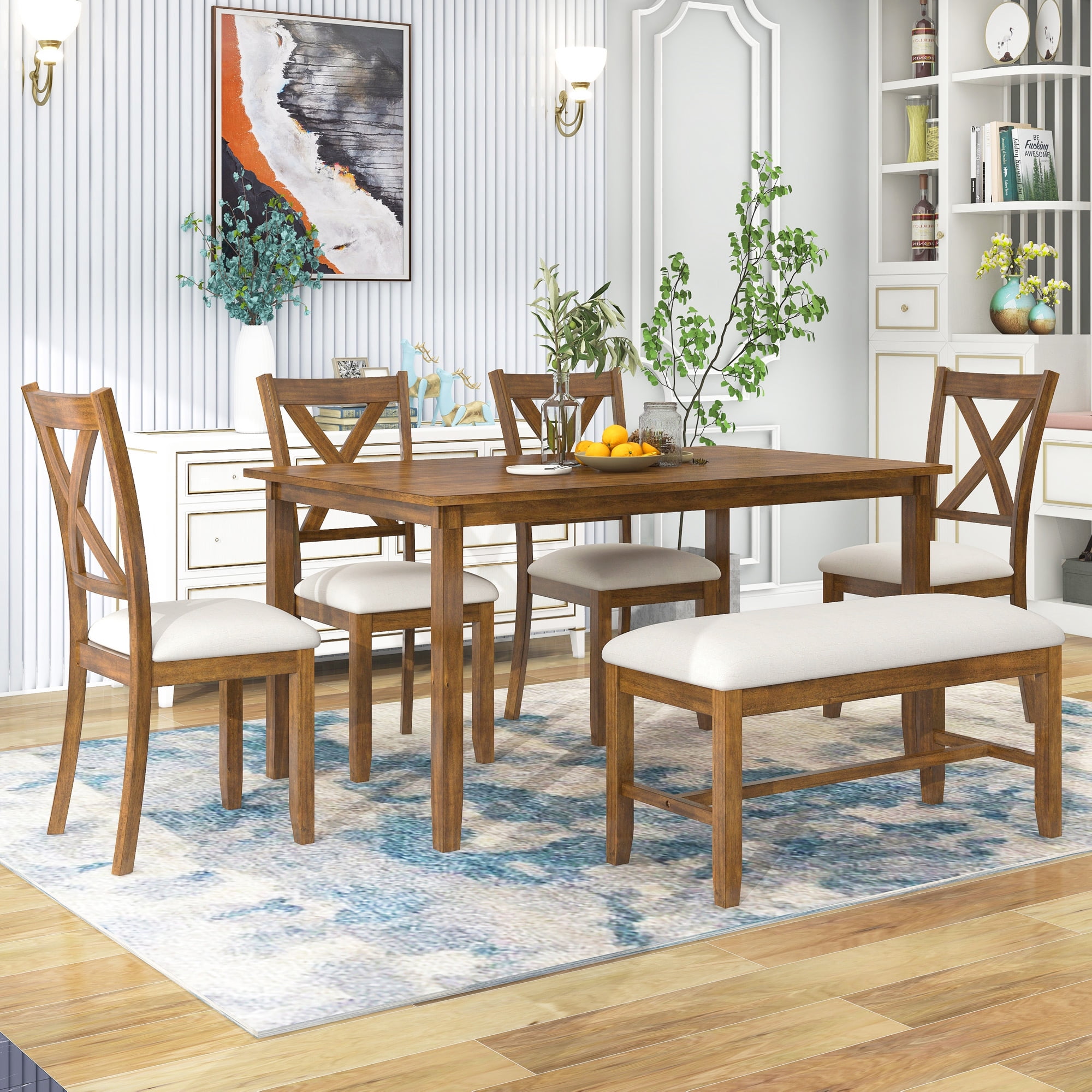
The single most common error in furnishing a dining space is treating the table as an isolated island rather than the focal point of a dynamic kinetic zone. Before you even look at wood finishes or upholstery fabrics, you need to map out the room's negative space. The golden rule of thumb among interior architects is to allow a minimum of 36 inches—though 42 to 48 inches is vastly preferable—between the edge of the table and any surrounding walls or stationary furniture. This clearance ensures that a diner can slide their chair back, stand up, and walk past another seated guest without forcing an awkward sideways shuffle. Ignoring this rule turns every meal into a game of musical chairs.
Traffic flow dictates shape. Rectangular tables remain the industry standard because they mirror the natural proportions of most rooms, scaling effortlessly from intimate four-seaters to massive ten-person configurations. However, if your dining zone is tucked into a square nook or sits at the crossroads of an open-plan kitchen and living room, a round table fundamentally alters the social dynamic. Round tables eliminate the hierarchy of the "head of the table," fostering egalitarian conversation where every guest has equal eye contact. Furthermore, round footprints are more forgiving in tight spaces because their lack of sharp corners opens up diagonal pathways through the room.
Leg placement is another hidden trap that can completely sabotage your seating capacity. A traditional four-leg table might look classic, but if those legs are positioned right at the corners, they inevitably trap the legs of anyone sitting on the ends. Trestle bases, pedestal mounts, and inboard-set legs solve this problem entirely, allowing you to slide chairs smoothly along the full perimeter of the table without structural obstruction. When evaluating chairs, pay close attention to the apron—the vertical wooden skirt beneath the tabletop. If a chair's armrests are higher than the underside of this apron, the chair cannot be pushed fully beneath the table, permanently stealing precious inches from your floor space.
Material Science and Structural Integrity
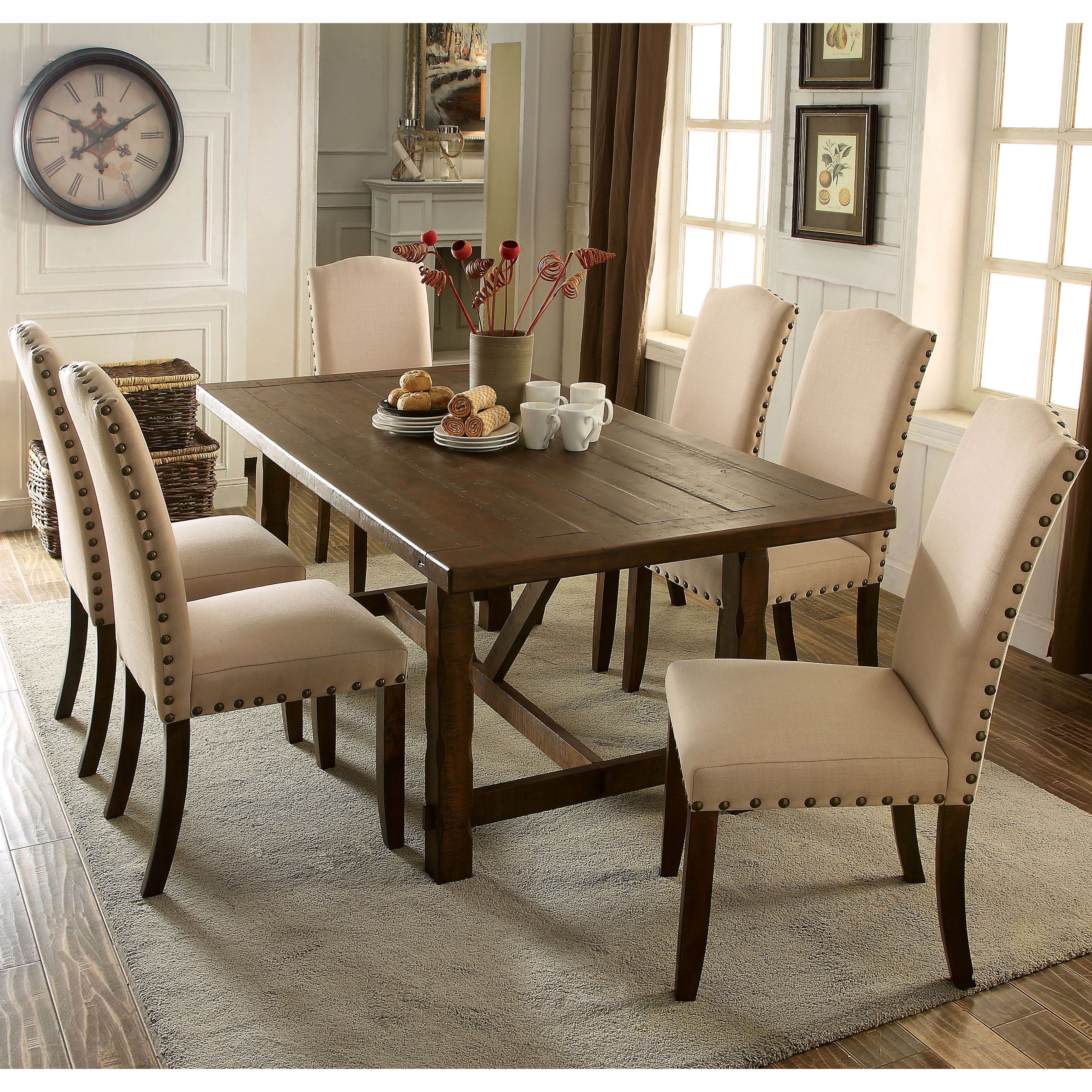
Wood is a living, breathing material that reacts to its environment long after it leaves the sawmill. When evaluating a solid wood dining table, you must understand the difference between true hardwood construction, veneered MDF, and engineered substrates. Solid oak, walnut, maple, and cherry offer an unmatched tactile warmth and can be sanded and refinished decades down the line. However, solid wood expands and contracts across the grain with seasonal shifts in humidity. Makers account for this using breadboard ends with slotted joinery or expansion joints; if a poorly made table joins solid wood boards cross-grain without movement allowances, the top will eventually split apart along the glue lines.
Veneered tabletops—where a thin slice of premium hardwood is bonded to a stable core like marine-grade plywood or high-density fiberboard—get an unfair reputation, often conflated with cheap particle board. In reality, high-end veneered construction is structurally superior for large tabletops because the stable core refuses to warp, cup, or split when your home's central heating kicks on in January. When inspecting a table, run your hand along the edge banding. Look for thick, solid-wood edging rather than paper-thin iron-on tape, which peels away after a few seasons of aggressive sponge wiping.
Table surfaces bear the brunt of daily punishment: boiling hot coffee pots, spilled red wine, runaway toddler forks, and abrasive cleaning chemicals. The finish applied to the wood determines its vulnerability. Conversion varnishes and modern two-part polyurethane finishes create a nearly impermeable plastic shield that resists water rings and scratches, though they can feel slightly synthetic to the touch. Traditional hand-rubbed oil and wax finishes, by contrast, offer a velvety, organic hand-feel that ages gracefully, but they require periodic maintenance and immediate spill cleanup to prevent staining.
Chair Ergonomics and Structural Joinery
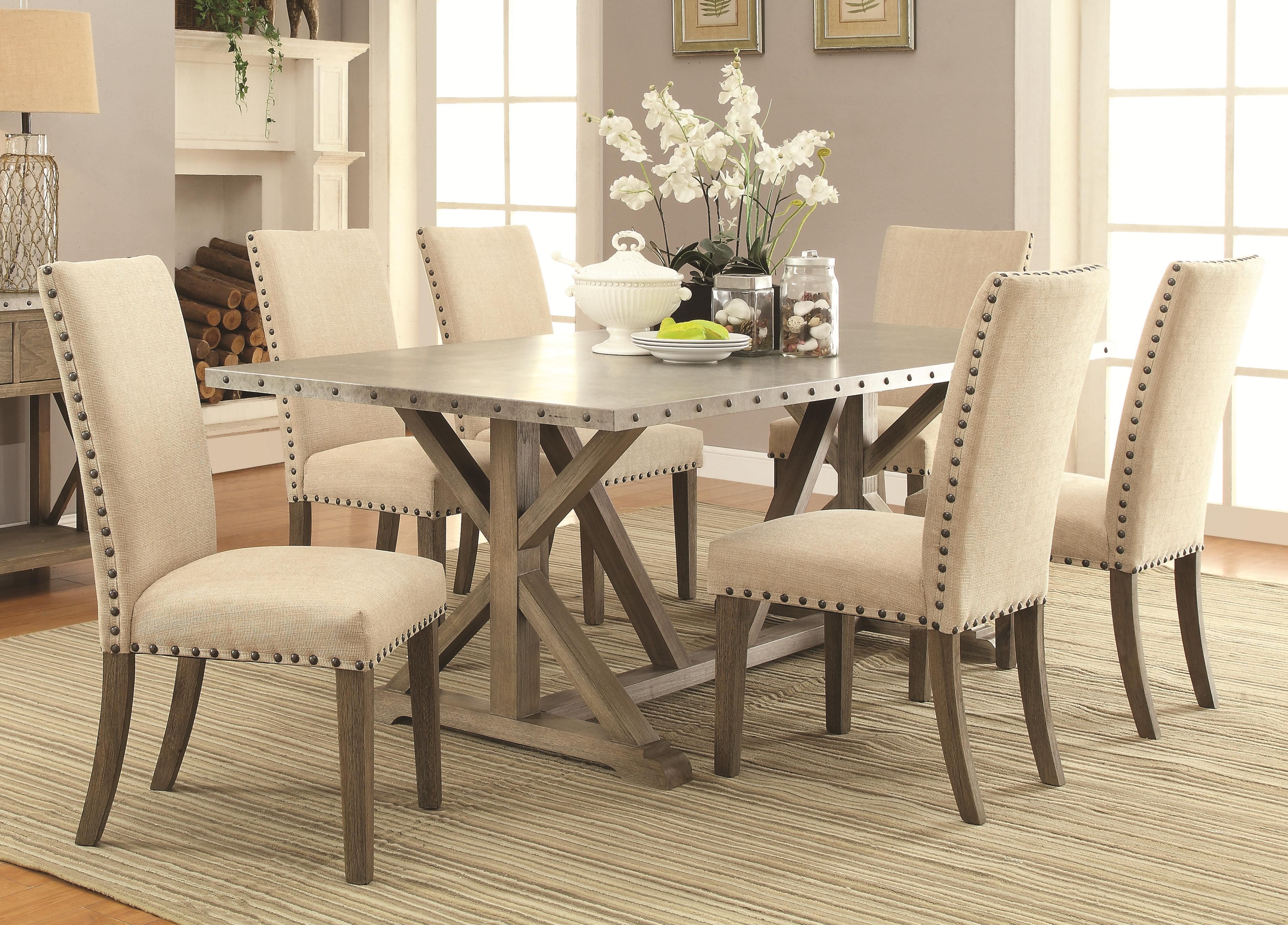
You can have the most breathtaking dining table in the world, but if your chairs are uncomfortable, your dinner guests will invent early excuses to head home by 9:00 PM. Chair ergonomics rely on a precise cocktail of measurements: standard dining table height sits rigidly at 30 inches from the floor, which means chair seats must hover between 18 and 19 inches high. This leaves an 11-to-12-inch gap between the seat and the tabletop—the exact clearance required for an adult's thighs to rest comfortably without hitting the underside of the table.
When testing chairs, pay obsessive attention to the backrest angle, known as the rake. A completely vertical backrest forces the spine into an unnatural, rigid posture, while a gentle 5-to-10-degree recline supports the lumbar curve during a long, leisurely meal. Upholstered seats require high-density commercial-grade foam (ideally 2.5 pounds per cubic foot or higher) rather than cheap, low-density foam that bottoms out within six months of daily use. If you have children or pets, skip delicate silks and textured linens in favor of high-rub-count performance fabrics like Crypton or solution-dyed acrylics that laugh off spaghetti sauce and pet claws.
Underneath the upholstery lies the true test of a chair's longevity: the joinery. Flip the chair upside down. Avoid pieces held together solely by wood glue, dowels, and butt joints, which will inevitably wobble and snap under lateral stress. Look for mortise-and-tenon joints, corner blocks screwed and glued into the frame, or sturdy metal-on-metal bolting systems. If a chair flexes and groans when you wiggle the backrest on the showroom floor, walk away immediately. That structural fatigue will only accelerate once subjected to the daily abuse of being pulled in and out by human hands.
Step-by-Step Methodology for Sourcing Your Set
Common Pitfalls and Field-Tested Workarounds
Holistic Perspectives and Long-Term Value
The contemporary furniture market is flooded with fast-furniture flat-pack options designed for quick turnover and low cost, but buying a dining set should be approached as an intergenerational investment. When you examine the lifecycle carbon footprint and economic reality of furniture, opting for high-quality, repairable pieces made from sustainably harvested, FSC-certified hardwoods pays dividends. A well-constructed dining table made of solid white oak or American black walnut will outlive multiple generations of inhabitants, absorbing the dents, water rings, and scratches of family history into a rich patina of lived experience.
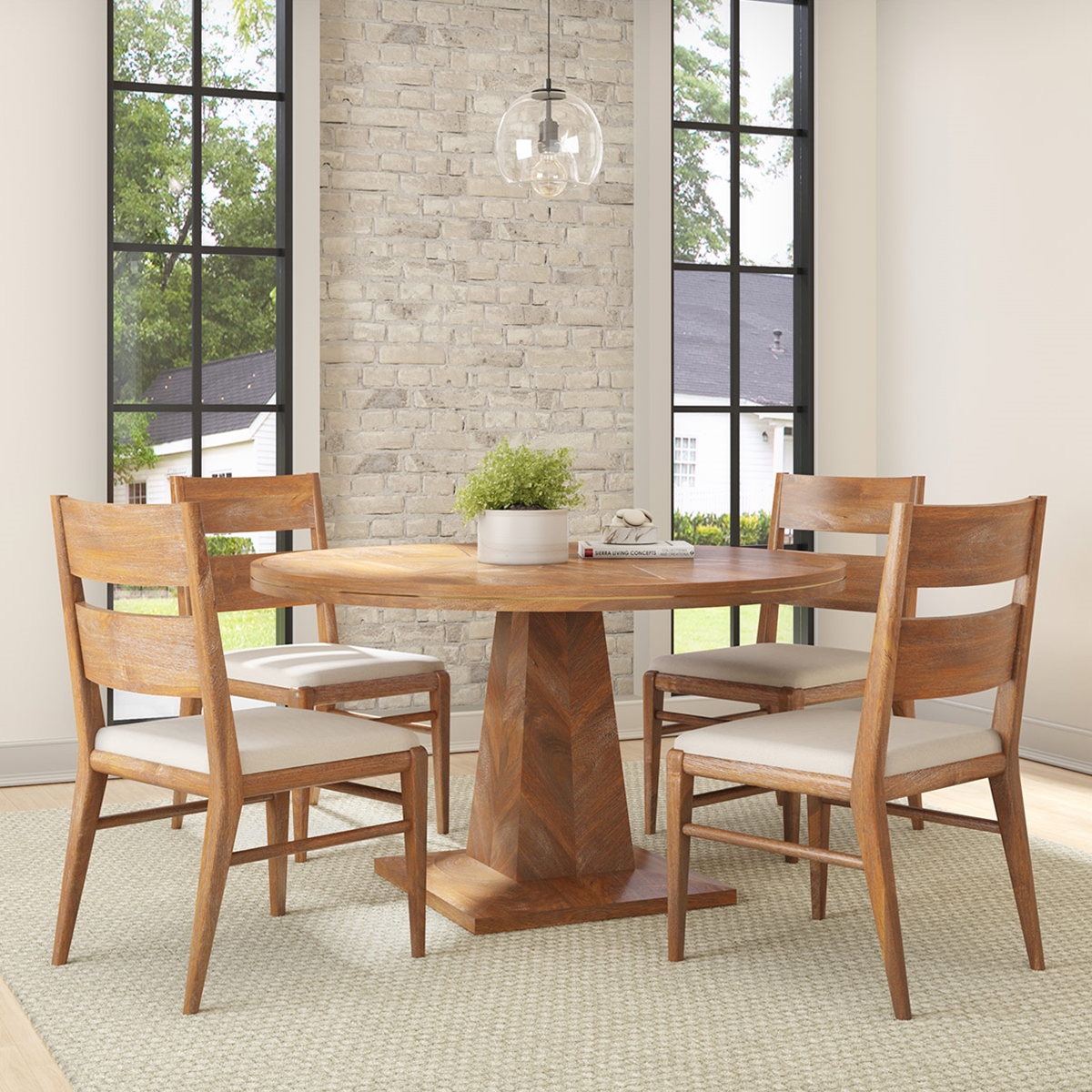
From an interior design standpoint, the dining table and chairs set the emotional register of your home. It is the anchor around which interior lighting, rugs, and side cabinetry pivot. Rather than buying a matching, factory-bundled set straight out of a catalog—which can often render a dining room feeling sterile and showroom-esque—many modern designers advocate for curated friction. Pair a rustic, reclaimed timber table with sleek, matte-black tubular steel chairs, or place minimalist Scandinavian chairs around a heavy, traditional pedestal base. This thoughtful juxtaposition injects personality and depth into the space, proving that a curated room evolves organically over time rather than being bought all at once.
Economic value also favors durability over disposability. A cheap veneer-and-particleboard dining set purchased for a few hundred dollars will sag, delaminate, and wobble within three to five years, ending up in a local landfill. Investing in robust joinery and quality materials upfront means your cost-per-use plummets dramatically over decades. Furthermore, heirloom-quality pieces retain a high percentage of their resale value on the secondary market if your life circumstances change and you ever need to upsize or downsize your living arrangements.
Actionable Recommendations and Key Takeaways
The dining table is ultimately a stage for human connection. Long after you finish stressing over wood species, joinery types, and centimeter-level clearances, the true value of this furniture will be measured in the memories anchored around it. It will witness late-night homework sessions, tearful heart-to-hearts, raucous birthday dinners, and quiet Sunday morning coffees. When you approach the selection process with a rigorous eye for spatial geometry, material science, and ergonomic utility, you aren't just buying wood and hardware—you are building the physical foundation for your home's social life.
Take your time with the process. Drag out the tape measure, test the chair rake, run your fingers along the underside of the table aprons, and refuse to settle for furniture that looks good on a screen but fails the practical reality test of daily living. By investing in pieces crafted with integrity and designed for your specific spatial footprint, you create a gathering space that welcomes you back day after day, year after year, anchoring your home with enduring grace and uncompromising utility.